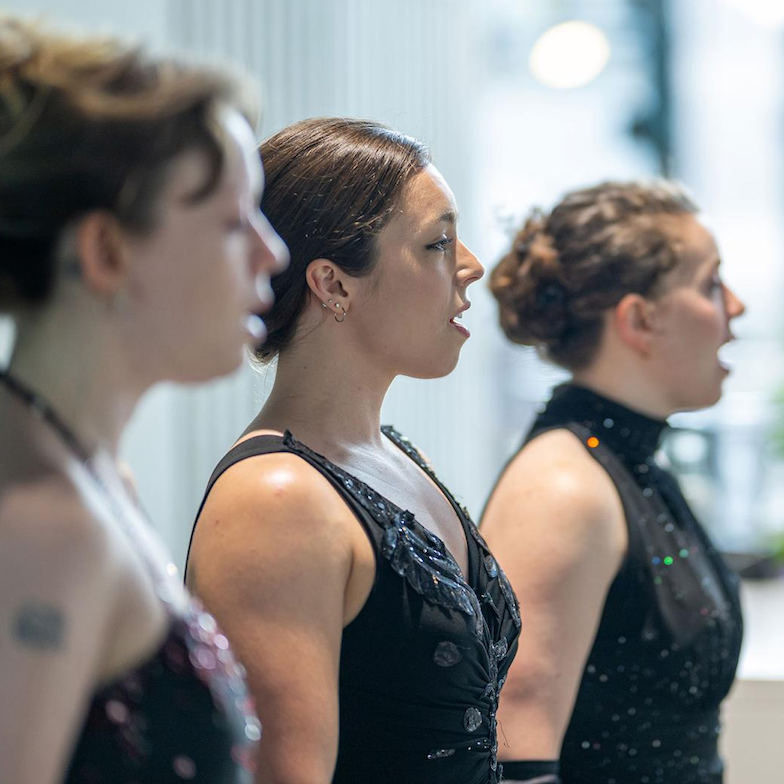
HOW EUROPE WINS
The European Forum Alpbach 2026 took place from 24 August to 4 September 2026.
Impressions
Speakers Selection
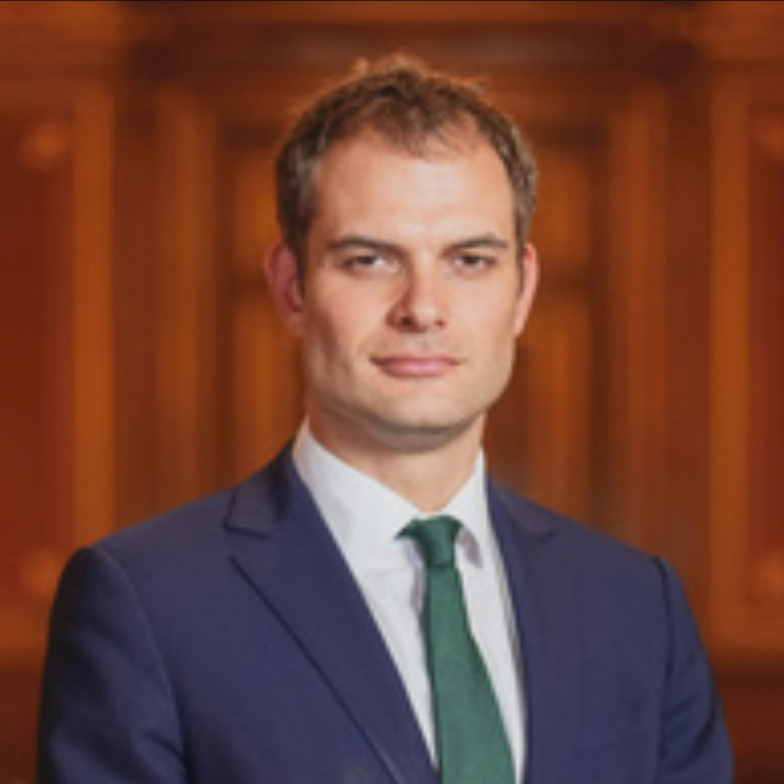
Hamish Falconer
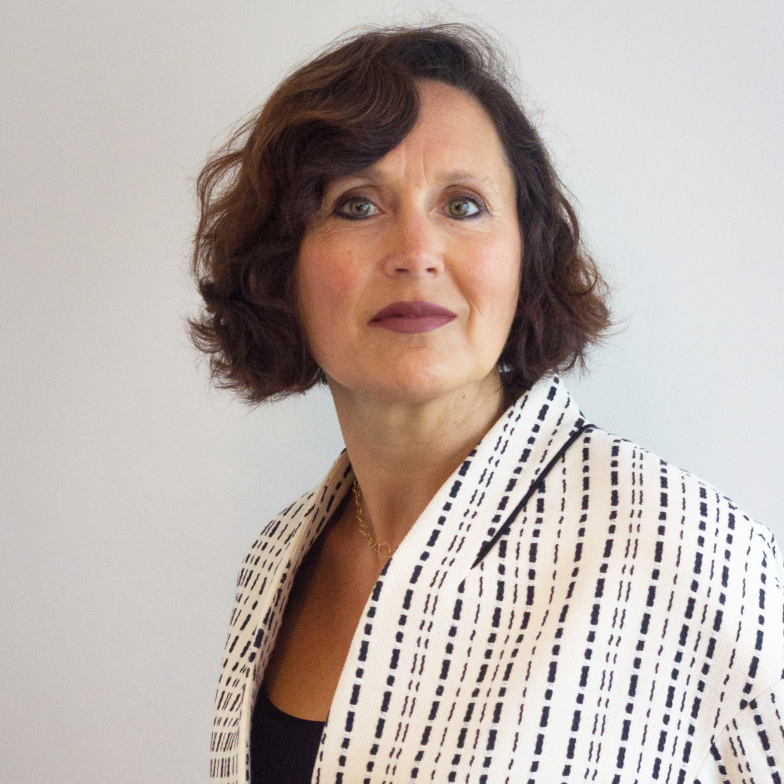
Sandrine Dixson-Declève
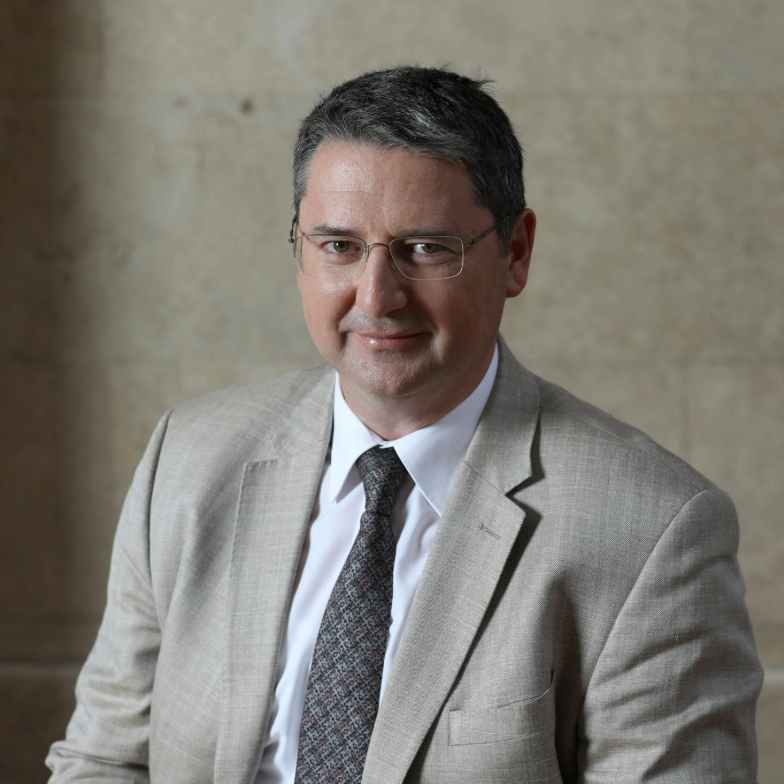
Michael Faulend
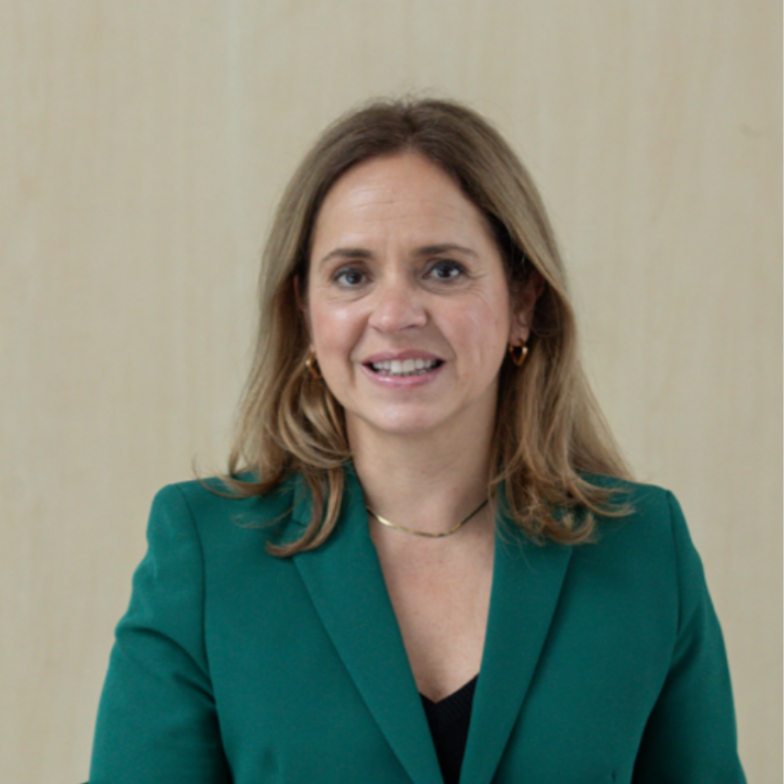
Clara Raposo
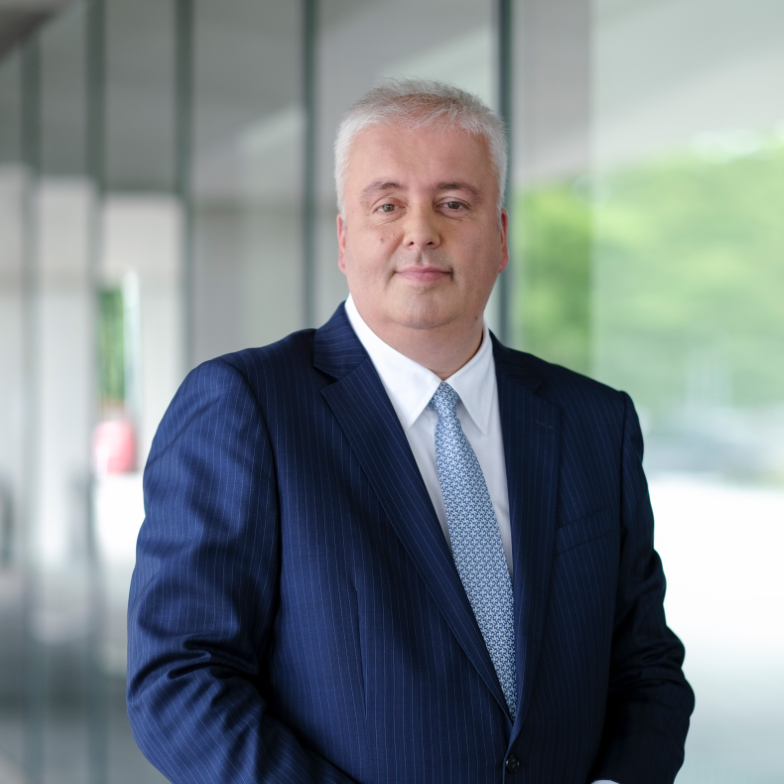
Burkhard Balz
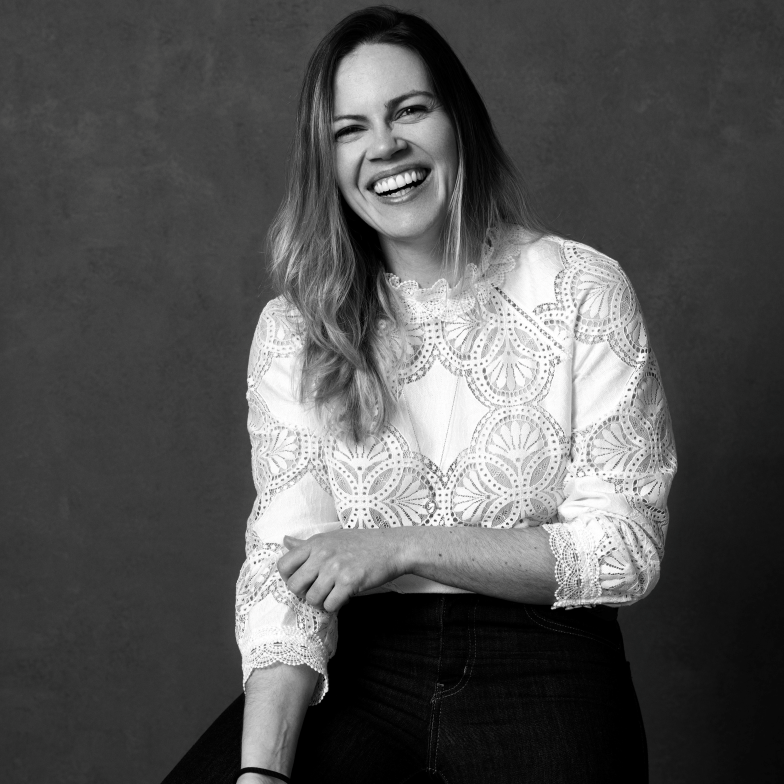
Olivia Lazard
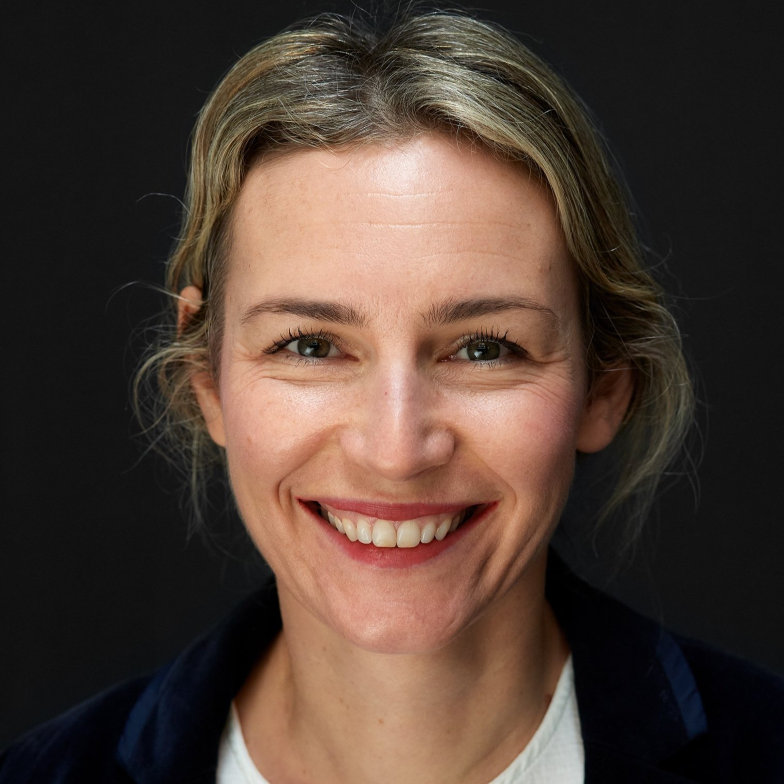
Lea Ypi
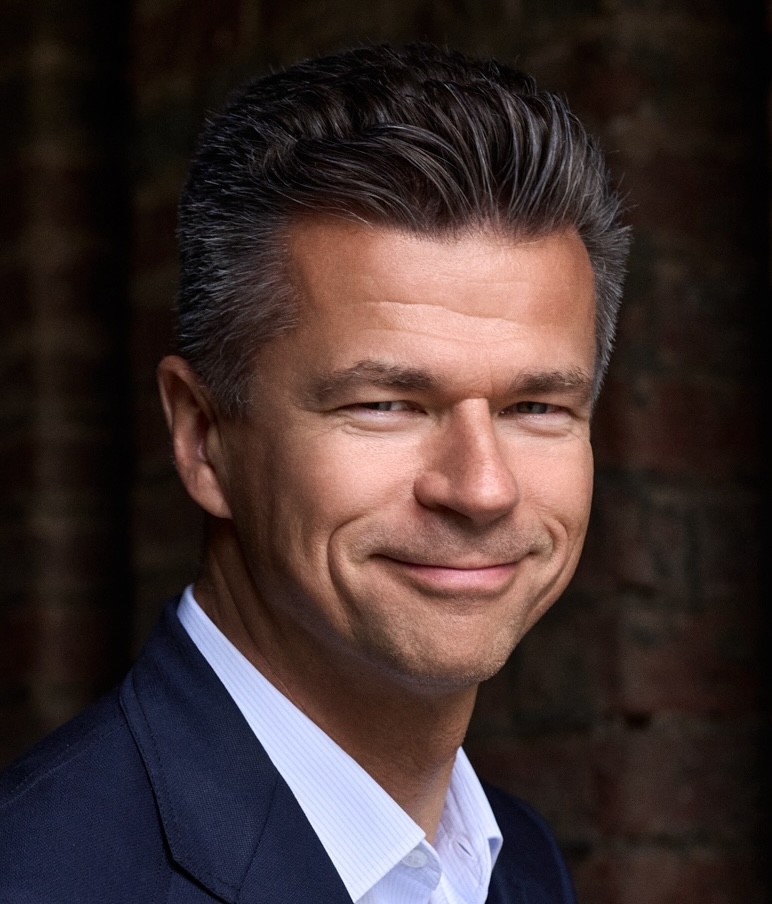
Martin Vohánka
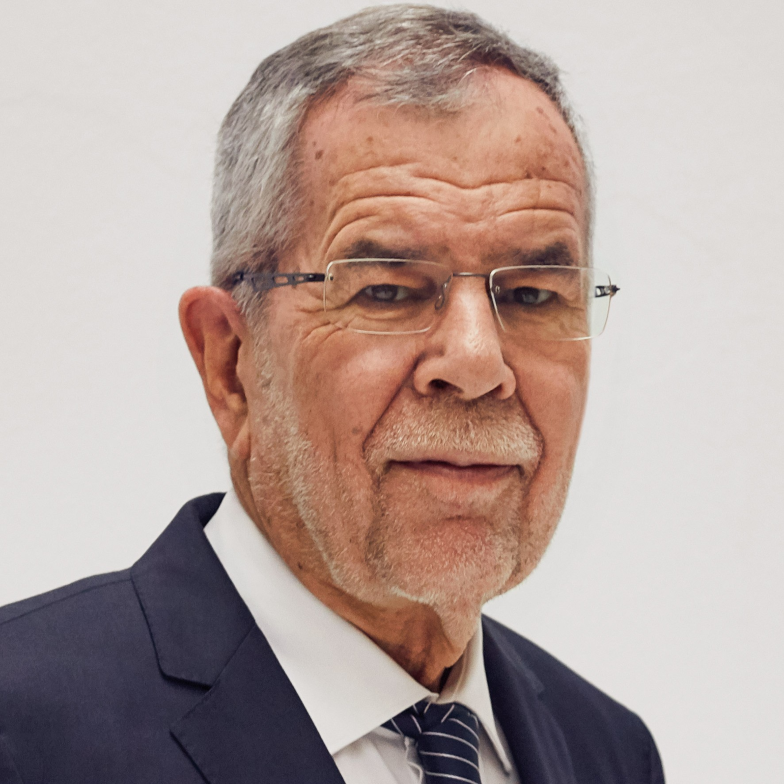
Alexander Van der Bellen
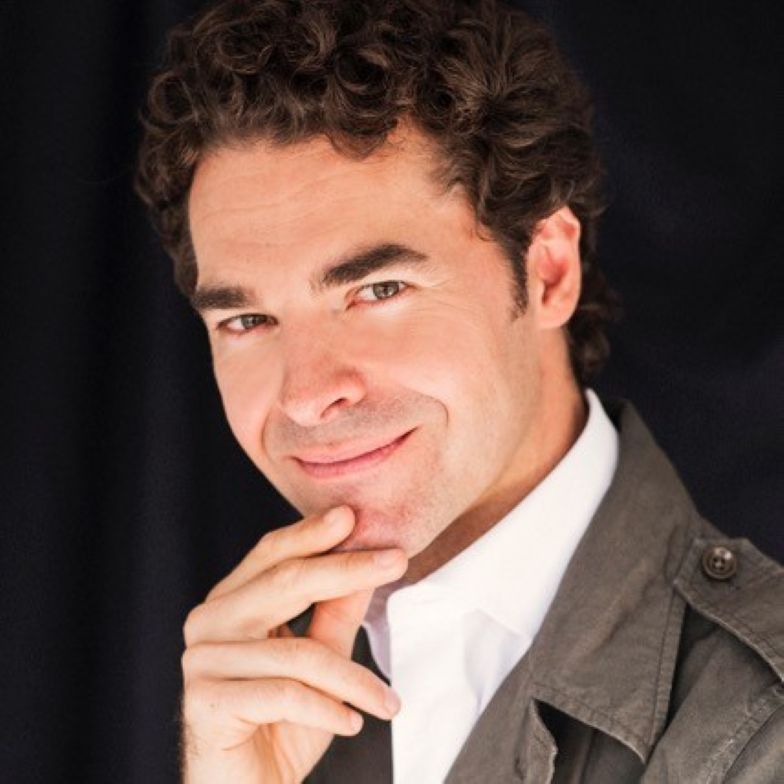
Alberto Alemanno
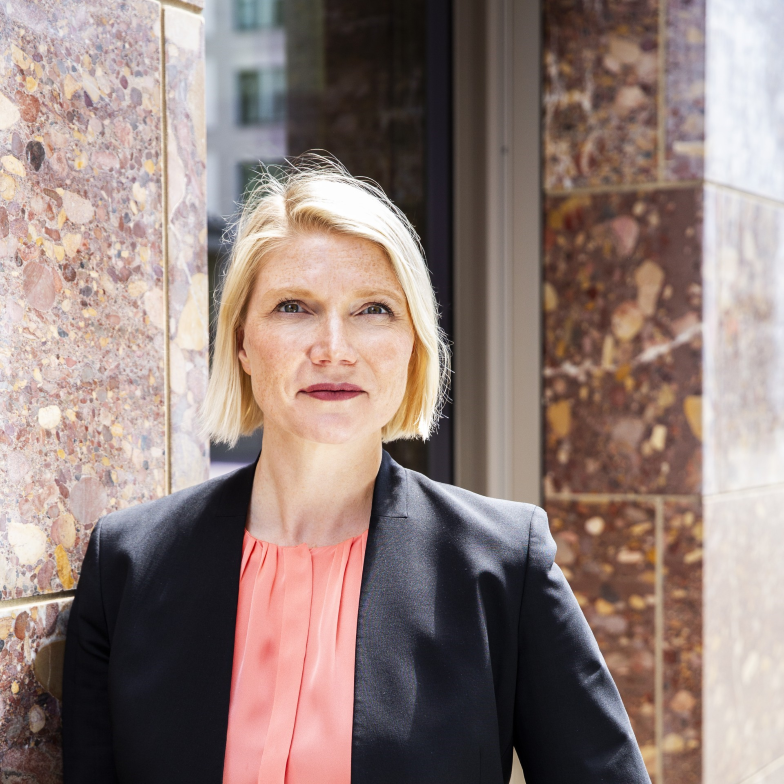
Cathryn Clüver Ashbrook
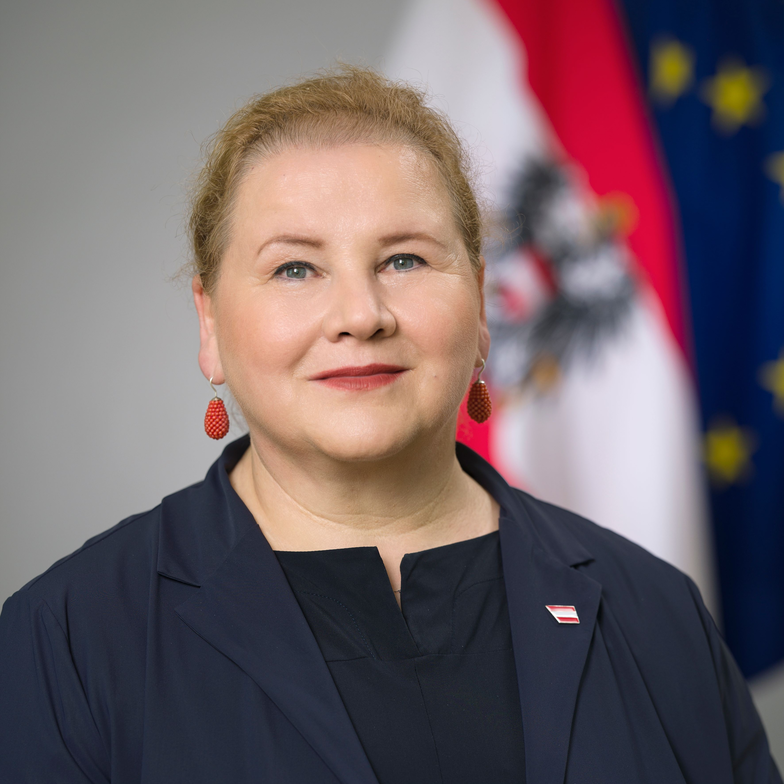
Korinna Schumann
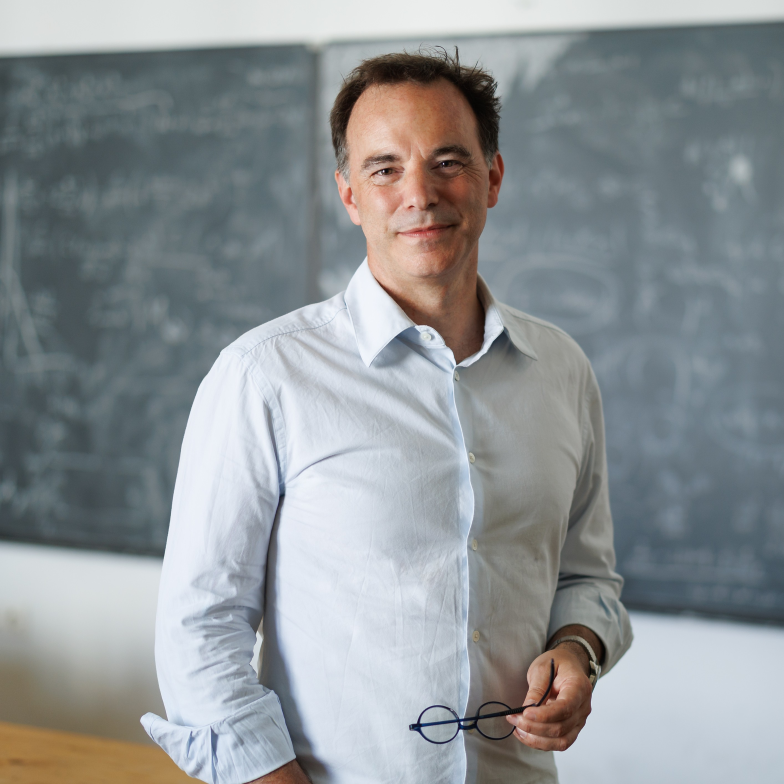
Markus Aspelmeyer
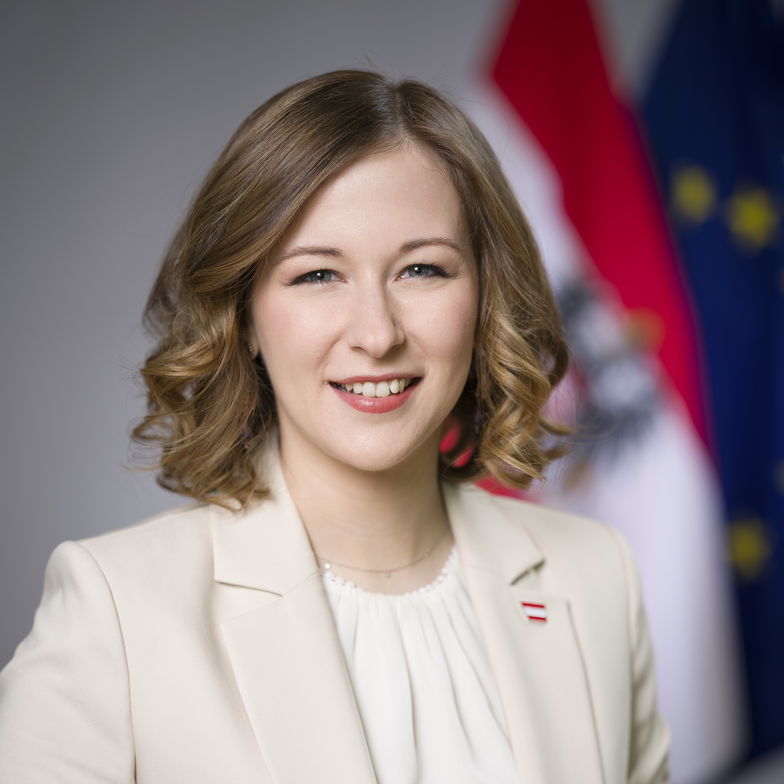
Claudia Bauer (fmr. Plakolm)
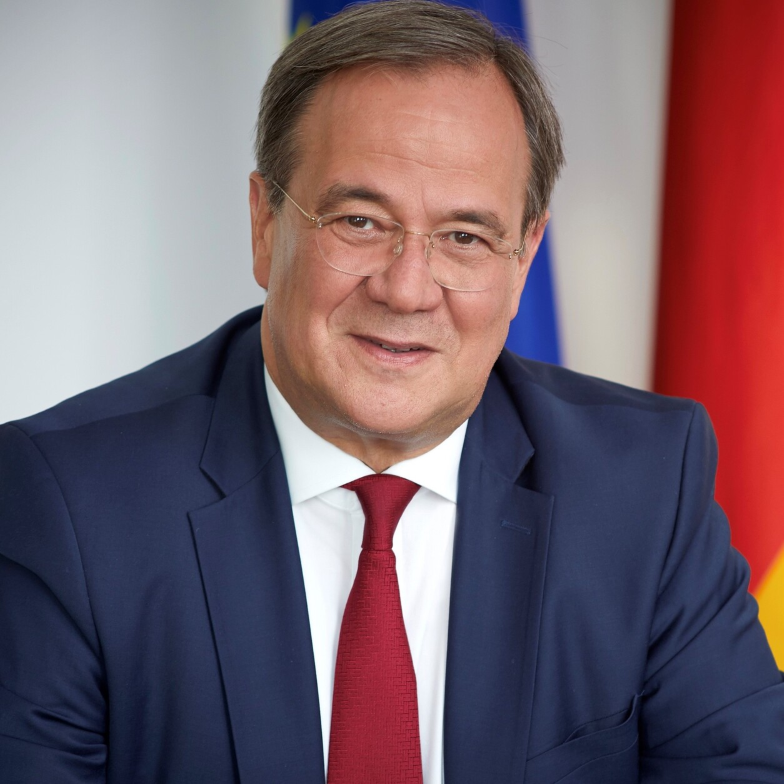
Armin Laschet
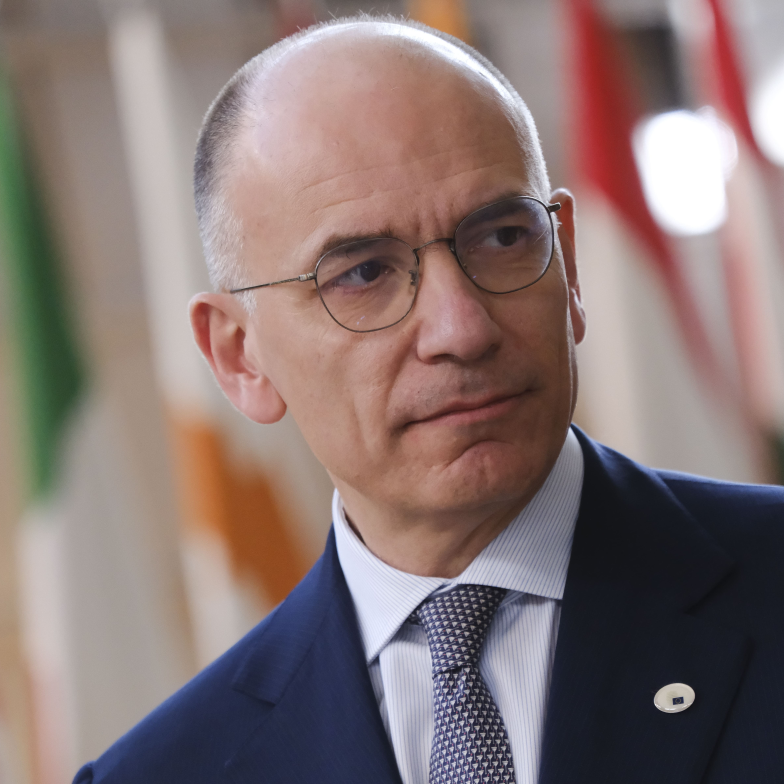
Enrico Letta
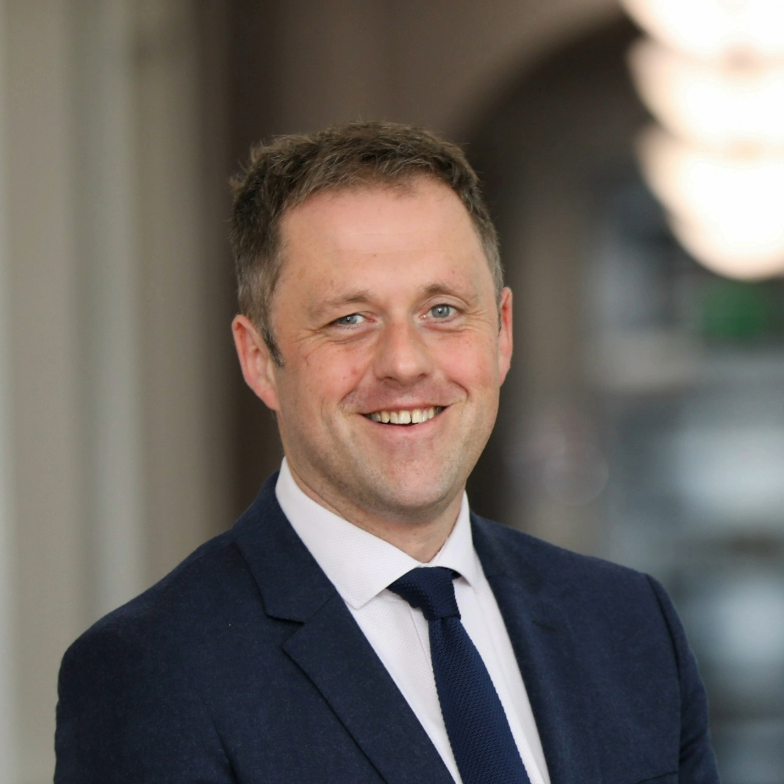
Thomas Byrne
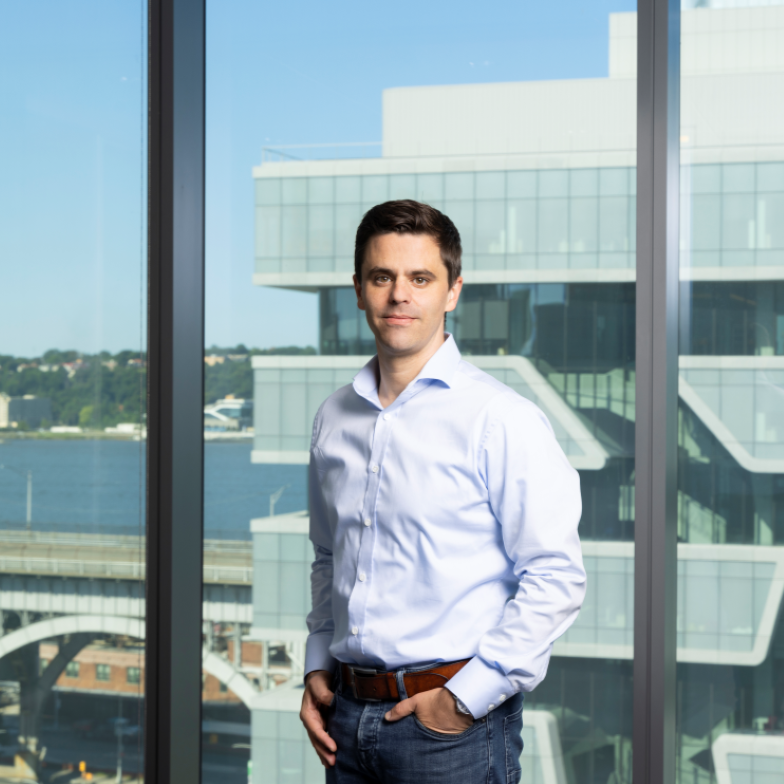
Gernot Wagner
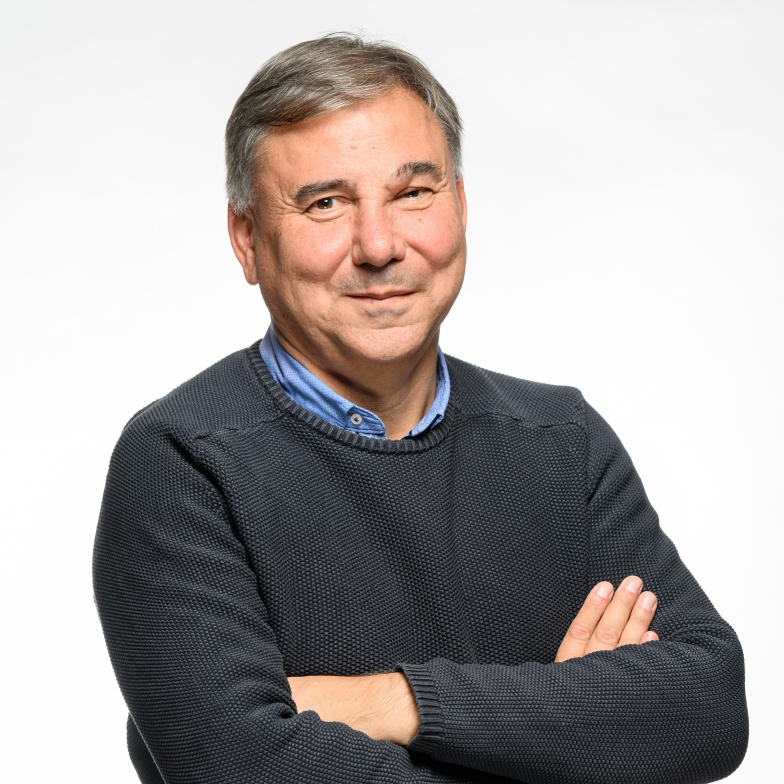
Ivan Krastev
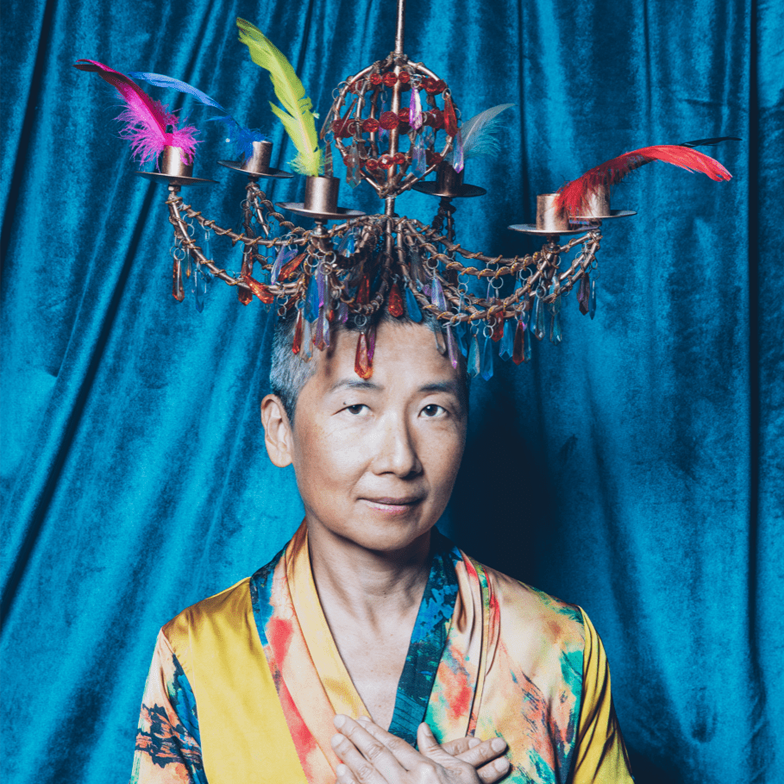
Iara Lee
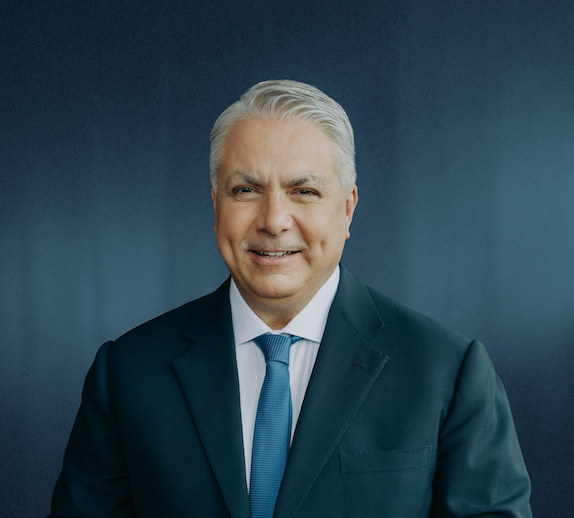
Peter Bosek
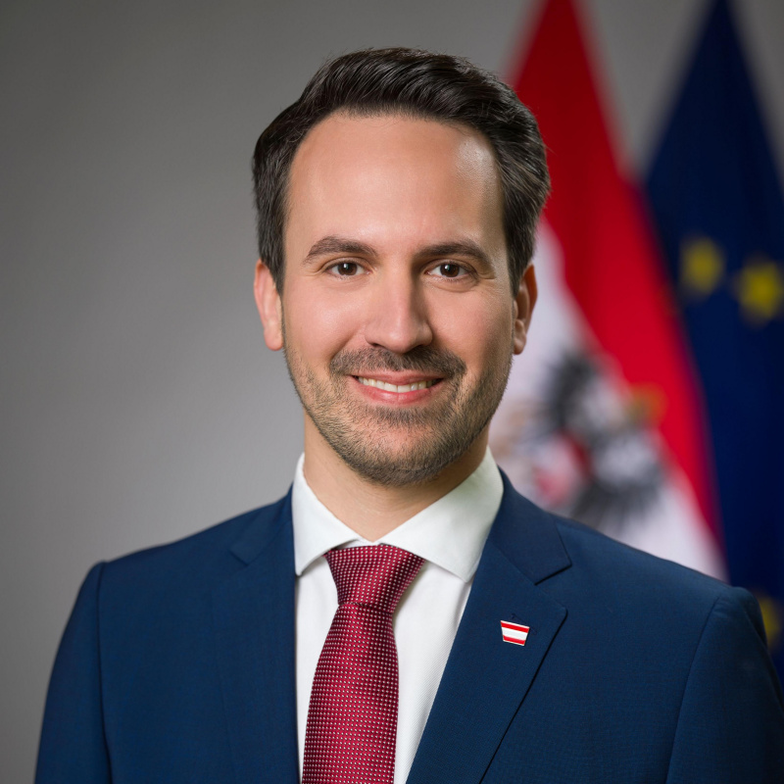
Christoph Wiederkehr
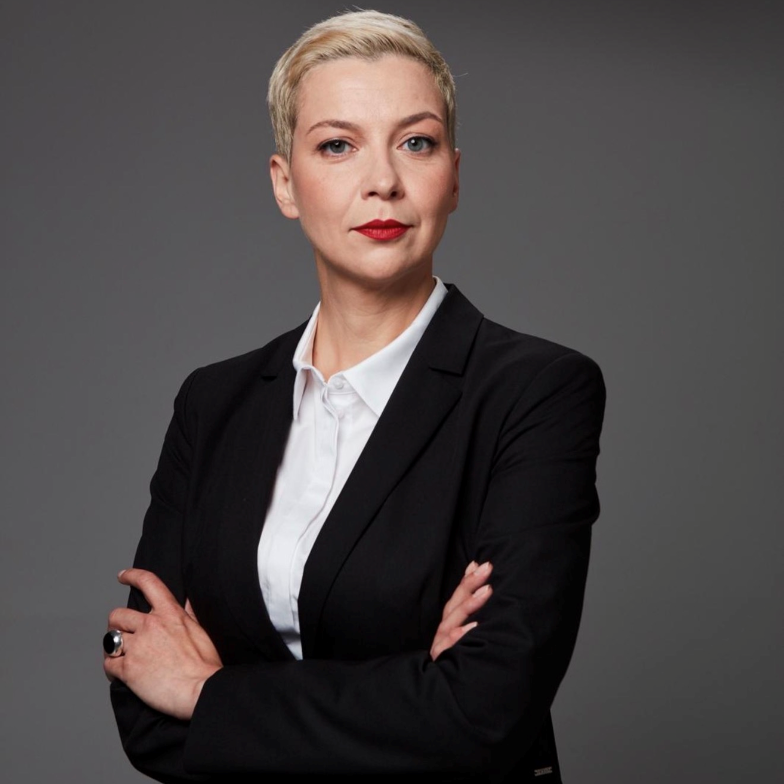
Maria Kalesnikava
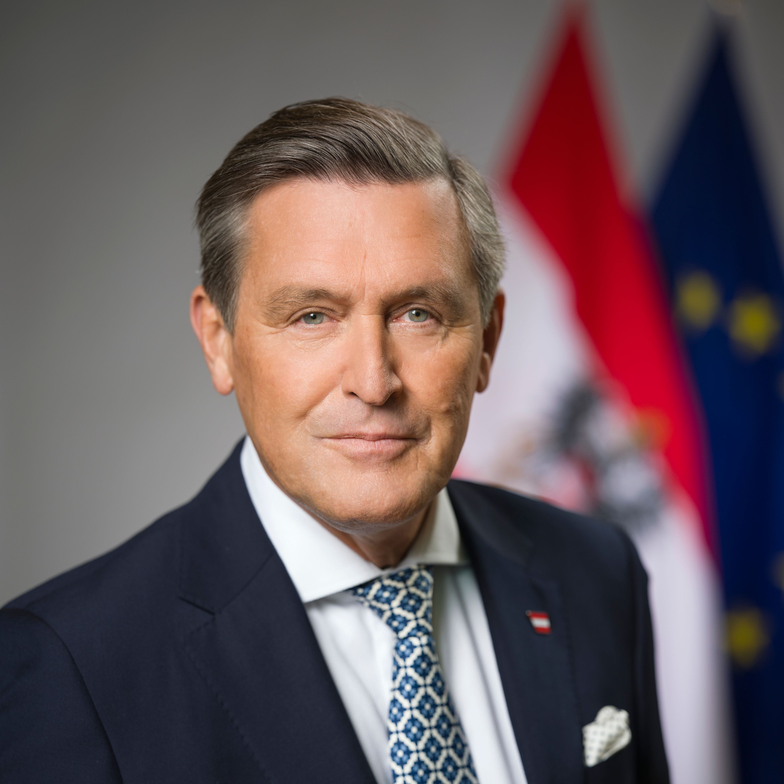
Peter Hanke
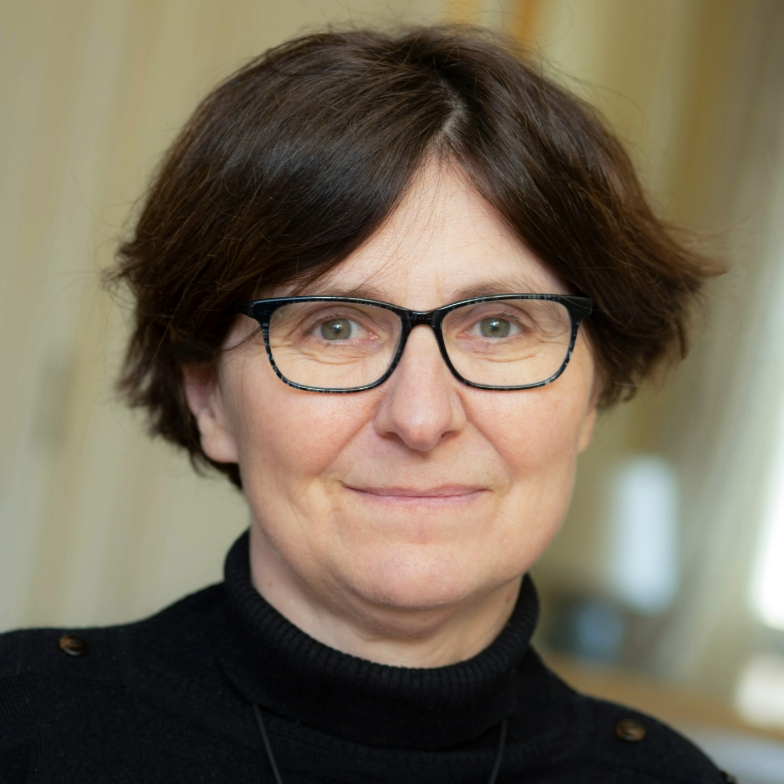
Agnès Bénassy-Quéré
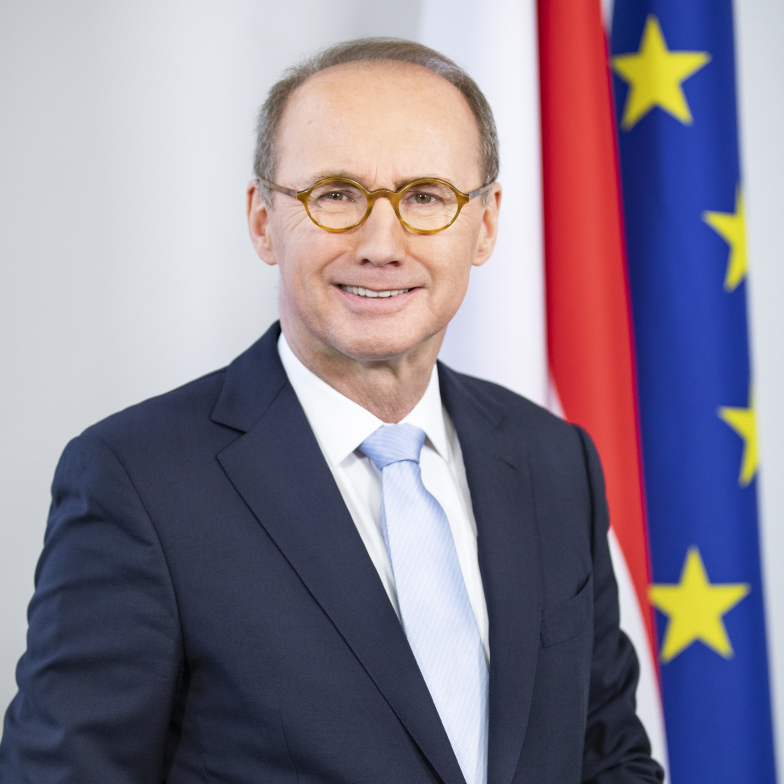
Othmar Karas
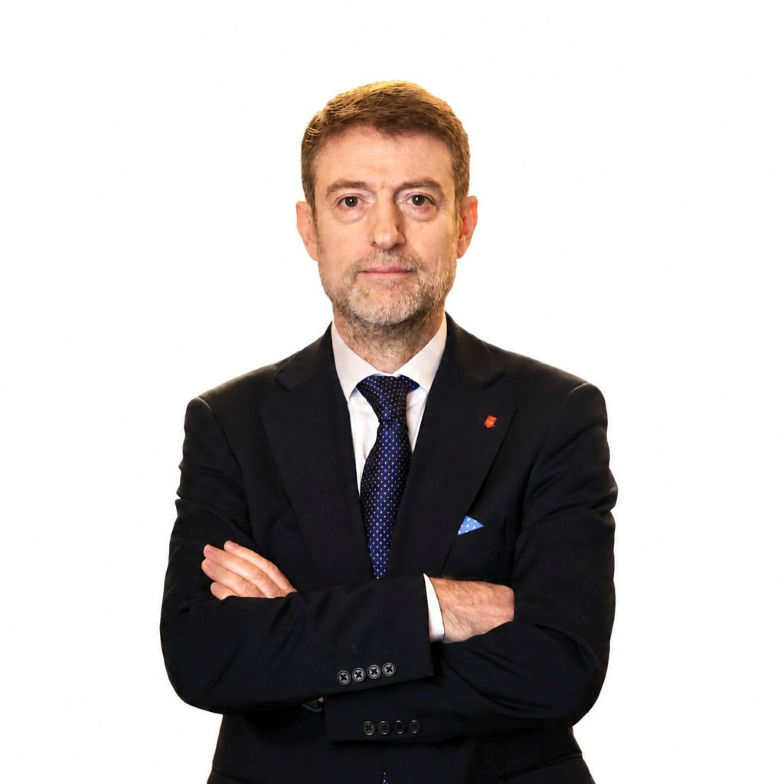
Ferit Hoxha
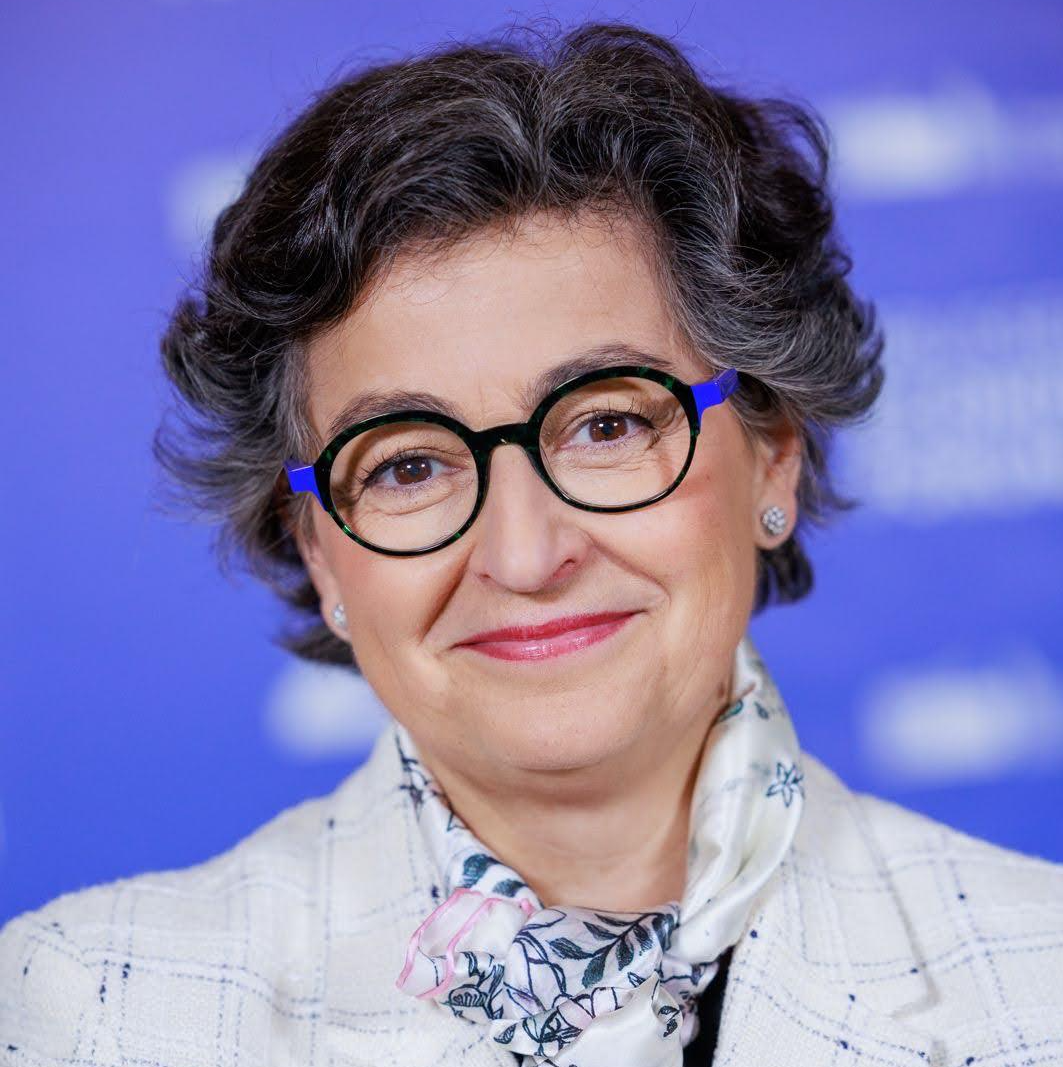
Arancha González Laya
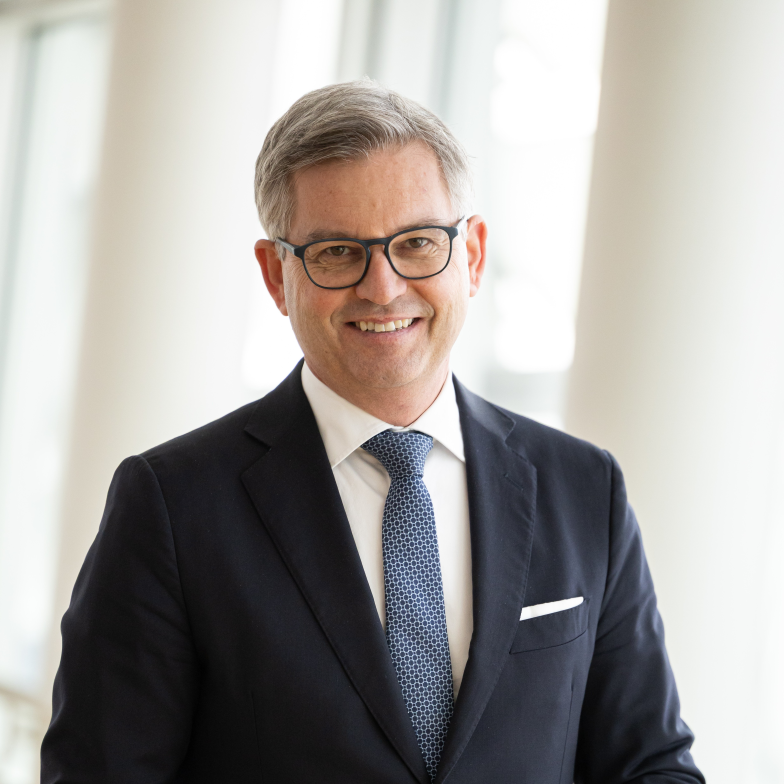
Magnus Brunner
Programme
All times in CEST
Evening
Evening
Welcome of Scholarship Holders
The European Forum Alpbach 2026 kick-off for scholarship holders and participants of the Alpbach Academy Days: Meet your peers, and inform yourself about everything you need to know to successfully navigate through the days ahead.
18:00
-
19:30
Welcome of Scholarship Holders
+1
ART
CLI
DEM
FIN
SEC
Content
Scavenger Hunt
Discover Alpbach together! Join a scavenger hunt in groups of up to ten and take on a shared challenge along the way. Creative and humorous answers are highly encouraged – the most original contributions will be showcased during the International Evening. //INFO: The scavenger hunt should not take more than an hour. It will start after the welcome drinks reception at the Otto-Molden-Foyer.
20:00
-
21:00
Scavenger Hunt
Network
Welcome to EFA26!
Letting go after the formalities! You’ve gotten to know a bit of Alpbach and made some new friends; now it’s time to break the ice with hundreds of new friends from around the world. Music, drinks, and food will liven up the occasion.
21:00
-
22:00
Welcome to EFA26!
Network
Early morning
Early morning
Morning
Morning
Examining EU Security: Shaping Europe’s Next Security Strategy
Europe's security landscape is changing rapidly, existing strategies no longer reflect today's geopolitical realities. In this Studio, participants will analyse what is needed for Europe to remain relevant, develop their priorities as future leaders as an input for a renewed EU Security Strategy in formulating concrete policy proposals. If you are ready to think outside the box, you have found your event.
09:30
-
12:30
Examining EU Security: Shaping Europe’s Next Security Strategy
+1
STU
Content
Geoeconomics and International Trade Policy
The rules-based international order is under pressure: protectionism and the strategic use of economic policy instruments are reshaping global politics and trade. This seminar explores the rise of geo-economics and examines how states use economic tools to pursue political objectives. Participants will discuss the implications for Europe’s open and interconnected economy.
09:30
-
12:30
Geoeconomics and International Trade Policy
+1
FIN
SEM
Content
A New Intergenerational Contract: Whose Future Is It Anyway?
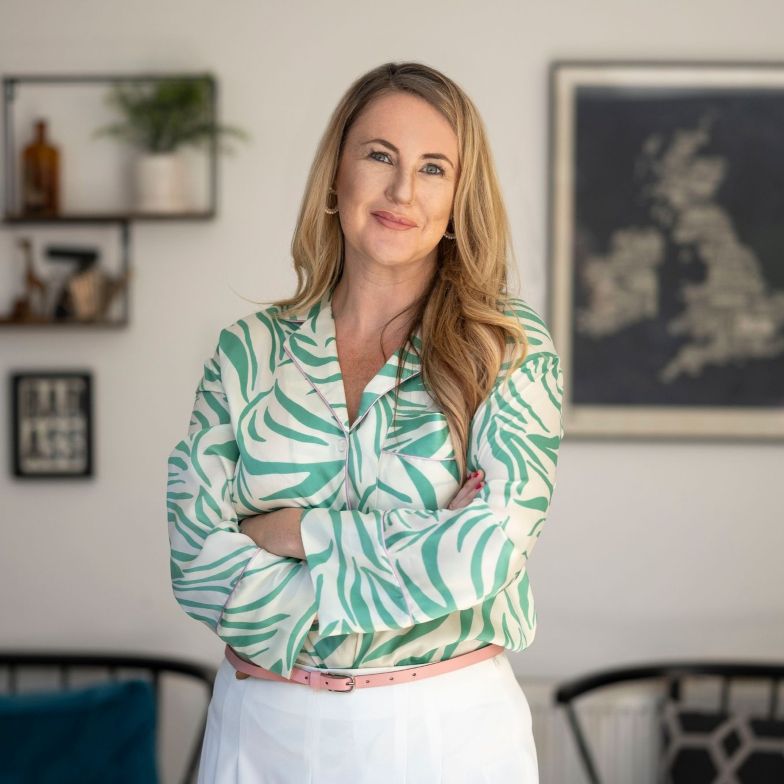
Our systems are failing future generations, by design, not accident. This seminar confronts uncomfortable truths about power, privilege, and short-termism, asking what it means to act with intergenerational justice in mind. Rooted in scholarship on provoking consciousness and action, the seminar challenges assumptions that keep unjust systems in place. You will leave with a concrete plan to advance justice where you have the greatest influence.
09:30
-
12:30
A New Intergenerational Contract: Whose Future Is It Anyway?
+1
DEM
SEM
Content
Is Victory Possible in the 21st Century?
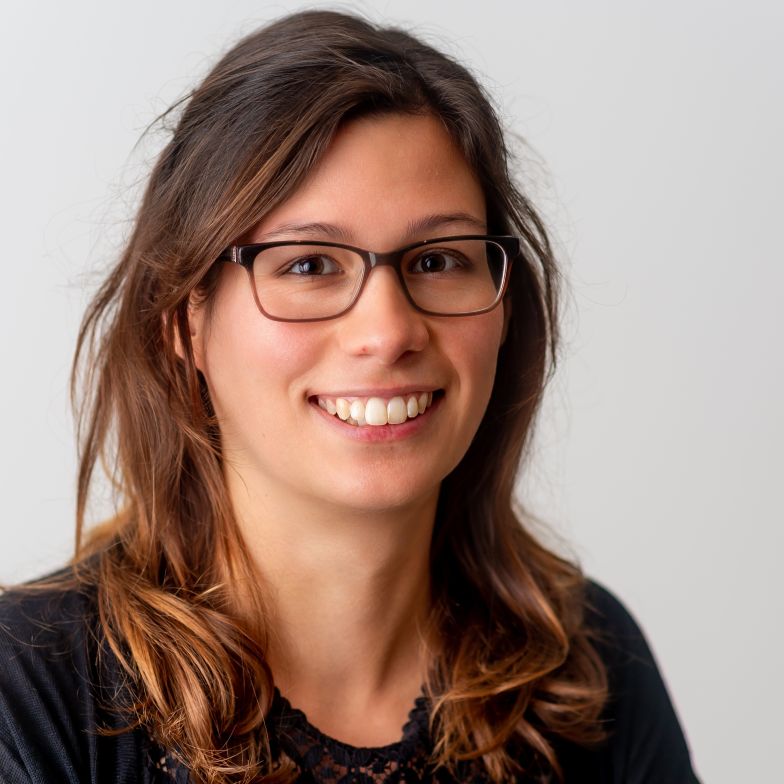
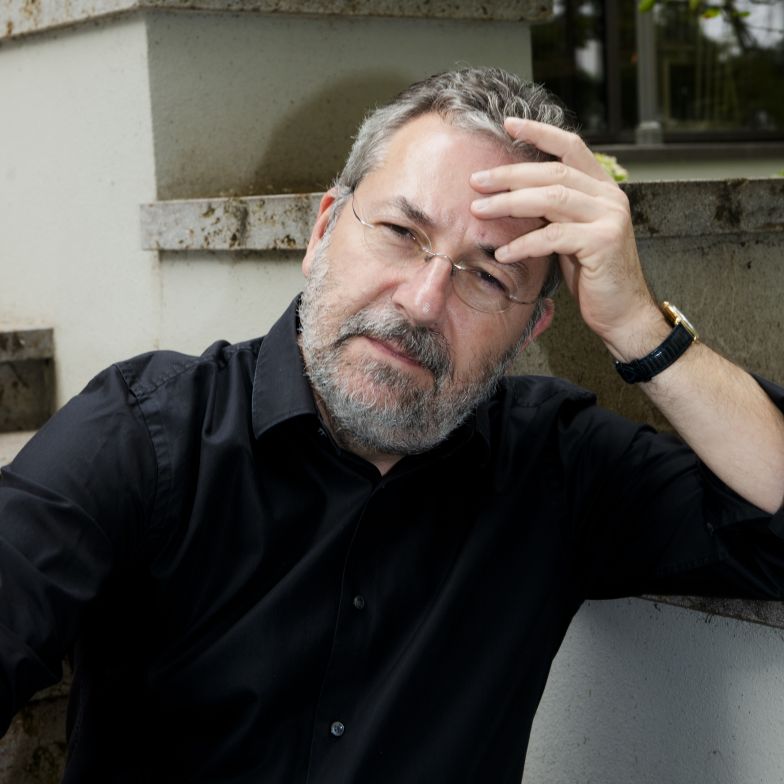
What does it mean to win? At what costs may victory be achieved? Are the antagonistic and violent practices and narratives of war and victory reconcilable with a sustainable peace? This seminar critically explores the concept of victory from Antiquity to today and specifically looks at the idea of victory in war. By incorporating moral, political, and cultural considerations, victory in the 21st century is reimagined.
09:30
-
12:30
Is Victory Possible in the 21st Century?
+1
SEC
SEM
Content
Digital Sovereignty: Why Europe Needs It and How It Can Get It
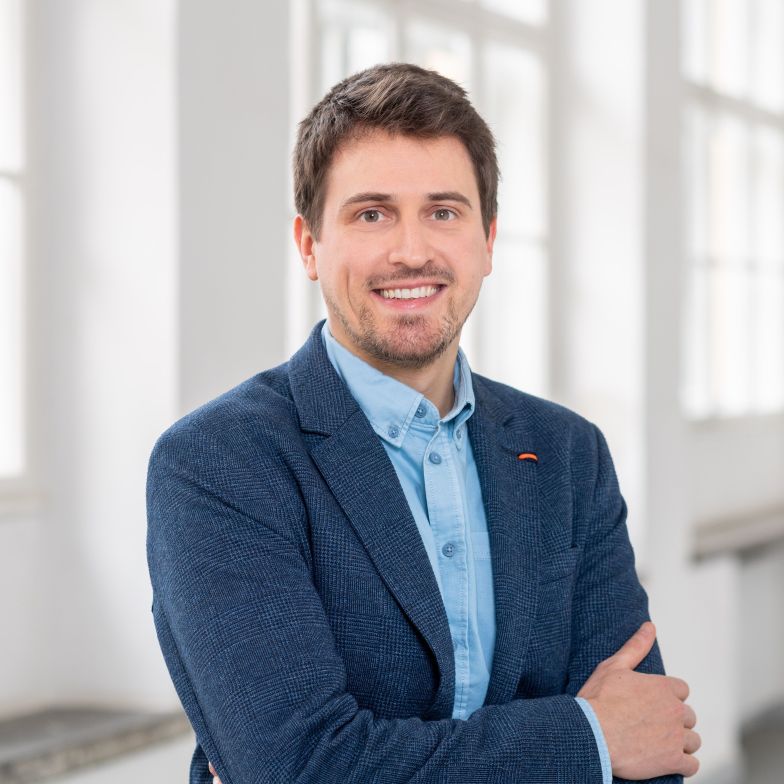
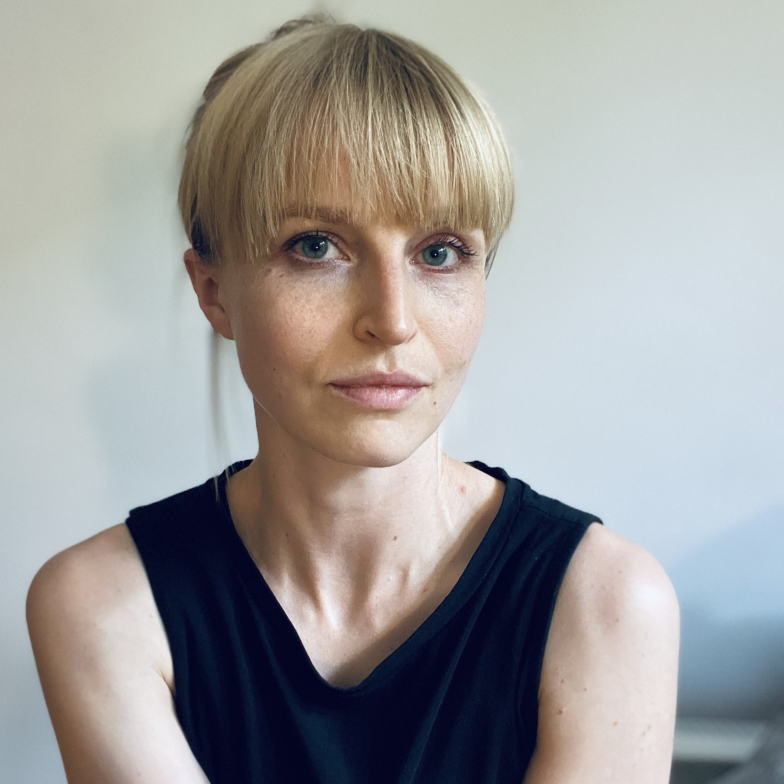
If digital sovereignty is about the ability to say ‘yes’ to a digital future that aligns with one’s interests and values – and ‘no’ to a future that doesn’t – Europe currently lacks it. In this workshop, we examine why this is the case and why it matters, what can and what should be done about it, and which policies and politics can get Europe there.
09:30
-
12:30
Digital Sovereignty: Why Europe Needs It and How It Can Get It
+1
DEM
SEM
Content
Hope and the Power to Shape our Future
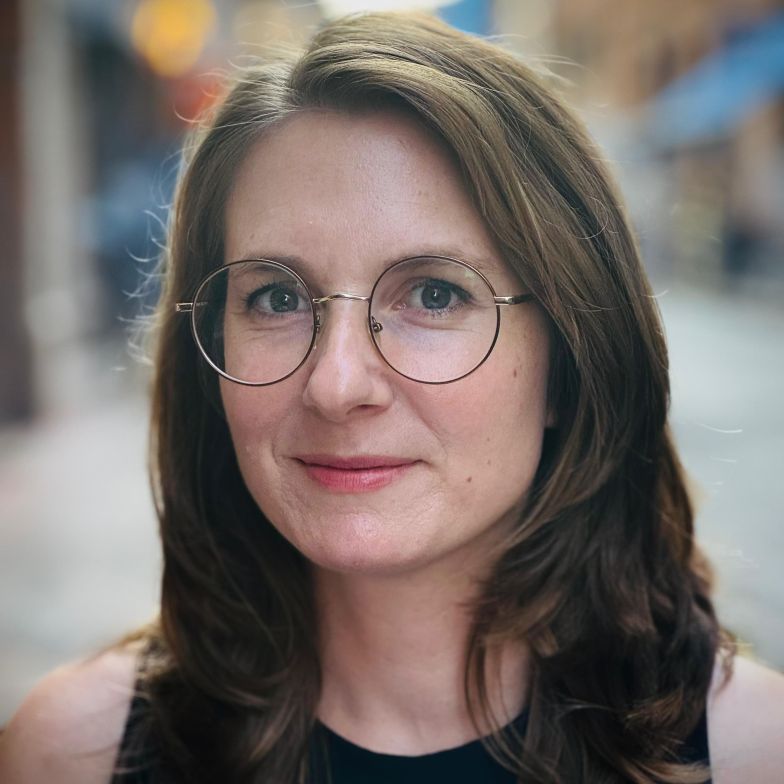
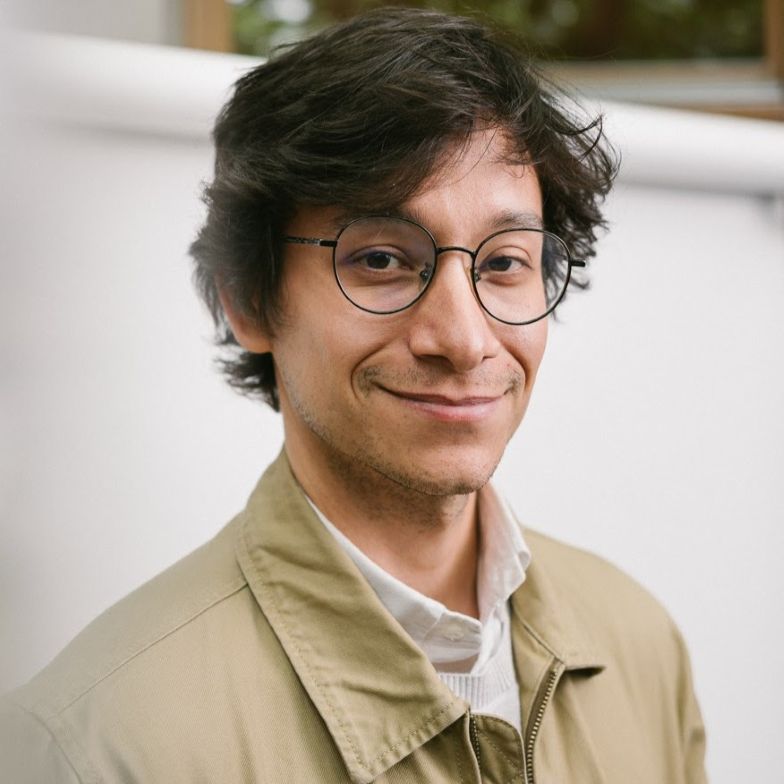
How do we find the will to act when things seem hopeless? Because we are agents who care, our relationship to the future is driven by emotions like hope, anxiety, and despair – not mere feelings, but evaluative states that orient us toward action. Drawing on philosophy and the science of emotion, this interactive seminar invites you to explore how to harness these emotions, individually and collectively, to bring about the futures you value.
09:30
-
12:30
Hope and the Power to Shape our Future
+1
SEM
Content
Science and Ethics
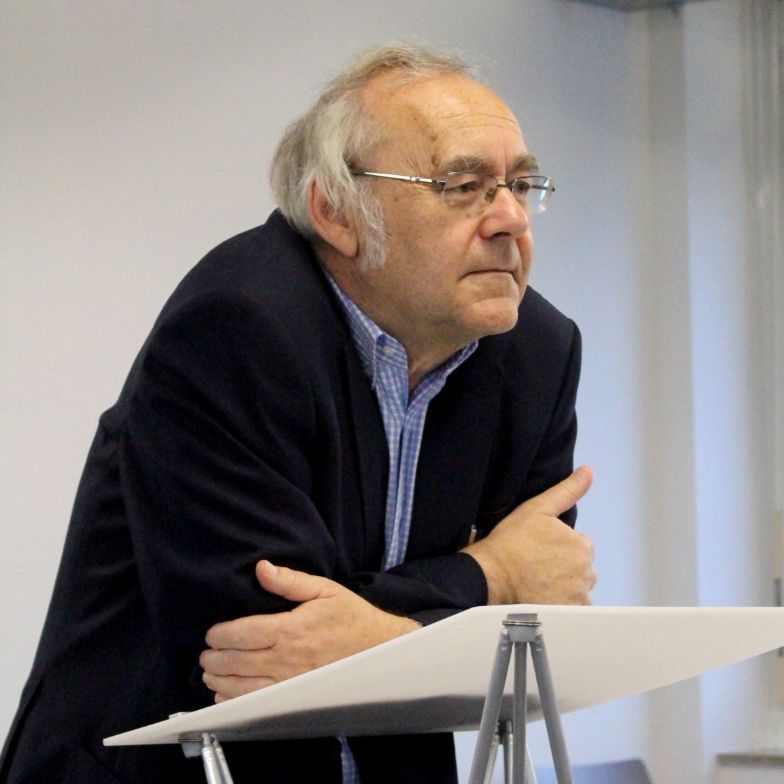
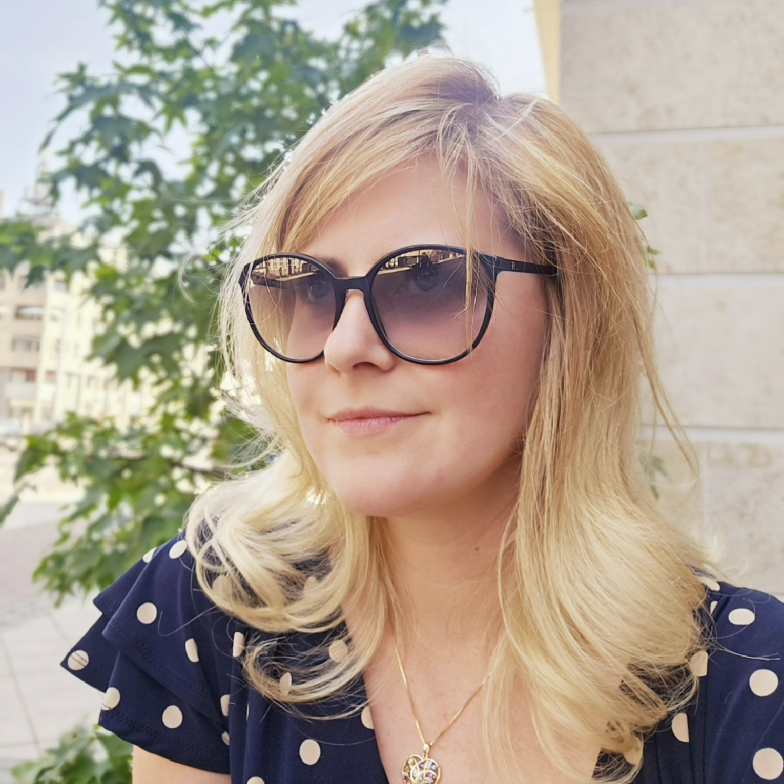
Can we separate science and ethics? Where do we draw the boundaries?? In Artificial Intelligence, fairness and accountability are inseparable from how systems learn and how they justify knowledge. Scientific choices are moral choices, and ethics depend on scientific assumptions. The seminar explores good scientific practice and scientific misconduct, including falsification and fraud in academic research.
09:30
-
12:30
Science and Ethics
+1
SEM
Content
Envisioning Europe’s Future Cities
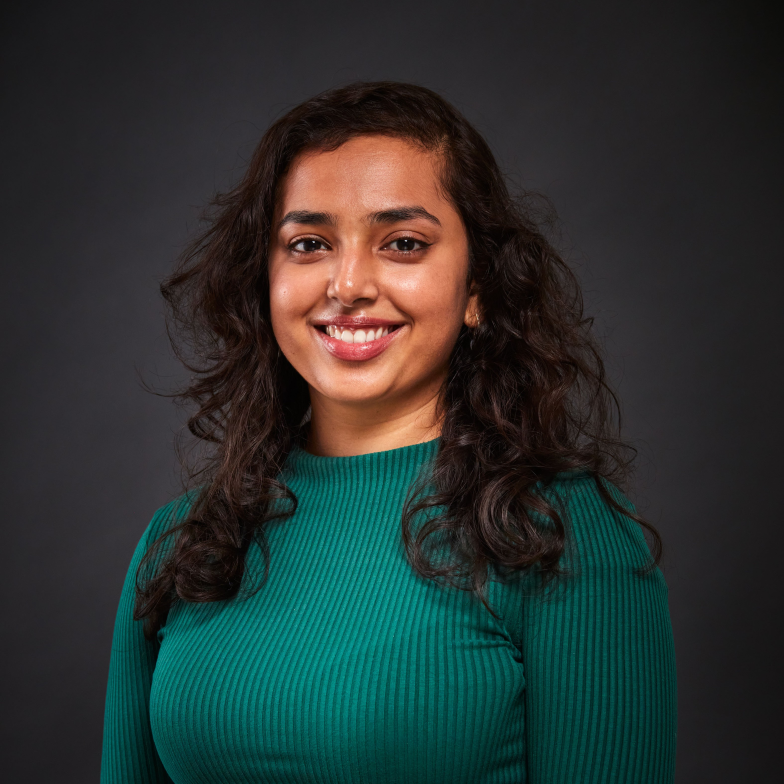

How can Europe’s cities become the places where transition is governed and the future is built? Europe has entered a new phase: climate collapse is no longer a distant risk, but a reality to be governed. This studio builds systems literacy, cross-disciplinary collaboration, and democratic imagination among young professionals. Participants leave with a deeper understanding to act as bridge-builders across sectors, borders, and generations. //INFO: Clothing and shoes for outdoor activities are recommended.
09:30
-
12:30
Envisioning Europe’s Future Cities
+1
STU
Content
One Health Studio: Sensing Future Potential and Identifying New Questions
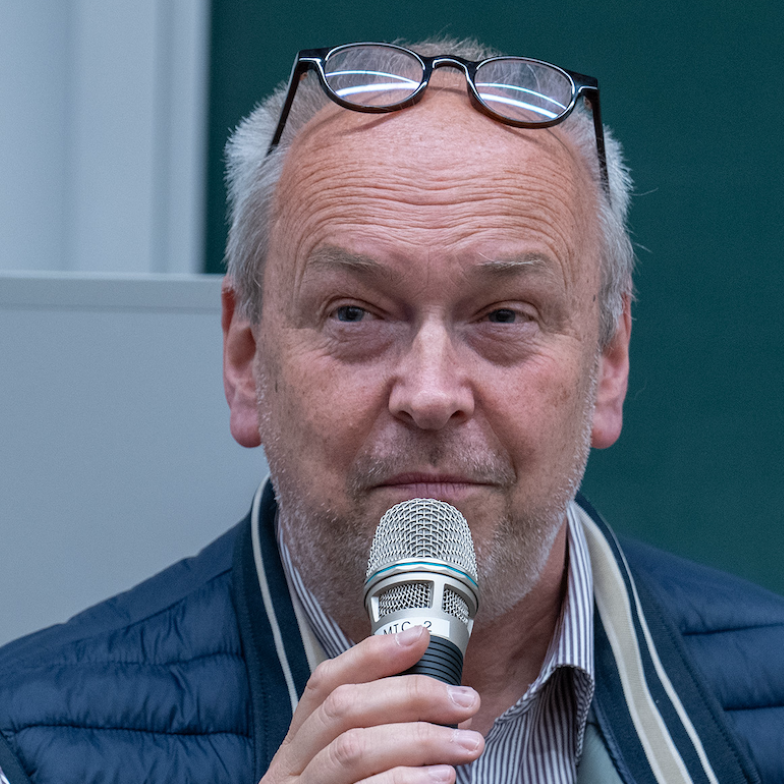
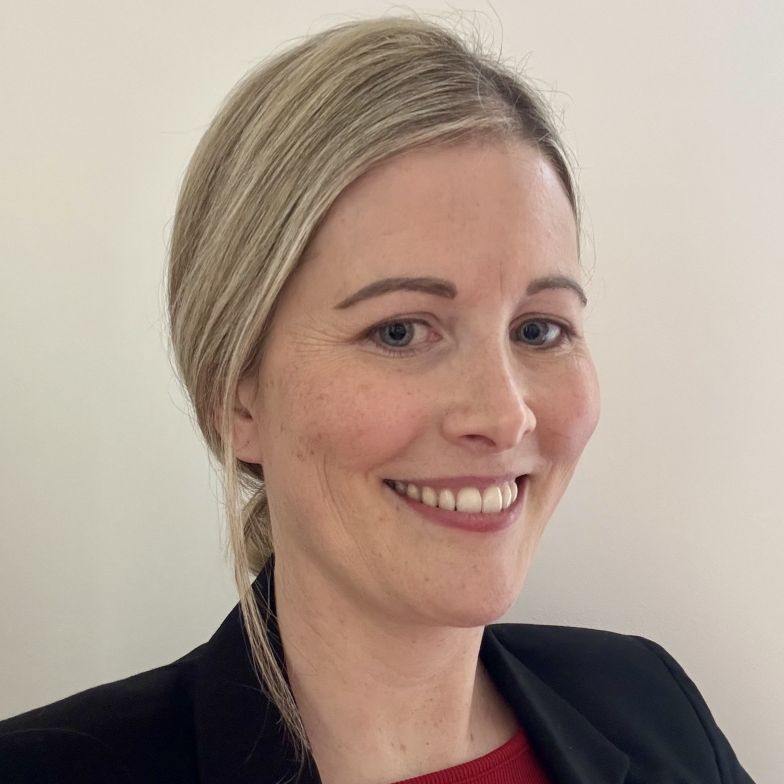
Global (One) Health demands more than incremental fixes. This studio shifts from reactive problem-solving to future-oriented innovation. Using sensing and reframing techniques, participants explore emerging potentials and questions in One Health. We challenge existing paradigms to co-create radical new questions and innovation pathways, equipping participants to proactively shape a resilient future. //INFO: Please make sure to bring your own laptop. If you do not have one, please contact the EFA-Team at seminars@alpbach.org
09:30
-
12:30
One Health Studio: Sensing Future Potential and Identifying New Questions
+1
STU
Content
Embodied Experiences of Democracy
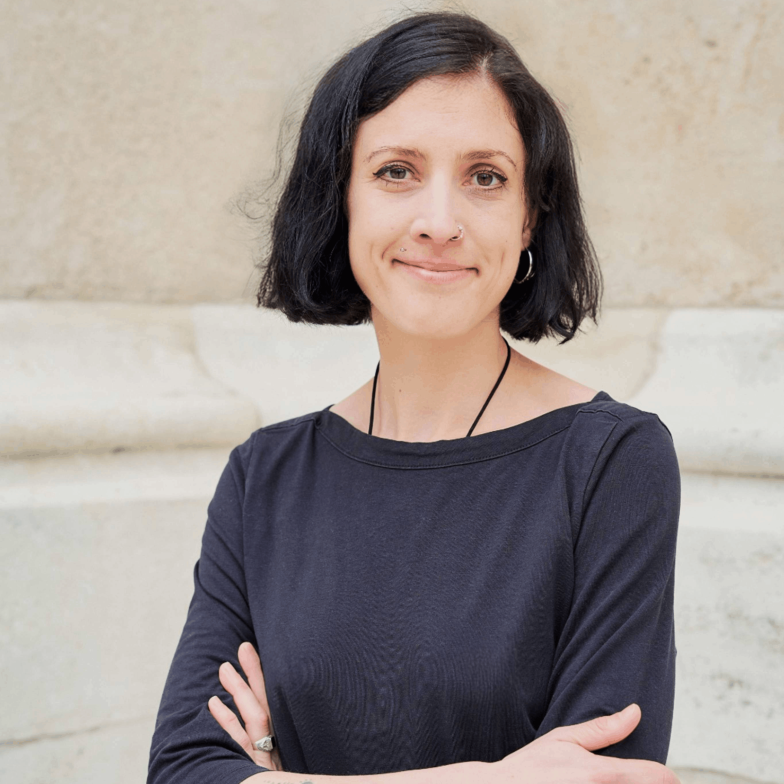
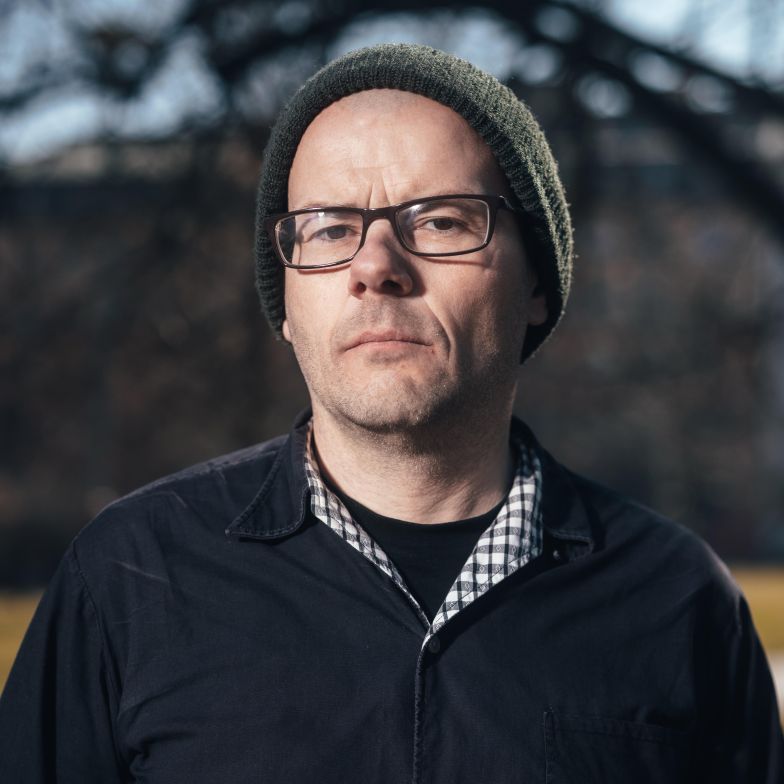
In this studio, participants explore the political dramaturgy of emotions – where theatre meets sociology. Emotions are movements, words, and gestures that shape how we live together. The ways we stand, speak, and relate enact democratic order. Conversely, emotions we suppress in public to sustain control can quietly erode democracy itself. //INFO: This project has received funding from the European Commission under the HORIZON Research and Innovation Actions Grant, No 101132327.
09:30
-
12:30
Embodied Experiences of Democracy
+1
STU
Content
Rethinking AI in Context: Health, Environmental Change and Sustainable Futures
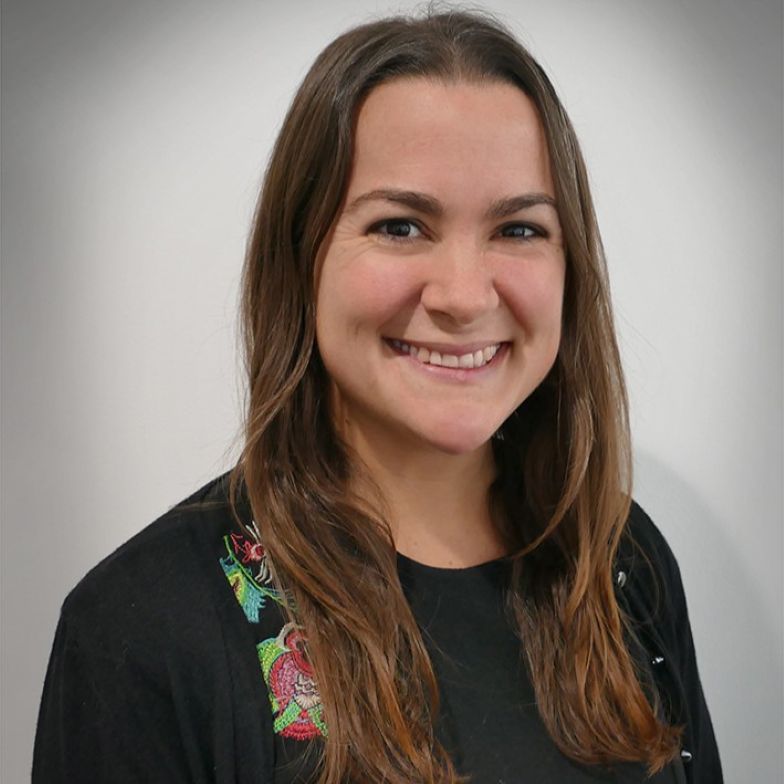
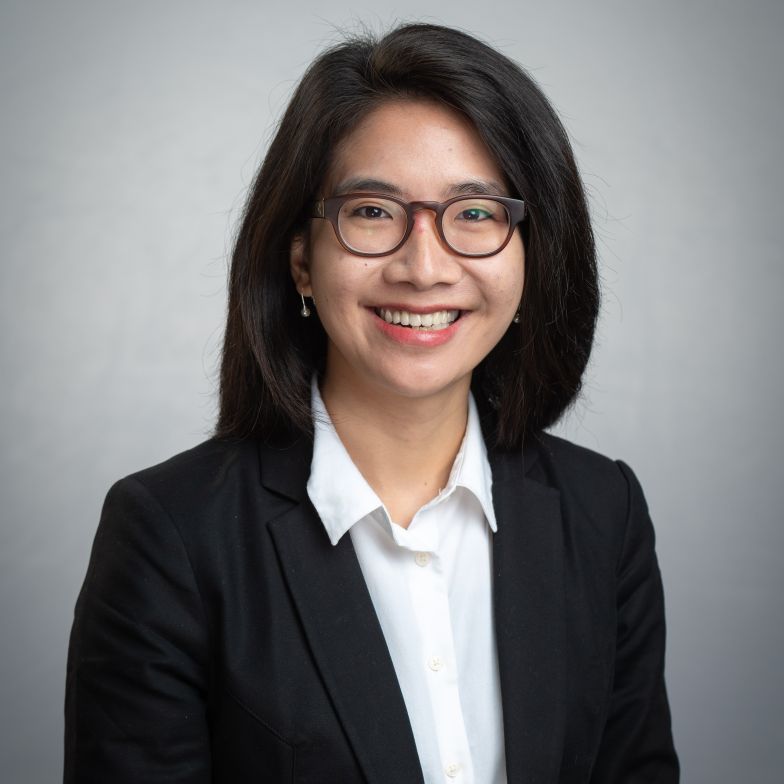
AI is reshaping health systems, environments, and societies, bringing opportunities and risks – but who decides how? Who benefits and who gets left behind? How do we plan for the sustainable use of AI? This interactive seminar equips participants to navigate the key debates around AI governance. Discussing foundational concepts, real-world risks, and governance frameworks, we build towards a shared vision of sustainable, equitable AI futures. //INFO: Please make sure to bring your own laptop. If you do not have one, please contact the EFA-Team at seminars@alpbach.org
09:30
-
12:30
Rethinking AI in Context: Health, Environmental Change and Sustainable Futures
+1
CLI
SEM
Content
Europe Breaks Free: Reconfiguring Dependencies
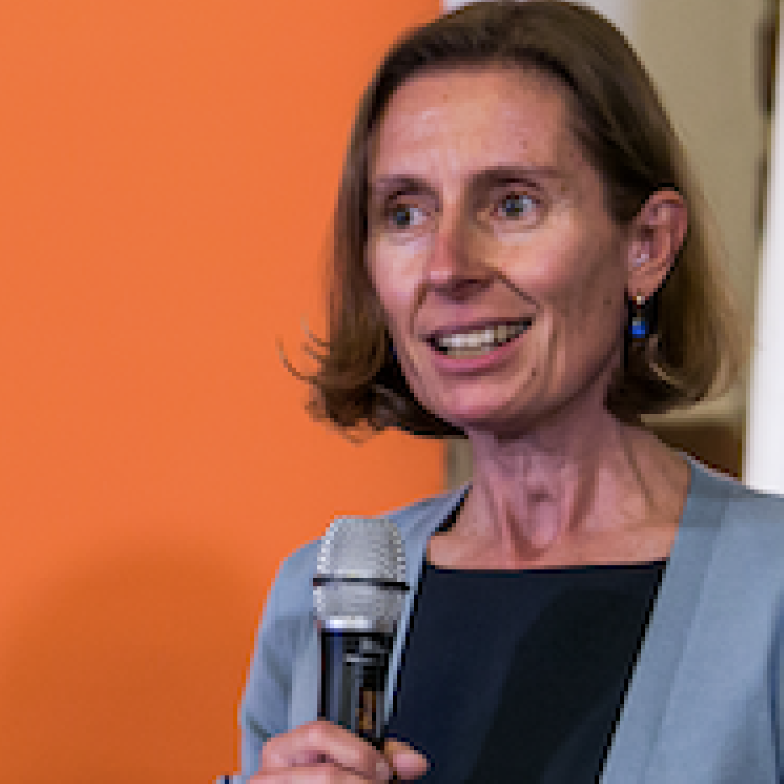
New forms of great power competition are reshaping the dependency calculus of every region. How can the EU and its global partners reconfigure such dependencies in a world shaped by US-China rivalry, Russian aggression, and the transactional dismantling of multilateralism?The seminar will tackle this question conceptually but also strategically, asking which dependencies to shed and which to deepen, and explore how to pursue genuine interdependence rather than the illusion of full independence.
09:30
-
12:30
Europe Breaks Free: Reconfiguring Dependencies
+1
SEC
SEM
Content
Financial Technology, Geopolitics, and Digital Sovereignty
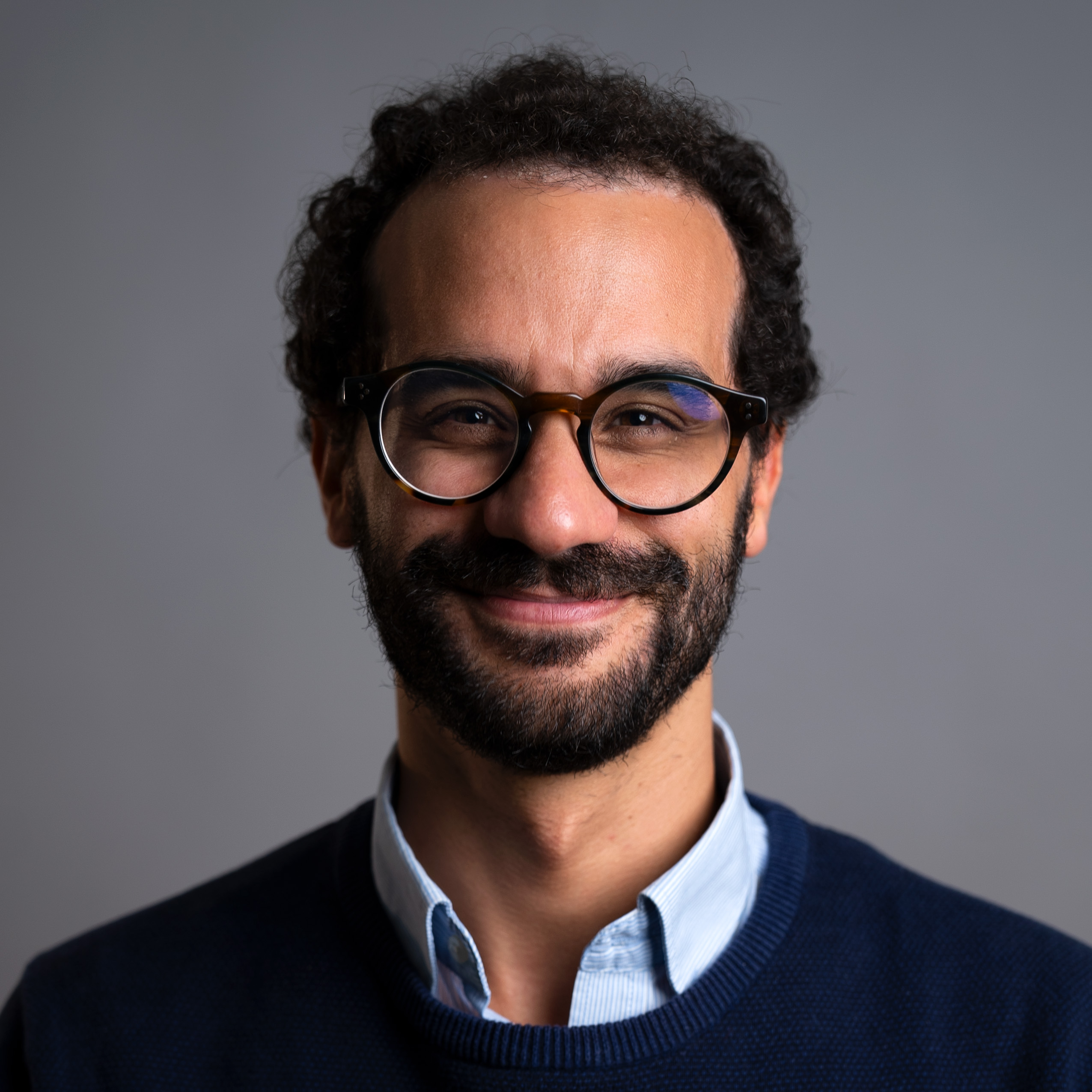
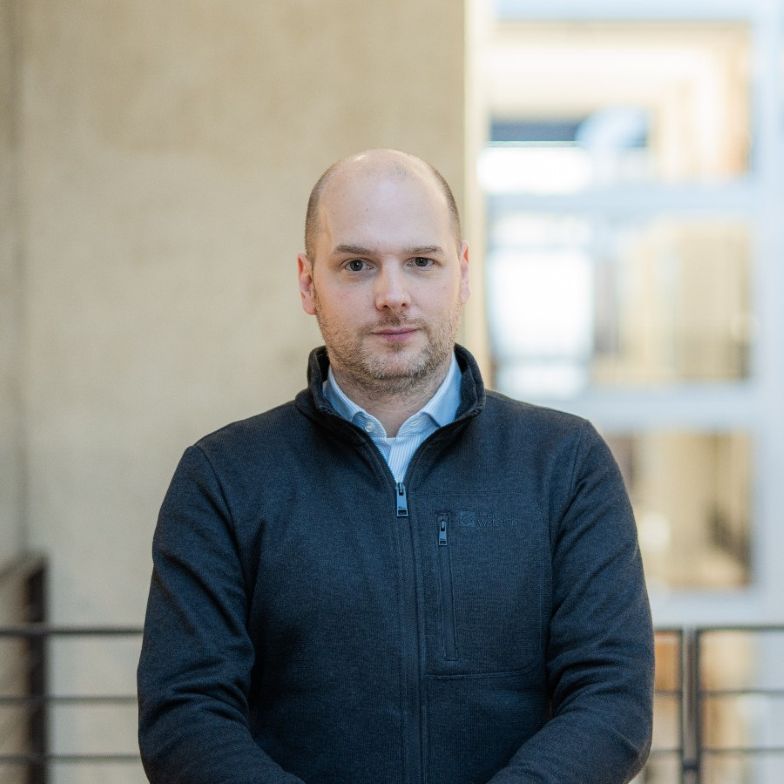
Financial technologies are reshaping how markets work and citizens access services – while redrawing the balance between public and private power, transforming how money is created, and opening new arenas of competition among states and between states and corporations. How can we ensure sovereignty, data control, and self-determination in this new world? Designed for non-experts, this seminar unpacks what is at stake for society and the world economy.
09:30
-
12:30
Financial Technology, Geopolitics, and Digital Sovereignty
+1
FIN
SEM
Content
Carbon Dioxide Removal from the Atmosphere: A Legal Perspective Beyond Net Zero

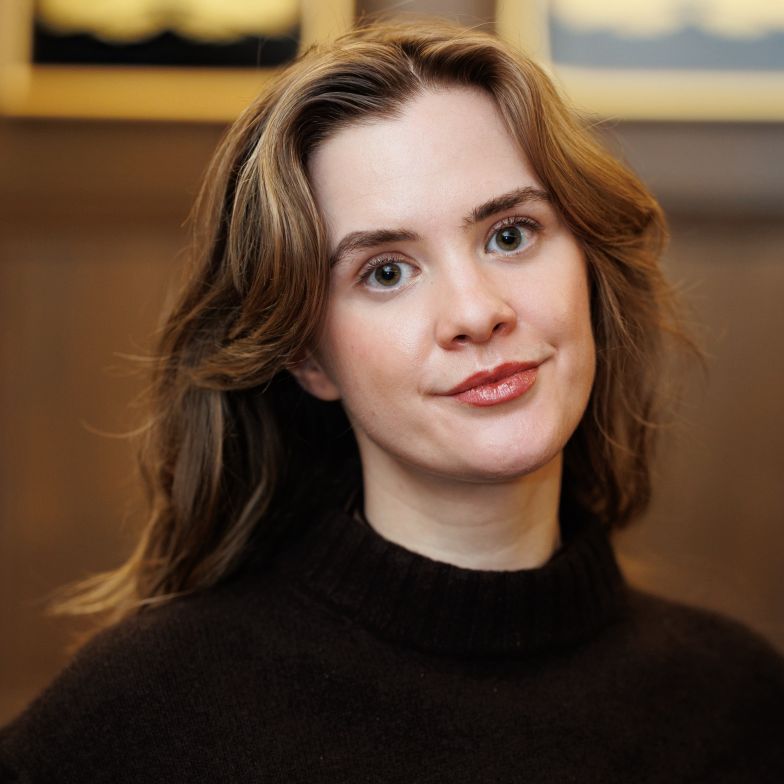
The world is on track to exceed 1.5 °C of warming. Climate stabilisation depends on both rapidly cutting emissions and removing carbon dioxide from the atmosphere at scale. Removals are therefore an essential climate action, yet often poorly understood. This seminar explores what carbon dioxide removal is and examines the legal challenges and opportunities of net-negative emissions in the EU and beyond. //INFO: Please make sure to bring your own laptop. If you do not have one, please contact the EFA-Team at seminars@alpbach.org
09:30
-
12:30
Carbon Dioxide Removal from the Atmosphere: A Legal Perspective Beyond Net Zero
+1
CLI
SEM
Content
Noon
Afternoon
Afternoon
Rewilding Environmental Practices
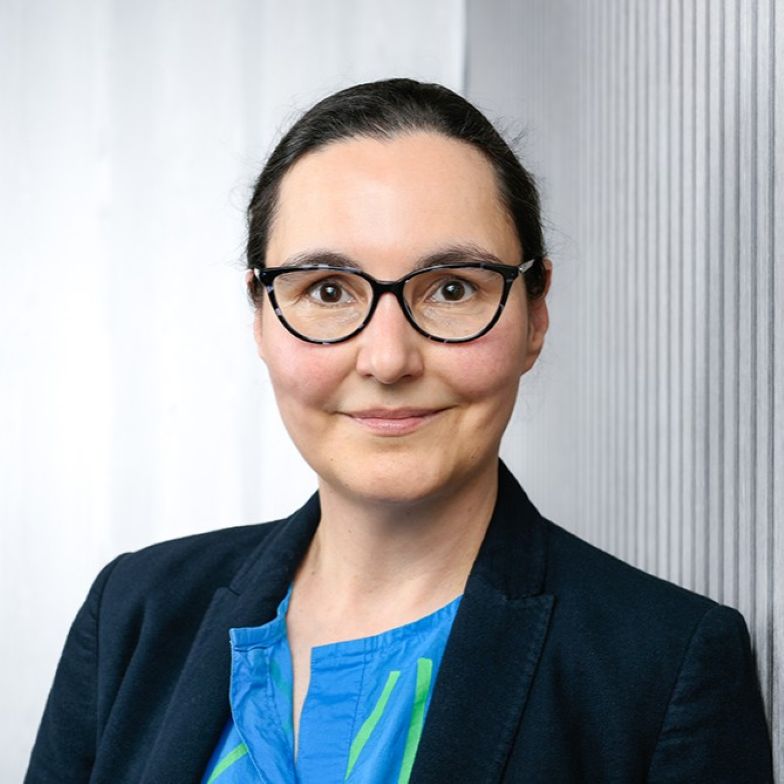
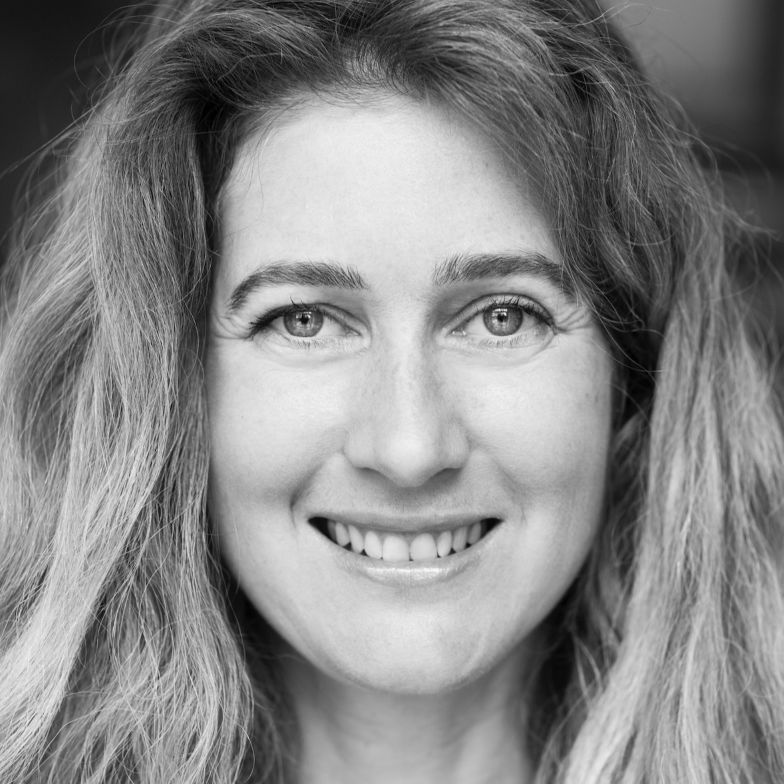
What if the future could be otherwise? This seminar explores imaginative agency through lateral thinking: taking detours, embracing surprise, and making the familiar strange. We will read and discuss texts, walkthrough the forest, observe, photograph, draw, write, cut, paste, and map. Together, we will create a collective utopian map of futures that do not yet exist - but perhaps could.
15:00
-
18:00
Rewilding Environmental Practices
+1
ART
SEM
Content
Examining EU Security: Shaping Europe’s Next Security Strategy
Europe's security landscape is changing rapidly, existing strategies no longer reflect today's geopolitical realities. In this Studio, participants will analyse what is needed for Europe to remain relevant, develop their priorities as future leaders as an input for a renewed EU Security Strategy in formulating concrete policy proposals. If you are ready to think outside the box, you have found your event.
15:00
-
18:00
Examining EU Security: Shaping Europe’s Next Security Strategy
+1
STU
Content
Work Like a Policy Entrepreneur: Turn Moral Ambition into Large Societal Change
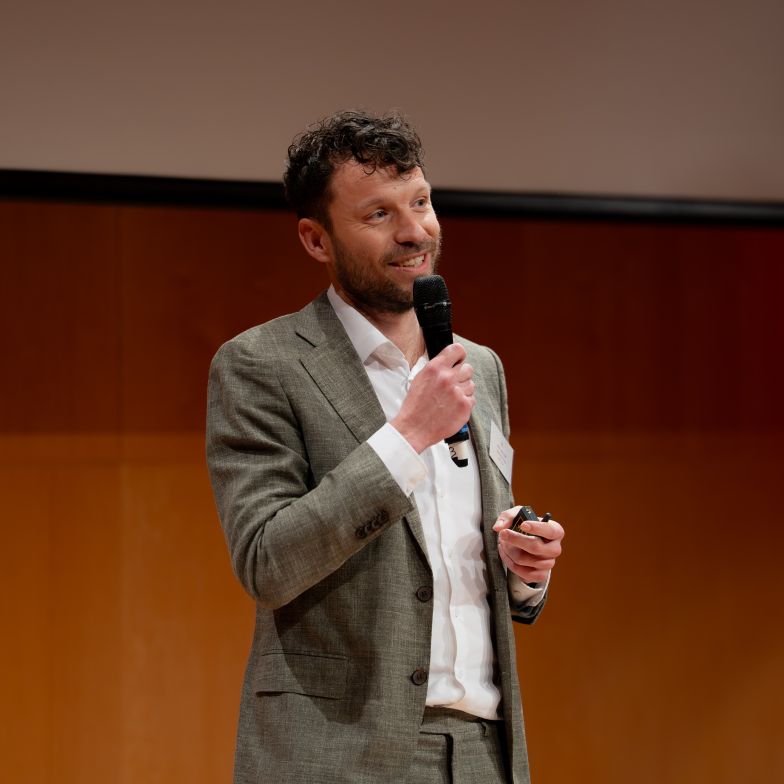
Most people who want to change the world start from a cause they love and a set solution in mind. Policy entrepreneurs ask first: which problem actually needs me and how can I make the most impact? Over five days you learn cause selection, counterfactual thinking, and coalition building, using real cases. You leave with your own theory of change and first steps to make the most impact possible. //INFO: Please make sure to bring your own laptop. If you do not have one, please contact the EFA-Team at seminars@alpbach.org
15:00
-
18:00
Work Like a Policy Entrepreneur: Turn Moral Ambition into Large Societal Change
DEM
SEM
Content
OPCON: An Outdoor-based Leadership Seminar
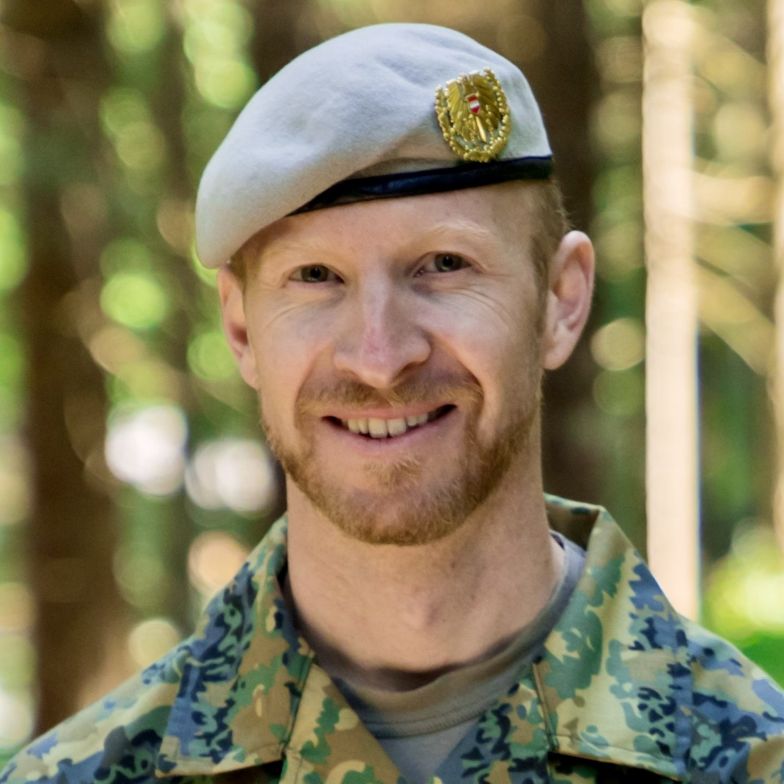
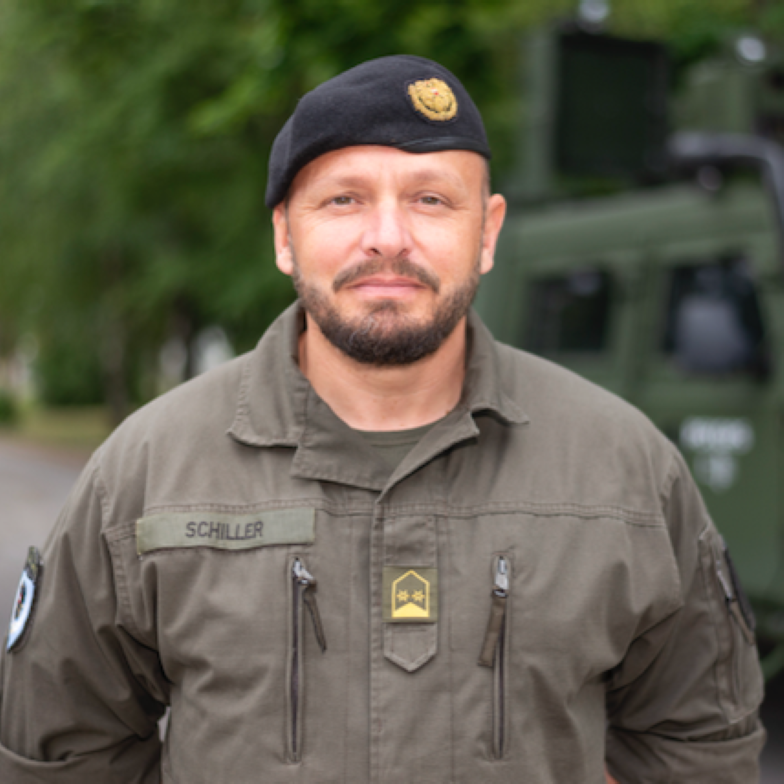
Leading people is the ultimate core competence of the military. The action-oriented outdoor peer-to-peer seminar, led by cadets from the Theresian Military Academy Austria, seeks to find answers to the general theme of EFA26, “How Europe wins”, under the seminar title “OPCON”. In this context, OPCON stands for operational control and is intended to express that a common approach will be needed – while still respecting the sovereignty of the individual actors. //INFO: The seminar takes place outdoors in all weather conditions. Sportswear and sneakers are recommended.
15:00
-
18:00
OPCON: An Outdoor-based Leadership Seminar
+1
SEM
Content
Embodied Experiences of Democracy
In this studio, participants explore the political dramaturgy of emotions – where theatre meets sociology. Emotions are movements, words, and gestures that shape how we live together. The ways we stand, speak, and relate enact democratic order. Conversely, emotions we suppress in public to sustain control can quietly erode democracy itself. //INFO: This project has received funding from the European Commission under the HORIZON Research and Innovation Actions Grant, No 101132327
15:00
-
18:00
Embodied Experiences of Democracy
+1
STU
Content
One Health Studio: Sensing Future Potential and Identifying New Questions
Global (One) Health demands more than incremental fixes. This studio shifts from reactive problem-solving to future-oriented innovation. Using sensing and reframing techniques, participants explore emerging potentials and questions in One Health. We challenge existing paradigms to co-create radical new questions and innovation pathways, equipping participants to proactively shape a resilient future. //INFO: Please make sure to bring your own laptop. If you do not have one, please contact the EFA-Team at seminars@alpbach.org
15:00
-
18:00
One Health Studio: Sensing Future Potential and Identifying New Questions
+1
STU
Content
Envisioning Europe’s Future Cities
How can Europe’s cities become the places where transition is governed and the future is built? Europe has entered a new phase: climate collapse is no longer a distant risk, but a reality to be governed. This studio builds systems literacy, cross-disciplinary collaboration, and democratic imagination among young professionals. Participants leave with a deeper understanding to act as bridge-builders across sectors, borders, and generations.
15:00
-
18:00
Envisioning Europe’s Future Cities
+1
STU
Content
Dialogue across Divides: Designing Better Conversations for a Polarised World

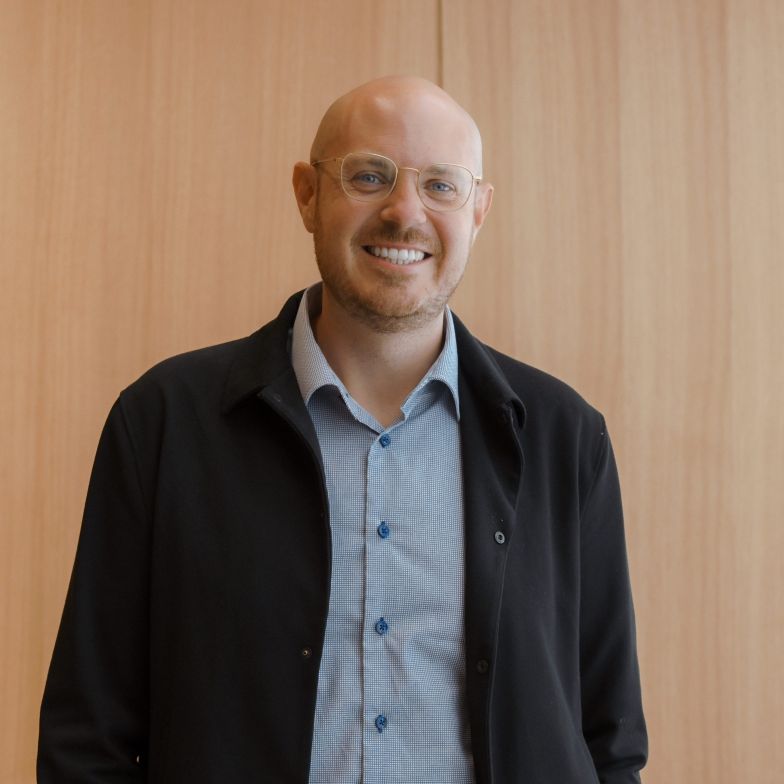
Globally, polarisation is rising, yet confrontation isn’t inevitable. Constructive dialogue, curiosity over conflict, and finding common ground are choices we can make. This seminar explores the state of division and what it means for society. Through case studies, workshops, and interactive activities, we’'ll examine the forces shaping political disagreement, and how we can bridge divides to have more productive political conversations. //INFO: Please make sure to bring your own laptop. If you do not have one, please contact the EFA-Team at seminars@alpbach.org
15:00
-
18:00
Dialogue across Divides: Designing Better Conversations for a Polarised World
+1
DEM
SEM
Content
Creative Writing: Co-operation, Leadership and Empathy
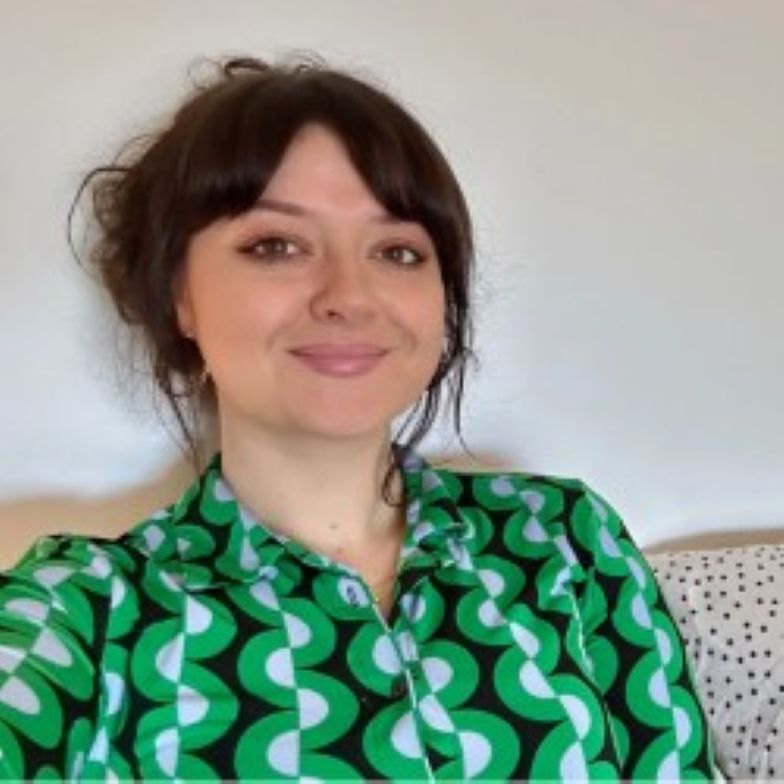
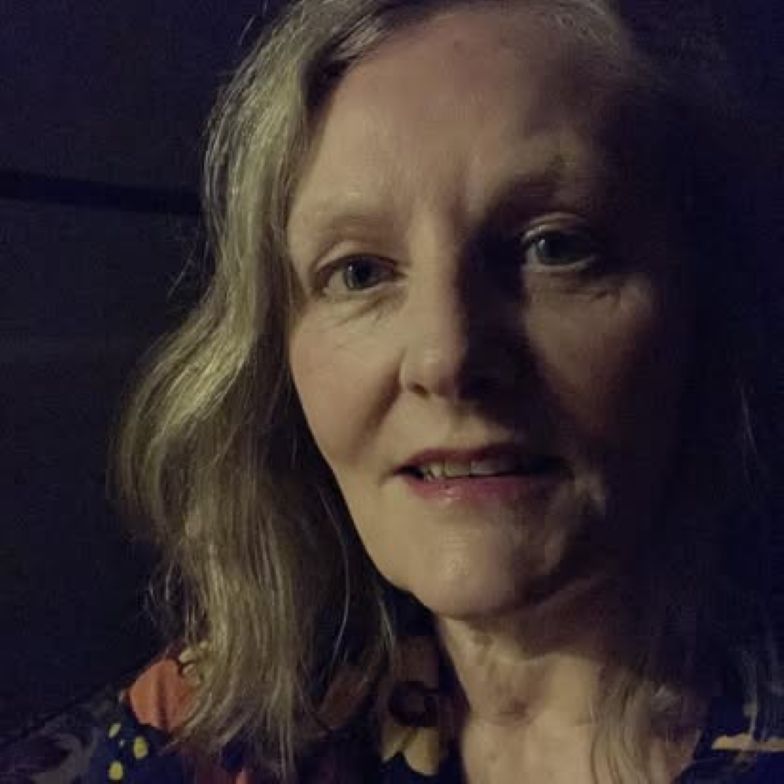
Europe is often treated as geographical entity rather than a community shaped by shared values, such as cooperation, leadership, and empathy. This seminar uses story, poetry, memoir, reflective essays, and collaborative projects to explore ideas of solidarity, responsibility, and belonging across cultures and generations. Participants develop original texts and new perspectives that support dialogue and understanding across borders.
15:00
-
18:00
Creative Writing: Co-operation, Leadership and Empathy
+1
ART
SEM
Content
Activist Filmmaking: Telling Stories of Resistance and Hope
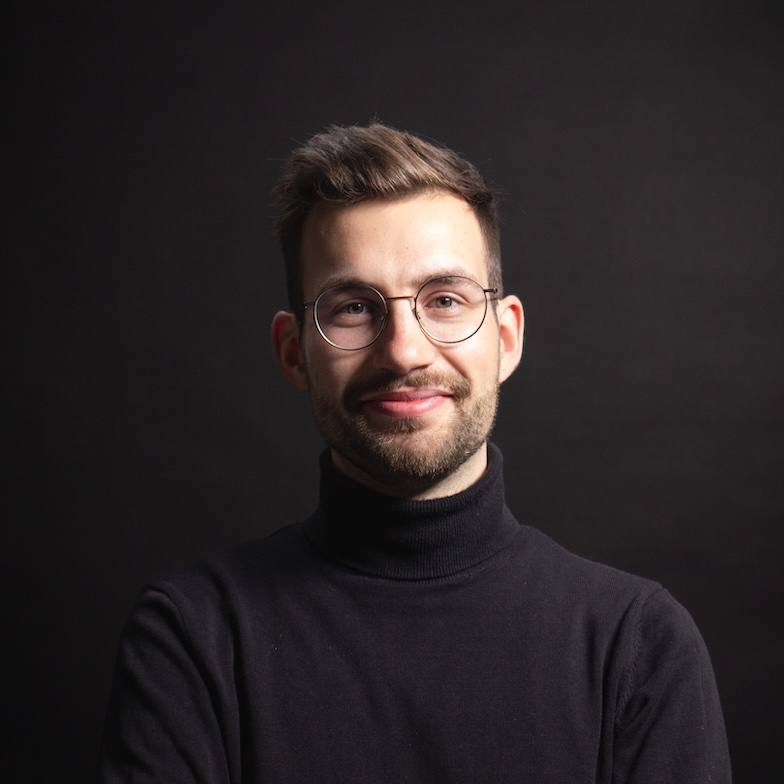
Ecological and social crises dominate the newsfeeds, pushing many people into apathy. How can artistic practices offer a way out? In the seminar, stories of resistance will be explored: Participants will learn about activist filmmaking, engage in dialogue about the narratives we are surrounded by, and create their own piece of hope to empower themselves and others.
15:00
-
18:00
Activist Filmmaking: Telling Stories of Resistance and Hope
+1
ART
SEM
Content
How Europe Winds
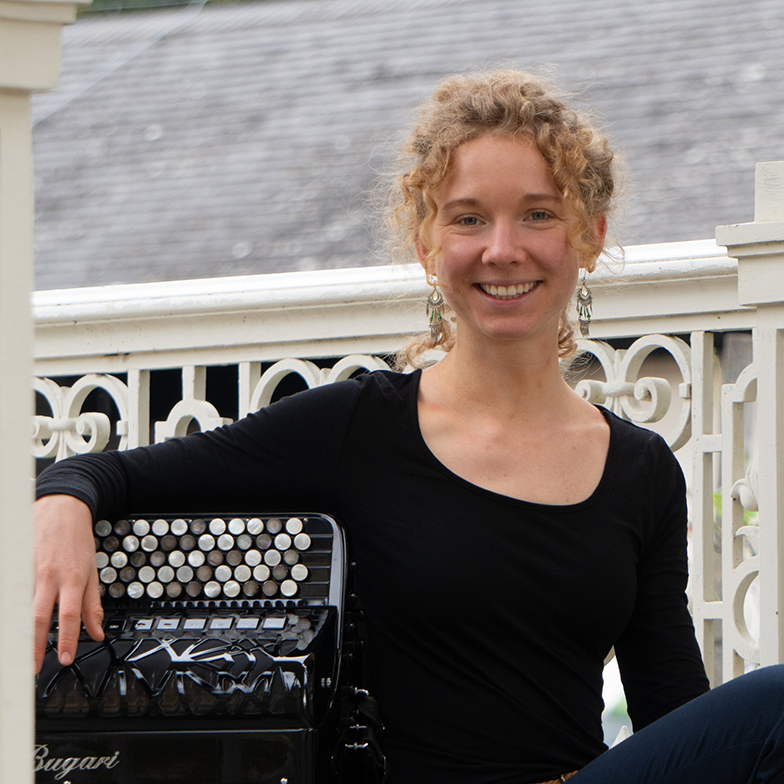
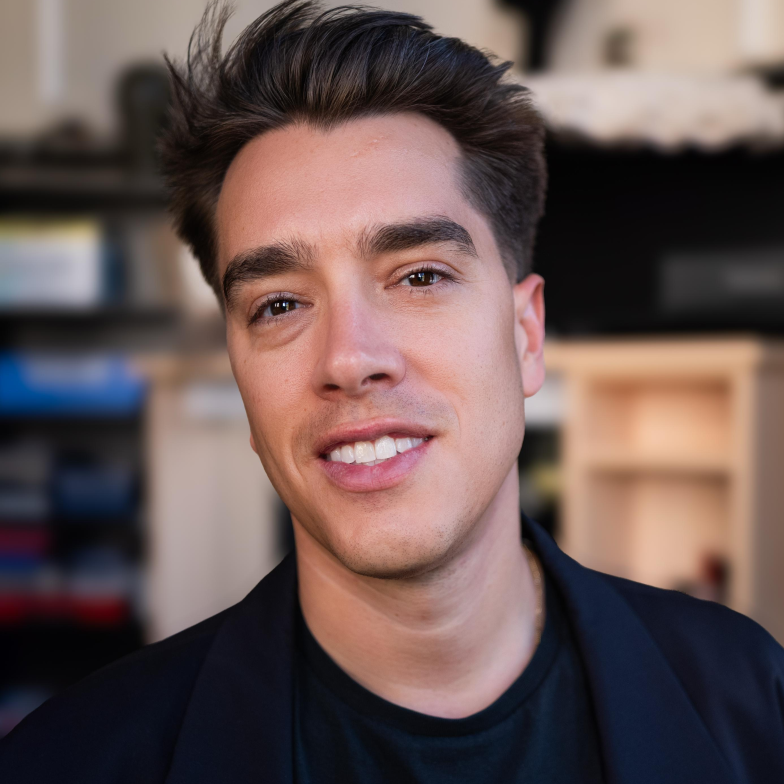
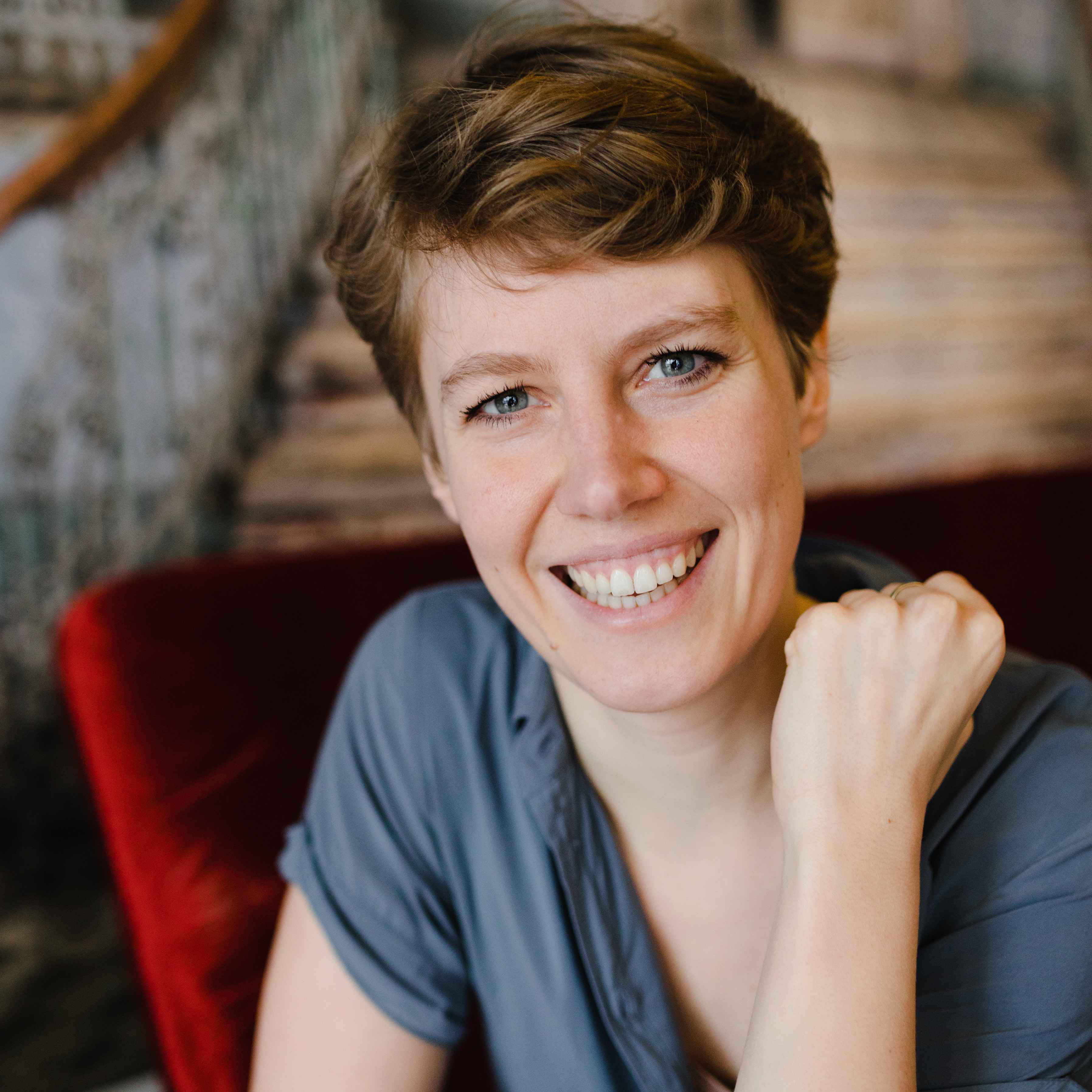
Air is essential yet often taken for granted, despite shaping movement, interaction, and perception. The posed question is not How Europe Wins but Winds — like a wind that opens spaces, brings together different voices, and creates new possibilities. Through movement, sound, and collective improvisation, participants are invited to explore ways of expressing themselves artistically. The session culminates in a shared performance, weaving together movement, sound, and expression.
15:00
-
18:00
How Europe Winds
+2
ART
SEM
Content
Stronger Together: The Power of the Ensemble.
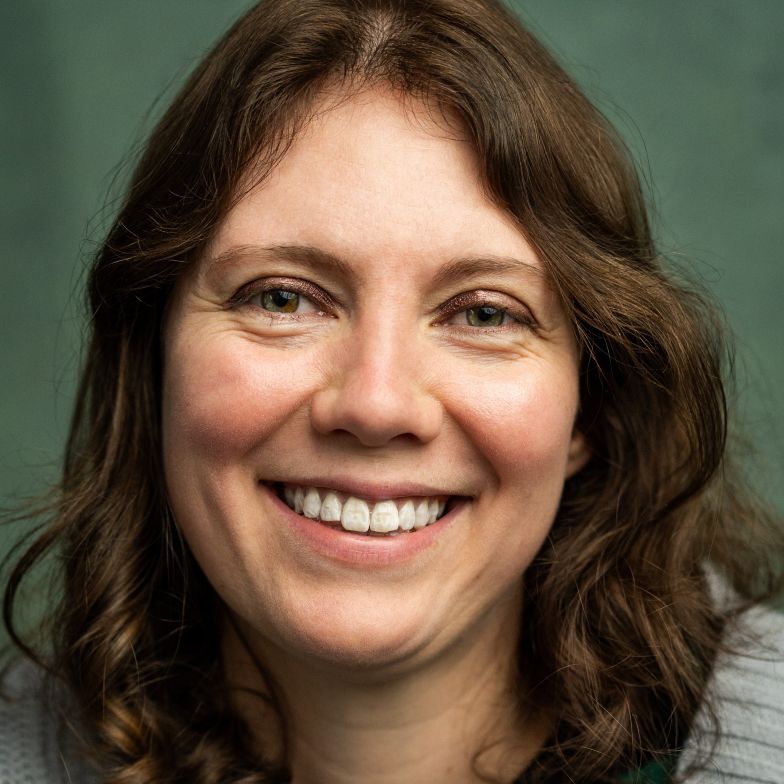
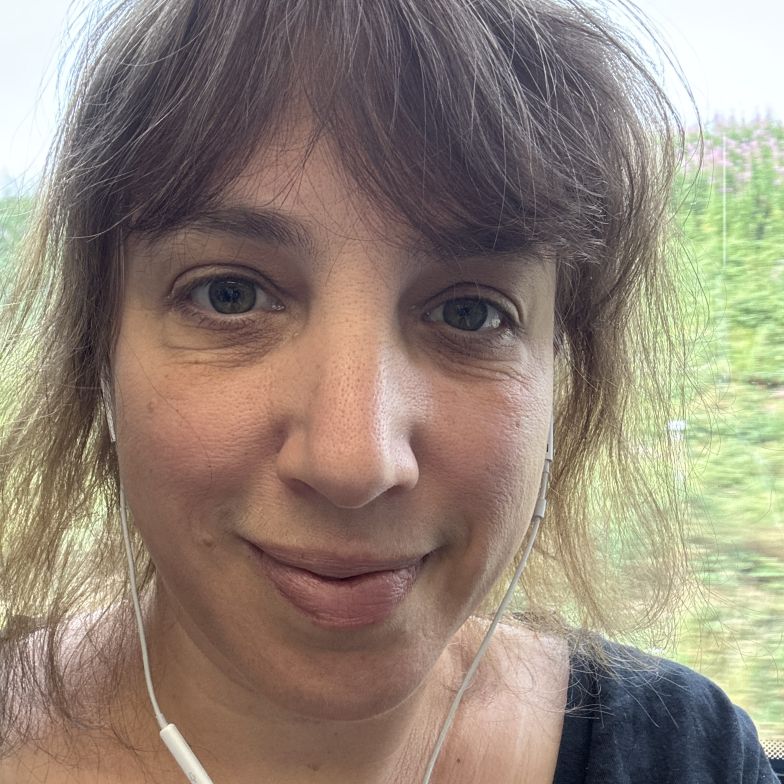
This seminar will explore the ways in which many individuals can end up working as a cohesive team. Creating an effective and dynamic piece of theatre requires every actor to work seamlessly with the rest of the ensemble regardless of whether their part is major or minor. Acting students from the Royal Academy of Dramatic Art in London will share those parts of their training that enable this important connection.
15:00
-
18:00
Stronger Together: The Power of the Ensemble.
+1
ART
SEM
Content
Theatre as a Sanctuary: How Theatre Builds Confidence and Connection
Many actors are introduced to theatre when their parents send them to theatre workshops to overcome their shyness and gain confidence; they end up going on stage in front of hundreds of people. The stage is their place of safety. So, what is it about working together to create a piece of theatre that produces this feeling? This seminar, led by students from the Royal Academy of Dramatic Art in London, will explore this question.
15:00
-
18:00
Theatre as a Sanctuary: How Theatre Builds Confidence and Connection
+1
ART
SEM
Content
Capital in Motion: Understanding How Capital Moves the World
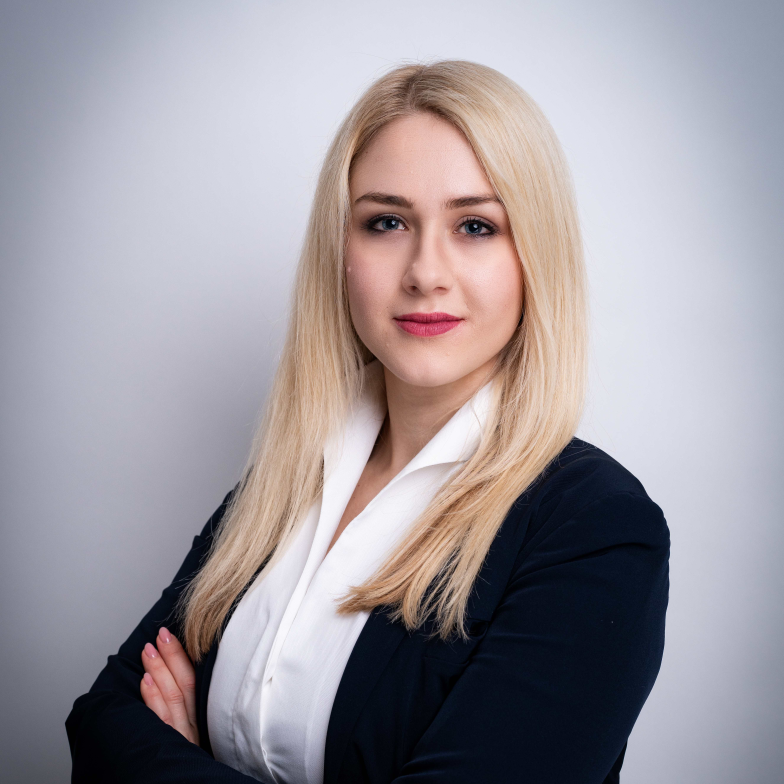
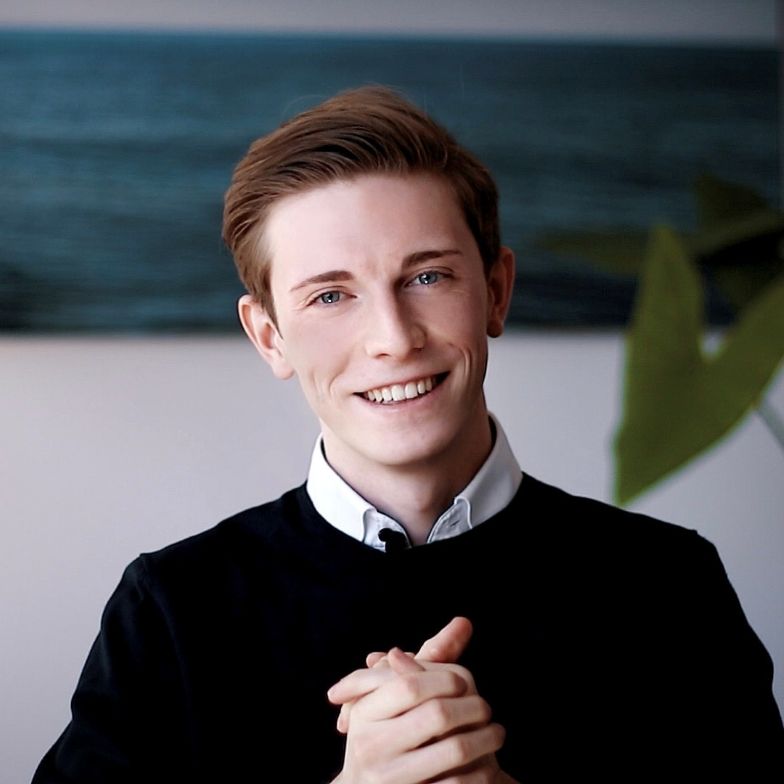
This seminar makes capital markets tangible. Participants act as investors, make decisions under uncertainty, and explore how capital shapes companies and Europe’s future. Simulation, expert insights, and discussion connect theory with real-world application. //INFO: Please make sure to bring your own laptop. If you do not have one, please contact the EFA-Team at seminars@alpbach.org
15:00
-
18:00
Capital in Motion: Understanding How Capital Moves the World
+1
FIN
SEM
Content
Evening
Evening
Speed Friending
Welcome to Alpbach: This is your chance to meet new people and make lifelong friends! This event offers the perfect opportunity to engage in a series of short, exciting conversations. Each round lasts just a few minutes, giving you the chance to make a memorable first impression and discover common interests. //INFO: Bring your own snack or lunch – and perhaps something to share with new friends.
18:15
-
19:15
Speed Friending
Network
Exhibition Opening: Wonders in the Shadows
Even in the darkest moments, there is light. “Wonders in the Shadows” by humanitarian worker and photographer Mattia Bidoli explores humanity and hope amid wars, conflicts, and crises. Join Club Alpbach Tyrol and the Forum Alpbach Network for the exhibition opening before Mattia joins us in Alpbach from 27 August onwards. The exhibit will be open throughout the entire Forum.
18:30
-
19:30
Exhibition Opening: Wonders in the Shadows
ART
Network
Filmscreening: The Sami Song of Survival by Cultures of Resistance Films
Join filmmaker Iara Lee for a screening of The Sami Song of Survival: Indigenous Activism on the Northern Frontier, preceded by an introduction from the artist herself. The film explores Sámi resistance, cultural identity, and Indigenous activism in the northernmost regions of Europe.//INFO: Following the film (duration: 50 minutes) there will be a Q&A.
20:00
-
21:30
Filmscreening: The Sami Song of Survival by Cultures of Resistance Films
ART
Network
Early morning
Early morning
Morning
Morning
Labs: Multi-Day Working Sessions
Labs are 3-day facilitated working sessions with a closed and well-selected group of 30 participants that has a joint purpose with the goal that this group, first, becomes a community of action, and second, finds answers to a larger, cross-cutting problem. Discover the EFA26 Labs.
09:00
-
17:30
Labs: Multi-Day Working Sessions
CLI
DEM
FIN
SEC
LAB
Content
Examining EU Security: Shaping Europe’s Next Security Strategy
Europe's security landscape is changing rapidly, existing strategies no longer reflect today's geopolitical realities. In this Studio, participants will analyse what is needed for Europe to remain relevant, develop their priorities as future leaders as an input for a renewed EU Security Strategy in formulating concrete policy proposals. If you are ready to think outside the box, you have found your event.
09:30
-
12:30
Examining EU Security: Shaping Europe’s Next Security Strategy
+1
STU
Content
Geoeconomics and International Trade Policy
The rules-based international order is under pressure: protectionism and the strategic use of economic policy instruments are reshaping global politics and trade. This seminar explores the rise of geo-economics and examines how states use economic tools to pursue political objectives. Participants will discuss the implications for Europe’s open and interconnected economy.
09:30
-
12:30
Geoeconomics and International Trade Policy
+1
FIN
SEM
Content
A New Intergenerational Contract: Whose Future Is It Anyway?
Our systems are failing future generations, by design, not accident. This seminar confronts uncomfortable truths about power, privilege, and short-termism, asking what it means to act with intergenerational justice in mind. Rooted in scholarship on provoking consciousness and action, the seminar challenges assumptions that keep unjust systems in place. You will leave with a concrete plan to advance justice where you have the greatest influence.
09:30
-
12:30
A New Intergenerational Contract: Whose Future Is It Anyway?
+1
DEM
SEM
Content
Is Victory Possible in the 21st Century?
What does it mean to win? At what costs may victory be achieved? Are the antagonistic and violent practices and narratives of war and victory reconcilable with a sustainable peace? This seminar critically explores the concept of victory from Antiquity to today and specifically looks at the idea of victory in war. By incorporating moral, political, and cultural considerations, victory in the 21st century is reimagined.
09:30
-
12:30
Is Victory Possible in the 21st Century?
+1
SEC
SEM
Content
Hope and the Power to Shape our Future
How do we find the will to act when things seem hopeless? Because we are agents who care, our relationship to the future is driven by emotions like hope, anxiety, and despair – not mere feelings, but evaluative states that orient us toward action. Drawing on philosophy and the science of emotion, this interactive seminar invites you to explore how to harness these emotions, individually and collectively, to bring about the futures you value.
09:30
-
12:30
Hope and the Power to Shape our Future
+1
SEM
Content
Europe Breaks Free: Reconfiguring Dependencies
New forms of great power competition are reshaping the dependency calculus of every region. How can the EU and its global partners reconfigure such dependencies in a world shaped by US-China rivalry, Russian aggression, and the transactional dismantling of multilateralism?The seminar will tackle this question conceptually but also strategically, asking which dependencies to shed and which to deepen, and explore how to pursue genuine interdependence rather than the illusion of full independence.
09:30
-
12:30
Europe Breaks Free: Reconfiguring Dependencies
+1
SEC
SEM
Content
Financial Technology, Geopolitics, and Digital Sovereignty
Financial technologies are reshaping how markets work and citizens access services – while redrawing the balance between public and private power, transforming how money is created, and opening new arenas of competition among states and between states and corporations. How can we ensure sovereignty, data control, and self-determination in this new world? Designed for non-experts, this seminar unpacks what is at stake for society and the world economy.
09:30
-
12:30
Financial Technology, Geopolitics, and Digital Sovereignty
+1
FIN
SEM
Content
Carbon Dioxide Removal from the Atmosphere: A Legal Perspective Beyond Net Zero
The world is on track to exceed 1.5 °C of warming. Climate stabilisation depends on both rapidly cutting emissions and removing carbon dioxide from the atmosphere at scale. Removals are therefore an essential climate action, yet often poorly understood. This seminar explores what carbon dioxide removal is and examines the legal challenges and opportunities of net-negative emissions in the EU and beyond. //INFO: Please make sure to bring your own laptop. If you do not have one, please contact the EFA-Team at seminars@alpbach.org
09:30
-
12:30
Carbon Dioxide Removal from the Atmosphere: A Legal Perspective Beyond Net Zero
+1
CLI
SEM
Content
Rethinking AI in Context: Health, Environmental Change and Sustainable Futures
AI is reshaping health systems, environments, and societies, bringing opportunities and risks – but who decides how? Who benefits and who gets left behind? How do we plan for the sustainable use of AI? This interactive seminar equips participants to navigate the key debates around AI governance. Discussing foundational concepts, real-world risks, and governance frameworks, we build towards a shared vision of sustainable, equitable AI futures. //INFO: Please make sure to bring your own laptop. If you do not have one, please contact the EFA-Team at seminars@alpbach.org
09:30
-
12:30
Rethinking AI in Context: Health, Environmental Change and Sustainable Futures
+1
CLI
SEM
Content
Digital Sovereignty: Why Europe Needs It and How It Can Get It
If digital sovereignty is about the ability to say ‘yes’ to a digital future that aligns with one’s interests and values – and ‘no’ to a future that doesn’t – Europe currently lacks it. In this workshop, we examine why this is the case and why it matters, what can and what should be done about it, and which policies and politics can get Europe there.
09:30
-
12:30
Digital Sovereignty: Why Europe Needs It and How It Can Get It
+1
DEM
SEM
Content
Envisioning Europe’s Future Cities
How can Europe’s cities become the places where transition is governed and the future is built? Europe has entered a new phase: climate collapse is no longer a distant risk, but a reality to be governed. This studio builds systems literacy, cross-disciplinary collaboration, and democratic imagination among young professionals. Participants leave with a deeper understanding to act as bridge-builders across sectors, borders, and generations. //INFO: Clothing and shoes for outdoor activities are recommended.
09:30
-
12:30
Envisioning Europe’s Future Cities
+1
STU
Content
Embodied Experiences of Democracy
In this studio, participants explore the political dramaturgy of emotions – where theatre meets sociology. Emotions are movements, words, and gestures that shape how we live together. The ways we stand, speak, and relate enact democratic order. Conversely, emotions we suppress in public to sustain control can quietly erode democracy itself. //INFO: This project has received funding from the European Commission under the HORIZON Research and Innovation Actions Grant, No 101132327.
09:30
-
12:30
Embodied Experiences of Democracy
+1
STU
Content
Science and Ethics
Can we separate science and ethics? Where do we draw the boundaries?? In Artificial Intelligence, fairness and accountability are inseparable from how systems learn and how they justify knowledge. Scientific choices are moral choices, and ethics depend on scientific assumptions. The seminar explores good scientific practice and scientific misconduct, including falsification and fraud in academic research.
09:30
-
12:30
Science and Ethics
+1
SEM
Content
One Health Studio: Sensing Future Potential and Identifying New Questions
Global (One) Health demands more than incremental fixes. This studio shifts from reactive problem-solving to future-oriented innovation. Using sensing and reframing techniques, participants explore emerging potentials and questions in One Health. We challenge existing paradigms to co-create radical new questions and innovation pathways, equipping participants to proactively shape a resilient future. //INFO: Please make sure to bring your own laptop. If you do not have one, please contact the EFA-Team at seminars@alpbach.org
09:30
-
12:30
One Health Studio: Sensing Future Potential and Identifying New Questions
+1
STU
Content
Noon
Noon
Strangers in a Gondola
You are warmly invited to take a delightful 20-minute journey on a gondola up to the majestic Alpbach’s mountain. Here’s the twist: You will be sharing the gondola with fellow participants who you haven’t crossed paths with before. To add an element of fun during your gondola trip, an engaging quiz awaits you, challenging your knowledge without relying on Google, and incorporating time-based questions. Upon reaching the mountain’s summit, you can enjoy a delightful coffee and lunch break with the scenic panorama in the restaurant or opt for a refreshing hike. This view is absolutely worth experiencing! //INFO: Bring hiking shoes or comfortable shoes, water, and sun protection. Remember, you will be in the nature! Please note that you need to bring your Alpbach Card to use the Gondola.
13:00
-
14:30
Strangers in a Gondola
Network
Food for Thought
MittelschuleJulian SEIDENBUSCHLegislative Theatre: Performing Arts as a means of/to Political AgencyMittelschule, Ground Floor - Classroom 1Tonderayi Prosper MAGEZAHow Europe Wins, and Who Wakes Up to the Bill: Africa’s Depletion LedgerMittelschule, Ground Floor - Classroom 2Nina BARABÁSOVÁReaching out to those who do not participate - activating youth in civil societyMittelschule, Ground Floor - Classroom 3Evelyn FEISTMANTL-SCHWEIGLBecome a WinnOER: How can Europe leverage Open Educational Resources to advance its strategy?Mittelschule, First Floor - Conference Room Dino OSMANAGIĆ & Andreas PATUZZIAI LITERACY: Insights from young AI leaders Linz on fostering future skills, critical thinking, and responsible AIMittelschule, First Floor - Handarbeitsraum Samuel KLINGERShrinking the State from Both Ends: Rethinking Territorial Governance Between Supranationalism and LocalismMittelschule, First Floor - Physikraum Sara GRAMBSWhen Climate Disasters Hit: The Role of Loss and Damage in International Climate DiplomacyMittelschule, Ground Floor - Gym
13:30
-
14:30
Food for Thought
Content
Afternoon
Afternoon
Dialogue across Divides: Designing Better Conversations for a Polarised World
Globally, polarisation is rising, yet confrontation isn’t inevitable. Constructive dialogue, curiosity over conflict, and finding common ground are choices we can make. This seminar explores the state of division and what it means for society. Through case studies, workshops, and interactive activities, we’'ll examine the forces shaping political disagreement, and how we can bridge divides to have more productive political conversations. //INFO: Please make sure to bring your own laptop. If you do not have one, please contact the EFA-Team at seminars@alpbach.org
15:00
-
18:00
Dialogue across Divides: Designing Better Conversations for a Polarised World
+1
DEM
SEM
Content
One Health Studio: Sensing Future Potential and Identifying New Questions
Global (One) Health demands more than incremental fixes. This studio shifts from reactive problem-solving to future-oriented innovation. Using sensing and reframing techniques, participants explore emerging potentials and questions in One Health. We challenge existing paradigms to co-create radical new questions and innovation pathways, equipping participants to proactively shape a resilient future. //INFO: Please make sure to bring your own laptop. If you do not have one, please contact the EFA-Team at seminars@alpbach.org
15:00
-
18:00
One Health Studio: Sensing Future Potential and Identifying New Questions
+1
STU
Content
Theatre as a Sanctuary: How Theatre Builds Confidence and Connection
Many actors are introduced to theatre when their parents send them to theatre workshops to overcome their shyness and gain confidence; they end up going on stage in front of hundreds of people. The stage is their place of safety. So, what is it about working together to create a piece of theatre that produces this feeling? This seminar, led by students from the Royal Academy of Dramatic Art in London, will explore this question.
15:00
-
18:00
Theatre as a Sanctuary: How Theatre Builds Confidence and Connection
+1
ART
SEM
Content
Stronger Together: The Power of the Ensemble.
This seminar will explore the ways in which many individuals can end up working as a cohesive team. Creating an effective and dynamic piece of theatre requires every actor to work seamlessly with the rest of the ensemble regardless of whether their part is major or minor. Acting students from the Royal Academy of Dramatic Art in London will share those parts of their training that enable this important connection.
15:00
-
18:00
Stronger Together: The Power of the Ensemble.
+1
ART
SEM
Content
Capital in Motion: Understanding How Capital Moves the World
This seminar makes capital markets tangible. Participants act as investors, make decisions under uncertainty, and explore how capital shapes companies and Europe’s future. Simulation, expert insights, and discussion connect theory with real-world application. //INFO: Please make sure to bring your own laptop. If you do not have one, please contact the EFA-Team at seminars@alpbach.org
15:00
-
18:00
Capital in Motion: Understanding How Capital Moves the World
+1
FIN
SEM
Content
Activist Filmmaking: Telling Stories of Resistance and Hope
Ecological and social crises dominate the newsfeeds, pushing many people into apathy. How can artistic practices offer a way out? In the seminar, stories of resistance will be explored: Participants will learn about activist filmmaking, engage in dialogue about the narratives we are surrounded by, and create their own piece of hope to empower themselves and others.
15:00
-
18:00
Activist Filmmaking: Telling Stories of Resistance and Hope
+1
ART
SEM
Content
How Europe Winds
Air is essential yet often taken for granted, despite shaping movement, interaction, and perception. The posed question is not How Europe Wins but Winds — like a wind that opens spaces, brings together different voices, and creates new possibilities. Through movement, sound, and collective improvisation, participants are invited to explore ways of expressing themselves artistically. The session culminates in a shared performance, weaving together movement, sound, and expression.
15:00
-
18:00
How Europe Winds
+2
ART
SEM
Content
Work Like a Policy Entrepreneur: Turn Moral Ambition into Large Societal Change
Most people who want to change the world start from a cause they love and a set solution in mind. Policy entrepreneurs ask first: which problem actually needs me and how can I make the most impact? Over five days you learn cause selection, counterfactual thinking, and coalition building, using real cases. You leave with your own theory of change and first steps to make the most impact possible. //INFO: Please make sure to bring your own laptop. If you do not have one, please contact the EFA-Team at seminars@alpbach.org
15:00
-
18:00
Work Like a Policy Entrepreneur: Turn Moral Ambition into Large Societal Change
DEM
SEM
Content
Embodied Experiences of Democracy
In this studio, participants explore the political dramaturgy of emotions – where theatre meets sociology. Emotions are movements, words, and gestures that shape how we live together. The ways we stand, speak, and relate enact democratic order. Conversely, emotions we suppress in public to sustain control can quietly erode democracy itself. //INFO: This project has received funding from the European Commission under the HORIZON Research and Innovation Actions Grant, No 101132327
15:00
-
18:00
Embodied Experiences of Democracy
+1
STU
Content
Creative Writing: Co-operation, Leadership and Empathy
Europe is often treated as geographical entity rather than a community shaped by shared values, such as cooperation, leadership, and empathy. This seminar uses story, poetry, memoir, reflective essays, and collaborative projects to explore ideas of solidarity, responsibility, and belonging across cultures and generations. Participants develop original texts and new perspectives that support dialogue and understanding across borders.
15:00
-
18:00
Creative Writing: Co-operation, Leadership and Empathy
+1
ART
SEM
Content
Envisioning Europe’s Future Cities
How can Europe’s cities become the places where transition is governed and the future is built? Europe has entered a new phase: climate collapse is no longer a distant risk, but a reality to be governed. This studio builds systems literacy, cross-disciplinary collaboration, and democratic imagination among young professionals. Participants leave with a deeper understanding to act as bridge-builders across sectors, borders, and generations.
15:00
-
18:00
Envisioning Europe’s Future Cities
+1
STU
Content
Examining EU Security: Shaping Europe’s Next Security Strategy
Europe's security landscape is changing rapidly, existing strategies no longer reflect today's geopolitical realities. In this Studio, participants will analyse what is needed for Europe to remain relevant, develop their priorities as future leaders as an input for a renewed EU Security Strategy in formulating concrete policy proposals. If you are ready to think outside the box, you have found your event.
15:00
-
18:00
Examining EU Security: Shaping Europe’s Next Security Strategy
+1
STU
Content
Rewilding Environmental Practices
What if the future could be otherwise? This seminar explores imaginative agency through lateral thinking: taking detours, embracing surprise, and making the familiar strange. We will read and discuss texts, walkthrough the forest, observe, photograph, draw, write, cut, paste, and map. Together, we will create a collective utopian map of futures that do not yet exist - but perhaps could.
15:00
-
18:00
Rewilding Environmental Practices
+1
ART
SEM
Content
OPCON: An Outdoor-based Leadership Seminar
Leading people is the ultimate core competence of the military. The action-oriented outdoor peer-to-peer seminar, led by cadets from the Theresian Military Academy Austria, seeks to find answers to the general theme of EFA26, “How Europe wins”, under the seminar title “OPCON”. In this context, OPCON stands for operational control and is intended to express that a common approach will be needed – while still respecting the sovereignty of the individual actors. //INFO: The seminar takes place outdoors in all weather conditions. Sportswear and sneakers are recommended.
15:00
-
18:00
OPCON: An Outdoor-based Leadership Seminar
+1
SEM
Content
Evening
Evening
Sip and Paint
Participants paint on canvas while enjoying the sunset.
19:00
-
21:00
Sip and Paint
Network
Cheers to Our Shared Journey
Celebrate the EFA Academy Days with us! Reconnect with familiar faces, meet new people from our studio and seminar formats, and enjoy a relaxed chat over a drink. We’re looking forward to seeing you there!
20:00
-
22:00
Cheers to Our Shared Journey
LAB
Network
Early morning
Early morning
Morning
Morning
Labs: Multi-Day Working Sessions
Labs are 3-day facilitated working sessions with a closed and well-selected group of 30 participants that has a joint purpose with the goal that this group, first, becomes a community of action, and second, finds answers to a larger, cross-cutting problem. Discover the EFA26 Labs.
09:00
-
17:30
Labs: Multi-Day Working Sessions
CLI
DEM
FIN
SEC
LAB
Content
Examining EU Security: Shaping Europe’s Next Security Strategy
Europe's security landscape is changing rapidly, existing strategies no longer reflect today's geopolitical realities. In this Studio, participants will analyse what is needed for Europe to remain relevant, develop their priorities as future leaders as an input for a renewed EU Security Strategy in formulating concrete policy proposals. If you are ready to think outside the box, you have found your event.
09:30
-
12:30
Examining EU Security: Shaping Europe’s Next Security Strategy
+1
STU
Content
A New Intergenerational Contract: Whose Future Is It Anyway?
Our systems are failing future generations, by design, not accident. This seminar confronts uncomfortable truths about power, privilege, and short-termism, asking what it means to act with intergenerational justice in mind. Rooted in scholarship on provoking consciousness and action, the seminar challenges assumptions that keep unjust systems in place. You will leave with a concrete plan to advance justice where you have the greatest influence.
09:30
-
12:30
A New Intergenerational Contract: Whose Future Is It Anyway?
+1
DEM
SEM
Content
Geoeconomics and International Trade Policy
The rules-based international order is under pressure: protectionism and the strategic use of economic policy instruments are reshaping global politics and trade. This seminar explores the rise of geo-economics and examines how states use economic tools to pursue political objectives. Participants will discuss the implications for Europe’s open and interconnected economy.
09:30
-
12:30
Geoeconomics and International Trade Policy
+1
FIN
SEM
Content
Europe Breaks Free: Reconfiguring Dependencies
New forms of great power competition are reshaping the dependency calculus of every region. How can the EU and its global partners reconfigure such dependencies in a world shaped by US-China rivalry, Russian aggression, and the transactional dismantling of multilateralism?The seminar will tackle this question conceptually but also strategically, asking which dependencies to shed and which to deepen, and explore how to pursue genuine interdependence rather than the illusion of full independence.
09:30
-
12:30
Europe Breaks Free: Reconfiguring Dependencies
+1
SEC
SEM
Content
Financial Technology, Geopolitics, and Digital Sovereignty
Financial technologies are reshaping how markets work and citizens access services – while redrawing the balance between public and private power, transforming how money is created, and opening new arenas of competition among states and between states and corporations. How can we ensure sovereignty, data control, and self-determination in this new world? Designed for non-experts, this seminar unpacks what is at stake for society and the world economy.
09:30
-
12:30
Financial Technology, Geopolitics, and Digital Sovereignty
+1
FIN
SEM
Content
Carbon Dioxide Removal from the Atmosphere: A Legal Perspective Beyond Net Zero
The world is on track to exceed 1.5 °C of warming. Climate stabilisation depends on both rapidly cutting emissions and removing carbon dioxide from the atmosphere at scale. Removals are therefore an essential climate action, yet often poorly understood. This seminar explores what carbon dioxide removal is and examines the legal challenges and opportunities of net-negative emissions in the EU and beyond. //INFO: Please make sure to bring your own laptop. If you do not have one, please contact the EFA-Team at seminars@alpbach.org
09:30
-
12:30
Carbon Dioxide Removal from the Atmosphere: A Legal Perspective Beyond Net Zero
+1
CLI
SEM
Content
Rethinking AI in Context: Health, Environmental Change and Sustainable Futures
AI is reshaping health systems, environments, and societies, bringing opportunities and risks – but who decides how? Who benefits and who gets left behind? How do we plan for the sustainable use of AI? This interactive seminar equips participants to navigate the key debates around AI governance. Discussing foundational concepts, real-world risks, and governance frameworks, we build towards a shared vision of sustainable, equitable AI futures. //INFO: Please make sure to bring your own laptop. If you do not have one, please contact the EFA-Team at seminars@alpbach.org
09:30
-
12:30
Rethinking AI in Context: Health, Environmental Change and Sustainable Futures
+1
CLI
SEM
Content
Envisioning Europe’s Future Cities
How can Europe’s cities become the places where transition is governed and the future is built? Europe has entered a new phase: climate collapse is no longer a distant risk, but a reality to be governed. This studio builds systems literacy, cross-disciplinary collaboration, and democratic imagination among young professionals. Participants leave with a deeper understanding to act as bridge-builders across sectors, borders, and generations. //INFO: Clothing and shoes for outdoor activities are recommended.
09:30
-
12:30
Envisioning Europe’s Future Cities
+1
STU
Content
Digital Sovereignty: Why Europe Needs It and How It Can Get It
If digital sovereignty is about the ability to say ‘yes’ to a digital future that aligns with one’s interests and values – and ‘no’ to a future that doesn’t – Europe currently lacks it. In this workshop, we examine why this is the case and why it matters, what can and what should be done about it, and which policies and politics can get Europe there.
09:30
-
12:30
Digital Sovereignty: Why Europe Needs It and How It Can Get It
+1
DEM
SEM
Content
Embodied Experiences of Democracy
In this studio, participants explore the political dramaturgy of emotions – where theatre meets sociology. Emotions are movements, words, and gestures that shape how we live together. The ways we stand, speak, and relate enact democratic order. Conversely, emotions we suppress in public to sustain control can quietly erode democracy itself. //INFO: This project has received funding from the European Commission under the HORIZON Research and Innovation Actions Grant, No 101132327.
09:30
-
12:30
Embodied Experiences of Democracy
+1
STU
Content
Science and Ethics
Can we separate science and ethics? Where do we draw the boundaries?? In Artificial Intelligence, fairness and accountability are inseparable from how systems learn and how they justify knowledge. Scientific choices are moral choices, and ethics depend on scientific assumptions. The seminar explores good scientific practice and scientific misconduct, including falsification and fraud in academic research.
09:30
-
12:30
Science and Ethics
+1
SEM
Content
Is Victory Possible in the 21st Century?
What does it mean to win? At what costs may victory be achieved? Are the antagonistic and violent practices and narratives of war and victory reconcilable with a sustainable peace? This seminar critically explores the concept of victory from Antiquity to today and specifically looks at the idea of victory in war. By incorporating moral, political, and cultural considerations, victory in the 21st century is reimagined.
09:30
-
12:30
Is Victory Possible in the 21st Century?
+1
SEC
SEM
Content
One Health Studio: Sensing Future Potential and Identifying New Questions
Global (One) Health demands more than incremental fixes. This studio shifts from reactive problem-solving to future-oriented innovation. Using sensing and reframing techniques, participants explore emerging potentials and questions in One Health. We challenge existing paradigms to co-create radical new questions and innovation pathways, equipping participants to proactively shape a resilient future. //INFO: Please make sure to bring your own laptop. If you do not have one, please contact the EFA-Team at seminars@alpbach.org
09:30
-
12:30
One Health Studio: Sensing Future Potential and Identifying New Questions
+1
STU
Content
Hope and the Power to Shape our Future
How do we find the will to act when things seem hopeless? Because we are agents who care, our relationship to the future is driven by emotions like hope, anxiety, and despair – not mere feelings, but evaluative states that orient us toward action. Drawing on philosophy and the science of emotion, this interactive seminar invites you to explore how to harness these emotions, individually and collectively, to bring about the futures you value.
09:30
-
12:30
Hope and the Power to Shape our Future
+1
SEM
Content
15 Years of the Euregio Tyrol-South Tyrol-Trentino
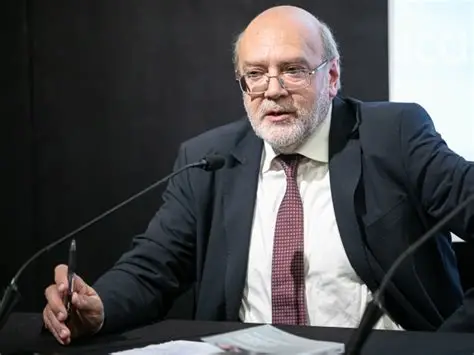
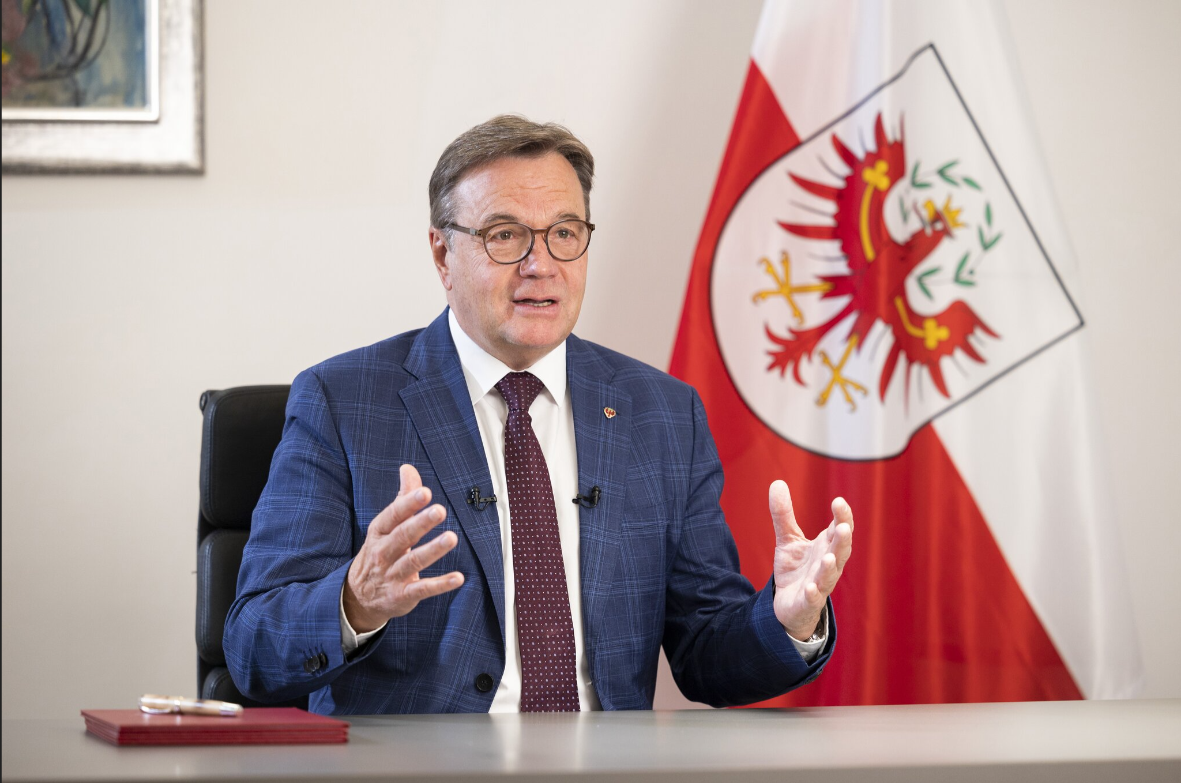
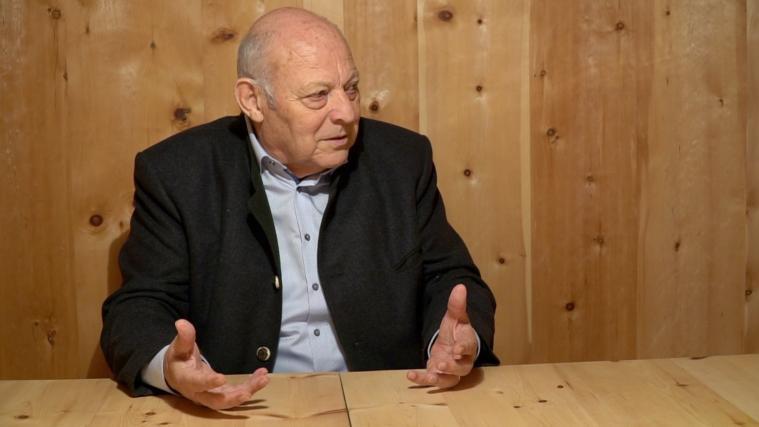
Anniversaries always mark an important moment for reflection and contextualisation. This session highlights the development since its founding, key milestones, and their relevance today for cross-border cooperation. Building on this, perspectives from practice and research will be brought together, and points of departure for the future orientation of the Euregio and other European Groupings of Territorial Cooperation (EGTCs) will be outlined.
11:00
-
12:30
15 Years of the Euregio Tyrol-South Tyrol-Trentino
+2
DEM
Content
Noon
Noon
Food for Thought
Mittelschule1Dmytro HREBENIUKThe War of the Cities: Iraq 1980 and Ukraine 2026Mittelschule, Ground Floor - Classroom 2 2Pauline KNIBB-KLIMTFrom Director to Dishwasher and beyond: Rethinking success, careers creativity - and what we become along the wayMittelschule, Ground Floor - Classroom 3 3Luis BRUCHEFA through the years: how a theme represents the change in Europe - conceptualising a muralMittelschule, Ground Floor - Gym(continued tomorrow on the terrace) 4Aziz HRELJIĆThe Challenge of Urban FuturesMittelschule, Ground Floor - Classroom 4 5Milena FALLAHABut what about the kids?! - Educating children on valuesMittelschule, First Floor - Conference Room 6Alexandra SADAKASpotlight on Lebanon: In the Shadow of the US-Iran WarMittelschule, First Floor - EDV Room 7Marcell KOVÁCS, Márk MATUSZ & Alexander NÉMETHHungary: A Mandate for Change?Mittelschule, First Floor - Handarbeitsraum 8Pete WOLFFRAMMFinding your people (and making room for more)Mittelschule, First Floor - Physikraum 9Ying-Hsuan LEEDoing Good Making Compromises? The Daily Life of a Small NGOMittelschule, Ground Floor - Portacabin No3
13:30
-
14:30
Food for Thought
SEM
STU
Content
Becoming a Co-Author of the EFA Academy Days Book
In this session, scholarship holders and other participants of the Academy Days are invited to collaborate on a book about the topics and themes of EFA26. They will be guided through writing their stories about the Academy Days, energizing encounters, and other reflections. For more information, click here.
13:30
-
14:30
Becoming a Co-Author of the EFA Academy Days Book
+1
Content
Afternoon
Afternoon
How Europe Winds
Air is essential yet often taken for granted, despite shaping movement, interaction, and perception. The posed question is not How Europe Wins but Winds — like a wind that opens spaces, brings together different voices, and creates new possibilities. Through movement, sound, and collective improvisation, participants are invited to explore ways of expressing themselves artistically. The session culminates in a shared performance, weaving together movement, sound, and expression.
15:00
-
18:00
How Europe Winds
+2
ART
SEM
Content
Stronger Together: The Power of the Ensemble.
This seminar will explore the ways in which many individuals can end up working as a cohesive team. Creating an effective and dynamic piece of theatre requires every actor to work seamlessly with the rest of the ensemble regardless of whether their part is major or minor. Acting students from the Royal Academy of Dramatic Art in London will share those parts of their training that enable this important connection.
15:00
-
18:00
Stronger Together: The Power of the Ensemble.
+1
ART
SEM
Content
Capital in Motion: Understanding How Capital Moves the World
This seminar makes capital markets tangible. Participants act as investors, make decisions under uncertainty, and explore how capital shapes companies and Europe’s future. Simulation, expert insights, and discussion connect theory with real-world application. //INFO: Please make sure to bring your own laptop. If you do not have one, please contact the EFA-Team at seminars@alpbach.org
15:00
-
18:00
Capital in Motion: Understanding How Capital Moves the World
+1
FIN
SEM
Content
Theatre as a Sanctuary: How Theatre Builds Confidence and Connection
Many actors are introduced to theatre when their parents send them to theatre workshops to overcome their shyness and gain confidence; they end up going on stage in front of hundreds of people. The stage is their place of safety. So, what is it about working together to create a piece of theatre that produces this feeling? This seminar, led by students from the Royal Academy of Dramatic Art in London, will explore this question.
15:00
-
18:00
Theatre as a Sanctuary: How Theatre Builds Confidence and Connection
+1
ART
SEM
Content
Activist Filmmaking: Telling Stories of Resistance and Hope
Ecological and social crises dominate the newsfeeds, pushing many people into apathy. How can artistic practices offer a way out? In the seminar, stories of resistance will be explored: Participants will learn about activist filmmaking, engage in dialogue about the narratives we are surrounded by, and create their own piece of hope to empower themselves and others.
15:00
-
18:00
Activist Filmmaking: Telling Stories of Resistance and Hope
+1
ART
SEM
Content
Creative Writing: Co-operation, Leadership and Empathy
Europe is often treated as geographical entity rather than a community shaped by shared values, such as cooperation, leadership, and empathy. This seminar uses story, poetry, memoir, reflective essays, and collaborative projects to explore ideas of solidarity, responsibility, and belonging across cultures and generations. Participants develop original texts and new perspectives that support dialogue and understanding across borders.
15:00
-
18:00
Creative Writing: Co-operation, Leadership and Empathy
+1
ART
SEM
Content
Dialogue across Divides: Designing Better Conversations for a Polarised World
Globally, polarisation is rising, yet confrontation isn’t inevitable. Constructive dialogue, curiosity over conflict, and finding common ground are choices we can make. This seminar explores the state of division and what it means for society. Through case studies, workshops, and interactive activities, we’'ll examine the forces shaping political disagreement, and how we can bridge divides to have more productive political conversations. //INFO: Please make sure to bring your own laptop. If you do not have one, please contact the EFA-Team at seminars@alpbach.org
15:00
-
18:00
Dialogue across Divides: Designing Better Conversations for a Polarised World
+1
DEM
SEM
Content
Rewilding Environmental Practices
What if the future could be otherwise? This seminar explores imaginative agency through lateral thinking: taking detours, embracing surprise, and making the familiar strange. We will read and discuss texts, walkthrough the forest, observe, photograph, draw, write, cut, paste, and map. Together, we will create a collective utopian map of futures that do not yet exist - but perhaps could.
15:00
-
18:00
Rewilding Environmental Practices
+1
ART
SEM
Content
Your Voice on Wealth: A Citizens’ Assembly
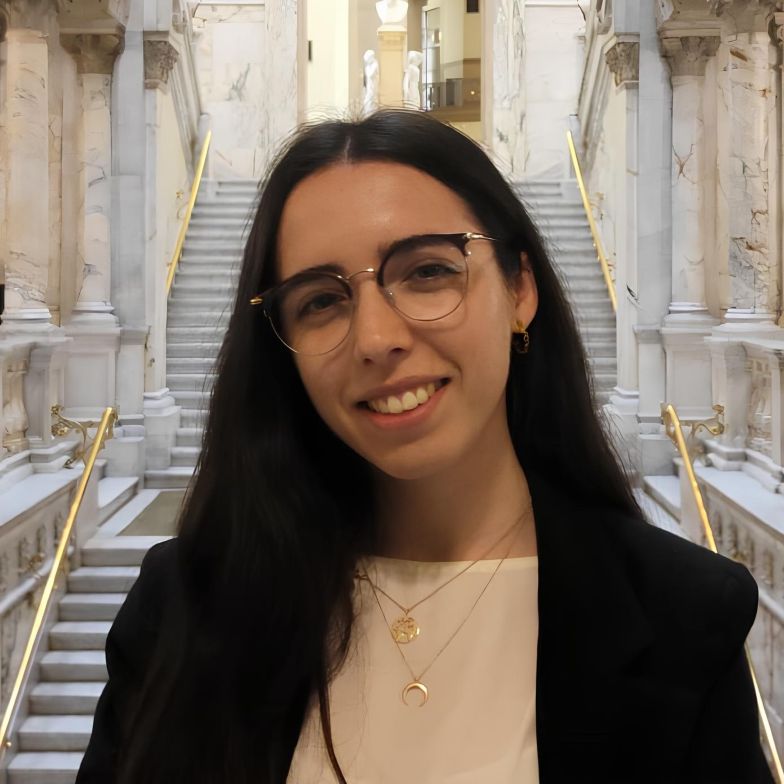
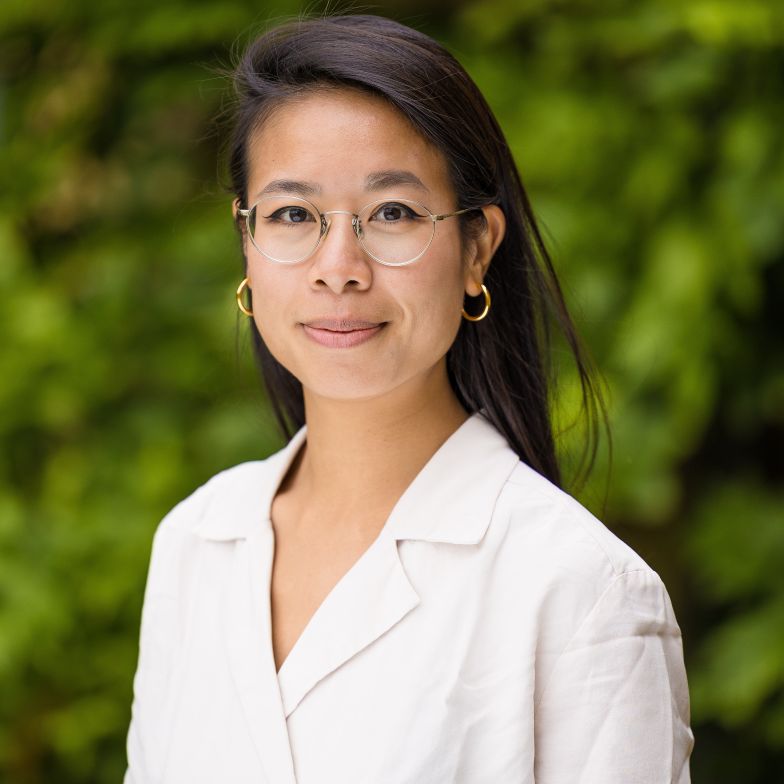
A pioneering Citizens’ Assembly brings together young participants to discuss wealth inequality across Europe and beyond. Drawing on high-level expert input and facilitated discussions, participants explore the causes and consequences of extreme wealth concentration and co-create bold, evidence-based solutions for a fairer distribution of wealth, strengthening democracy, social cohesion, and Europe’s future. //INFO: Please make sure to bring your own laptop. If you do not have one, please contact the EFA-Team at seminars@alpbach.org
15:00
-
18:00
Your Voice on Wealth: A Citizens’ Assembly
+1
STU
Content
OPCON: An Outdoor-based Leadership Seminar
Leading people is the ultimate core competence of the military. The action-oriented outdoor peer-to-peer seminar, led by cadets from the Theresian Military Academy Austria, seeks to find answers to the general theme of EFA26, “How Europe wins”, under the seminar title “OPCON”. In this context, OPCON stands for operational control and is intended to express that a common approach will be needed – while still respecting the sovereignty of the individual actors. //INFO: The seminar takes place outdoors in all weather conditions. Sportswear and sneakers are recommended.
15:00
-
18:00
OPCON: An Outdoor-based Leadership Seminar
+1
SEM
Content
From Complexity to Capacity: Policy Design under Volatility and Interdependence
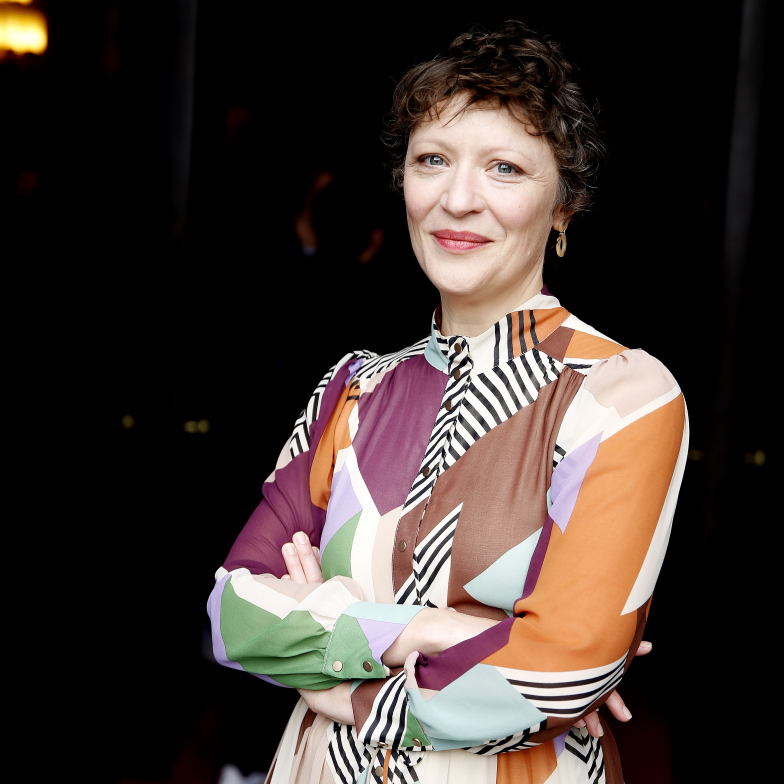
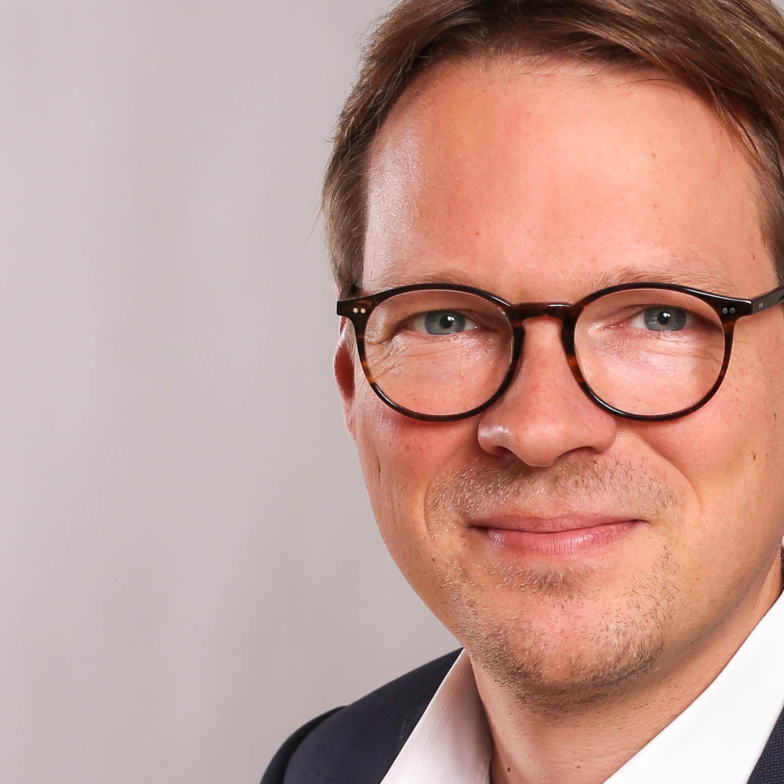
Volksschule – Backyard – Classroom 1 How can public decisions remain accountable when the conditions around them keep shifting? This Studio brings together complexity science, data, models, and concrete EU policy cases. Participants engage with cases from the European Parliament and prototype approaches to test assumptions, uncertainties, and systemic effects before decisions become difficult and costly to revise. This Studio is organised by nextlearning e. V. and the Complexity Science Hub, in cooperation with the European Parliament.
15:00
-
18:00
From Complexity to Capacity: Policy Design under Volatility and Interdependence
+4
STU
Content
Perspectives on European Memory: Objects, Stories and Shared Futures

European memory is shaped by diverse, contradictory perspectives. How can personal memories help connect perspectives and our lives without reducing them to a single story? In this Studio, we will interpret and connect objects/family stories linked to Europe’s past to gain new perspectives, link past and present, and co-create narratives that make European memory tangible and relevant for our futures. //INFO: Please make sure to bring your own laptop. If you do not have one, please contact the EFA-Team at seminars@alpbach.org
15:00
-
18:00
Perspectives on European Memory: Objects, Stories and Shared Futures
+1
STU
Content
Work Like a Policy Entrepreneur: Turn Moral Ambition into Large Societal Change
Most people who want to change the world start from a cause they love and a set solution in mind. Policy entrepreneurs ask first: which problem actually needs me and how can I make the most impact? Over five days you learn cause selection, counterfactual thinking, and coalition building, using real cases. You leave with your own theory of change and first steps to make the most impact possible. //INFO: Please make sure to bring your own laptop. If you do not have one, please contact the EFA-Team at seminars@alpbach.org
15:00
-
18:00
Work Like a Policy Entrepreneur: Turn Moral Ambition into Large Societal Change
DEM
SEM
Content
Evening
Early morning
Early morning
Sunrise Bonding
Finding a bit of peace and quiet before EFA’s vibrant vibes take over.
08:15
-
09:00
Sunrise Bonding
Rituals
Practice Breakfast
Industry experts outline what is already possible today and where the journey will lead in the near future. Participants will receive numerous insights into expected developments in the near and medium term. In addition, they will gain an overview of solutions that simplify everyday work and make production processes more efficient.
08:30
-
10:00
Practice Breakfast
FIN
Network
Morning
Morning
Hike | Euregio Inntal: Mobility. Digitalisation. Future!
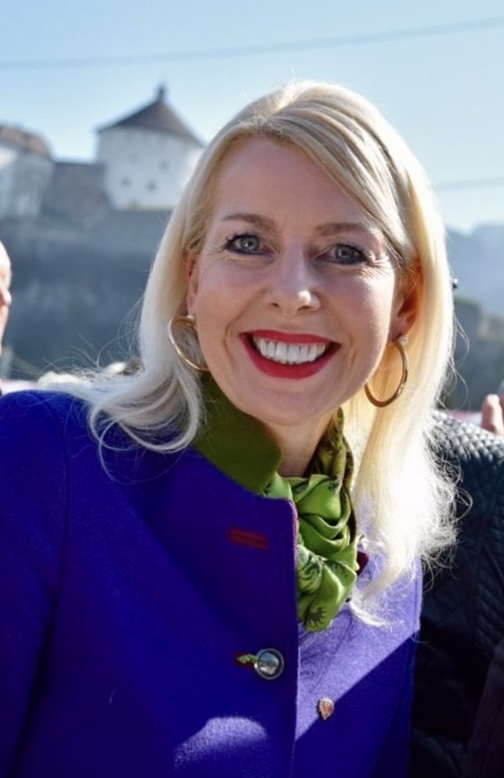
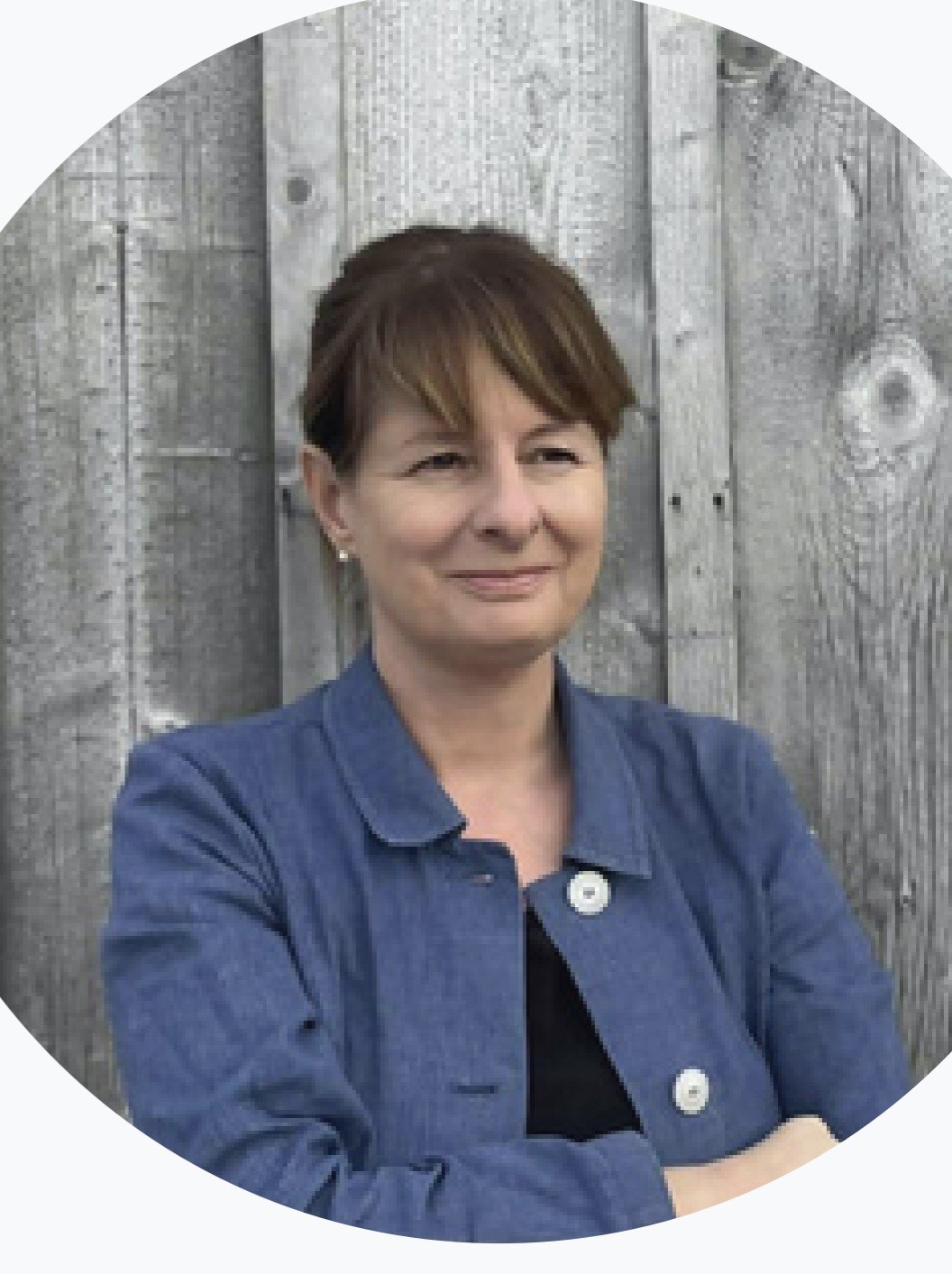
Mobility and digitalisation pose new strategic challenges for the Euregio Inntal. This Hike combines expert input with exchange and discussion. The focus of the conversations is on the future perspectives of this area of cooperation and the development of joint strategic approaches across borders. The Hike concludes at the Bischofer Käsalm. //INFO: Bring sturdy shoes and water. //INFO: In case of heavy rain, the session is going to take place at CCA – Rogger Hall.
09:00
-
11:30
Hike | Euregio Inntal: Mobility. Digitalisation. Future!
+2
CLI
Content
Labs: Multi-Day Working Sessions
Labs are 3-day facilitated working sessions with a closed and well-selected group of 30 participants that has a joint purpose with the goal that this group, first, becomes a community of action, and second, finds answers to a larger, cross-cutting problem. Discover the EFA26 Labs.
09:00
-
17:30
Labs: Multi-Day Working Sessions
CLI
DEM
FIN
SEC
LAB
Content
Is Victory Possible in the 21st Century?
What does it mean to win? At what costs may victory be achieved? Are the antagonistic and violent practices and narratives of war and victory reconcilable with a sustainable peace? This seminar critically explores the concept of victory from Antiquity to today and specifically looks at the idea of victory in war. By incorporating moral, political, and cultural considerations, victory in the 21st century is reimagined.
09:30
-
12:30
Is Victory Possible in the 21st Century?
+1
SEC
SEM
Content
Science and Ethics
Can we separate science and ethics? Where do we draw the boundaries?? In Artificial Intelligence, fairness and accountability are inseparable from how systems learn and how they justify knowledge. Scientific choices are moral choices, and ethics depend on scientific assumptions. The seminar explores good scientific practice and scientific misconduct, including falsification and fraud in academic research.
09:30
-
12:30
Science and Ethics
+1
SEM
Content
Digital Sovereignty: Why Europe Needs It and How It Can Get It
If digital sovereignty is about the ability to say ‘yes’ to a digital future that aligns with one’s interests and values – and ‘no’ to a future that doesn’t – Europe currently lacks it. In this workshop, we examine why this is the case and why it matters, what can and what should be done about it, and which policies and politics can get Europe there.
09:30
-
12:30
Digital Sovereignty: Why Europe Needs It and How It Can Get It
+1
DEM
SEM
Content
Geoeconomics and International Trade Policy
The rules-based international order is under pressure: protectionism and the strategic use of economic policy instruments are reshaping global politics and trade. This seminar explores the rise of geo-economics and examines how states use economic tools to pursue political objectives. Participants will discuss the implications for Europe’s open and interconnected economy.
09:30
-
12:30
Geoeconomics and International Trade Policy
+1
FIN
SEM
Content
A New Intergenerational Contract: Whose Future Is It Anyway?
Our systems are failing future generations, by design, not accident. This seminar confronts uncomfortable truths about power, privilege, and short-termism, asking what it means to act with intergenerational justice in mind. Rooted in scholarship on provoking consciousness and action, the seminar challenges assumptions that keep unjust systems in place. You will leave with a concrete plan to advance justice where you have the greatest influence.
09:30
-
12:30
A New Intergenerational Contract: Whose Future Is It Anyway?
+1
DEM
SEM
Content
Rethinking AI in Context: Health, Environmental Change and Sustainable Futures
AI is reshaping health systems, environments, and societies, bringing opportunities and risks – but who decides how? Who benefits and who gets left behind? How do we plan for the sustainable use of AI? This interactive seminar equips participants to navigate the key debates around AI governance. Discussing foundational concepts, real-world risks, and governance frameworks, we build towards a shared vision of sustainable, equitable AI futures. //INFO: Please make sure to bring your own laptop. If you do not have one, please contact the EFA-Team at seminars@alpbach.org
09:30
-
12:30
Rethinking AI in Context: Health, Environmental Change and Sustainable Futures
+1
CLI
SEM
Content
Carbon Dioxide Removal from the Atmosphere: A Legal Perspective Beyond Net Zero
The world is on track to exceed 1.5 °C of warming. Climate stabilisation depends on both rapidly cutting emissions and removing carbon dioxide from the atmosphere at scale. Removals are therefore an essential climate action, yet often poorly understood. This seminar explores what carbon dioxide removal is and examines the legal challenges and opportunities of net-negative emissions in the EU and beyond. //INFO: Please make sure to bring your own laptop. If you do not have one, please contact the EFA-Team at seminars@alpbach.org
09:30
-
12:30
Carbon Dioxide Removal from the Atmosphere: A Legal Perspective Beyond Net Zero
+1
CLI
SEM
Content
Perspectives on European Memory: Objects, Stories and Shared Futures
European memory is shaped by diverse, contradictory perspectives. How can personal memories help connect perspectives and our lives without reducing them to a single story? In this Studio, we will interpret and connect objects/family stories linked to Europe’s past to gain new perspectives, link past and present, and co-create narratives that make European memory tangible and relevant for our futures. //INFO: Please make sure to bring your own laptop. If you do not have one, please contact the EFA-Team at seminars@alpbach.org
09:30
-
12:30
Perspectives on European Memory: Objects, Stories and Shared Futures
+1
STU
Content
From Complexity to Capacity: Policy Design under Volatility and Interdependence
Volksschule – Backyard – Classroom 1 How can public decisions remain accountable when the conditions around them keep shifting? This Sstudio brings together complexity science, data, models, and concrete EU policy cases. Participants engage with cases from the European Parliament and prototype approaches to test assumptions, uncertainties, and systemic effects before decisions become difficult and costly to revise. This Studio is organised by nextlearning e. V. and the Complexity Science Hub, in cooperation with the European Parliament.
09:30
-
12:30
From Complexity to Capacity: Policy Design under Volatility and Interdependence
+4
STU
Content
Hope and the Power to Shape our Future
How do we find the will to act when things seem hopeless? Because we are agents who care, our relationship to the future is driven by emotions like hope, anxiety, and despair – not mere feelings, but evaluative states that orient us toward action. Drawing on philosophy and the science of emotion, this interactive seminar invites you to explore how to harness these emotions, individually and collectively, to bring about the futures you value.
09:30
-
12:30
Hope and the Power to Shape our Future
+1
SEM
Content
Financial Technology, Geopolitics, and Digital Sovereignty
Financial technologies are reshaping how markets work and citizens access services – while redrawing the balance between public and private power, transforming how money is created, and opening new arenas of competition among states and between states and corporations. How can we ensure sovereignty, data control, and self-determination in this new world? Designed for non-experts, this seminar unpacks what is at stake for society and the world economy.
09:30
-
12:30
Financial Technology, Geopolitics, and Digital Sovereignty
+1
FIN
SEM
Content
Europe Breaks Free: Reconfiguring Dependencies
New forms of great power competition are reshaping the dependency calculus of every region. How can the EU and its global partners reconfigure such dependencies in a world shaped by US-China rivalry, Russian aggression, and the transactional dismantling of multilateralism?The seminar will tackle this question conceptually but also strategically, asking which dependencies to shed and which to deepen, and explore how to pursue genuine interdependence rather than the illusion of full independence.
09:30
-
12:30
Europe Breaks Free: Reconfiguring Dependencies
+1
SEC
SEM
Content
Your Voice on Wealth: A Citizens’ Assembly
A pioneering Citizens’ Assembly brings together young participants to discuss wealth inequality across Europe and beyond. Drawing on high-level expert input and facilitated discussions, participants explore the causes and consequences of extreme wealth concentration and co-create bold, evidence-based solutions for a fairer distribution of wealth, strengthening democracy, social cohesion, and Europe’s future. //INFO: Please make sure to bring your own laptop. If you do not have one, please contact the EFA-Team at seminars@alpbach.org
09:30
-
12:30
Your Voice on Wealth: A Citizens’ Assembly
+1
STU
Content
Tyrolean Technology Brunch
An exclusive networking event as part of the Euregio Days 2026: take the opportunity to exchange ideas with representatives from business, academia, politics, and regional development on technology and digitalisation in Tyrol and Europe.
10:30
-
12:00
Tyrolean Technology Brunch
FIN
Network
Noon
Noon
Europe Delivers. Young Entrepreneurs on Responsibility and Europe’s Future
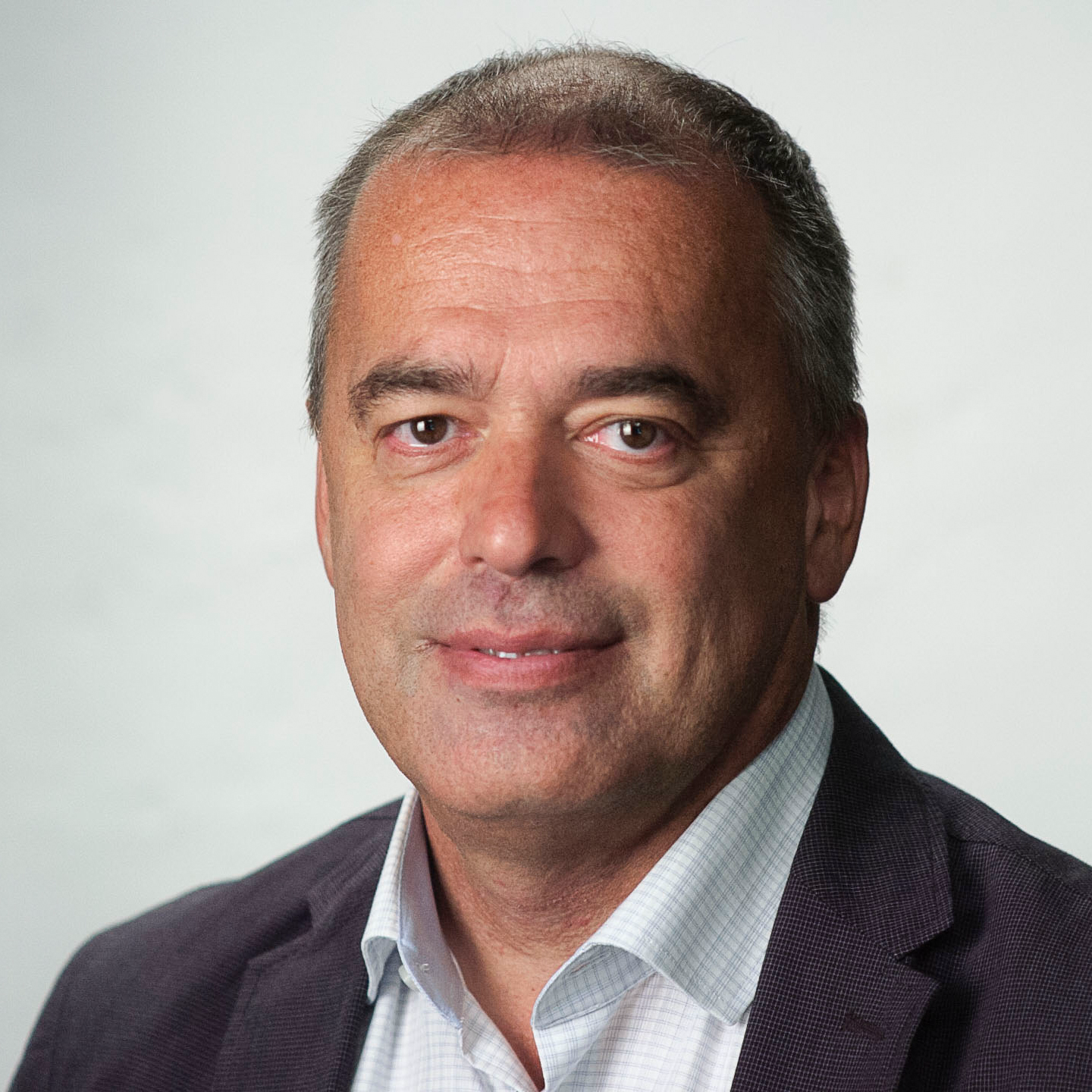

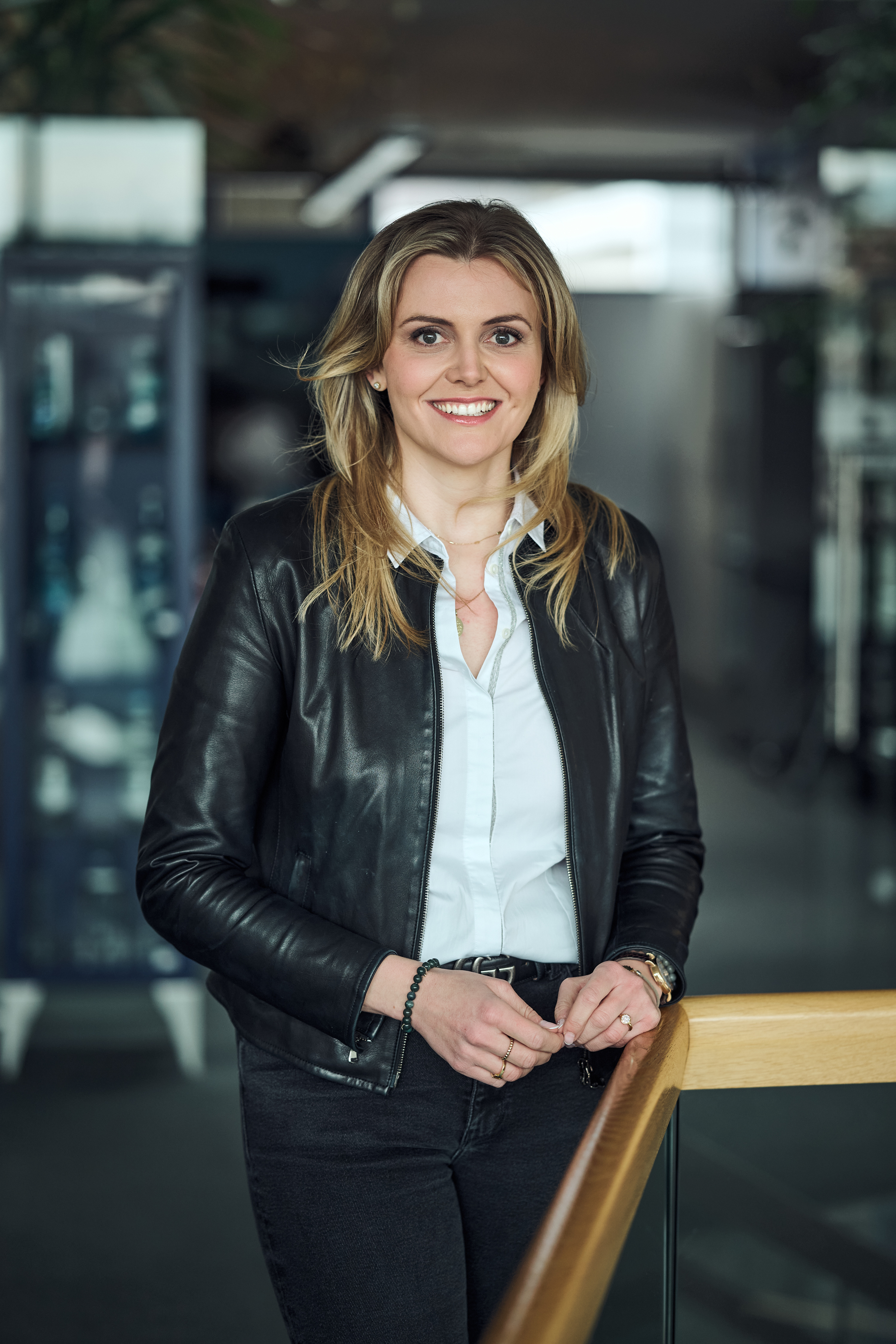
National approaches often reach their limits, while key challenges are increasingly cross-border in nature. Approaches to strengthening competitiveness, innovation, skilled workforce, and digitalisation in Europe are discussed. This generates momentum for concrete reform steps and future economic resilience.
13:00
-
14:00
Europe Delivers. Young Entrepreneurs on Responsibility and Europe’s Future
+4
FIN
Content
Food for Thought
Sebastian PLESSNERThe Future of Our Forests - How to save our green eco-systemsMittelschule, Ground Floor-Portacabin Luis BRUCHEFA through the years: how a theme represents the change in Europe - painting the muralMittelschule Terrace Tom THIERCELINEditorial & Street Photography: finding the subject, independent photographers from the 2010-20s. Mittelschule Ground Floor-Room 2 Olimpia MAILATSeeing "the other": non-human animal representation and advocacy in cinemaMittelschule Ground Floor-Room 3 Maria STRONSKADance your stress away: dive into Brazilian zoukMittelschule Ground Floor-Gym Karolina JELINKOVAEvidence-based policy making - An introduction to causal inference: can we truly know X causes Y?Mittelschule First Floor-Conference Room Sara RODRÍGUEZObsession and Possession: (Re)Interpreting the Female MonsterMittelschule First Floor-EDV Room Mila LOKTIONOVAMigrants and Fitting-In: On Whose Terms?Mittelschule, First Floor-Handarbeitsraum Clara ZUFFINOFrom Periphery to Centre Stage: Connecting Europe from the EdgeMittelschule, First Floor-PhysikraumPetr BANDAHow free is free? Roma in Europe past and presentMittelschule Ground Floor-Room 4
13:30
-
14:30
Food for Thought
SEM
STU
Content
Afternoon
Afternoon
Your Voice on Wealth: A Citizens’ Assembly
A pioneering Citizens’ Assembly brings together young participants to discuss wealth inequality across Europe and beyond. Drawing on high-level expert input and facilitated discussions, participants explore the causes and consequences of extreme wealth concentration and co-create bold, evidence-based solutions for a fairer distribution of wealth, strengthening democracy, social cohesion, and Europe’s future. //INFO: Please make sure to bring your own laptop. If you do not have one, please contact the EFA-Team at seminars@alpbach.org
15:00
-
18:00
Your Voice on Wealth: A Citizens’ Assembly
+1
STU
Content
Rewilding Environmental Practices
What if the future could be otherwise? This seminar explores imaginative agency through lateral thinking: taking detours, embracing surprise, and making the familiar strange. We will read and discuss texts, walkthrough the forest, observe, photograph, draw, write, cut, paste, and map. Together, we will create a collective utopian map of futures that do not yet exist - but perhaps could.
15:00
-
18:00
Rewilding Environmental Practices
+1
ART
SEM
Content
Dialogue across Divides: Designing Better Conversations for a Polarised World
Globally, polarisation is rising, yet confrontation isn’t inevitable. Constructive dialogue, curiosity over conflict, and finding common ground are choices we can make. This seminar explores the state of division and what it means for society. Through case studies, workshops, and interactive activities, we’'ll examine the forces shaping political disagreement, and how we can bridge divides to have more productive political conversations. //INFO: Please make sure to bring your own laptop. If you do not have one, please contact the EFA-Team at seminars@alpbach.org
15:00
-
18:00
Dialogue across Divides: Designing Better Conversations for a Polarised World
+1
DEM
SEM
Content
Creative Writing: Co-operation, Leadership and Empathy
Europe is often treated as geographical entity rather than a community shaped by shared values, such as cooperation, leadership, and empathy. This seminar uses story, poetry, memoir, reflective essays, and collaborative projects to explore ideas of solidarity, responsibility, and belonging across cultures and generations. Participants develop original texts and new perspectives that support dialogue and understanding across borders.
15:00
-
18:00
Creative Writing: Co-operation, Leadership and Empathy
+1
ART
SEM
Content
OPCON: An Outdoor-based Leadership Seminar
Leading people is the ultimate core competence of the military. The action-oriented outdoor peer-to-peer seminar, led by cadets from the Theresian Military Academy Austria, seeks to find answers to the general theme of EFA26, “How Europe wins”, under the seminar title “OPCON”. In this context, OPCON stands for operational control and is intended to express that a common approach will be needed – while still respecting the sovereignty of the individual actors. //INFO: The seminar takes place outdoors in all weather conditions. Sportswear and sneakers are recommended.
15:00
-
18:00
OPCON: An Outdoor-based Leadership Seminar
+1
SEM
Content
Stronger Together: The Power of the Ensemble.
This seminar will explore the ways in which many individuals can end up working as a cohesive team. Creating an effective and dynamic piece of theatre requires every actor to work seamlessly with the rest of the ensemble regardless of whether their part is major or minor. Acting students from the Royal Academy of Dramatic Art in London will share those parts of their training that enable this important connection.
15:00
-
18:00
Stronger Together: The Power of the Ensemble.
+1
ART
SEM
Content
Capital in Motion: Understanding How Capital Moves the World
This seminar makes capital markets tangible. Participants act as investors, make decisions under uncertainty, and explore how capital shapes companies and Europe’s future. Simulation, expert insights, and discussion connect theory with real-world application. //INFO: Please make sure to bring your own laptop. If you do not have one, please contact the EFA-Team at seminars@alpbach.org
15:00
-
18:00
Capital in Motion: Understanding How Capital Moves the World
+1
FIN
SEM
Content
Theatre as a Sanctuary: How Theatre Builds Confidence and Connection
Many actors are introduced to theatre when their parents send them to theatre workshops to overcome their shyness and gain confidence; they end up going on stage in front of hundreds of people. The stage is their place of safety. So, what is it about working together to create a piece of theatre that produces this feeling? This seminar, led by students from the Royal Academy of Dramatic Art in London, will explore this question.
15:00
-
18:00
Theatre as a Sanctuary: How Theatre Builds Confidence and Connection
+1
ART
SEM
Content
Activist Filmmaking: Telling Stories of Resistance and Hope
Ecological and social crises dominate the newsfeeds, pushing many people into apathy. How can artistic practices offer a way out? In the seminar, stories of resistance will be explored: Participants will learn about activist filmmaking, engage in dialogue about the narratives we are surrounded by, and create their own piece of hope to empower themselves and others.
15:00
-
18:00
Activist Filmmaking: Telling Stories of Resistance and Hope
+1
ART
SEM
Content
How Europe Winds
Air is essential yet often taken for granted, despite shaping movement, interaction, and perception. The posed question is not How Europe Wins but Winds — like a wind that opens spaces, brings together different voices, and creates new possibilities. Through movement, sound, and collective improvisation, participants are invited to explore ways of expressing themselves artistically. The session culminates in a shared performance, weaving together movement, sound, and expression.
15:00
-
18:00
How Europe Winds
+2
ART
SEM
Content
From Complexity to Capacity: Policy Design under Volatility and Interdependence
Volksschule – Backyard – Classroom 1 How can public decisions remain accountable when the conditions around them keep shifting? This Studio brings together complexity science, data, models, and concrete EU policy cases. Participants engage with cases from the European Parliament and prototype approaches to test assumptions, uncertainties, and systemic effects before decisions become difficult and costly to revise. This Studio is organised by nextlearning e. V. and the Complexity Science Hub, in cooperation with the European Parliament.
15:00
-
18:00
From Complexity to Capacity: Policy Design under Volatility and Interdependence
+4
STU
Content
Work Like a Policy Entrepreneur: Turn Moral Ambition into Large Societal Change
Most people who want to change the world start from a cause they love and a set solution in mind. Policy entrepreneurs ask first: which problem actually needs me and how can I make the most impact? Over five days you learn cause selection, counterfactual thinking, and coalition building, using real cases. You leave with your own theory of change and first steps to make the most impact possible. //INFO: Please make sure to bring your own laptop. If you do not have one, please contact the EFA-Team at seminars@alpbach.org
15:00
-
18:00
Work Like a Policy Entrepreneur: Turn Moral Ambition into Large Societal Change
DEM
SEM
Content
Perspectives on European Memory: Objects, Stories and Shared Futures
European memory is shaped by diverse, contradictory perspectives. How can personal memories help connect perspectives and our lives without reducing them to a single story? In this Studio, we will interpret and connect objects/family stories linked to Europe’s past to gain new perspectives, link past and present, and co-create narratives that make European memory tangible and relevant for our futures. //INFO: Please make sure to bring your own laptop. If you do not have one, please contact the EFA-Team at seminars@alpbach.org
15:00
-
18:00
Perspectives on European Memory: Objects, Stories and Shared Futures
+1
STU
Content
Evening
Evening
Into the Silence
A place of calm: Spiritual impulses from various religious and philosophical backgrounds invite you to contemplate and reflect. Inspiring initiators tell their stories, take you on a journey of the mind and initiate moments of genuine stillness.
18:30
-
19:00
Into the Silence
Rituals
Career Development: Future Skills in the Euregio Labour Market
The labour market in the Euregio Tyrol-South Tyrol-Trentino is changing rapidly due to new skill demands. This session brings together perspectives from higher education, vocational education and practice to discuss Future Skills in an open dialogue. The exchange highlights regional qualification needs and outlines pathways for cross-border career development.
18:30
-
20:00
Career Development: Future Skills in the Euregio Labour Market
FIN
Network
FANC - Pub Quiz
Test your trivia skills! Think you know it all? Gather your new friends and join us for the ultimate Pub Quiz night!
19:30
-
21:30
FANC - Pub Quiz
Content
Open Air Concert: Alpbach Brass Band
On Fridays during the summer months, the Alpbach brass band gives an open-air concert in the village square. All Alpbach residents as well as national and international guests are warmly invited!
20:00
-
21:00
Open Air Concert: Alpbach Brass Band
Rituals
Cheers to Our Shared Journey
Celebrate the EFA Academy Days with us! Reconnect with familiar faces, meet new people from our studio and seminar formats, and enjoy a relaxed chat over a drink. We’re looking forward to seeing you there!
20:00
-
22:00
Cheers to Our Shared Journey
LAB
Network
EuregioImpactNight: Between Vision and Reality

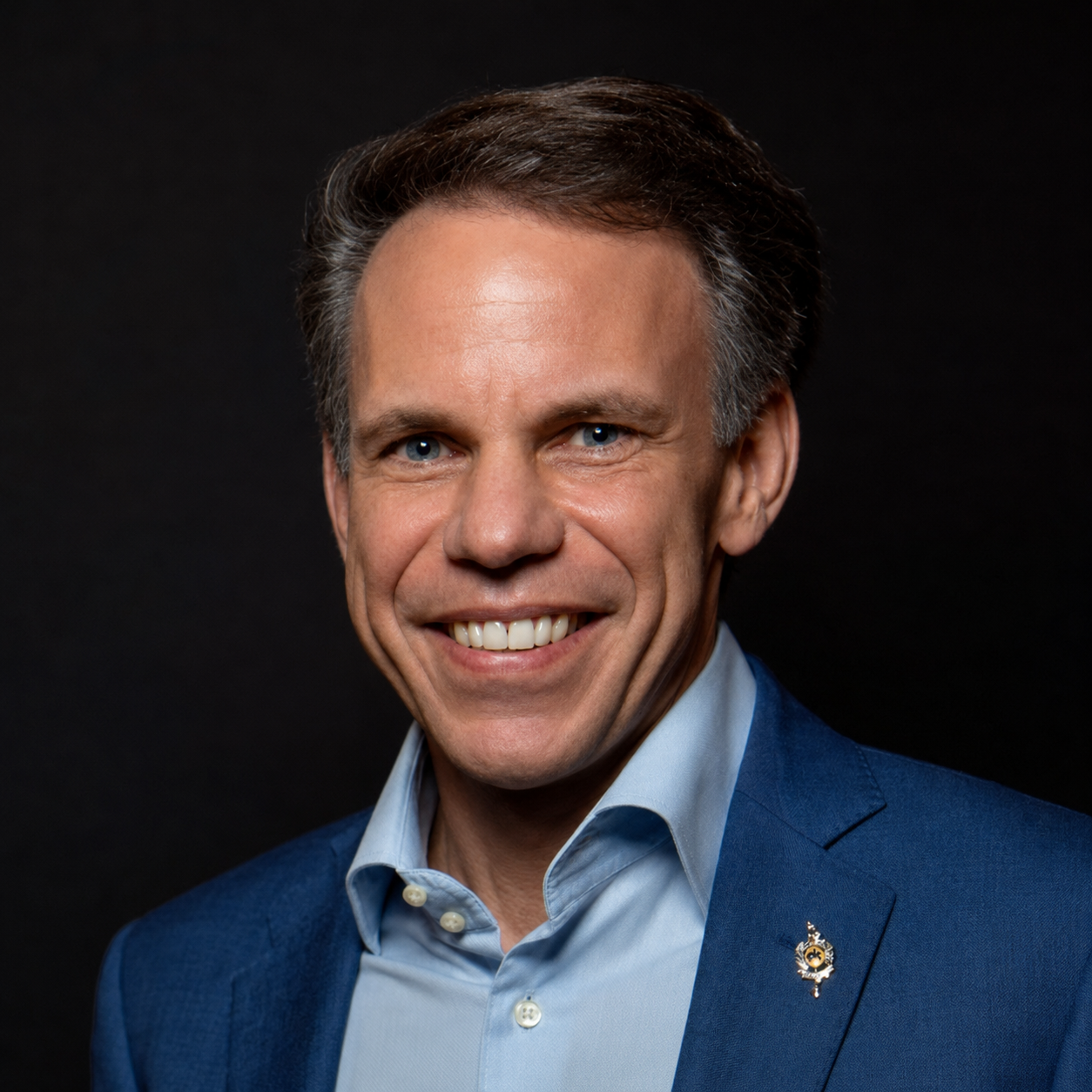
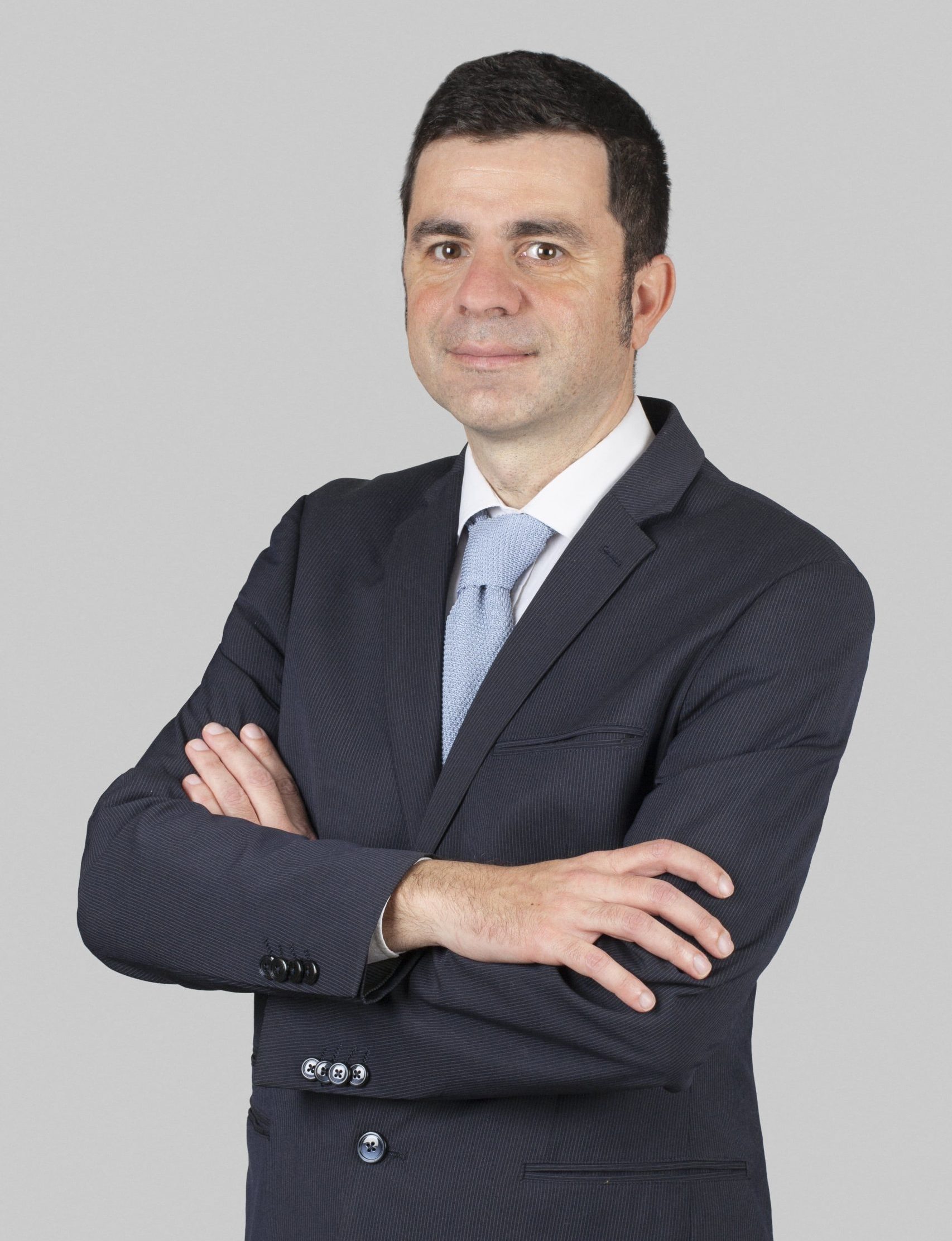
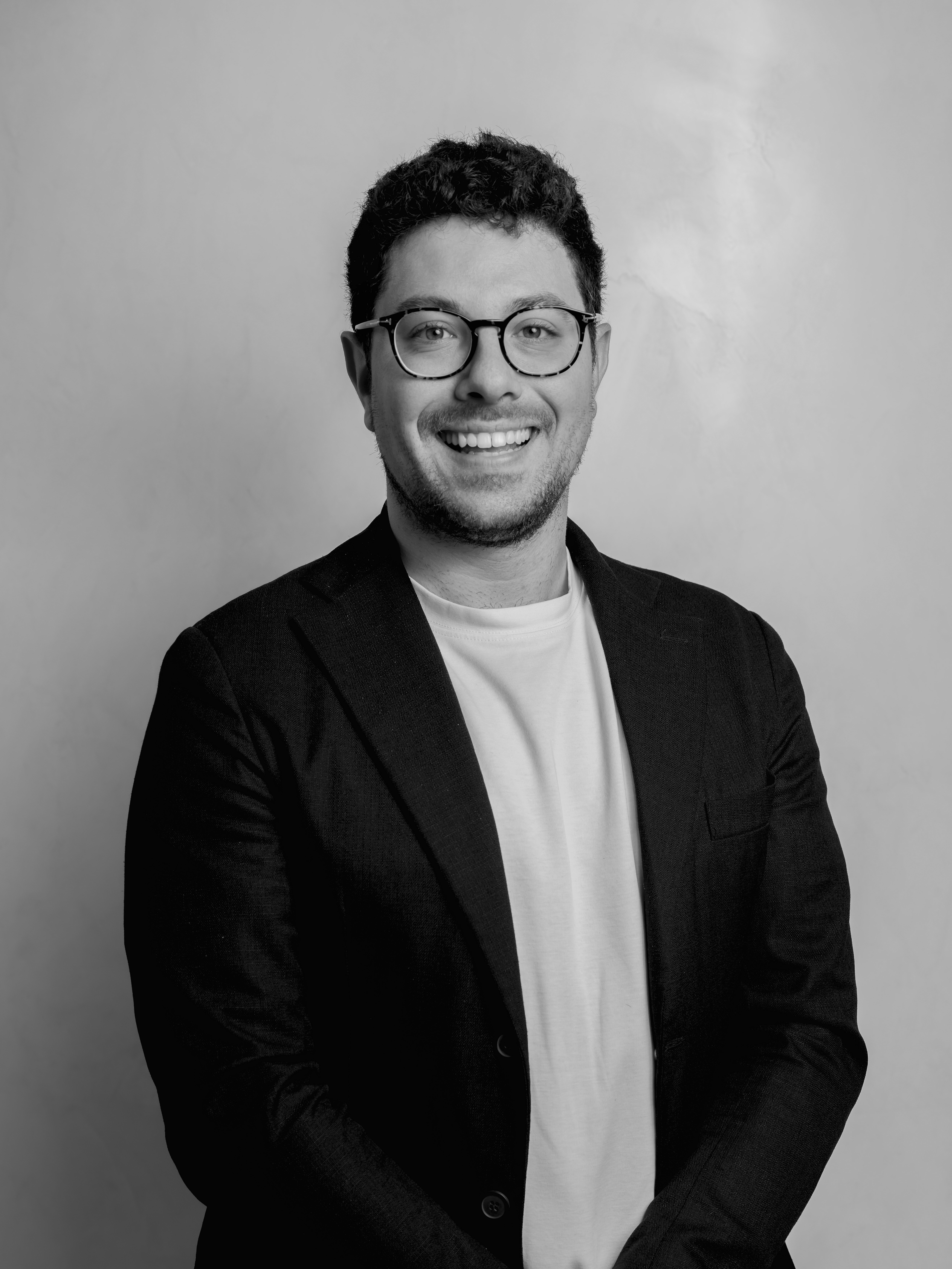

Social entrepreneurs develop business solutions to societal challenges. Founders and experts from the fields of impact investing and innovation promotion will share practical insights into building impact-driven businesses and discuss opportunities and structural challenges in a regional and European context. The discussion will be further explored in the subsequent World Café session.
20:30
-
23:00
EuregioImpactNight: Between Vision and Reality
+12
FIN
Content
Early morning
Early morning
Into the Silence
A place of calm: Spiritual impulses from various religious and philosophical backgrounds invite you to contemplate and reflect. Inspiring initiators tell their stories, take you on a journey of the mind, and initiate moments of genuine stillness.
08:00
-
09:00
Into the Silence
Rituals
Sunrise Bonding
Finding a bit of peace and quiet before EFA’s vibrant vibes take over.
08:15
-
09:00
Sunrise Bonding
Rituals
Morning
Morning
Between Security and Rights: Minority Governance in the Baltic States and Ukraine

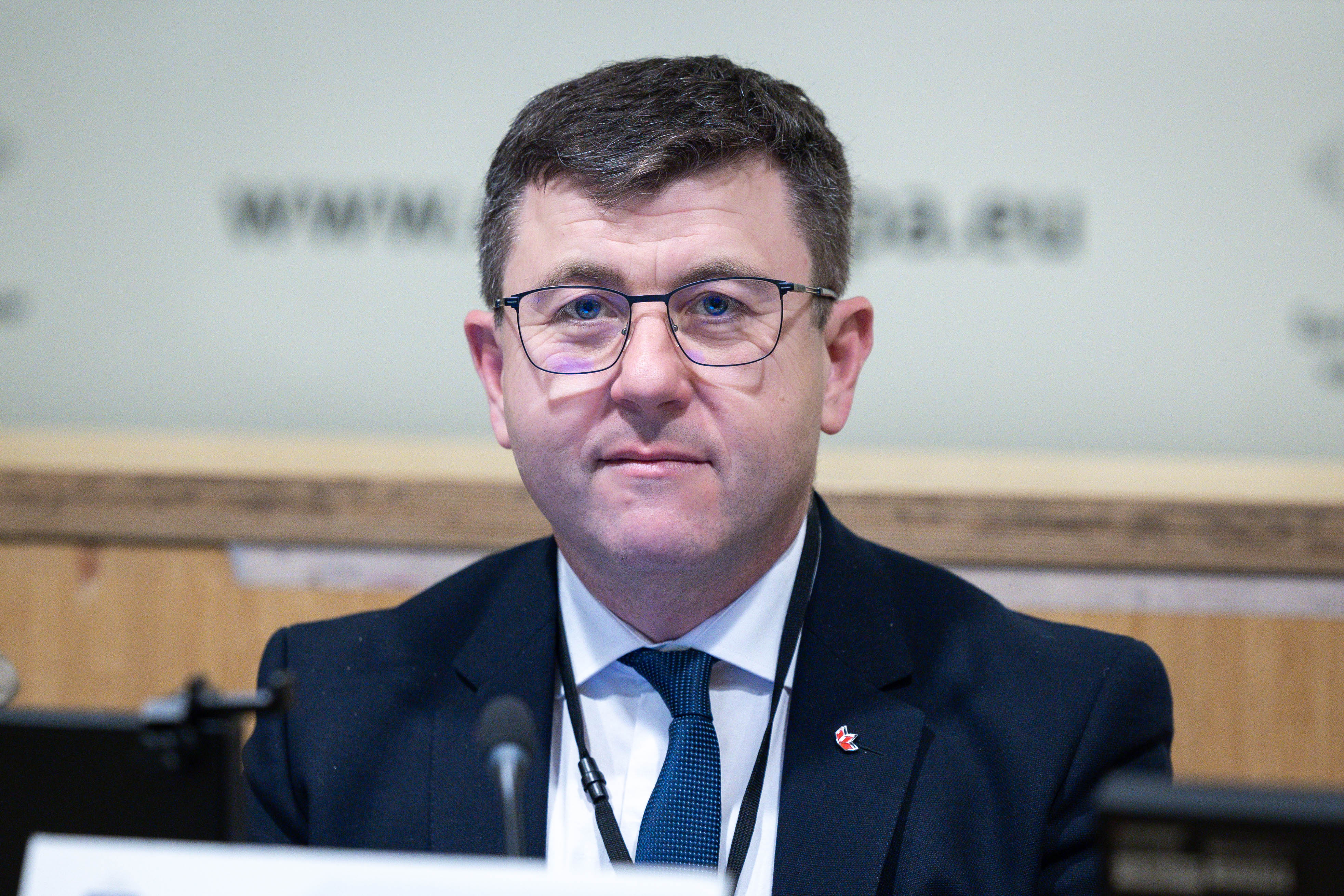
Security concerns since 2022 have reshaped how minority issues are governed in the Baltic States and Ukraine. The session brings together regional perspectives to examine these shifts and their policy effects. It identifies risks of securitisation and outlines approaches to balance security and minority rights.
09:00
-
12:00
Between Security and Rights: Minority Governance in the Baltic States and Ukraine
+12
DEM
SEC
Content
Labs: Multi-Day Working Sessions
Labs are 3-day facilitated working sessions with a closed and well-selected group of 30 participants that has a joint purpose with the goal that this group, first, becomes a community of action, and second, finds answers to a larger, cross-cutting problem. Discover the EFA26 Labs.
09:00
-
17:30
Labs: Multi-Day Working Sessions
CLI
DEM
FIN
SEC
LAB
Content
From Complexity to Capacity: Policy Design under Volatility and Interdependence
Volksschule – Backyard – Classroom 1 How can public decisions remain accountable when the conditions around them keep shifting? This Sstudio brings together complexity science, data, models, and concrete EU policy cases. Participants engage with cases from the European Parliament and prototype approaches to test assumptions, uncertainties, and systemic effects before decisions become difficult and costly to revise. This Studio is organised by nextlearning e. V. and the Complexity Science Hub, in cooperation with the European Parliament.
09:30
-
12:30
From Complexity to Capacity: Policy Design under Volatility and Interdependence
+4
STU
Content
Financial Technology, Geopolitics, and Digital Sovereignty
Financial technologies are reshaping how markets work and citizens access services – while redrawing the balance between public and private power, transforming how money is created, and opening new arenas of competition among states and between states and corporations. How can we ensure sovereignty, data control, and self-determination in this new world? Designed for non-experts, this seminar unpacks what is at stake for society and the world economy.
09:30
-
12:30
Financial Technology, Geopolitics, and Digital Sovereignty
+1
FIN
SEM
Content
Europe Breaks Free: Reconfiguring Dependencies
New forms of great power competition are reshaping the dependency calculus of every region. How can the EU and its global partners reconfigure such dependencies in a world shaped by US-China rivalry, Russian aggression, and the transactional dismantling of multilateralism?The seminar will tackle this question conceptually but also strategically, asking which dependencies to shed and which to deepen, and explore how to pursue genuine interdependence rather than the illusion of full independence.
09:30
-
12:30
Europe Breaks Free: Reconfiguring Dependencies
+1
SEC
SEM
Content
Your Voice on Wealth: A Citizens’ Assembly
A pioneering Citizens’ Assembly brings together young participants to discuss wealth inequality across Europe and beyond. Drawing on high-level expert input and facilitated discussions, participants explore the causes and consequences of extreme wealth concentration and co-create bold, evidence-based solutions for a fairer distribution of wealth, strengthening democracy, social cohesion, and Europe’s future. //INFO: Please make sure to bring your own laptop. If you do not have one, please contact the EFA-Team at seminars@alpbach.org
09:30
-
12:30
Your Voice on Wealth: A Citizens’ Assembly
+1
STU
Content
Geoeconomics and International Trade Policy
The rules-based international order is under pressure: protectionism and the strategic use of economic policy instruments are reshaping global politics and trade. This seminar explores the rise of geo-economics and examines how states use economic tools to pursue political objectives. Participants will discuss the implications for Europe’s open and interconnected economy.
09:30
-
12:30
Geoeconomics and International Trade Policy
+1
FIN
SEM
Content
A New Intergenerational Contract: Whose Future Is It Anyway?
Our systems are failing future generations, by design, not accident. This seminar confronts uncomfortable truths about power, privilege, and short-termism, asking what it means to act with intergenerational justice in mind. Rooted in scholarship on provoking consciousness and action, the seminar challenges assumptions that keep unjust systems in place. You will leave with a concrete plan to advance justice where you have the greatest influence.
09:30
-
12:30
A New Intergenerational Contract: Whose Future Is It Anyway?
+1
DEM
SEM
Content
Is Victory Possible in the 21st Century?
What does it mean to win? At what costs may victory be achieved? Are the antagonistic and violent practices and narratives of war and victory reconcilable with a sustainable peace? This seminar critically explores the concept of victory from Antiquity to today and specifically looks at the idea of victory in war. By incorporating moral, political, and cultural considerations, victory in the 21st century is reimagined.
09:30
-
12:30
Is Victory Possible in the 21st Century?
+1
SEC
SEM
Content
Science and Ethics
Can we separate science and ethics? Where do we draw the boundaries?? In Artificial Intelligence, fairness and accountability are inseparable from how systems learn and how they justify knowledge. Scientific choices are moral choices, and ethics depend on scientific assumptions. The seminar explores good scientific practice and scientific misconduct, including falsification and fraud in academic research.
09:30
-
12:30
Science and Ethics
+1
SEM
Content
Digital Sovereignty: Why Europe Needs It and How It Can Get It
If digital sovereignty is about the ability to say ‘yes’ to a digital future that aligns with one’s interests and values – and ‘no’ to a future that doesn’t – Europe currently lacks it. In this workshop, we examine why this is the case and why it matters, what can and what should be done about it, and which policies and politics can get Europe there.
09:30
-
12:30
Digital Sovereignty: Why Europe Needs It and How It Can Get It
+1
DEM
SEM
Content
Hope and the Power to Shape our Future
How do we find the will to act when things seem hopeless? Because we are agents who care, our relationship to the future is driven by emotions like hope, anxiety, and despair – not mere feelings, but evaluative states that orient us toward action. Drawing on philosophy and the science of emotion, this interactive seminar invites you to explore how to harness these emotions, individually and collectively, to bring about the futures you value.
09:30
-
12:30
Hope and the Power to Shape our Future
+1
SEM
Content
Rethinking AI in Context: Health, Environmental Change and Sustainable Futures
AI is reshaping health systems, environments, and societies, bringing opportunities and risks – but who decides how? Who benefits and who gets left behind? How do we plan for the sustainable use of AI? This interactive seminar equips participants to navigate the key debates around AI governance. Discussing foundational concepts, real-world risks, and governance frameworks, we build towards a shared vision of sustainable, equitable AI futures. //INFO: Please make sure to bring your own laptop. If you do not have one, please contact the EFA-Team at seminars@alpbach.org
09:30
-
12:30
Rethinking AI in Context: Health, Environmental Change and Sustainable Futures
+1
CLI
SEM
Content
Carbon Dioxide Removal from the Atmosphere: A Legal Perspective Beyond Net Zero
The world is on track to exceed 1.5 °C of warming. Climate stabilisation depends on both rapidly cutting emissions and removing carbon dioxide from the atmosphere at scale. Removals are therefore an essential climate action, yet often poorly understood. This seminar explores what carbon dioxide removal is and examines the legal challenges and opportunities of net-negative emissions in the EU and beyond. //INFO: Please make sure to bring your own laptop. If you do not have one, please contact the EFA-Team at seminars@alpbach.org
09:30
-
12:30
Carbon Dioxide Removal from the Atmosphere: A Legal Perspective Beyond Net Zero
+1
CLI
SEM
Content
Noon
Noon
Brown Bag Lunch | Opportunities for Concrete Cross-Border Cooperation
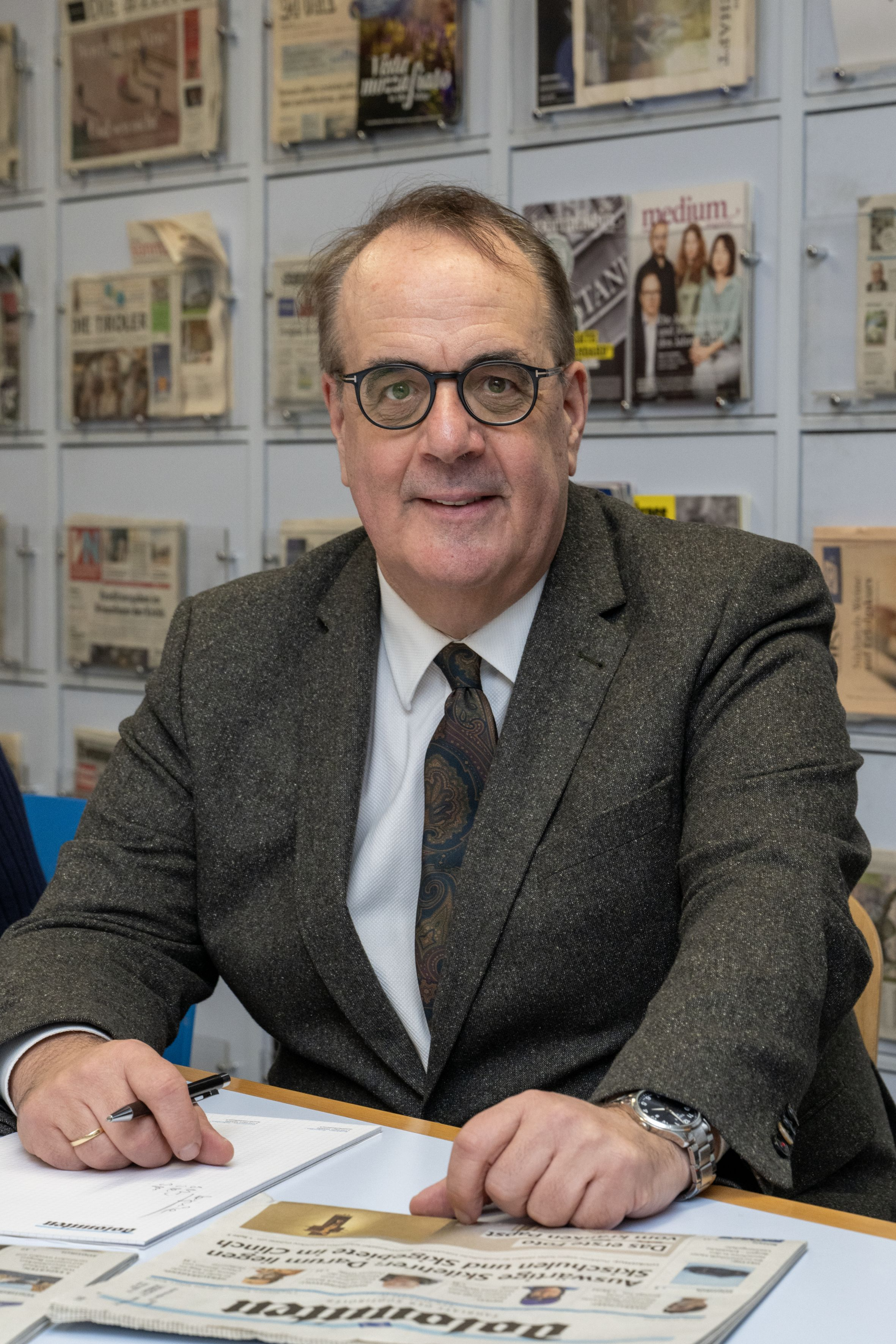
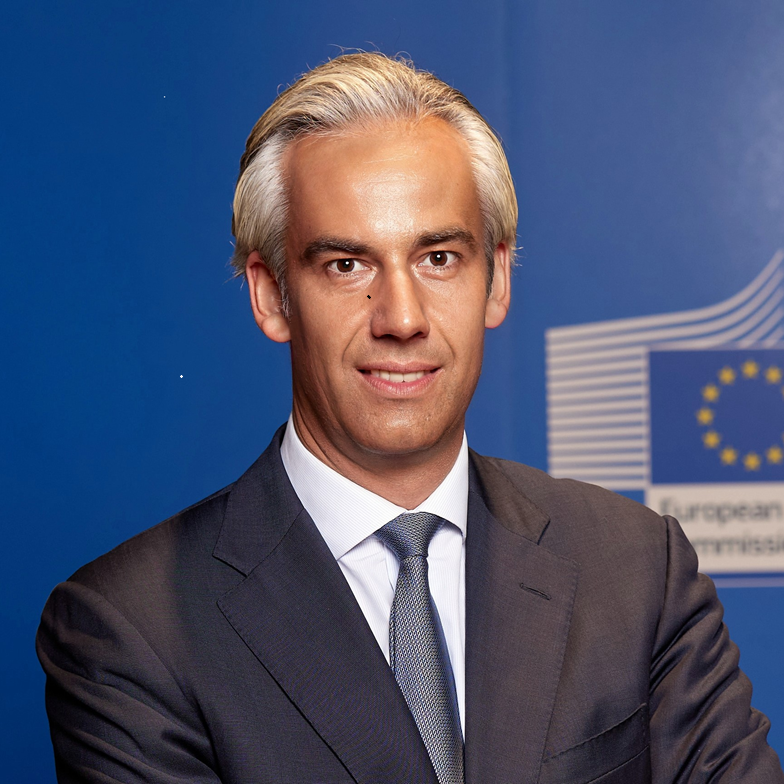
The European Region Tyrol-South Tyrol-Trentino was established as a way of reconnecting with the historical roots of the Princely County of Tyrol, which existed from 1504 to 1918. Today, identity-building initiatives remain an important part of its work. Increasingly, however, the focus is on the question of whether, beyond mere symbolism, cross-border projects can be implemented that provide tangible benefits to the nearly 1.9 million people living in the three regions across two EU member states.
12:45
-
13:45
Brown Bag Lunch | Opportunities for Concrete Cross-Border Cooperation
+1
Content
Strengthening Cross-Border Cooperation: Perspectives for Europe
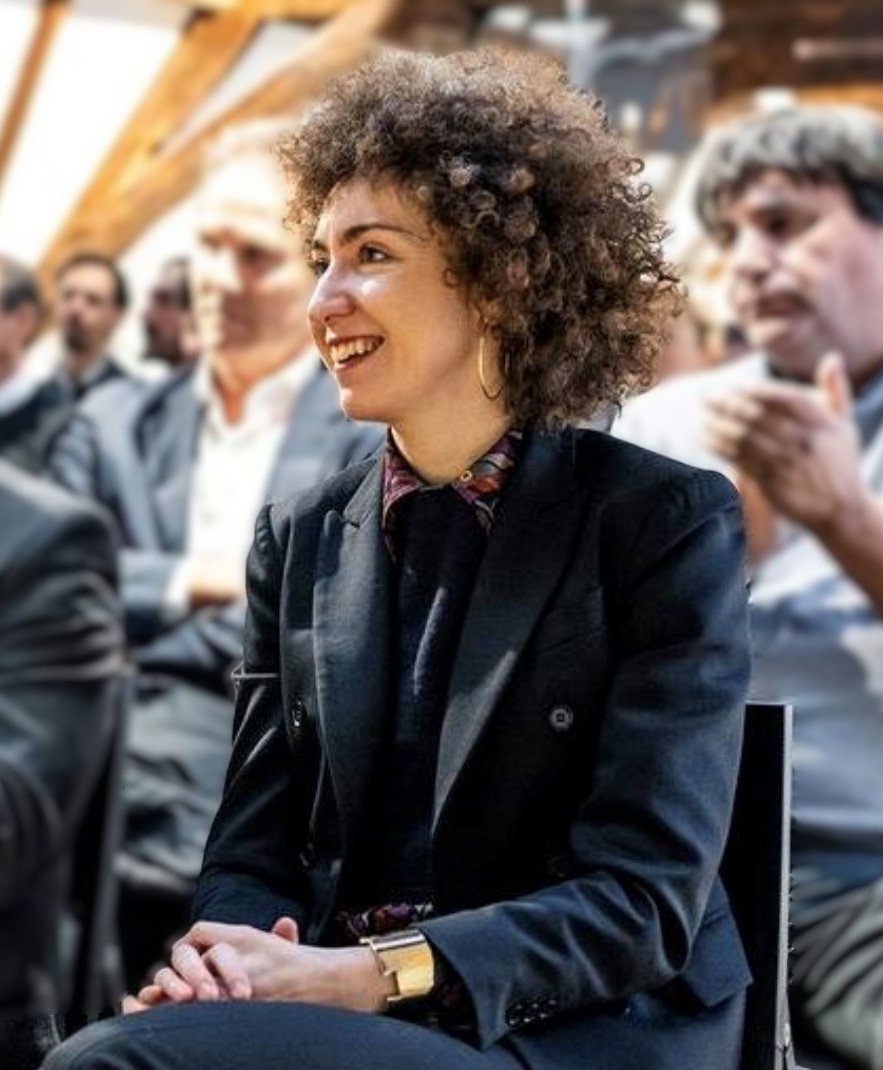
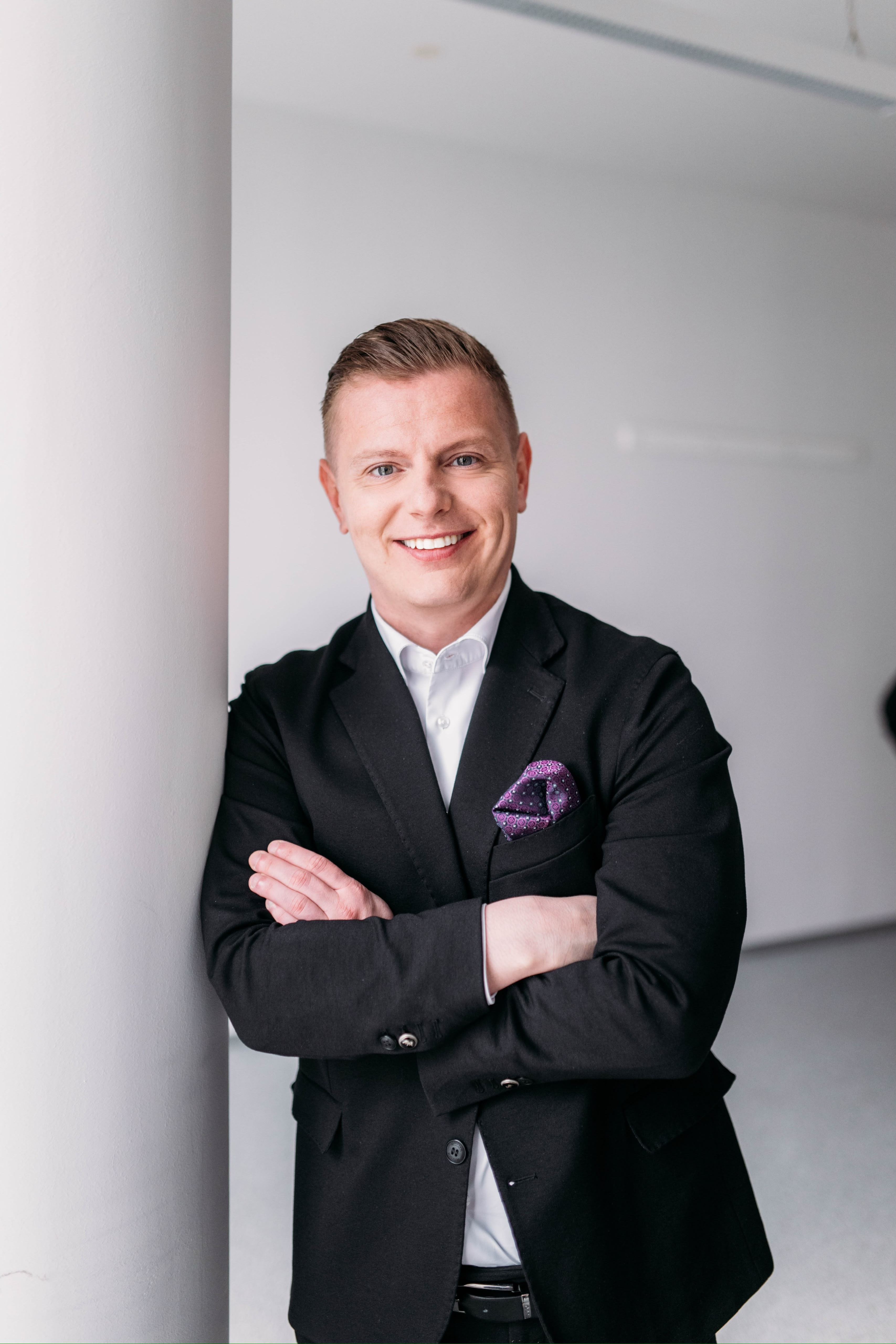
Border regions require reliable frameworks and effective funding instruments to address shared challenges. This session brings together local and regional perspectives with European experience in an interactive exchange. The discussion will provide orientation for the next European Union funding period and explore ways to strengthen the representation of cross-border interests at the European level.
13:30
-
15:00
Strengthening Cross-Border Cooperation: Perspectives for Europe
+3
DEM
FIN
Content
Afternoon
Afternoon
Euregio Young Researchers Award
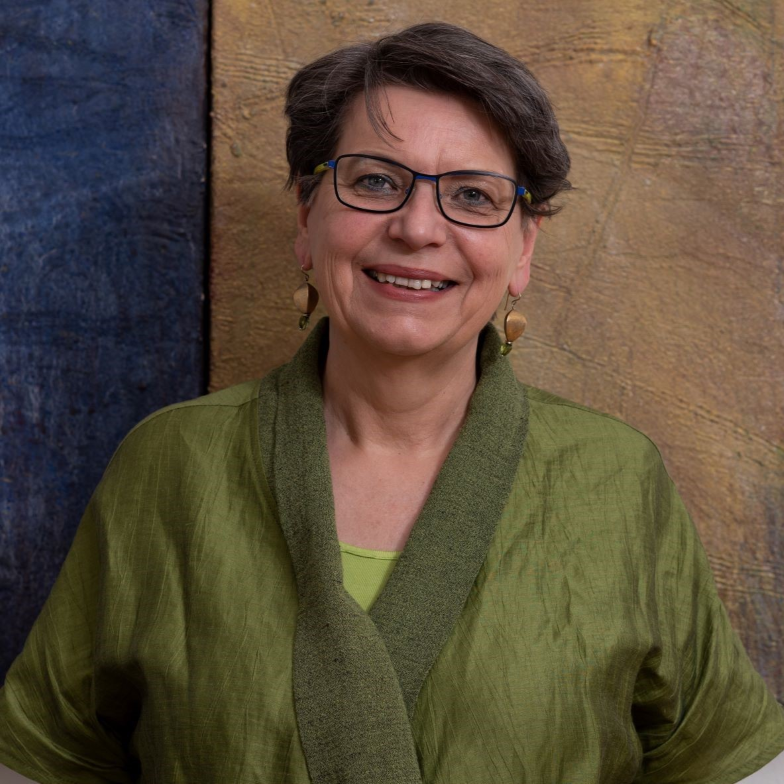
Young researchers under the age of 35 present their research projects on the topic of strong regions. The aim is to make research from the region more visible and to foster intergenerational dialogue with decisionmakers from academia and politics. A high‑level jury selects the award winners, who are honoured in the evening.
14:00
-
17:30
Euregio Young Researchers Award
CLI
DEM
FIN
SEC
Content
Euregio Innovation Award
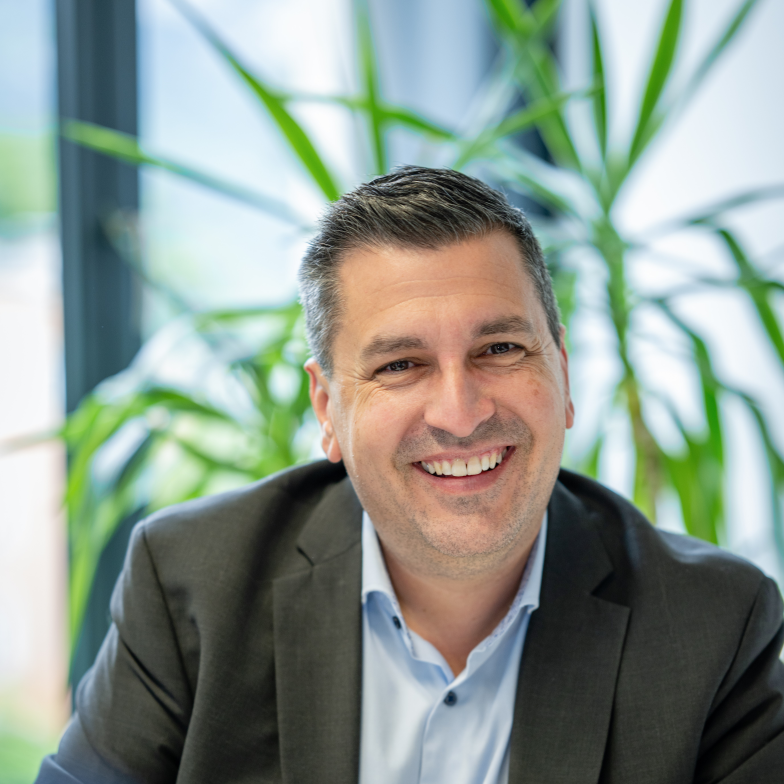
The Euregio Innovation Award recognises creative products, technologies, and services that strengthen the competitive position of the Euregio Tyrol-South Tyrol-Trentino. Companies from all three regions present their projects. A high-level jury selects the award winners, who are honoured in the evening.
14:00
-
17:30
Euregio Innovation Award
CLI
DEM
FIN
SEC
Content
OPCON: An Outdoor-based Leadership Seminar
Leading people is the ultimate core competence of the military. The action-oriented outdoor peer-to-peer seminar, led by cadets from the Theresian Military Academy Austria, seeks to find answers to the general theme of EFA26, “How Europe wins”, under the seminar title “OPCON”. In this context, OPCON stands for operational control and is intended to express that a common approach will be needed – while still respecting the sovereignty of the individual actors. //INFO: The seminar takes place outdoors in all weather conditions. Sportswear and sneakers are recommended.
15:00
-
18:00
OPCON: An Outdoor-based Leadership Seminar
+1
SEM
Content
Hike | EU Dialogue with Local Communities
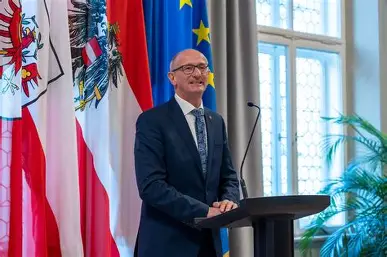
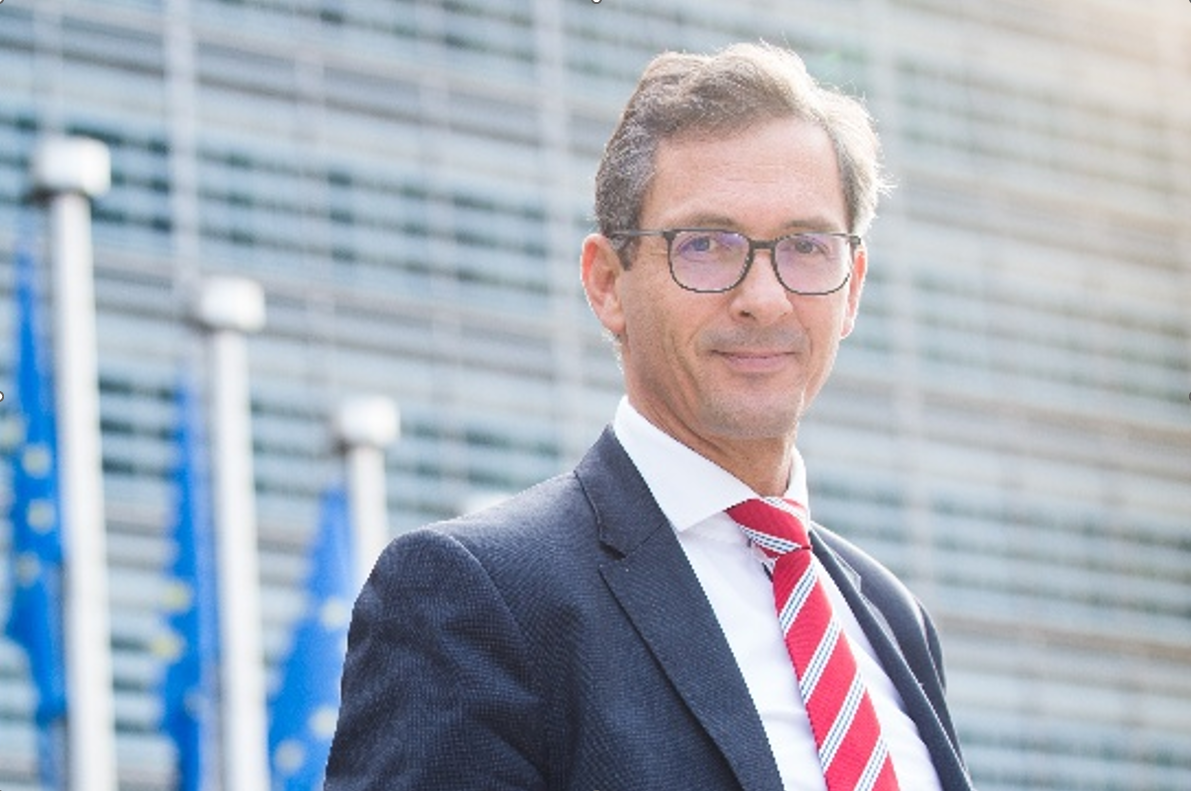
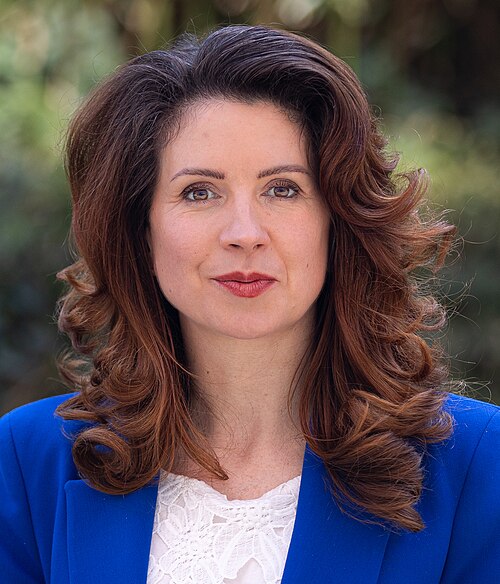
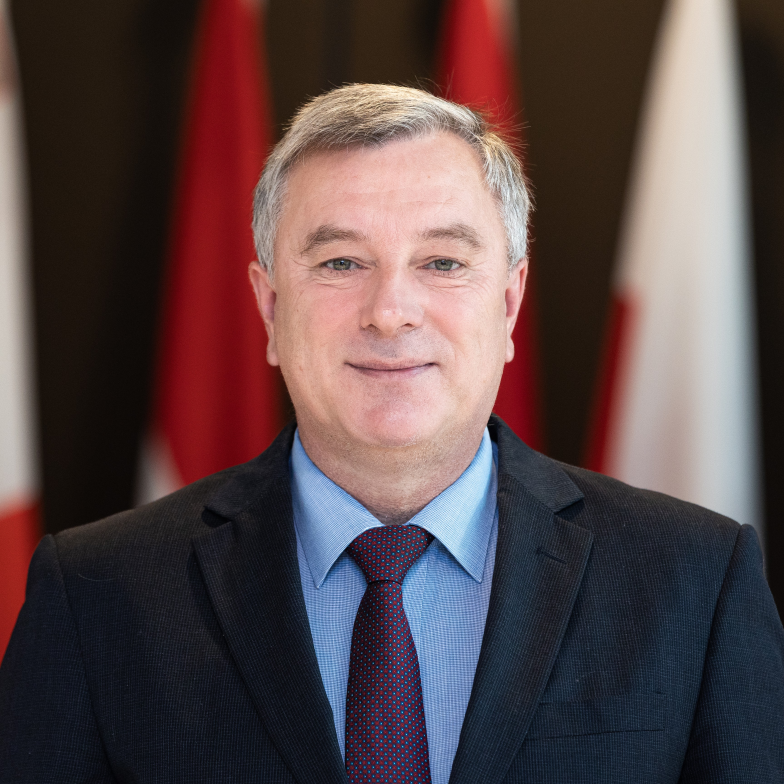
Local communities need direct channels to the European Union. This Hike brings members of the European Committee of the Regions (CoR), the European Commission (EC), EU Local Councillors, Young Elected Politicians, and citizens into dialogue. It stops at a hut for an exchange on the partnership between the CoR and EC and next steps to strengthen the EU Local Councillors network. The Hike concludes at the Alpengasthof Roosmoos. //INFO: Wear sturdy shoes and bring drinking water.
15:00
-
17:30
Hike | EU Dialogue with Local Communities
+5
DEM
Content
How Europe Winds
Air is essential yet often taken for granted, despite shaping movement, interaction, and perception. The posed question is not How Europe Wins but Winds — like a wind that opens spaces, brings together different voices, and creates new possibilities. Through movement, sound, and collective improvisation, participants are invited to explore ways of expressing themselves artistically. The session culminates in a shared performance, weaving together movement, sound, and expression.
15:00
-
18:00
How Europe Winds
+2
ART
SEM
Content
From Complexity to Capacity: Policy Design under Volatility and Interdependence
Volksschule – Backyard – Classroom 1 How can public decisions remain accountable when the conditions around them keep shifting? This Studio brings together complexity science, data, models, and concrete EU policy cases. Participants engage with cases from the European Parliament and prototype approaches to test assumptions, uncertainties, and systemic effects before decisions become difficult and costly to revise. This Studio is organised by nextlearning e. V. and the Complexity Science Hub, in cooperation with the European Parliament.
15:00
-
18:00
From Complexity to Capacity: Policy Design under Volatility and Interdependence
+4
STU
Content
Work Like a Policy Entrepreneur: Turn Moral Ambition into Large Societal Change
Most people who want to change the world start from a cause they love and a set solution in mind. Policy entrepreneurs ask first: which problem actually needs me and how can I make the most impact? Over five days you learn cause selection, counterfactual thinking, and coalition building, using real cases. You leave with your own theory of change and first steps to make the most impact possible. //INFO: Please make sure to bring your own laptop. If you do not have one, please contact the EFA-Team at seminars@alpbach.org
15:00
-
18:00
Work Like a Policy Entrepreneur: Turn Moral Ambition into Large Societal Change
DEM
SEM
Content
Perspectives on European Memory: Objects, Stories and Shared Futures
European memory is shaped by diverse, contradictory perspectives. How can personal memories help connect perspectives and our lives without reducing them to a single story? In this Studio, we will interpret and connect objects/family stories linked to Europe’s past to gain new perspectives, link past and present, and co-create narratives that make European memory tangible and relevant for our futures. //INFO: Please make sure to bring your own laptop. If you do not have one, please contact the EFA-Team at seminars@alpbach.org
15:00
-
18:00
Perspectives on European Memory: Objects, Stories and Shared Futures
+1
STU
Content
Rewilding Environmental Practices
What if the future could be otherwise? This seminar explores imaginative agency through lateral thinking: taking detours, embracing surprise, and making the familiar strange. We will read and discuss texts, walkthrough the forest, observe, photograph, draw, write, cut, paste, and map. Together, we will create a collective utopian map of futures that do not yet exist - but perhaps could.
15:00
-
18:00
Rewilding Environmental Practices
+1
ART
SEM
Content
Your Voice on Wealth: A Citizens’ Assembly
A pioneering Citizens’ Assembly brings together young participants to discuss wealth inequality across Europe and beyond. Drawing on high-level expert input and facilitated discussions, participants explore the causes and consequences of extreme wealth concentration and co-create bold, evidence-based solutions for a fairer distribution of wealth, strengthening democracy, social cohesion, and Europe’s future.
15:00
-
18:00
Your Voice on Wealth: A Citizens’ Assembly
+1
STU
Content
Activist Filmmaking: Telling Stories of Resistance and Hope
Ecological and social crises dominate the newsfeeds, pushing many people into apathy. How can artistic practices offer a way out? In the seminar, stories of resistance will be explored: Participants will learn about activist filmmaking, engage in dialogue about the narratives we are surrounded by, and create their own piece of hope to empower themselves and others.
15:00
-
18:00
Activist Filmmaking: Telling Stories of Resistance and Hope
+1
ART
SEM
Content
Theatre as a Sanctuary: How Theatre Builds Confidence and Connection
Many actors are introduced to theatre when their parents send them to theatre workshops to overcome their shyness and gain confidence; they end up going on stage in front of hundreds of people. The stage is their place of safety. So, what is it about working together to create a piece of theatre that produces this feeling? This seminar, led by students from the Royal Academy of Dramatic Art in London, will explore this question.
15:00
-
18:00
Theatre as a Sanctuary: How Theatre Builds Confidence and Connection
+1
ART
SEM
Content
Capital in Motion: Understanding How Capital Moves the World
This seminar makes capital markets tangible. Participants act as investors, make decisions under uncertainty, and explore how capital shapes companies and Europe’s future. Simulation, expert insights, and discussion connect theory with real-world application. //INFO: Please make sure to bring your own laptop. If you do not have one, please contact the EFA-Team at seminars@alpbach.org
15:00
-
18:00
Capital in Motion: Understanding How Capital Moves the World
+1
FIN
SEM
Content
Stronger Together: The Power of the Ensemble.
This seminar will explore the ways in which many individuals can end up working as a cohesive team. Creating an effective and dynamic piece of theatre requires every actor to work seamlessly with the rest of the ensemble regardless of whether their part is major or minor. Acting students from the Royal Academy of Dramatic Art in London will share those parts of their training that enable this important connection.
15:00
-
18:00
Stronger Together: The Power of the Ensemble.
+1
ART
SEM
Content
Dialogue across Divides: Designing Better Conversations for a Polarised World
Globally, polarisation is rising, yet confrontation isn’t inevitable. Constructive dialogue, curiosity over conflict, and finding common ground are choices we can make. This seminar explores the state of division and what it means for society. Through case studies, workshops, and interactive activities, we’'ll examine the forces shaping political disagreement, and how we can bridge divides to have more productive political conversations. //INFO: Please make sure to bring your own laptop. If you do not have one, please contact the EFA-Team at seminars@alpbach.org
15:00
-
18:00
Dialogue across Divides: Designing Better Conversations for a Polarised World
+1
DEM
SEM
Content
Creative Writing: Co-operation, Leadership and Empathy
Europe is often treated as geographical entity rather than a community shaped by shared values, such as cooperation, leadership, and empathy. This seminar uses story, poetry, memoir, reflective essays, and collaborative projects to explore ideas of solidarity, responsibility, and belonging across cultures and generations. Participants develop original texts and new perspectives that support dialogue and understanding across borders.
15:00
-
18:00
Creative Writing: Co-operation, Leadership and Empathy
+1
ART
SEM
Content
Evening
Evening
Award Ceremony: Euregio Awards
In a festive setting, the winners of the Euregio Innovation Award and the Euregio Young Researchers Award are honoured. Afterwards, a get-together invites guests to connect and celebrate.
18:30
-
20:00
Award Ceremony: Euregio Awards
ART
CLI
DEM
FIN
SEC
Content
Academy Days Closing
Join the European Forum Alpbach 2026 Academy Days Closing! Participants from around the world come together to reflect on an inspiring week of Seminars and Studios and to share ideas, insights, and creative outcomes shaped through collaboration across disciplines. Expect a dynamic mix of presentations, performances, and glimpses into the conversations shaping tomorrow’s Europe.
19:00
-
20:00
Academy Days Closing
ART
CLI
DEM
FIN
SEC
Content
European Echoes – Celebrate Europe Together
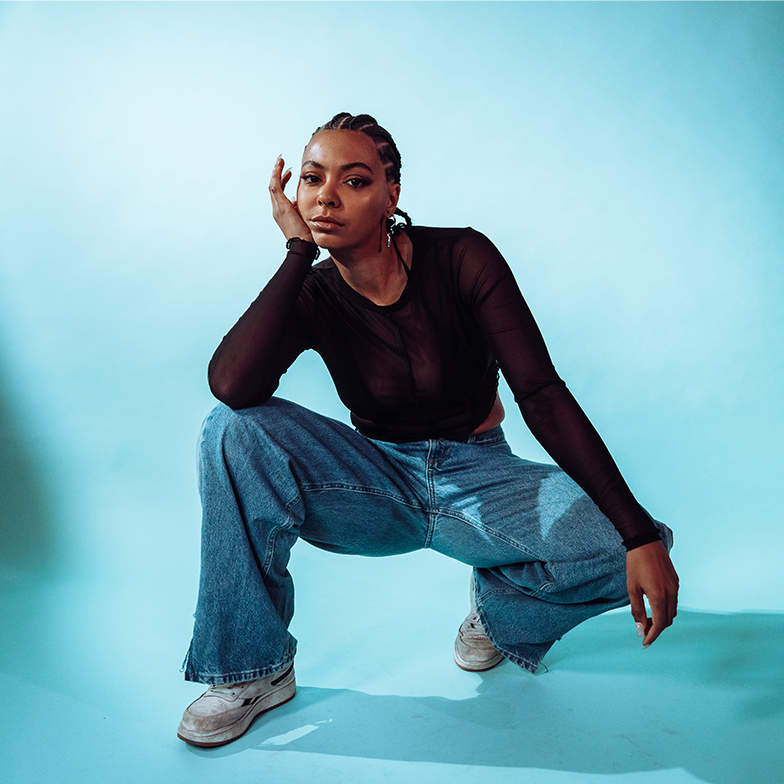
After a week of ideas and debate, it is time to celebrate Europe. The evening begins with an artistic performance leading to the Loggia, followed by remarks, a sunset concert and a curated DJ line-up. Together, we will unfurl a large EU flag and send a message for an open and connected Europe. //In case of bad weather, the programme will take place in the SPAR Garage.
20:00
-
21:45
European Echoes – Celebrate Europe Together
+1
Network
European Echoes - Academy Days Closing Party
As the Academy Days come to a close, the SPAR Garage opens for a night of music and connection. With an EU-inspired setting, a DJ line-up, and guests from across Europe, celebrate new friendships and everything that connects us. //Join the Concert at 20:30 at CCA Loggia.//Bring enough cash to pay for drinks. No card payment possible.
22:00
-
01:00
European Echoes - Academy Days Closing Party
Network
Early morning
Early morning
Morning
Morning
Labs: Multi-Day Working Sessions
Labs are 3-day facilitated working sessions with a closed and well-selected group of 30 participants that has a joint purpose with the goal that this group, first, becomes a community of action, and second, finds answers to a larger, cross-cutting problem. Discover the EFA26 Labs.
09:00
-
17:30
Labs: Multi-Day Working Sessions
CLI
DEM
FIN
SEC
LAB
Content
Holy Mass
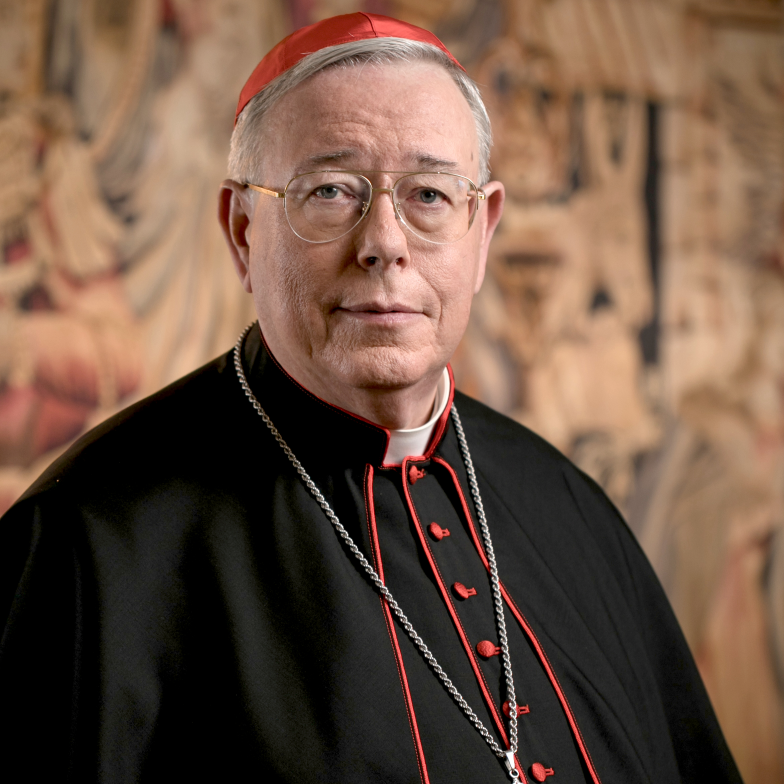
Join the traditional Church Service at the Alpbach Parish Church to mark the opening of the Tyrol Day.
09:00
-
09:45
Holy Mass
Network
Ceremonial Welcome and Official Addresses by Political Representatives
Official reception with welcome addresses by political representatives of the European Region Tyrol-South Tyrol-Trentino.
10:00
-
11:00
Ceremonial Welcome and Official Addresses by Political Representatives
Network
Euregio Summit
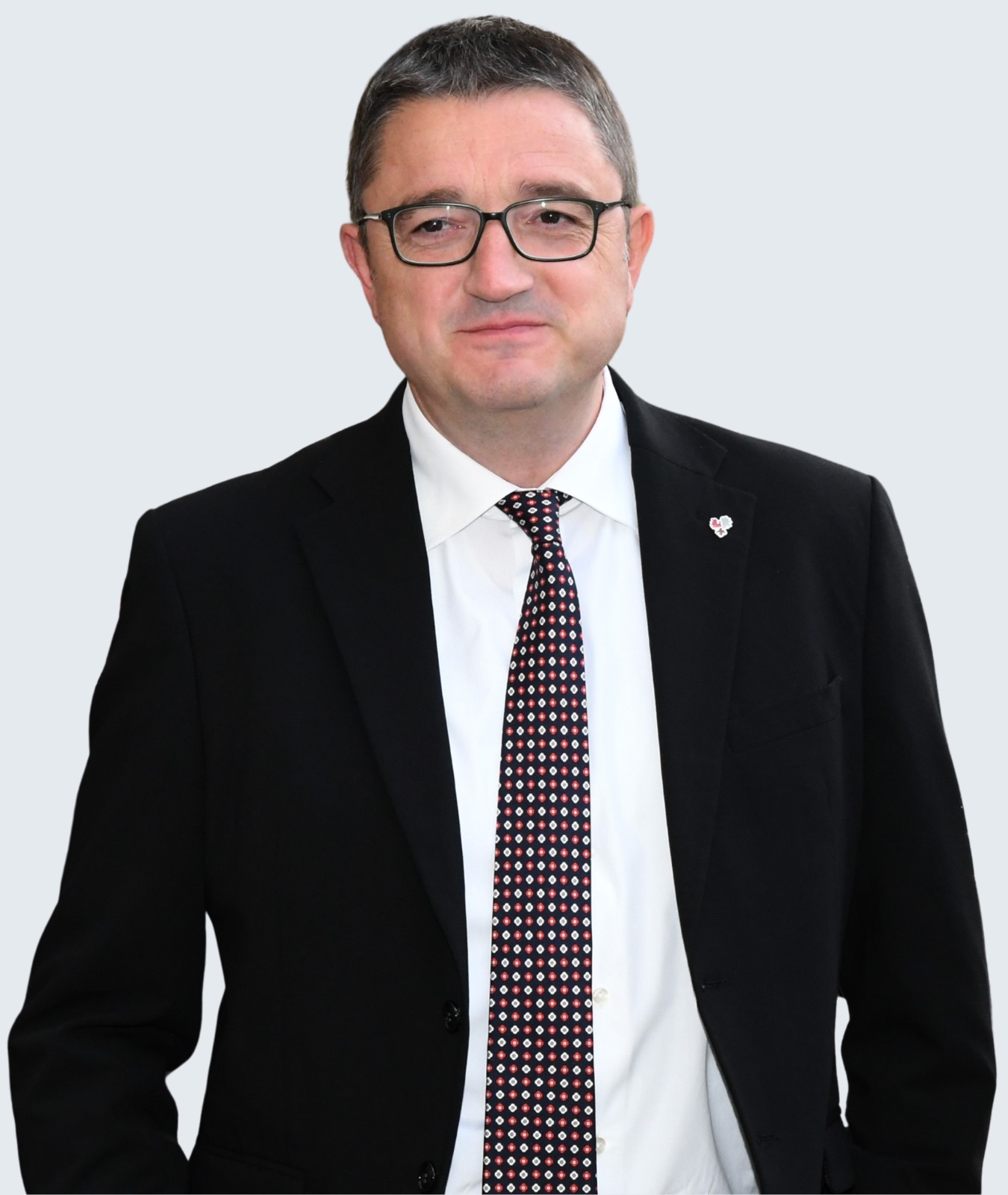
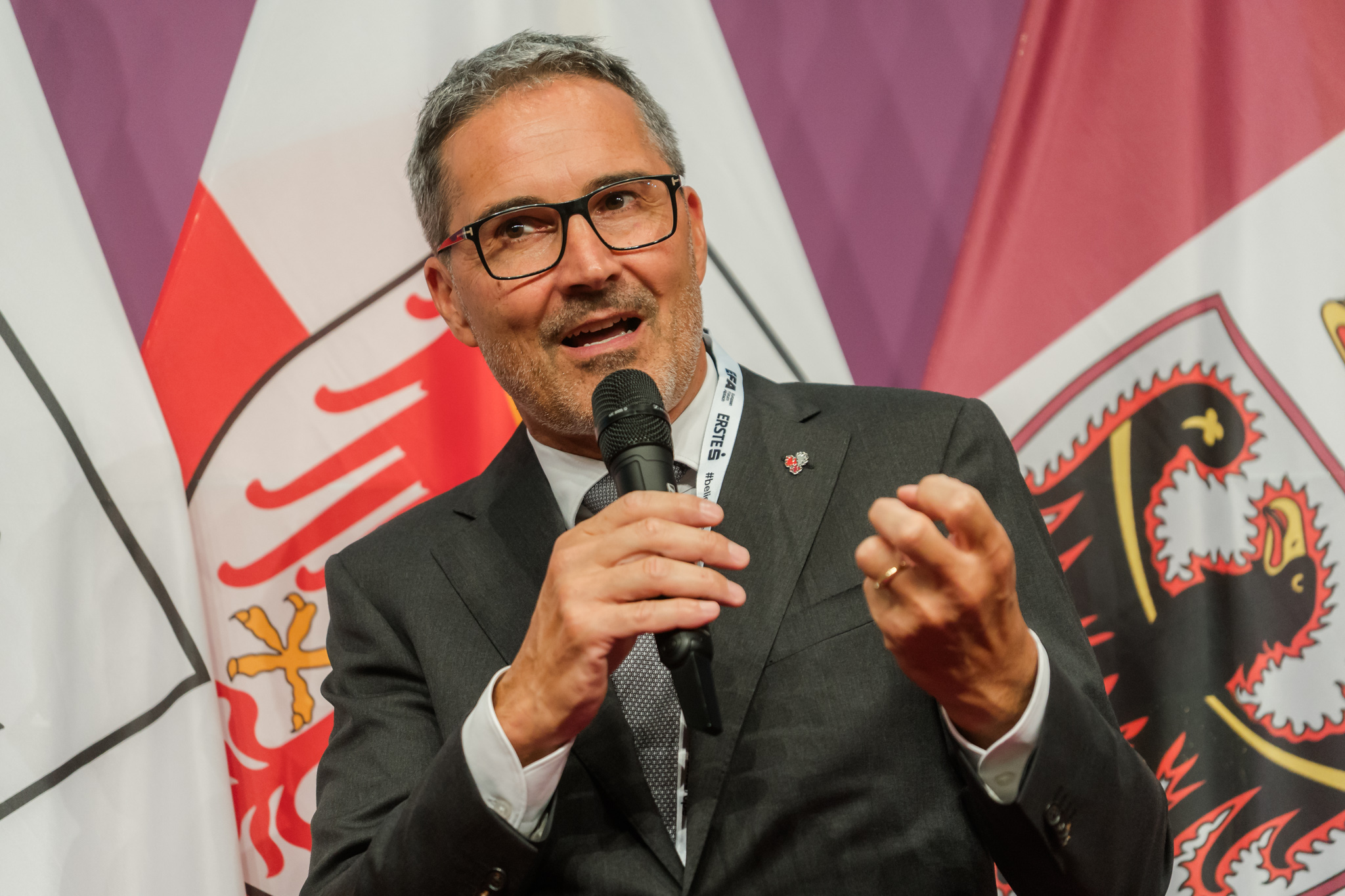
Europe’s strength lies in cooperation. The Euregio Summit illustrates how regions and the EU advance innovation through collaboration and secure Europe’s long-term competitiveness. The session links regional perspectives with European policymaking and demonstrates how joint action strengthens Europe’s capacity to succeed.
11:00
-
12:00
Euregio Summit
+5
ART
CLI
DEM
FIN
SEC
Network
Noon
Afternoon
Afternoon
24 Hours Reading Marathon
Escape the noise of the Alpbach crowds and join us for a literary meditation that will transport you to a different world. Welcome to our yearly 24-hour Reading Marathon. In the Alpbach whirlwind you sometimes just need to wind down a bit. This is your chance to do that by reading “The Magic Mountain” by Thomas Mann collectively between 30 and 31.08. Come whenever you feel like it, read a few pages, pass the book on, and listen to the next chapter. //INFO: This session begins on 30/08 at 14:00 and ends on 31/08 at 14:00.
14:00
-
14:00
24 Hours Reading Marathon
Network
Opening: Conference Days "How Europe Wins"
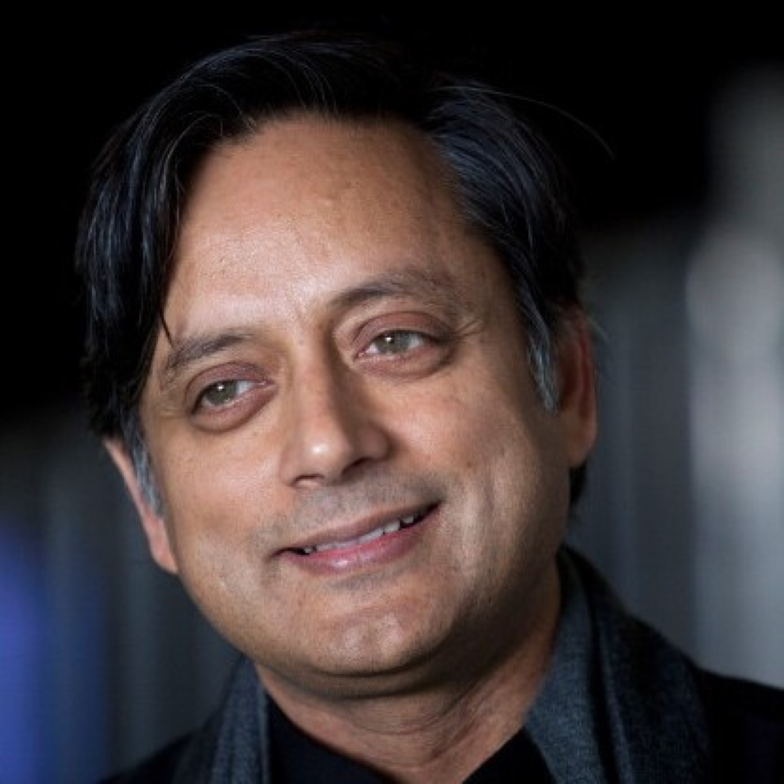

The Opening of the Conference Days sets the stage for the Forum's central topic: How Europe Wins. It sets out what “winning” means in European terms, advocating for a world of positive sum power politics, fully aware of its limits and determined to thrive in a world it finds, rather than it wishes to be. The discussion frames a European proposition built on being powerful, peaceful and prosperous - and outlines what is at stake if Europe fails to act together. //INFO: This session is being translated and transcribed live using the Wordly app.
17:00
-
18:30
Opening: Conference Days "How Europe Wins"
+5
ART
CLI
DEM
FIN
SEC
Content
Evening
Evening
Be(e) Together – An Invitation from ERSTE Foundation
A small celebration to share what matters: To round off the Opening of the Conference Days, we’re gathering at the 15-metre-long table in the heart of Alpbach – the Forum, the village, and everyone who wants to discuss the changes we truly need. We’ll be sharing bread, butter, honey, ideas, and much more; prepared by chefs.
18:30
-
20:00
Be(e) Together – An Invitation from ERSTE Foundation
Network
FANC - CA Georgia and CA Belgrade Movie Screening
Join us for a screening of two acclaimed Georgian short documentaries exploring democracy, civic engagement, resilience, identity, and political transformation through deeply personal stories. The screening will be followed by a discussion with the filmmakers, with a special focus on the shared experiences of young people in Georgia and Serbia portrayed in “Fragments on Resistance”.
20:00
-
22:00
FANC - CA Georgia and CA Belgrade Movie Screening
Content
Early morning
Early morning
Morning Sports: Functional Fitness
Start the day with a boost of energy! The trainers of the Austrian Armed Forces will get you sweating with military functional fitness on the forecourt of the CCA – an ideal way to recover from stress and prevent burnout and illness.
07:00
-
08:00
Morning Sports: Functional Fitness
Rituals
Morning Briefing
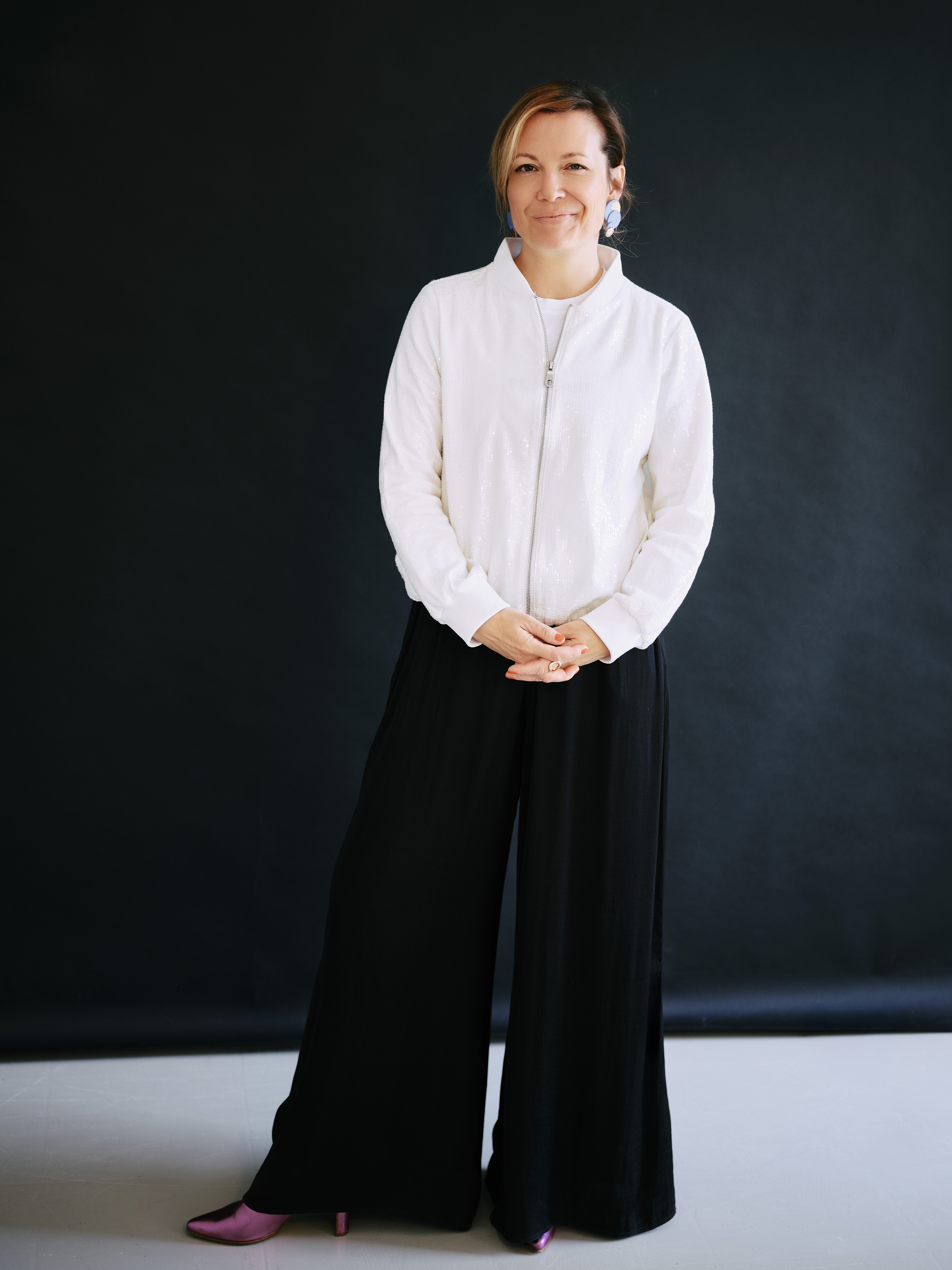
Anna Wallner will speak with Erste Group CEO Peter Bosek for the Die Presse podcast “Was wichtig ist”. In 2025, Erste Group completed the largest cross-border banking deal in 20 years with its acquisition of Santander Bank Polska, now Erste Bank Polska. We will discuss the deal, why the CEE region is becoming increasingly important for Erste Group and Europe, and where Austria stands. Questions are very much welcome. The Morning Briefing will be recorded live.
08:00
-
08:45
Morning Briefing
+1
Content
Morning
Morning
Book Talk with Franz-Stefan Gady
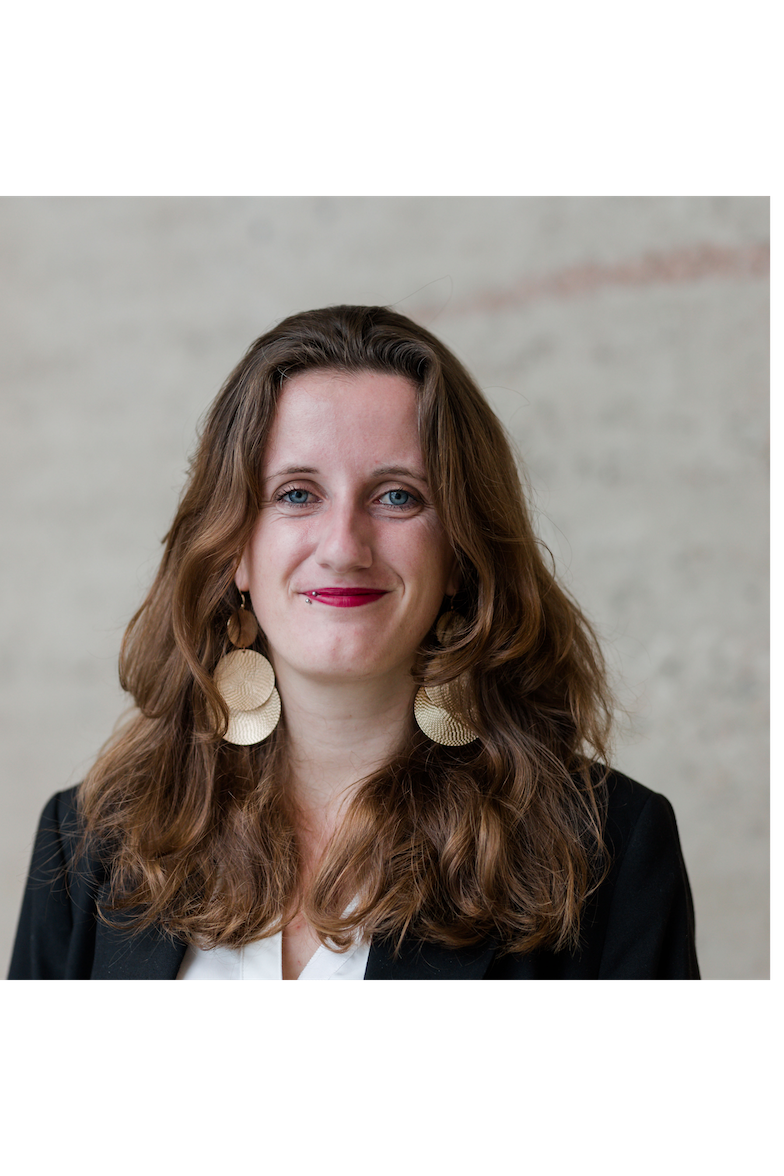
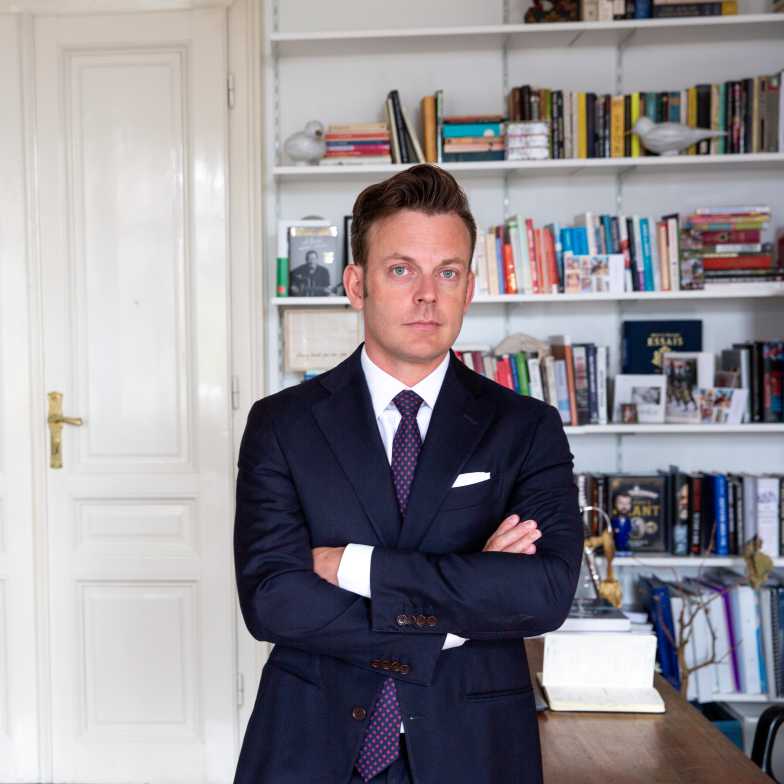
Join Franz-Stefan Gady for a book talk of “Überfall” in the Hayek Hall.
09:00
-
10:00
Book Talk with Franz-Stefan Gady
+1
ART
CLI
DEM
FIN
SEC
Content
Hike | The Cost of Caution: Risk, Power, and Responsibility
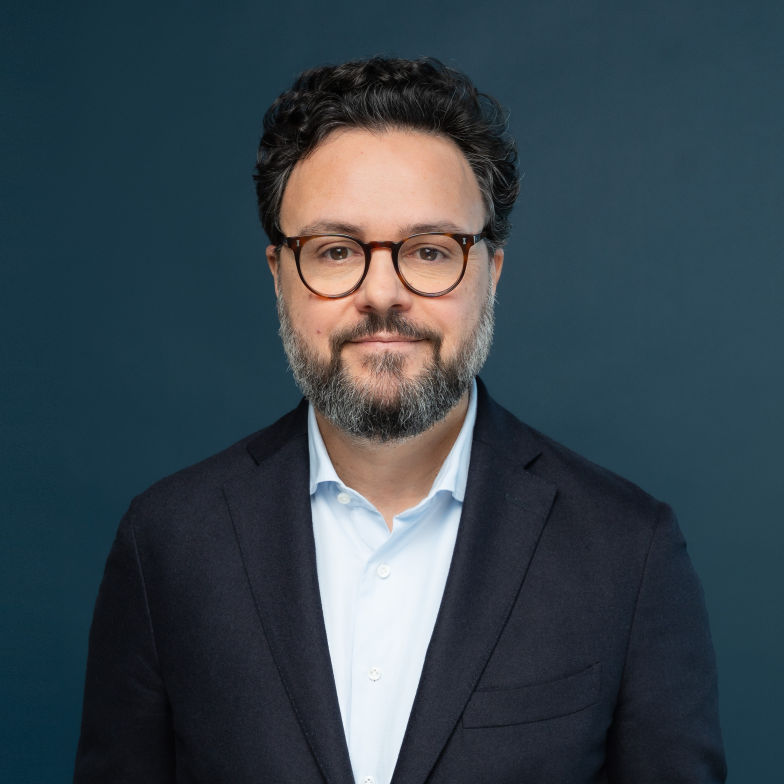
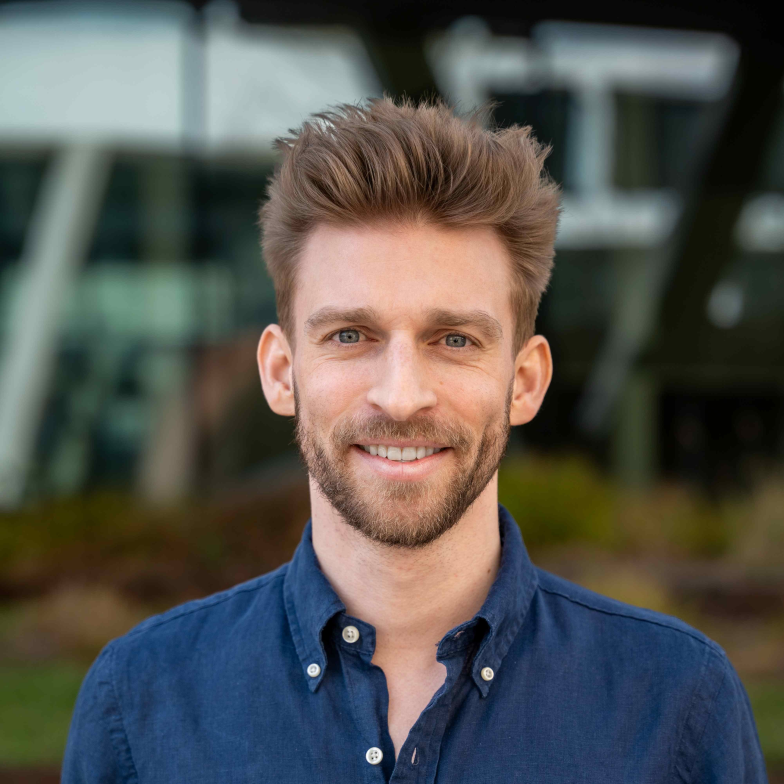

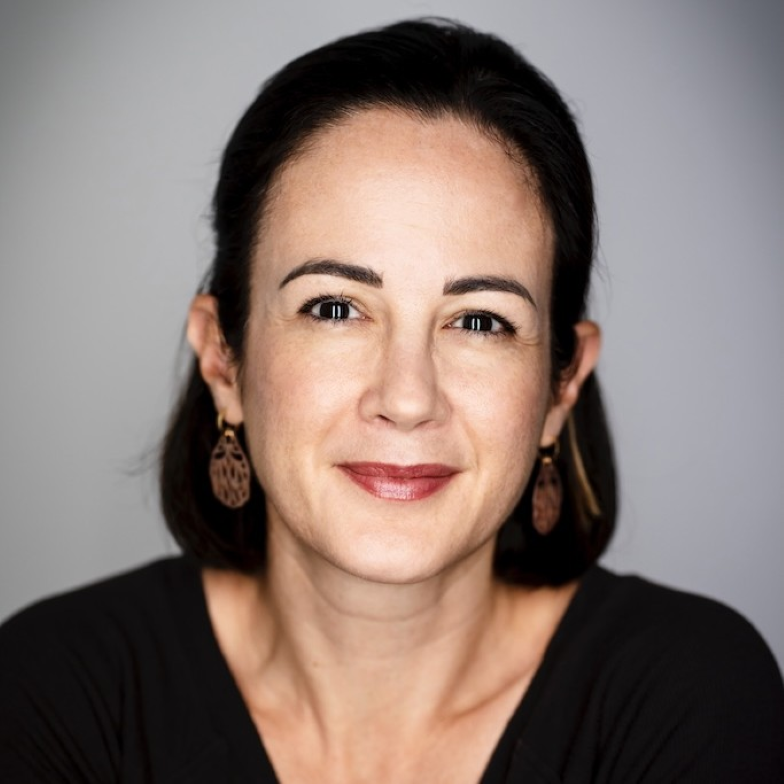
Europe’s ability to act is shaped by how it handles risk. Incentives often reward caution over initiative, limiting decisive leadership – raising a critical question: can a system designed to avoid failure still produce decisive leadership? This hike examines risk across individual, institutional, and strategic levels, and how systems can shift to enable agency and responsibility.//INFO: Wear sturdy shoes and bring drinking water.//INFO: In case of heavy rain, the session is going to take place at CCA-Flora-Saal.
09:00
-
12:00
Hike | The Cost of Caution: Risk, Power, and Responsibility
+4
FIN
Content
Ukraine as Europe’s Stress Test

Ukraine has become the environment in which Europe’s strategic capacity is tested in real time. This panel explores how choices across security, social cohesion, economic resilience, and democratic governance made in and for Ukraine expose both strengths and limits in current European approaches, and what these lessons could mean for Europe’s future.
09:00
-
10:30
Ukraine as Europe’s Stress Test
+4
SEC
Content
Use Your Voice: Decide Which AI Project Best Supports Women Through Financial Education
Financial education helps women gain independence and access to equal opportunities. In this crowd voting event, MEGA Education Foundation and ERSTE Foundation bring together educational organisations and early-stage EdTech startups to develop AI-driven solutions that make financial education more accessible to women and girls. Help decide which bold ideas will receive funding to scale their impact.//INFO: This session is being translated and transcribed live using the Wordly app.
09:00
-
10:00
Use Your Voice: Decide Which AI Project Best Supports Women Through Financial Education
FIN
Content
Europe’s Nuclear Dilemma: Deterrence, Autonomy, and the Future of Security
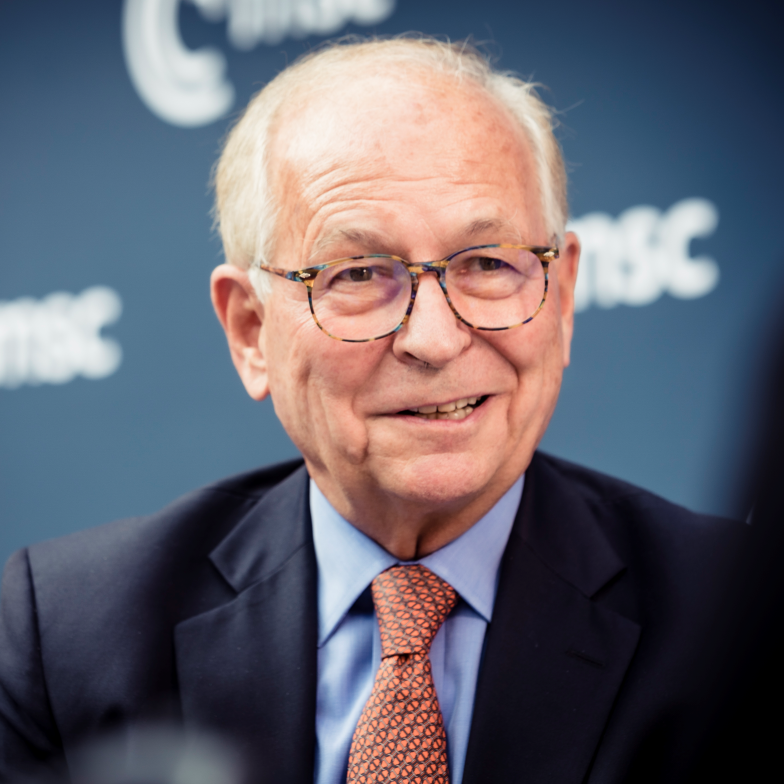
As transatlantic guarantees shift, Europe reassesses nuclear deterrence and strategic autonomy. This session examines emerging security scenarios and asks whether Europe can define its own credible defence posture in an increasingly uncertain geopolitical landscape.
09:00
-
10:00
Europe’s Nuclear Dilemma: Deterrence, Autonomy, and the Future of Security
+3
SEC
Content
Hike | Efficiency vs Legitimacy: The Trade-Offs of “Cutting Red Tape”
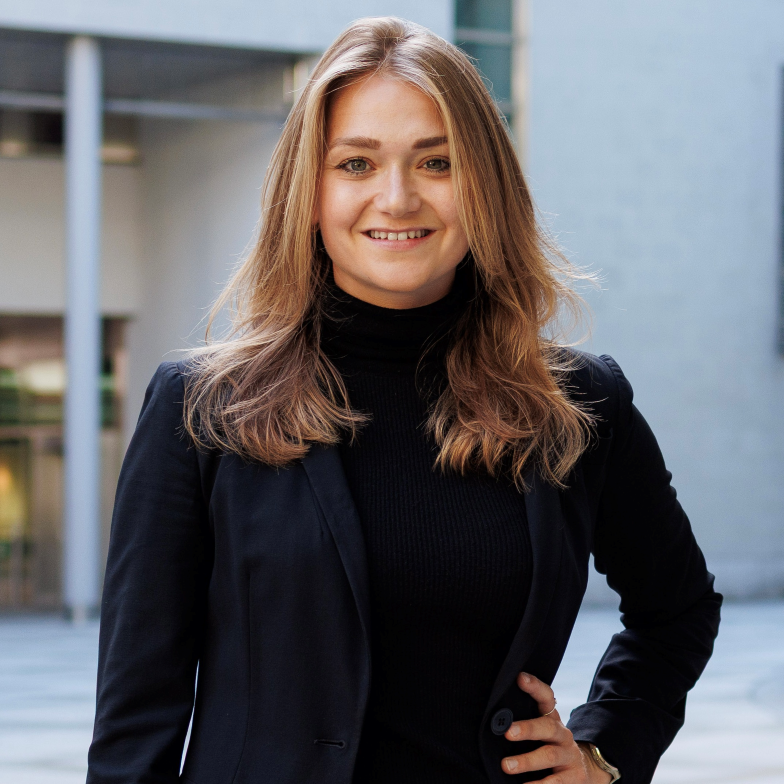
Facing growing pressure for faster decisions, many governments turn to “cutting red tape”. Simplifying rules and processes can accelerate procedures, lower burdens, and encourage innovation, but may also weaken oversight, accountability and protection. Scrutinise how institutions and leaders balance these trade-offs between efficiency and legitimacy.//INFO: Wear sturdy shoes and bring drinking water.//INFO: In case of heavy rain, the session is going to take place at the elementary school.
09:00
-
12:00
Hike | Efficiency vs Legitimacy: The Trade-Offs of “Cutting Red Tape”
+3
DEM
Content
In conversation with Andrej Kiska and Carsten Q. Schneider
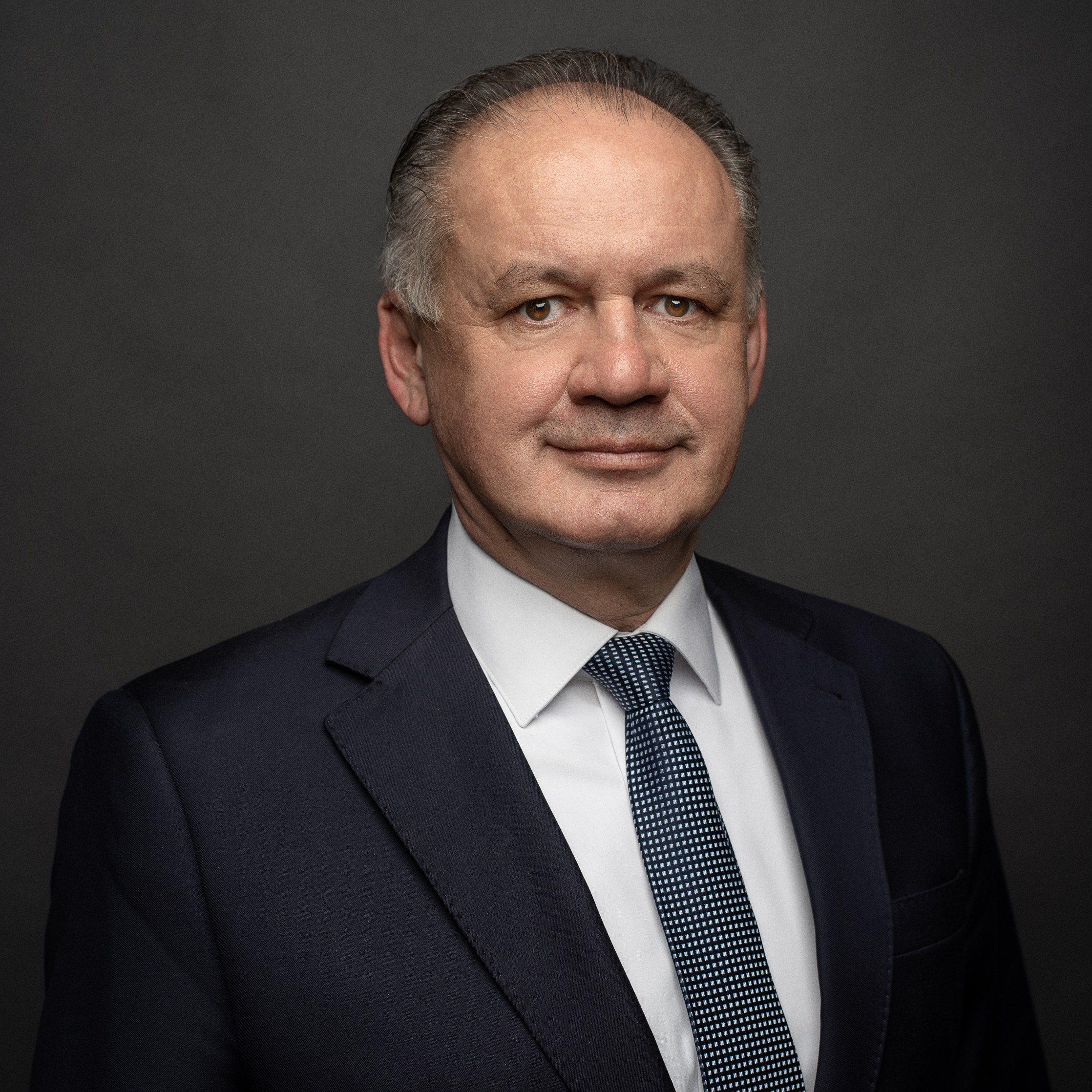
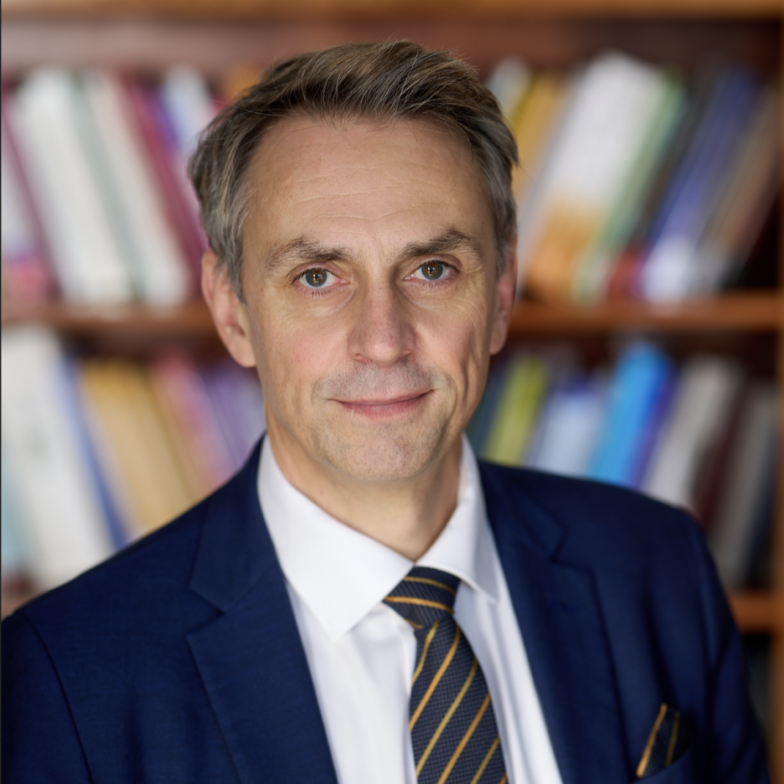
A conversation between Andrej Kiska and Carsten Q. Schneider on the subject of "Lessons from History: Change of Regimes Past and Present".
09:00
-
10:00
In conversation with Andrej Kiska and Carsten Q. Schneider
+1
DEM
Content
War, Philanthropy & Civil Society: A Security Architecture Built by People
Europe is reshaping its security and defence architecture through unprecedented investment and new strategic priorities. However, civil society and philanthropy remain largely absent from the debate, which has focused primarily on strengthening military capabilities and securing the necessary funding. This session will explore how they can contribute most effectively, where clear boundaries are needed, and how new partnerships and capacity building can strengthen a trans-European understanding of preparedness and societal resilience, effectively contributing towards whole-of-society approaches.
10:00
-
12:00
War, Philanthropy & Civil Society: A Security Architecture Built by People
+4
DEM
SEC
Content
Is Inequality Europe's Hidden Vulnerability?
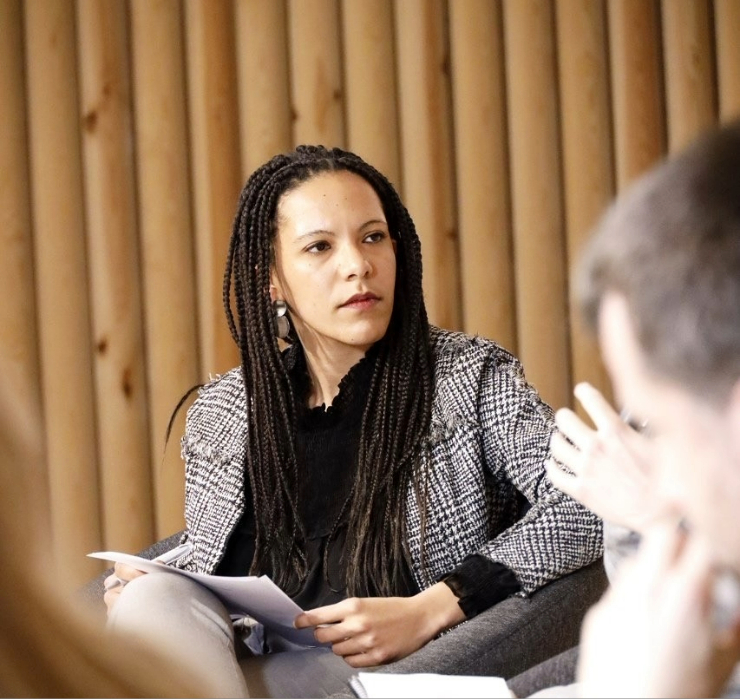
Viewed through a new lens, wealth concentration emerges as a constraint on growth, trust and political capacity. This session explores how fairer systems could strengthen Europe’s ability to act, compete, and sustain long-term ambition.
10:30
-
11:30
Is Inequality Europe's Hidden Vulnerability?
+3
FIN
Content
Executive Talk: Europe’s Defence – More Responsibility, More Capability
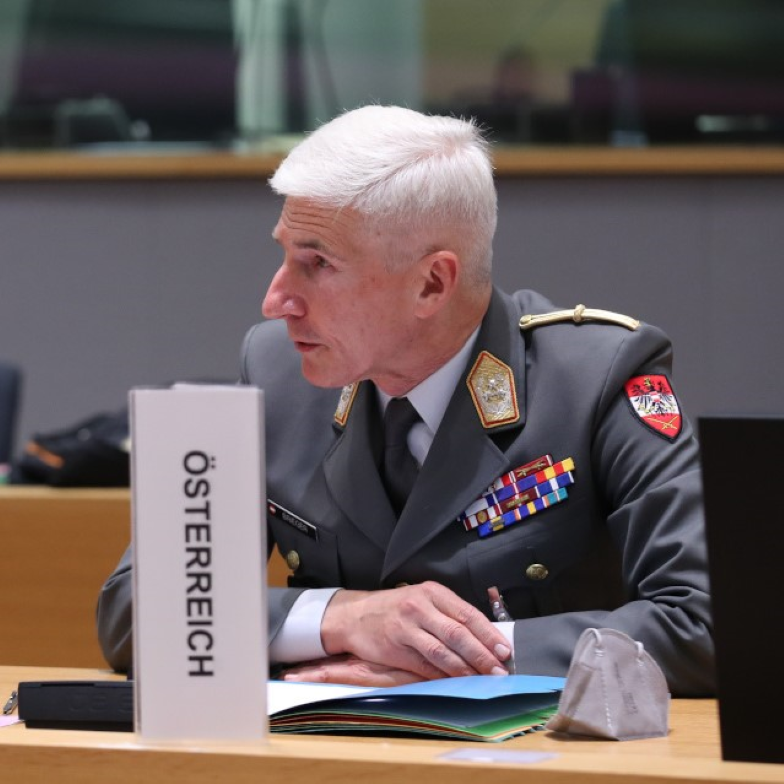
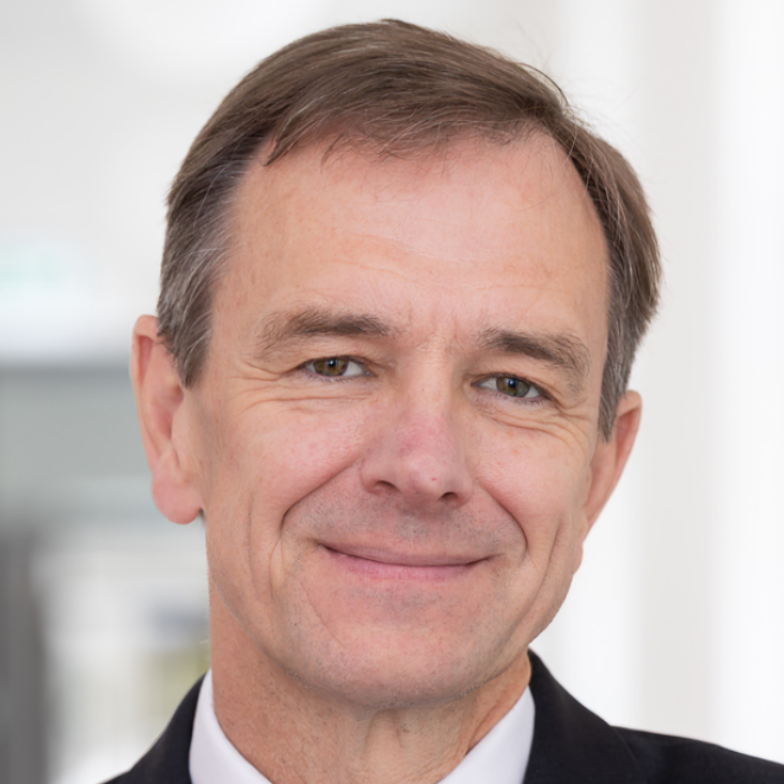
Europe’s security stands at a turning point. As the transatlantic security architecture comes under increasing pressure, expectations of greater European responsibility for defence are growing. The rapid and comprehensive strengthening of Europe’s defence capabilities has therefore become a strategic necessity, including for Austria and Germany. How can this development be supported politically? What role do European cooperation, the removal of existing barriers, and the defence industry play in this process?
10:30
-
11:30
Executive Talk: Europe’s Defence – More Responsibility, More Capability
+2
SEC
Network
Who Owns the Truth? Media, AI and Europe's Democratic Future
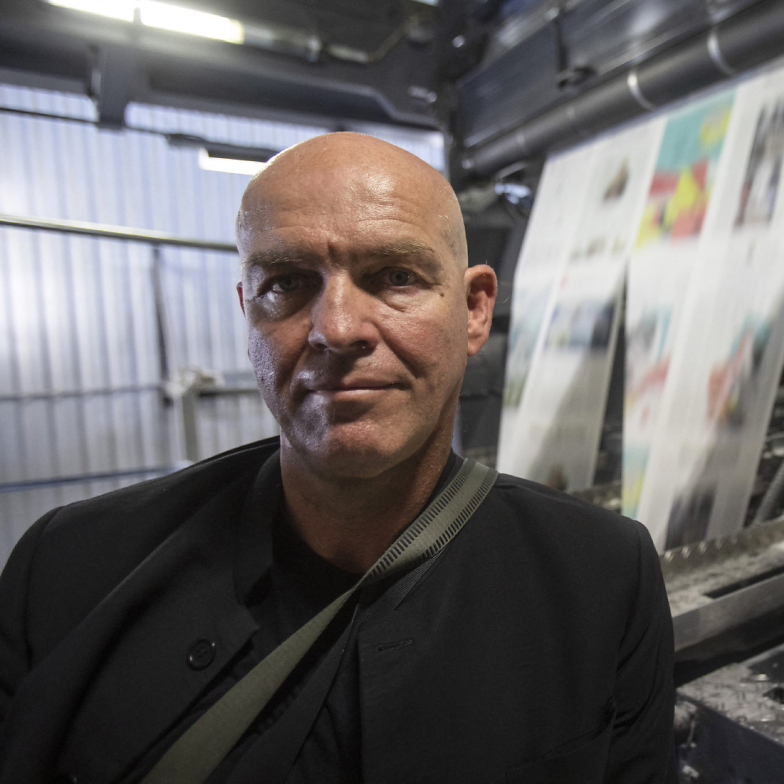
Democracy requires trust. Trust requires credible information. Yet AI, online platforms and economic pressures are fundamentally changing the media landscape. What role can journalism, local media and European institutions play in the future to preserve a shared democratic public sphere?
10:30
-
12:00
Who Owns the Truth? Media, AI and Europe's Democratic Future
+3
DEM
Content
To Be or Not to Be, That Is Europe’s Question
As geopolitical tensions and economic uncertainty reshape the global order, Europe faces a defining choice: adapt or risk irrelevance. This discussion examines how Europe can reinvent itself, regain its competitiveness, rethink its relationships with the world and build on its distinctive strengths, from democratic values and the rule of law to social innovation, to remain a leading force in the world.//INFO: This session is being translated and transcribed live using the Wordly app.
10:30
-
12:00
To Be or Not to Be, That Is Europe’s Question
+4
DEM
SEC
Content
Football Tournament: The EFA Vienna Derby in Alpbach – Austria vs. Rapid
The football tournament at the European Forum Alpbach is once again a sporting highlight on this year's programme: The legendary Vienna derby between Austria Vienna and Rapid Vienna takes place on the football pitch in Alpbach, with real legends from both clubs.Also taking part is a high-calibre squad from the worlds of politics, business, science and media. Come and watch the excitement unfold!
11:00
-
14:00
Football Tournament: The EFA Vienna Derby in Alpbach – Austria vs. Rapid
Network
Noon
Noon
Track Forum: Democracy

Come and meet fellow participants who share an interest for the Democracy track. Get to know each other at lunch and debate the current programme highlights and main controversies so far. //INFO: Lunch and drinks are at your own expense. Please be on time at 12:15 so you have enough time to order comfortably. Three dishes are to choose from.
12:15
-
13:45
Track Forum: Democracy
+2
DEM
Network
WoW* Connects: A Networking Hour for Women*
As part of the EFA World of Women* initiative, EFA is taking extra efforts to encourage female* contributors, both in programming and participation. Throughout the Conference Days, four sessions of one and a half hours each will be hosted by women* engaged in EFA’s broader network, which offers the opportunity to connect, reflect, and act. // INFO: To ensure a focused and engaging experience, we won’t be providing any catering. Participants are, however, free to order lunch and beverages at their own cost.
12:15
-
13:45
WoW* Connects: A Networking Hour for Women*
+2
Network
Solution Hour: Security

The European Forum Alpbach is a place of serious debate; and of the people and initiatives turning ideas into outcomes. This session explores what Europe must change to strengthen its capacity to act. Building on insights generated across EFA26, participants will identify the key shifts and trade-offs shaping Europe's security. Together, these outputs will form the building blocks for the Call to Action Manifesto, presented on 4 September.//INFO: This session is being translated and transcribed live using the Wordly app.
12:30
-
13:30
Solution Hour: Security
+2
SEC
Content
Brown Bag Lunch | Weighing Up Anonymity Against Security
To prevent terrorist attacks, security agencies must monitor potential perpetrators. The call by security services and some parties for access to supposedly secure communication channels – so-called messenger surveillance – is causing concern amongst data protection advocates and civil liberties activists. Discuss how a modern democracy should strike this balance.
12:30
-
13:30
Brown Bag Lunch | Weighing Up Anonymity Against Security
+1
Content
Walk & Talk with Martin Vohánka
Europe stands at a turning point: its established growth model is increasingly reaching its limits, requiring new approaches to value creation, competitiveness and prosperity. This hike traces the path from entrepreneurship and economic transformation to systemic philanthropy. It explores the barriers to structural change and highlights levers that could enable sustainable transformation and broader prosperity. //INFO: Wear sturdy shoes and bring drinking water.//INFO: In case of heavy rain, the session is going to take place at Volksschule Ground Floor.
13:15
-
14:45
Walk & Talk with Martin Vohánka
+1
Content
Afternoon
Afternoon
In conversation with Jeff Bartos and Arancha Gonzalez Laya
A conversation between Jeff Bartos and Arancha Gonzalez Laya on the subject of “The future of the transatlantic partnership, as well as the evolving role of multilateralism and U.N.”
14:00
-
15:00
In conversation with Jeff Bartos and Arancha Gonzalez Laya
+1
SEC
Content
Executive Talk: The Digital Euro – From Sovereignty to Growth
Europe’s future competitiveness depends not only on advanced technologies, but also on the digital transformation of the service sectors that power the Single Market. The digital euro can provide the trusted public infrastructure to unlock innovation across industries – from tourism and mobility to retail – strengthening the Single Market, empowering SME, fostering consumer trust, and transforming Europe’s digital sovereignty into sustainable growth.
14:00
-
15:00
Executive Talk: The Digital Euro – From Sovereignty to Growth
+2
FIN
Network
Competing in a Changing World – What's Next for Europe?
At a time of profound change, the European Union faces fundamental questions about its future. How can Europe remain competitive, resilient, and capable of acting while responding to new challenges? Which priorities should shape Europe’s next chapter? Bringing together four Ministers for European Affairs, this high-level discussion explores the strategic choices that will define the Union’s future. //INFO: This session is being translated and transcribed live using the Wordly app.
14:00
-
15:30
Competing in a Changing World – What's Next for Europe?
+4
DEM
FIN
SEC
Content
Migration: Europe’s Choices for Humans in Transit
The human costs of European policies: the exhibition “Humans in Transit” on display at the EFA is a storytelling project that documents the perilous journeys of refugees and migrants. It reveals the individual stories behind the statistics and features 310 portraits of people who have fled conflict and shared their stories from detention centers and aboard rescue vessels with Médecins Sans Frontières. During the session, experts and one of the artists will discuss Europe’s choices on migration.
14:00
-
15:00
Migration: Europe’s Choices for Humans in Transit
+3
ART
Content
Reimagining Europe's Security Operating System
Europe’s sovereignty is tested by geopolitical realignment and rising security pressure. The discussion clarifies what collective defence commitments mean in practice for decisions, responsibilities and operational consequences. It examines how solidarity becomes credible deterrence and how a more self-sustaining European contribution to NATO can work amid shifting US commitment. //INFO: This session is being translated and transcribed live using the Wordly app.
14:00
-
15:00
Reimagining Europe's Security Operating System
+3
SEC
Content
Executive Talk: International Cooperation, Local Solutions – The Power of Cities
Cities worldwide face shared challenges, from public services and mobility to sustainable urban development. City partnerships are becoming an increasingly important instrument of international cooperation. This Executive Talk explores how municipal cooperation is evolving beyond traditional diplomacy, strengthening international relations while fostering the exchange of innovative solutions for public services.
15:30
-
16:30
Executive Talk: International Cooperation, Local Solutions – The Power of Cities
+2
DEM
Network
From National Interests to Sustained European Advantage
Europe pursues defence, technology, capital markets, and competitiveness in separate policy tracks mostly on national level. Drawing on Jean Monnet’s legacy, this session explores how wider European coalitions could shape an integrated European agenda: coordinated procurement, joint financing and deeper capital markets might reinforce one another and translate investment into greater European capacity to act with a win-win on national and European level.
15:30
-
17:00
From National Interests to Sustained European Advantage
+5
FIN
SEC
Content
Book Talk with Matthias Strolz
Join Matthias Strolz for a book talk of “Homo Universus. Unsere Entfaltung in die nächste Stufe der Evolution”. The book talk is held in German.
15:30
-
16:30
Book Talk with Matthias Strolz
+1
ART
CLI
DEM
FIN
SEC
Content
Cross-Innovation and the Arts: Leveraging the Improbable
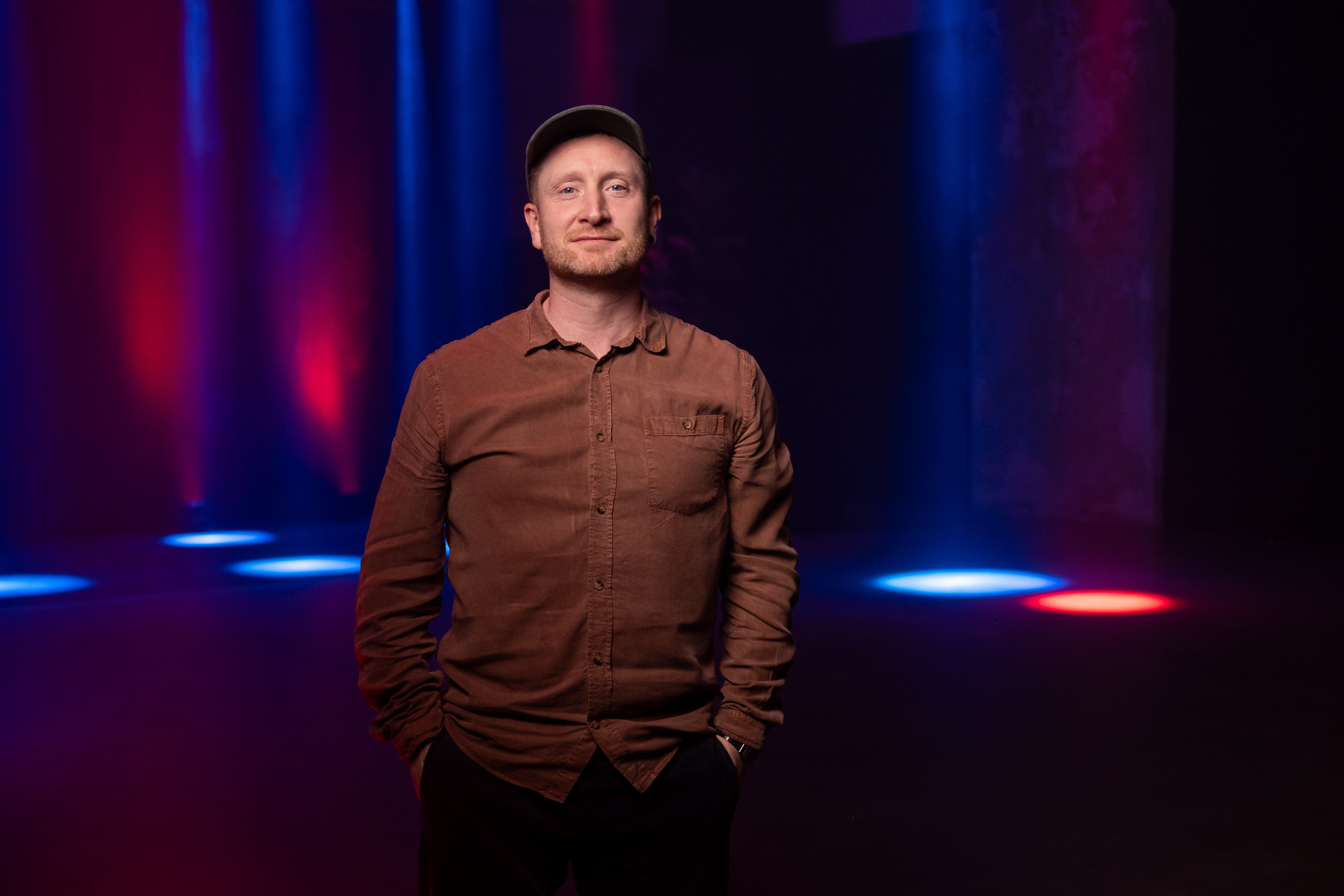

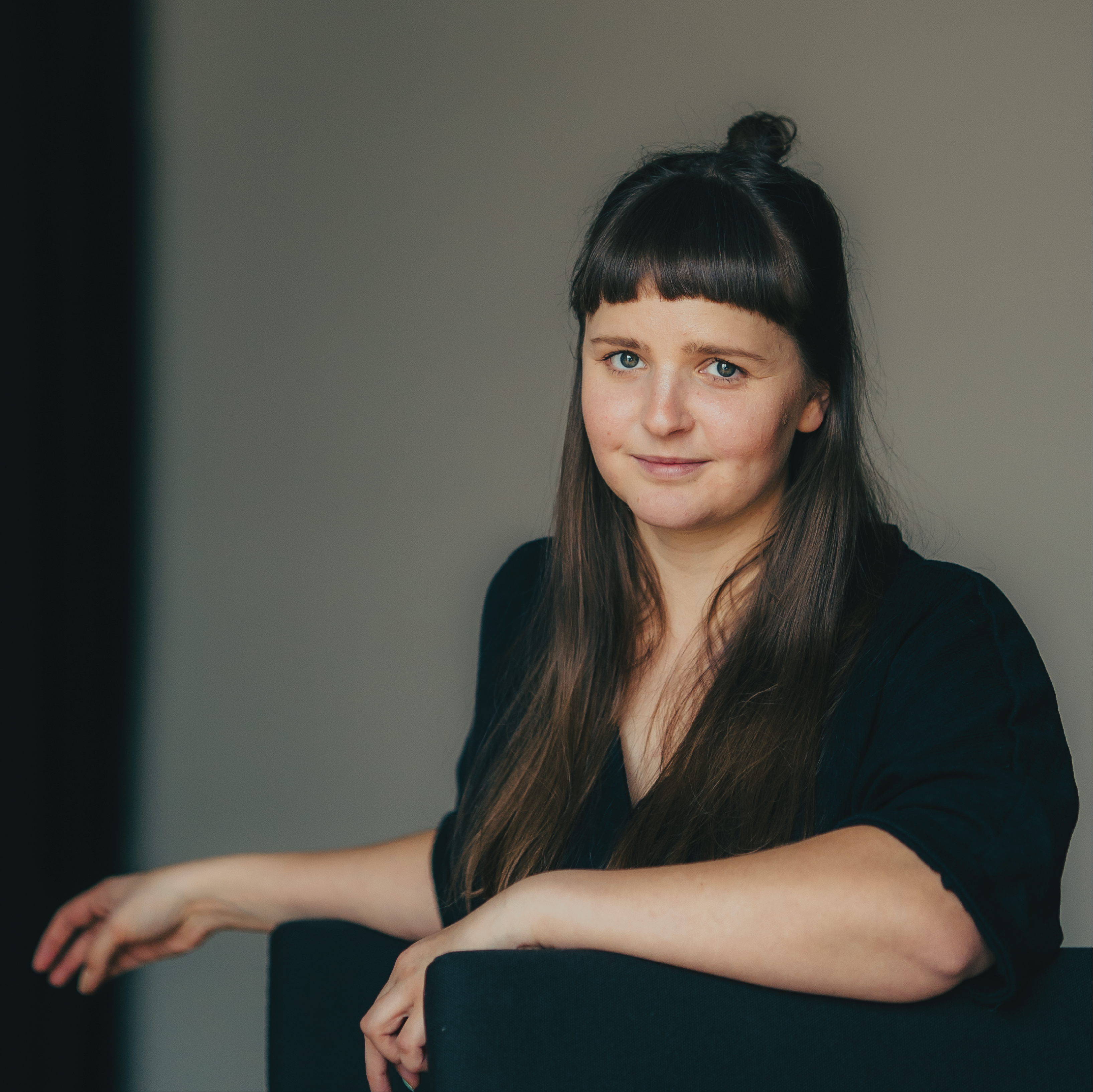
The session, developed in collaboration by De Structura, BASIS Vinschgau Venosta and the University of Tartu, explores the intersection of innovation and art. Innovation that stays within a single discipline, drawing on the same skills and the same assumptions, produces incremental results. The real breakthroughs come from collisions between unlike fields, where the arts remain the most underused partner. As AI makes the probable abundant, the improbable, the territory artists are trained to explore, becomes a scarce resource. Be part of this session where we explore the intersection of innovation and art.
15:30
-
16:30
Cross-Innovation and the Arts: Leveraging the Improbable
+2
ART
Content
Building the Capability to Act in Radical Uncertainty
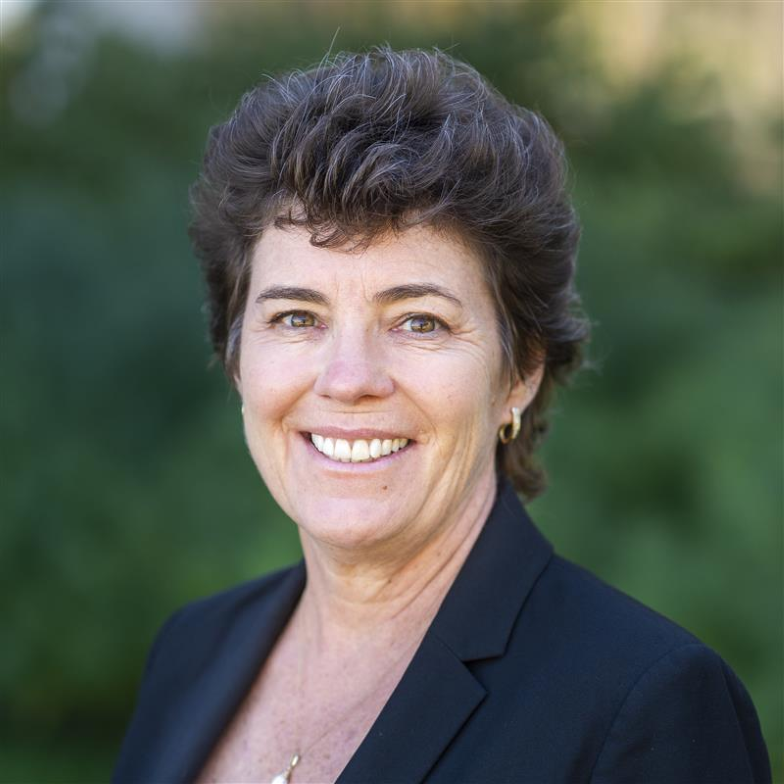
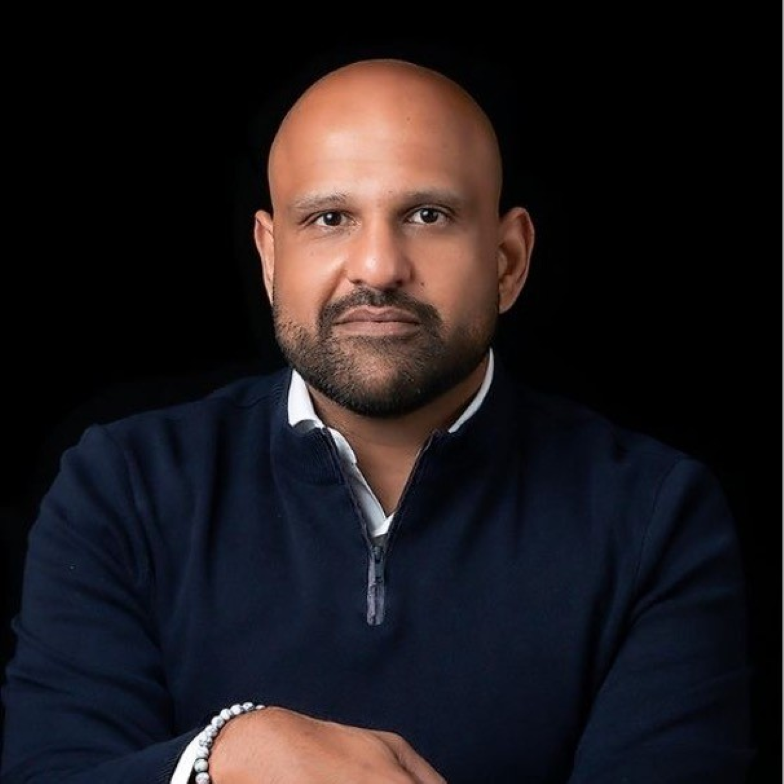
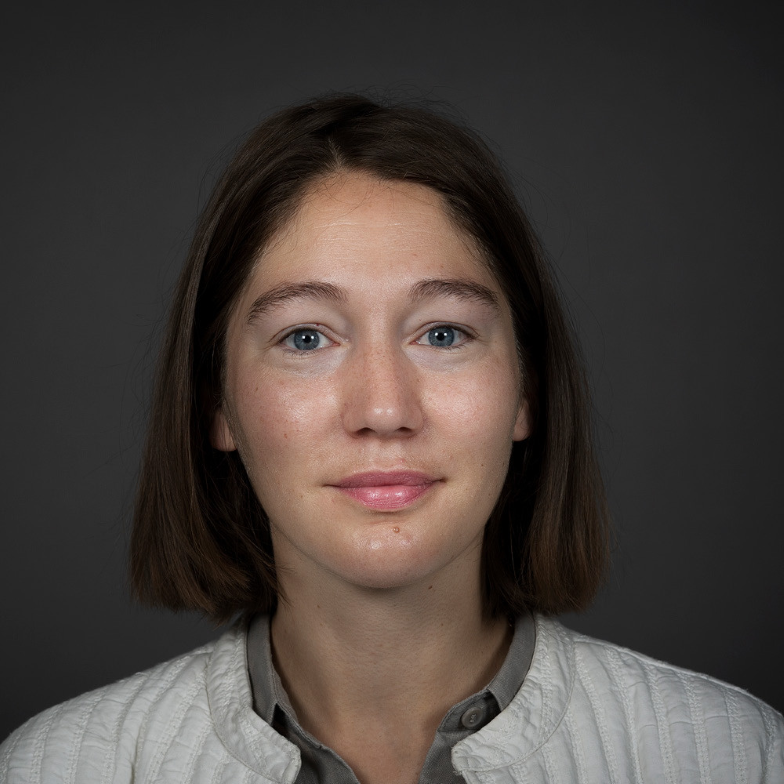
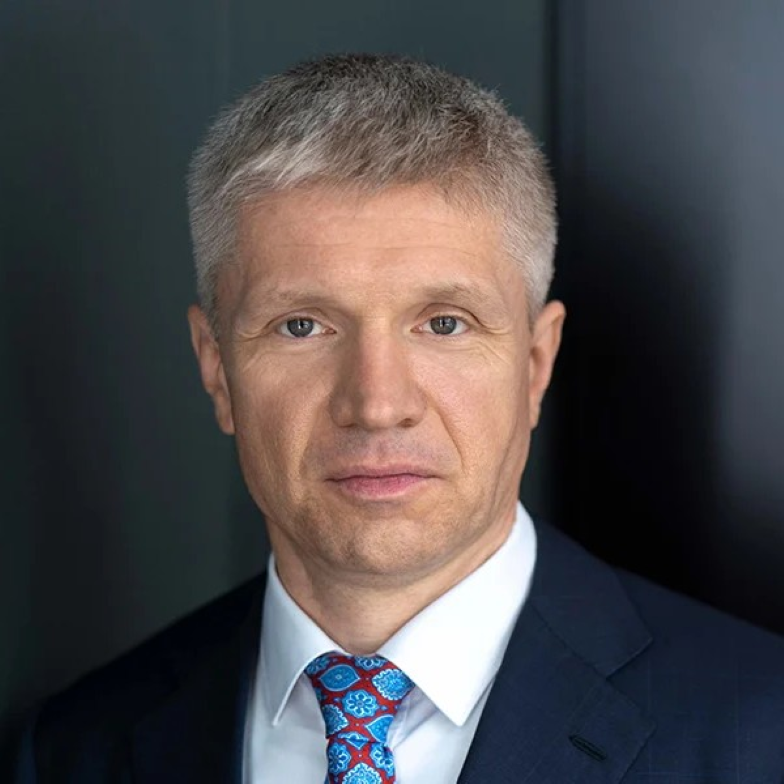
Taking legitimate, timely decisions on climate risks before societal and political consensus emerge, and as the geopolitical situation becomes more unstable, remains a central challenge. Within the existing window for sovereign action, the discussion explores how to cultivate understanding of and co-existence with non-linear and disruptive change, examining the institutional capacities and social readiness required to act effectively and jointly under radical uncertainty.
15:30
-
16:30
Building the Capability to Act in Radical Uncertainty
+4
CLI
Content
Building the EU’s Democratic Resilience for a New Geopolitical Era
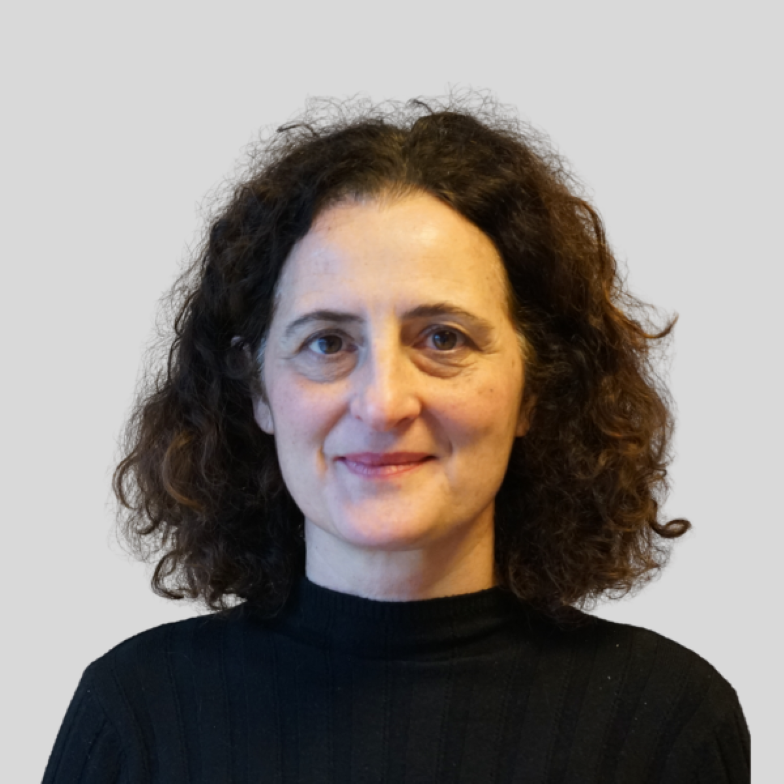
Safeguarding democracy is no longer a matter of strengthening institutions, but a whole-of-society effort. Despite challenges, the European Union remains the most credible alliance, exercising democratic pluralism at home and multilateralism abroad. At a time of heightened vulnerabilities and democratic threats, the EU needs to develop sustained societal and institutional resilience to withstand shocks and evolve as a global actor. The session will address the strategic choices Europe should make to protect institutions, uphold democracy, and adapt to current and future crises.
15:30
-
17:00
Building the EU’s Democratic Resilience for a New Geopolitical Era
DEM
Content
Vision and Responsibility: Schools in the Age of AI
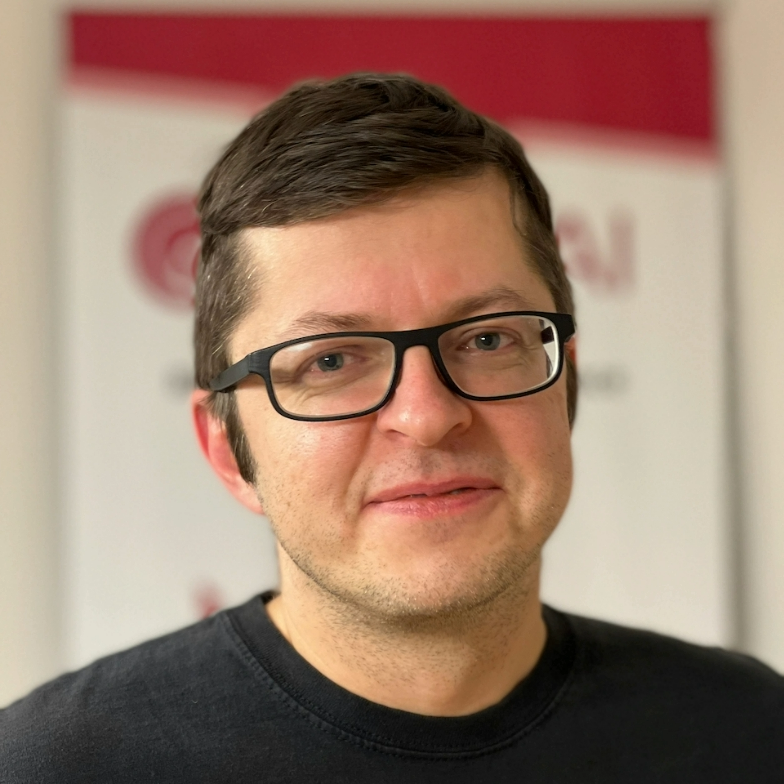
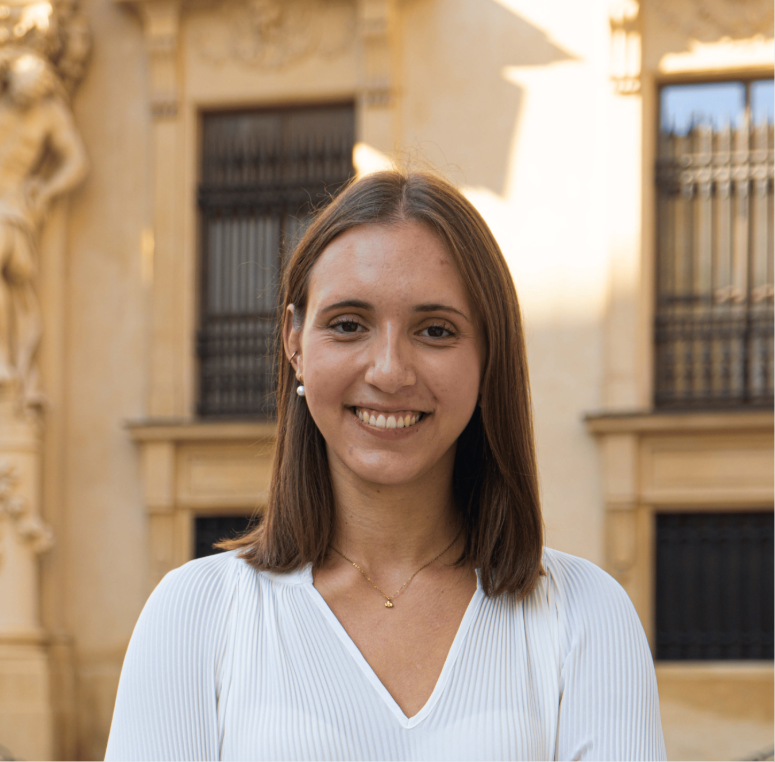
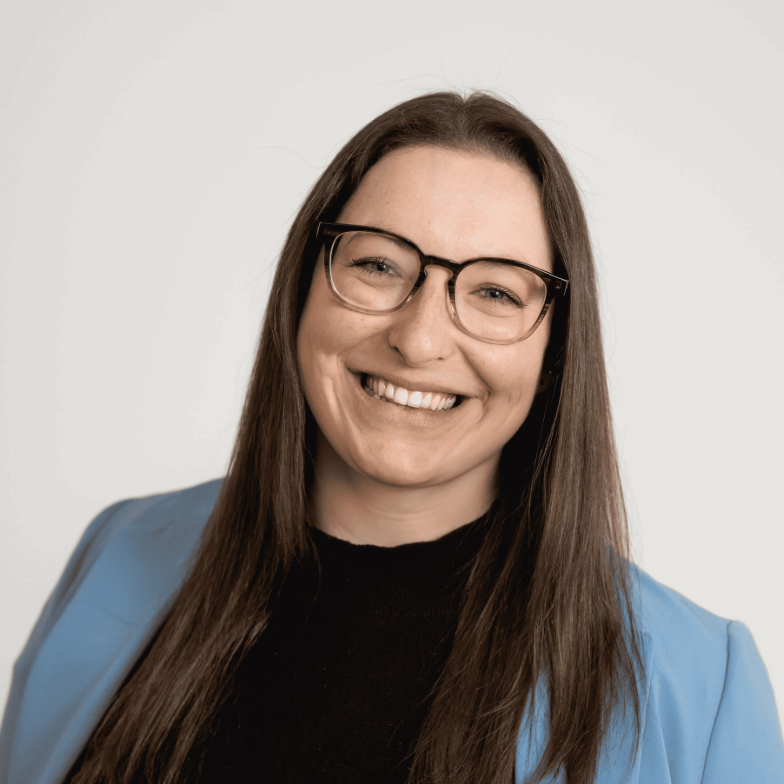
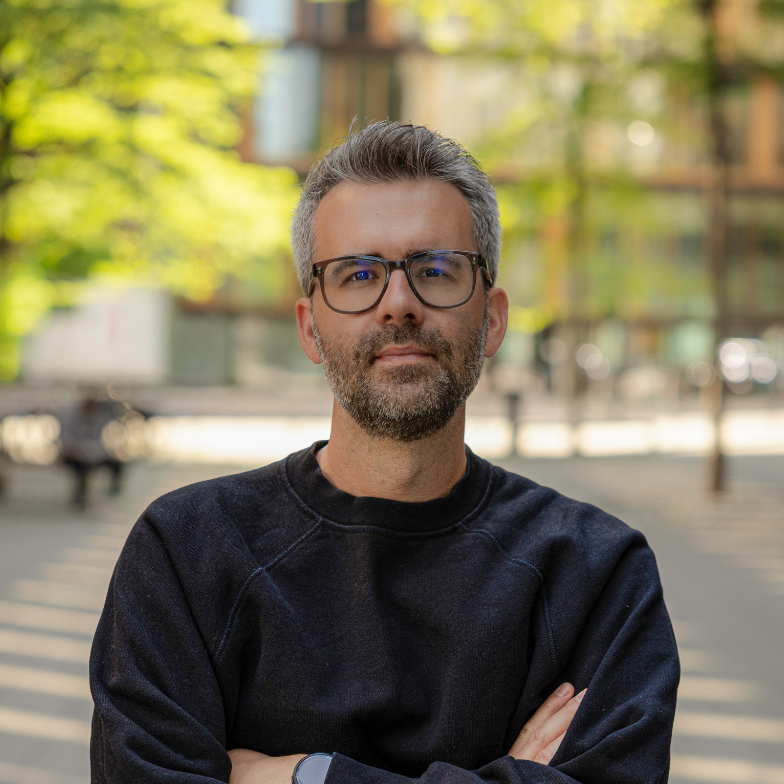

Artificial intelligence is transforming learning, teaching, and school structures, while education systems are grappling with issues of equal opportunities, skills, and regulation. This session highlights fields of action, discusses responsible policy frameworks, and develops approaches for the sustainable integration of AI in schools. //INFO: This session is being translated and transcribed live using the Wordly app.
15:30
-
17:00
Vision and Responsibility: Schools in the Age of AI
+5
DEM
Content
Capability & Renewal: Mobilising Europe's Power to Act
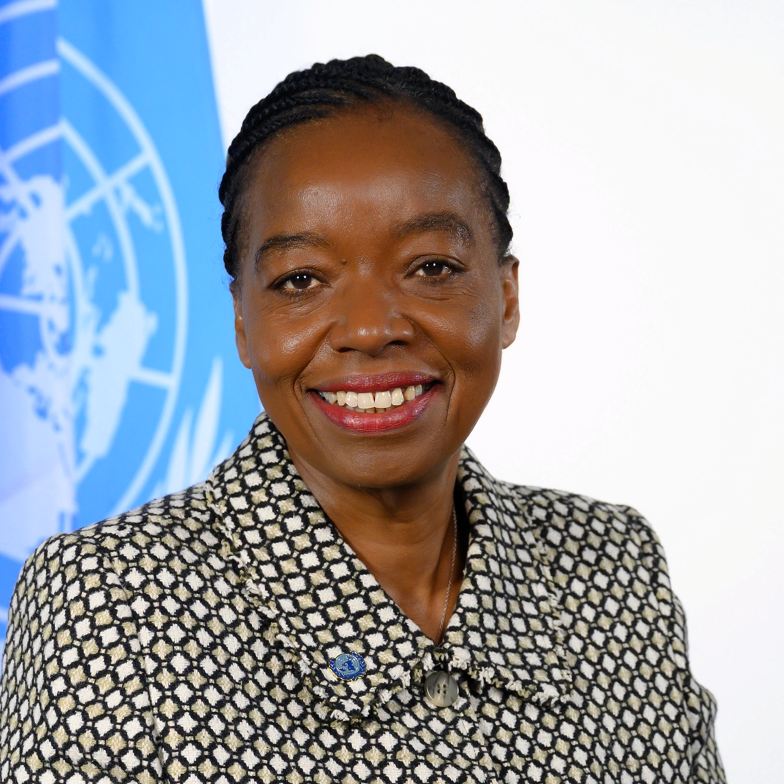

In a world of geopolitical realignment, Europe’s “power to act” depends on whether it can translate ambition into capability: deciding faster, building and sustaining effective coalitions under pressure, and delivering security at scale. This session brings together leading foreign policy voices to map the priorities of a European security architecture reconciling different threat perceptions and security traditions.//INFO: This session is being translated and transcribed live using the Wordly app.
17:00
-
18:30
Capability & Renewal: Mobilising Europe's Power to Act
+7
ART
CLI
DEM
FIN
SEC
Content
Evening
Evening
Into the Silence
A place of calm: Spiritual impulses from various religious and philosophical backgrounds invite you to contemplate and reflect. Inspiring initiators tell their stories, take you on a journey of the mind, and initiate moments of genuine stillness.
18:30
-
19:00
Into the Silence
Rituals
Stories of Light and Darkness: Exhibition Opening "Wonders in the Shadows"

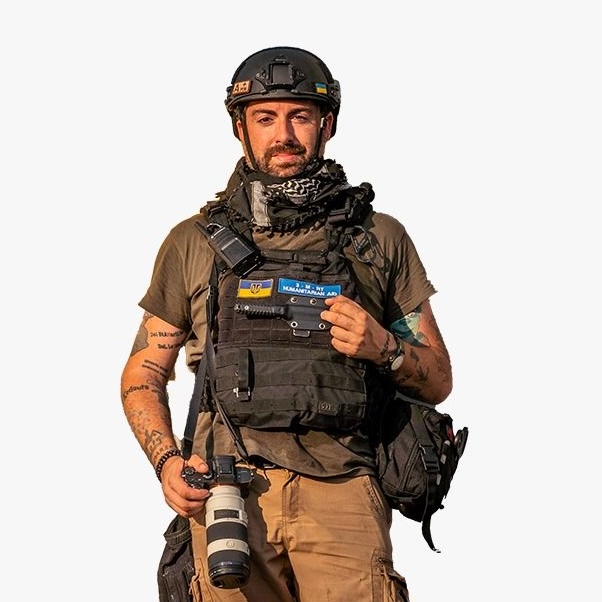
Opened by an artistic performance and by remarks of humanitarian Mattia Bidoli on the exhibition “Wonders in the Shadows”. His exhibition becomes a starting point for a broader conversation about what connects us in times of crisis: This session creates a space for open and vulnerable exchange. It explores how art can cross borders, connect experiences and remind us of the emotions and experiences we share, especially in the most difficult of times such as war and crises. In an open fishbowl format, voices from Ukraine, the Caucasus, Middle East and beyond join Mattia’s experiences ranging from Ukraine to Greece, Türkiye and Gaza. They come together to share their stories of light and darkness, of solidarity and human connection amid conflicts. The audience is invited to become part of the exchange and thus a shared experience.
19:00
-
20:30
Stories of Light and Darkness: Exhibition Opening "Wonders in the Shadows"
+3
ART
Rituals
Europeans, Believe in Yourselves!
Tyrol welcomes Europe! Join the cosy atmosphere of Alphof for culinary delights: a great opportunity to meet new people and raise a glass together.
20:30
-
22:00
Europeans, Believe in Yourselves!
Network
Party: Move Faster, Hope Louder!
Europe’s Futures Initiative likes to dance! So, let's turn the volume up! Join us in the garage with brass that's set festival crowds ablaze from the Balkans and throughout Europe, sliding into beats that will keep everyone moving till late in the night
22:00
-
01:00
Party: Move Faster, Hope Louder!
ART
Content
Early morning
Early morning
Morning Sports: Functional Fitness
Start the day with a boost of energy! The trainers of the Austrian Armed Forces will get you sweating with military functional fitness on the forecourt of the CCA – an ideal way to recover from stress and prevent burnout and illness.
07:00
-
08:00
Morning Sports: Functional Fitness
Rituals
Into the Silence
A place of calm: Spiritual impulses from various religious and philosophical backgrounds invite you to contemplate and reflect. Inspiring initiators tell their stories, take you on a journey of the mind, and initiate moments of genuine stillness.
08:00
-
08:30
Into the Silence
Rituals
Morning Briefing | How Europe Can Have Both Climate Action and Growth
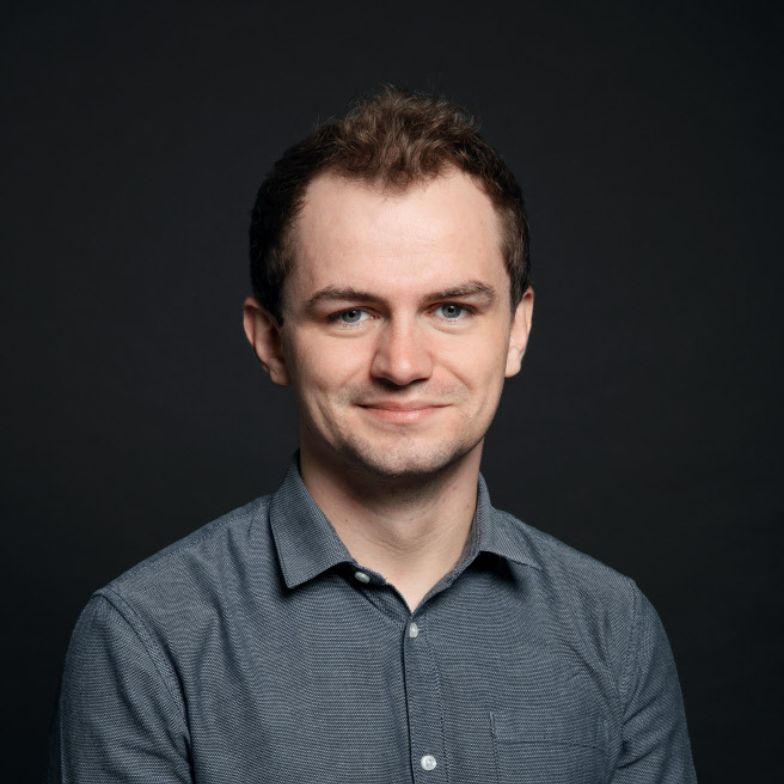
The Green Deal has been watered down, geopolitical pressure is growing, and industry complains about a loss of Europe’s competitiveness. This Morning Briefing examines the case that Europe does not have to choose between climate action and growth, and asks what it would take for the green transition to deliver quality of life and resilience.
08:00
-
08:45
Morning Briefing | How Europe Can Have Both Climate Action and Growth
+1
Content
Hike | We Need to Play a Different Game
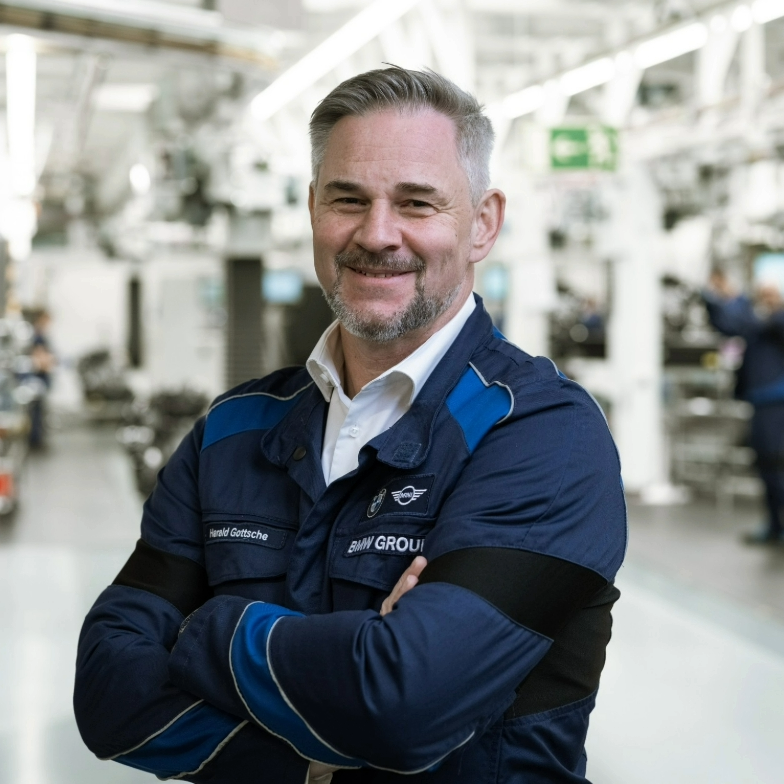
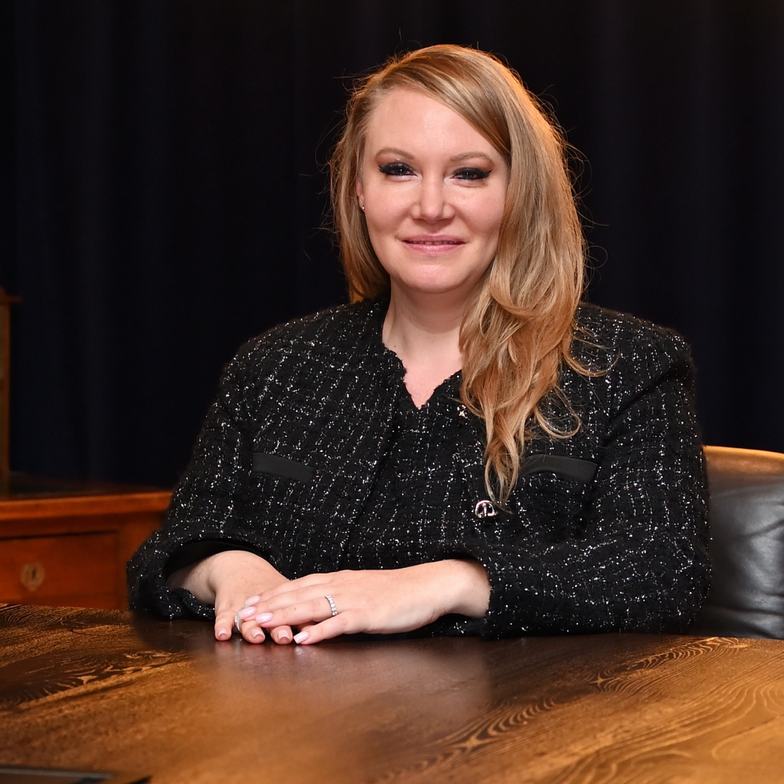
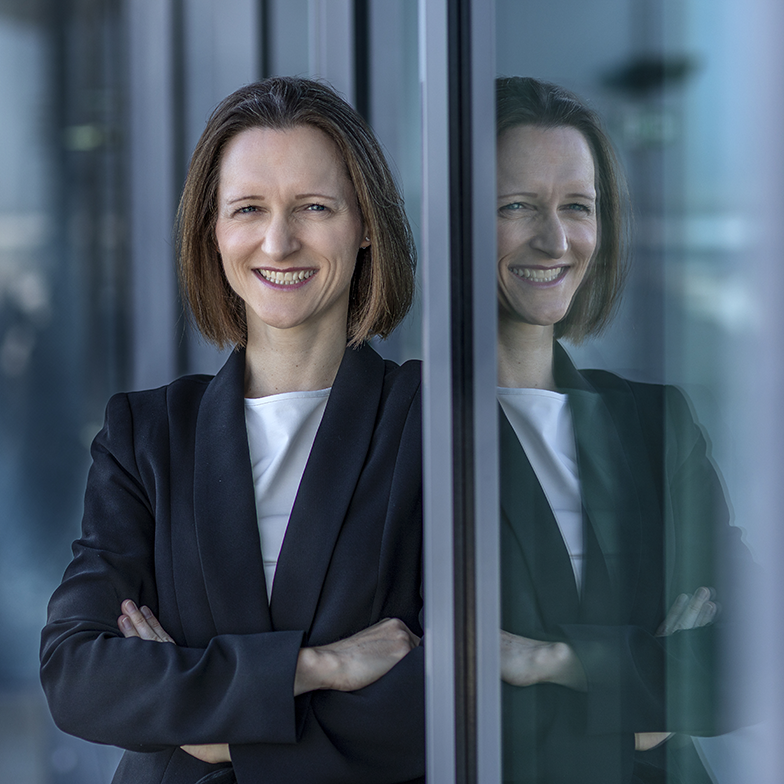
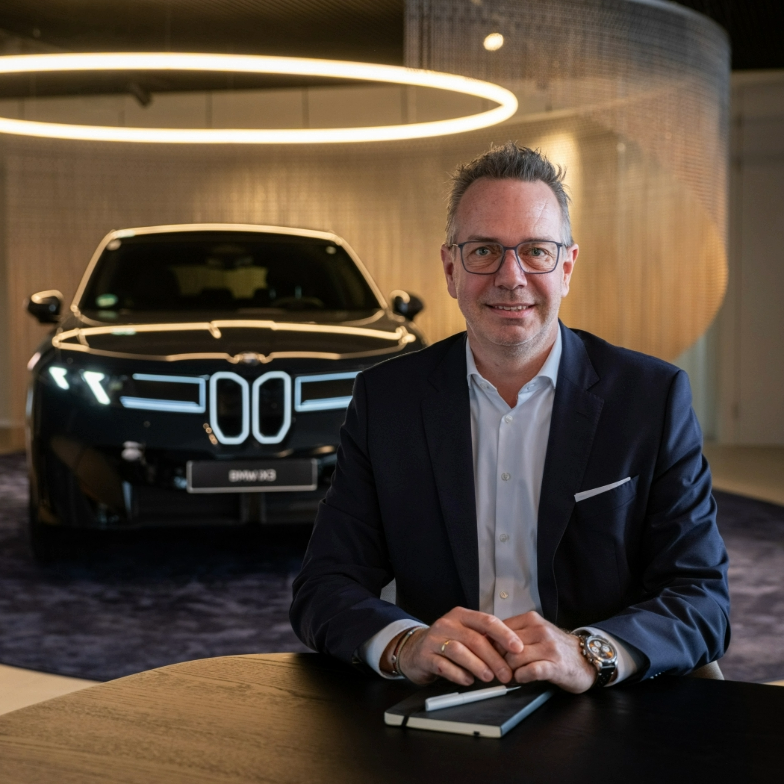
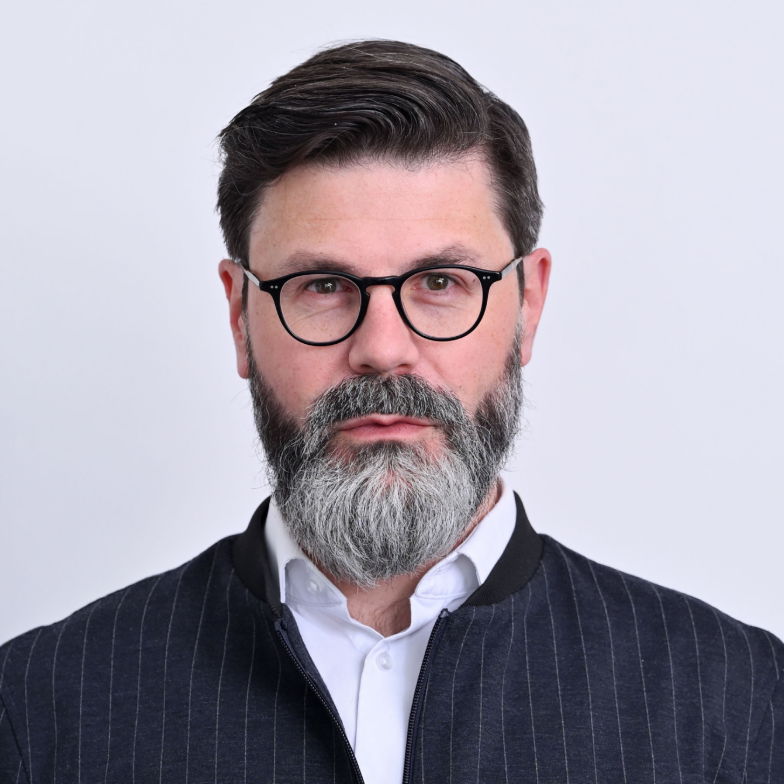
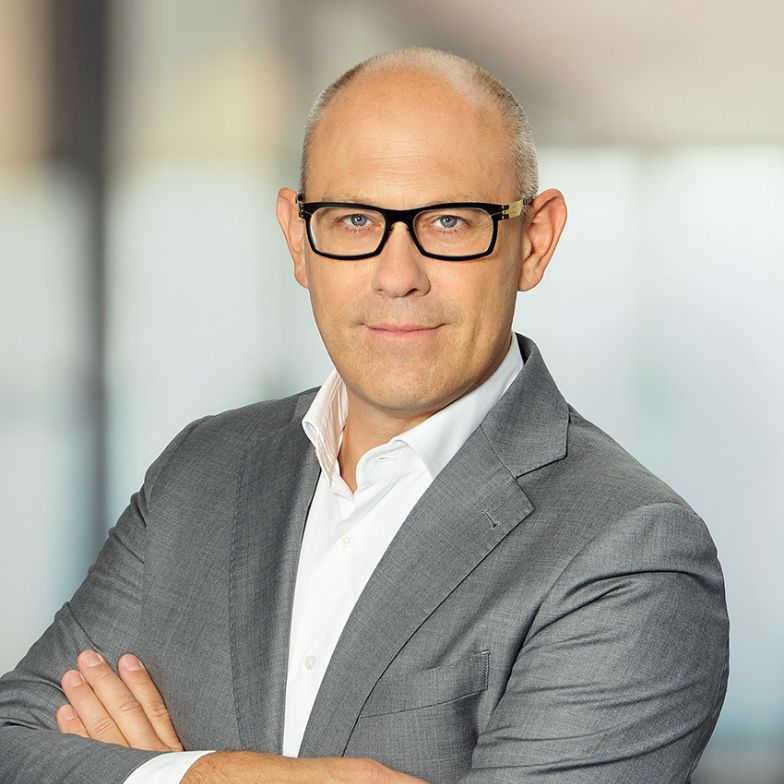
Europe is under pressure: productivity is stagnating, skilled workers are in short supply, and AI and decarbonisation are transforming the economy and the world of work. The session explores the strategy Europe needs to win, which skills will matter, and how high-quality jobs can be secured. The goal: impulses for Europe’s next winning moves.Email registration is required for participation. Please register at: veranstaltungen@diepresse.com // INFO: Wear hiking shoes and bring drinking water. // INFO: In case of rain, there is going to be a shuttle to Zirmalm.
08:30
-
12:00
Hike | We Need to Play a Different Game
+5
CLI
Content
Morning
Morning
Book Talk with Oliver Rathkolb
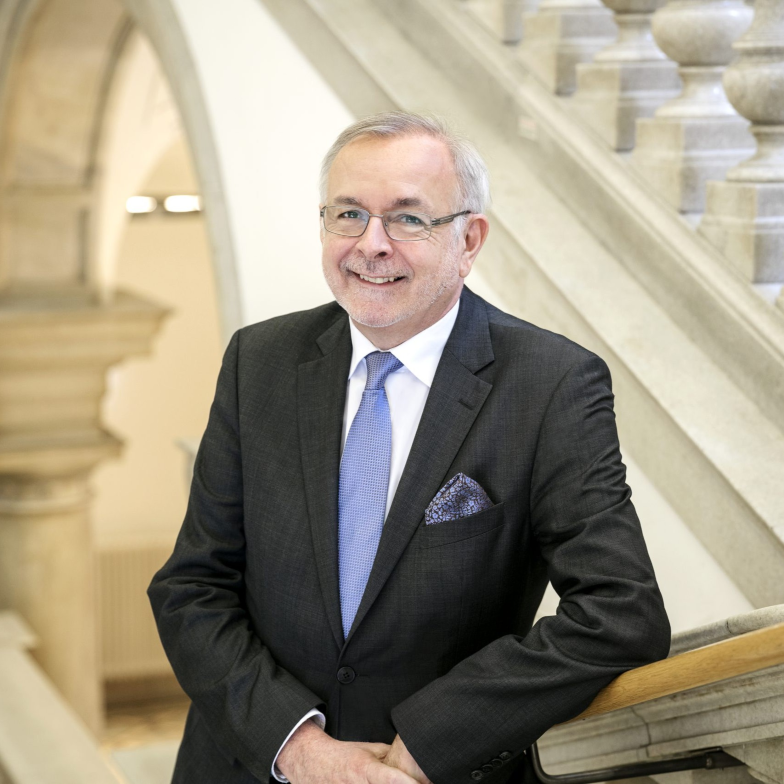
Join Oliver Rathkolb for a book talk of “Ökonomie der Angst: Die Rückkehr des nervösen Zeitalters” in the Liechtenstein-Hall. The book talk is held in German.
09:00
-
10:00
Book Talk with Oliver Rathkolb
ART
CLI
DEM
FIN
SEC
Content
Hike | Guns, Green, Growth: Europe's Budget Trilemma
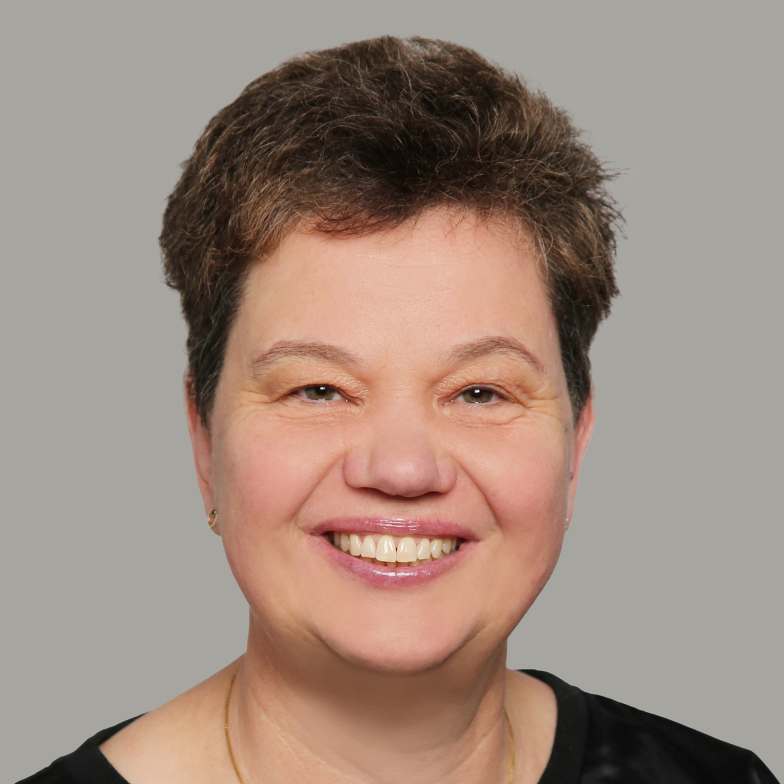
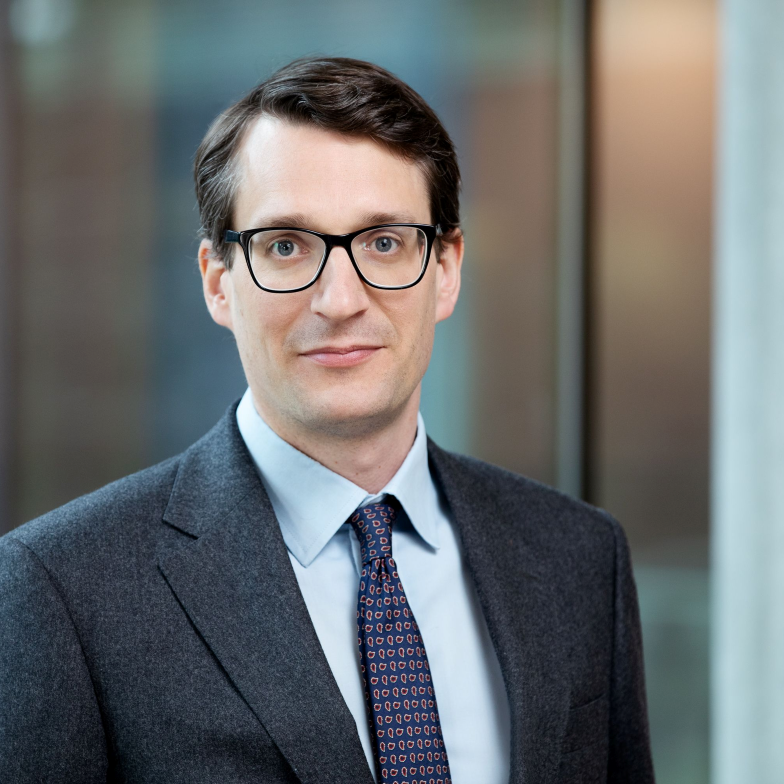
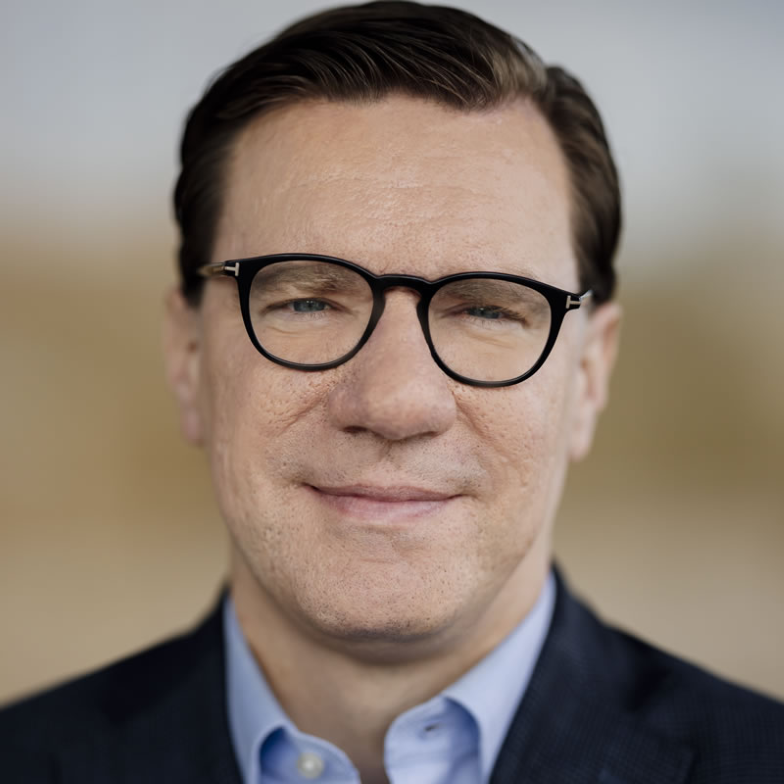
Europe faces a budget trilemma: funding security, decarbonisation and competitiveness without breaking trust between member states, sectors, and generations. This hike maps where tradeoffs are unavoidable and where the right priorities can create complementarities through sequencing and fair burden sharing. It distils practical principles for sustaining legitimacy while setting priorities for 2028 to 2034. //INFO: Wear sturdy shoes and bring drinking water. //INFO: In case of heavy rain, the session is going to take place at CCA-Flora-Hall.
09:00
-
12:00
Hike | Guns, Green, Growth: Europe's Budget Trilemma
+3
SEC
Content
Hike | The Benefit-Cost of Stability: Europe's Struggle to Transform
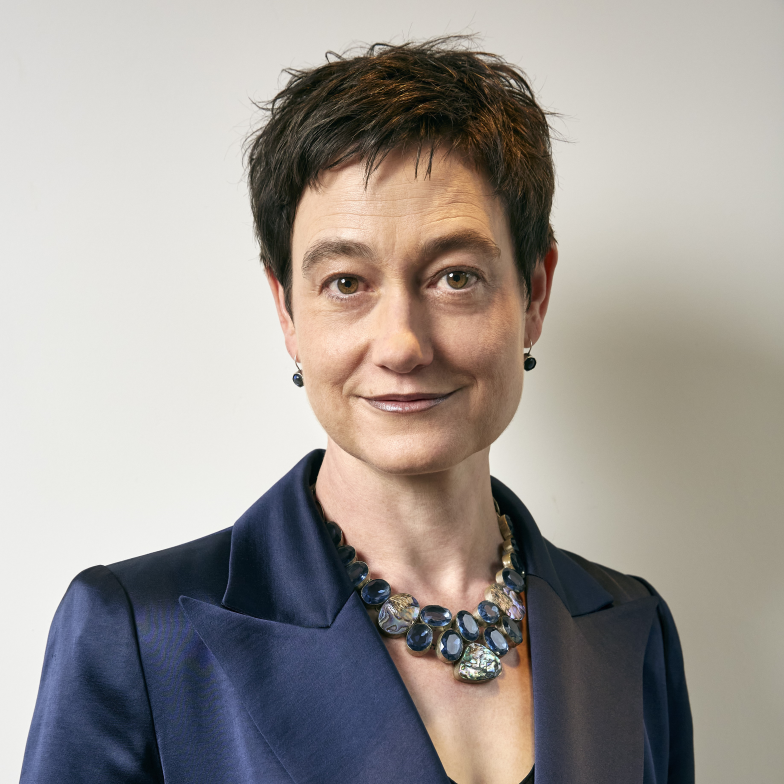
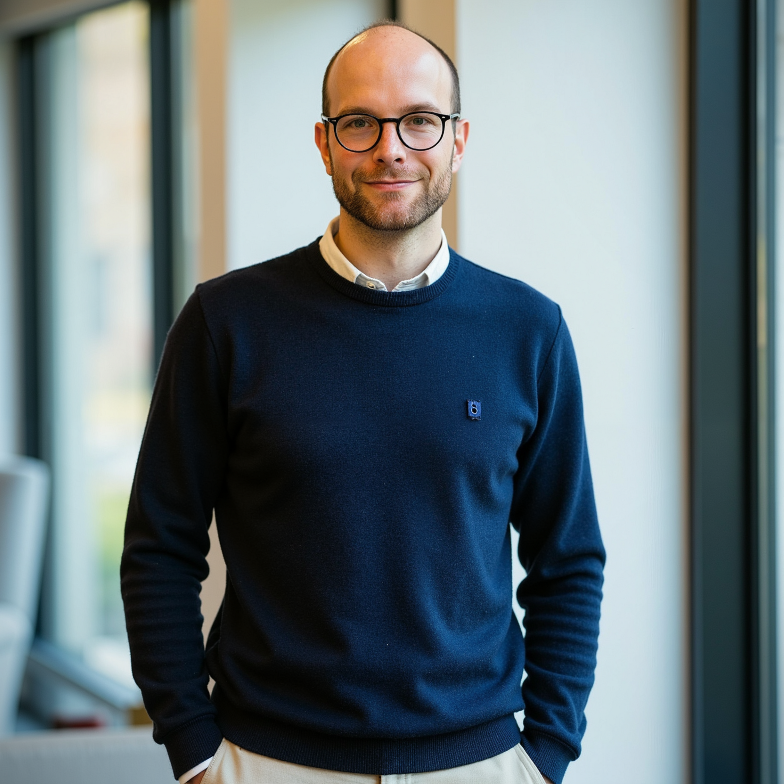
Europe misprices transformation by treating the status quo as safe while treating change as risky, thus locking capital into systems already in decline. This hike reframes stability as a costly illusion and explores how behavioural bias, cultural habits and incentives distort our decisions. Beyond this, it outlines ways of redirecting capital and engaging institutions proactively toward long-term resilience and transformation. //INFO: Wear sturdy shoes and bring drinking water.//INFO: In case of heavy rain, the session is going to take place at Volksschule.
09:00
-
12:00
Hike | The Benefit-Cost of Stability: Europe's Struggle to Transform
+3
CLI
Content
In Conversation with Comfort Ero and Mark Leonard
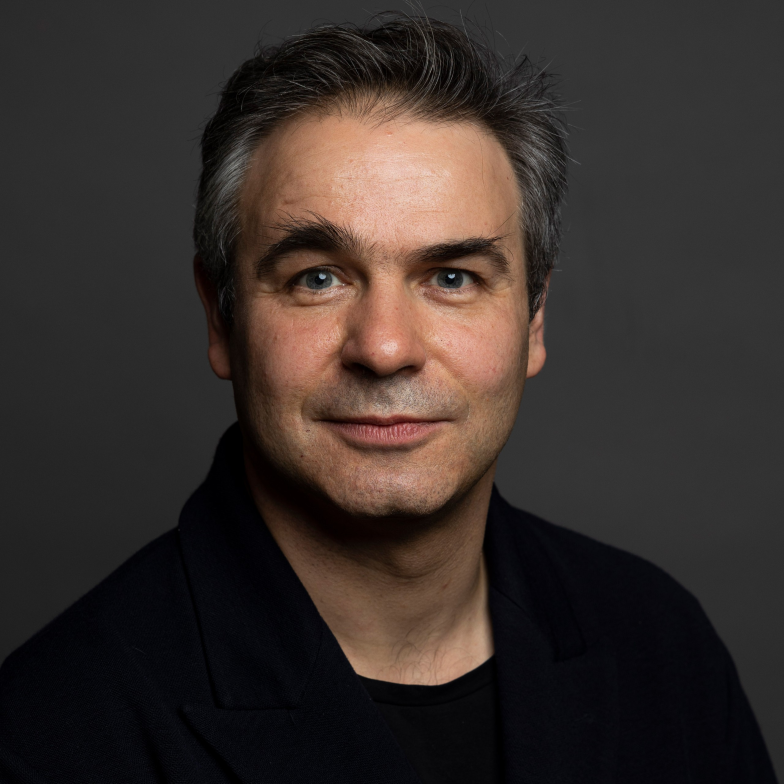
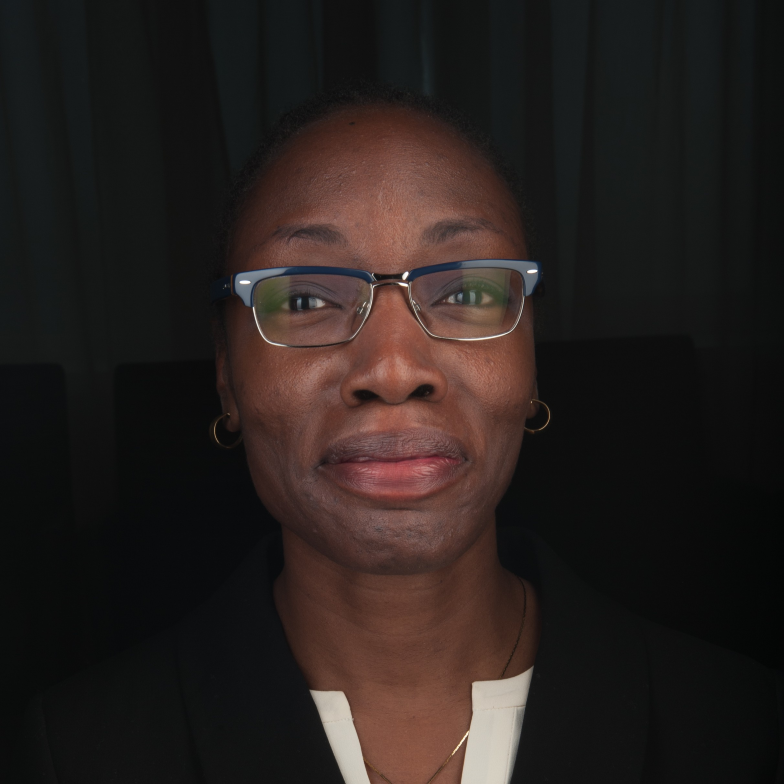
A conversation between Comfort Ero and Mark Leonard on the subject of “The peacemaking landscape and Europe's role in it”.
09:00
-
10:00
In Conversation with Comfort Ero and Mark Leonard
+1
CLI
SEC
Content
How Populism Shapes Europe's Capacity to Commit
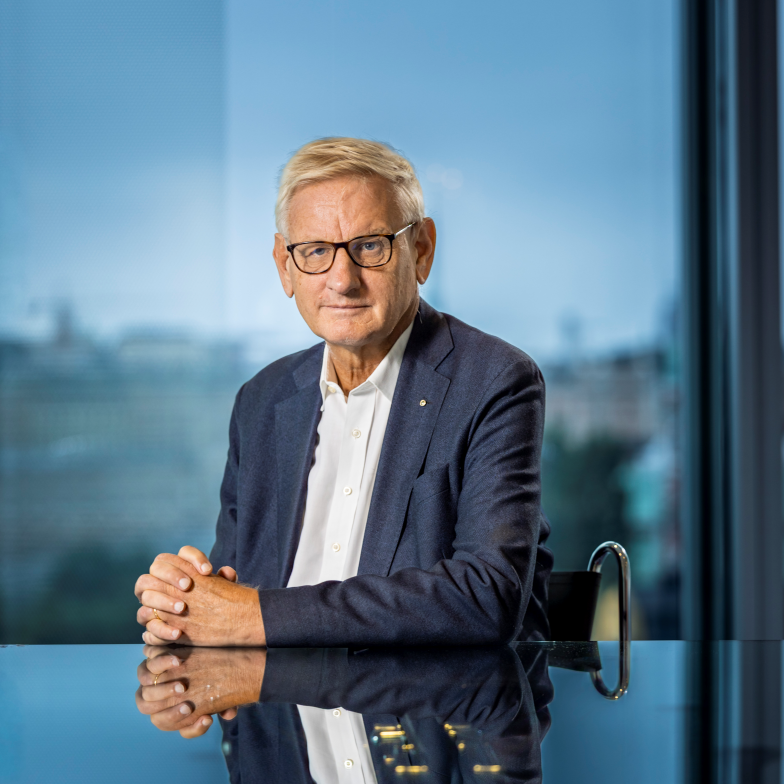
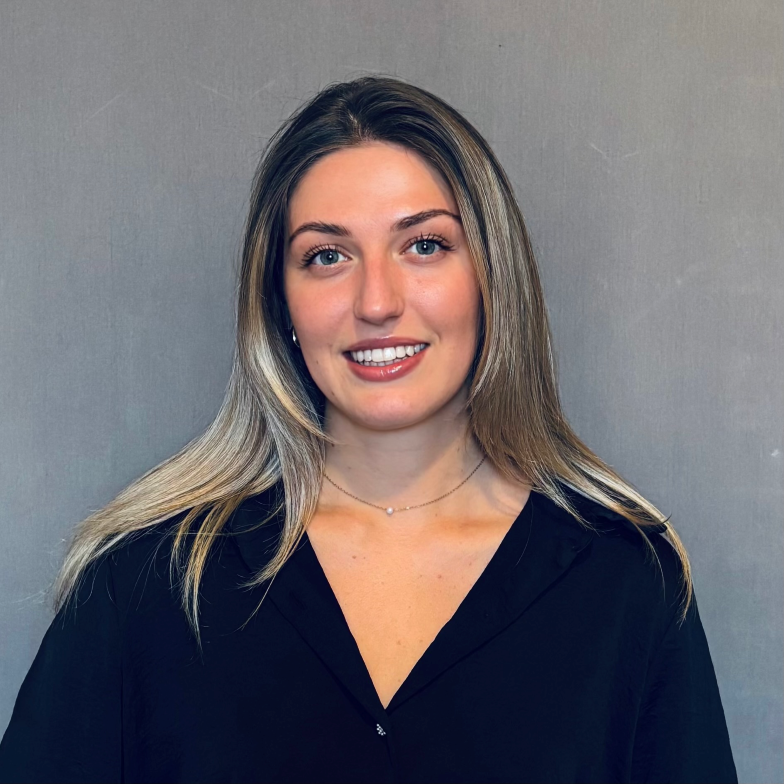
Europe’s long-term financial commitments, from climate and security to foreign aid and enlargement, depend on political trust that is increasingly contested. This session explores how populist narratives reshape public spending choices and erode institutional credibility. What happens when democratic cycles collide with long-term obligations – and can Europe still honour its commitments?
09:00
-
10:00
How Populism Shapes Europe's Capacity to Commit
+3
Content
Executive Talk: From AI to Impact
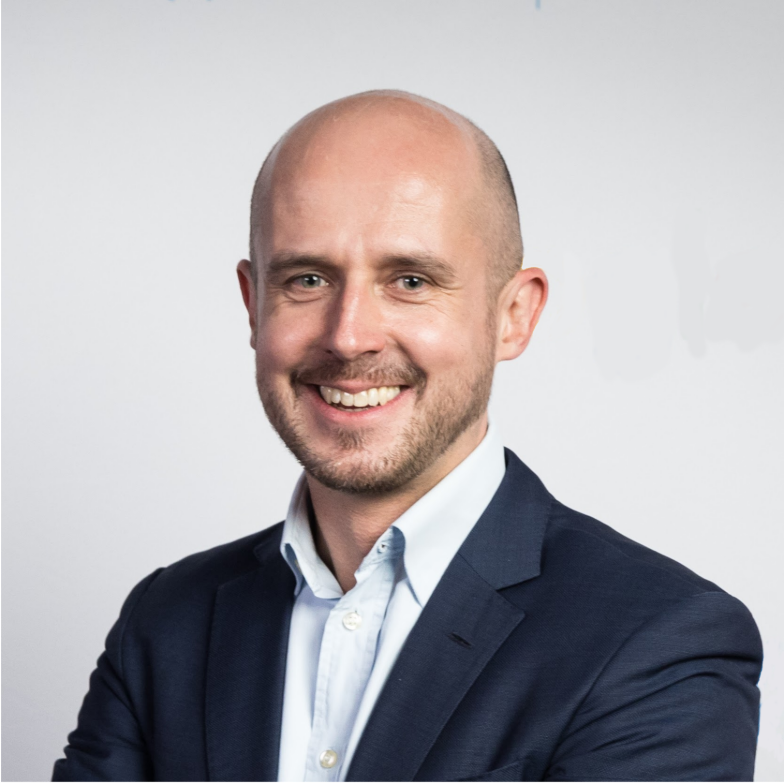
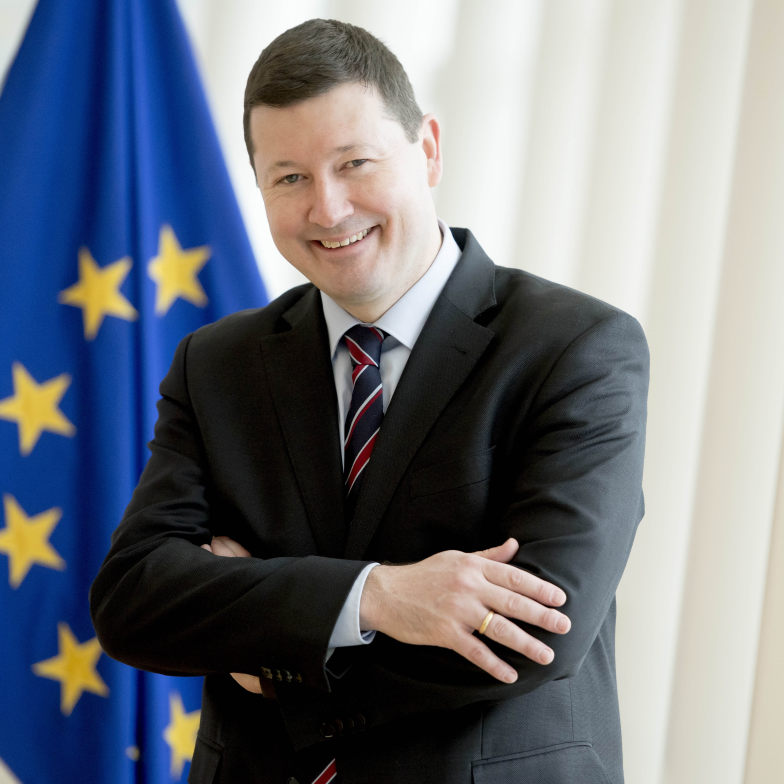
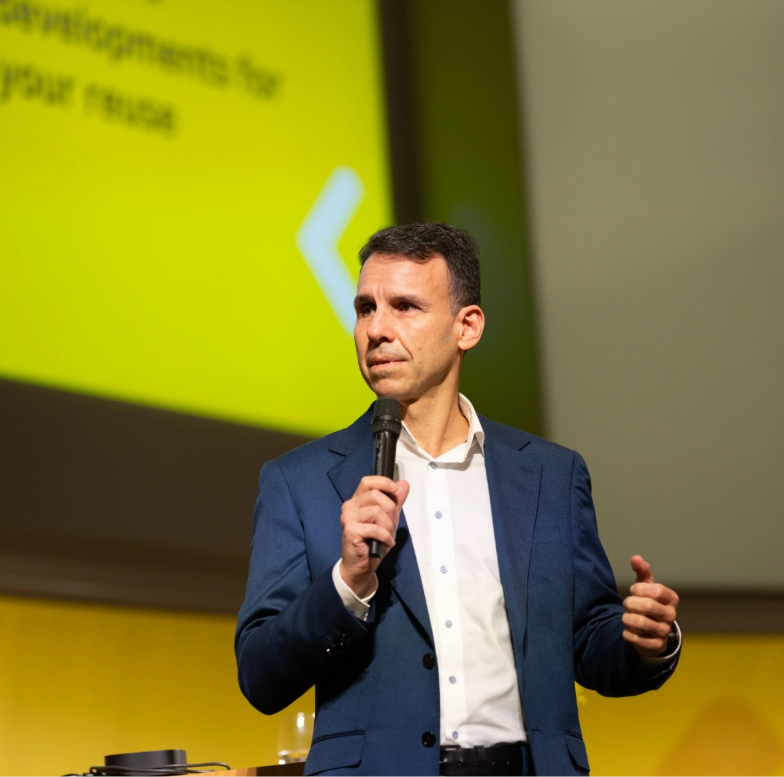
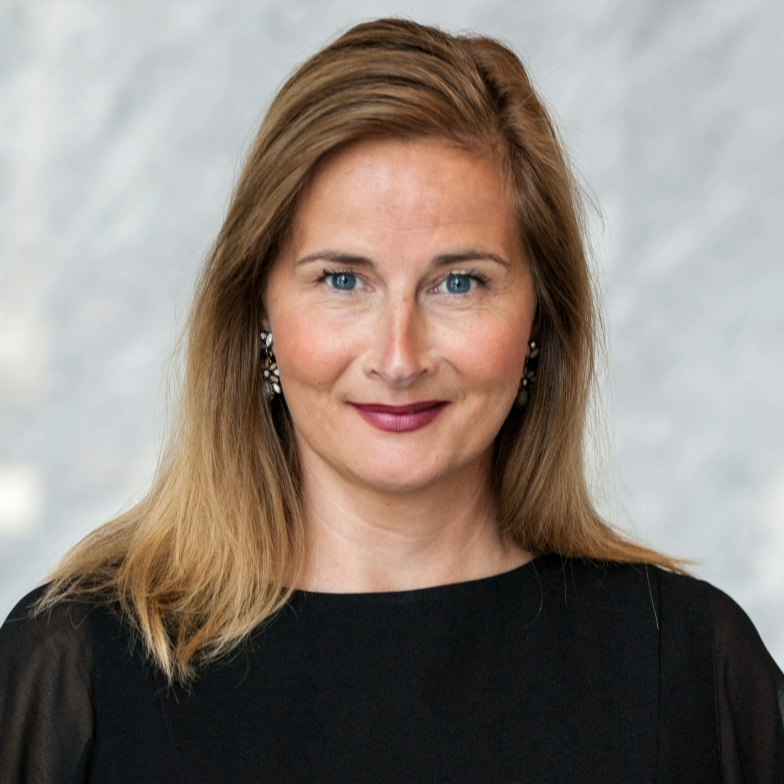
Global challenges put pressure on Europe to build resilience amid climate shocks, volatility, and technological advancement. This session, hosted jointly by the UN World Food Programme and Raiffeisen Bank International, brings together leaders exploring how AI can create measurable impact at scale. Drawing on real-world experience, the discussion will examine how AI, data, and new models of collaboration can support preparedness, sustainability and long-term prosperity.
10:00
-
11:30
Executive Talk: From AI to Impact
+3
Network
Financing Europe’s Future: Competitiveness, Capital Markets, and Economic Policy
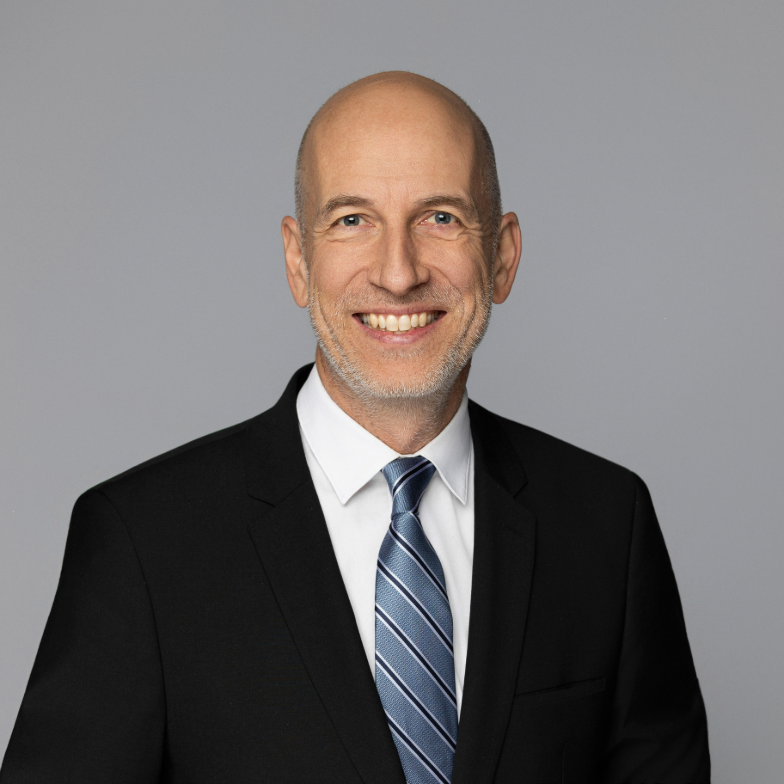
Europe’s ambitions in competitiveness, productivity growth, and economic security require substantial private investments. To meet these financing needs, the session explores how deeper capital markets and effective economic policies can unlock investment and channel capital towards strategic priorities. The discussion highlights reforms needed to strengthen Europe’s growth potential and resilience. //INFO: This session is being translated and transcribed live using the Wordly app.
10:30
-
12:00
Financing Europe’s Future: Competitiveness, Capital Markets, and Economic Policy
+3
FIN
Content
Executive Talk: Getting to the Core: From the Comfort Zone to Peak Performance
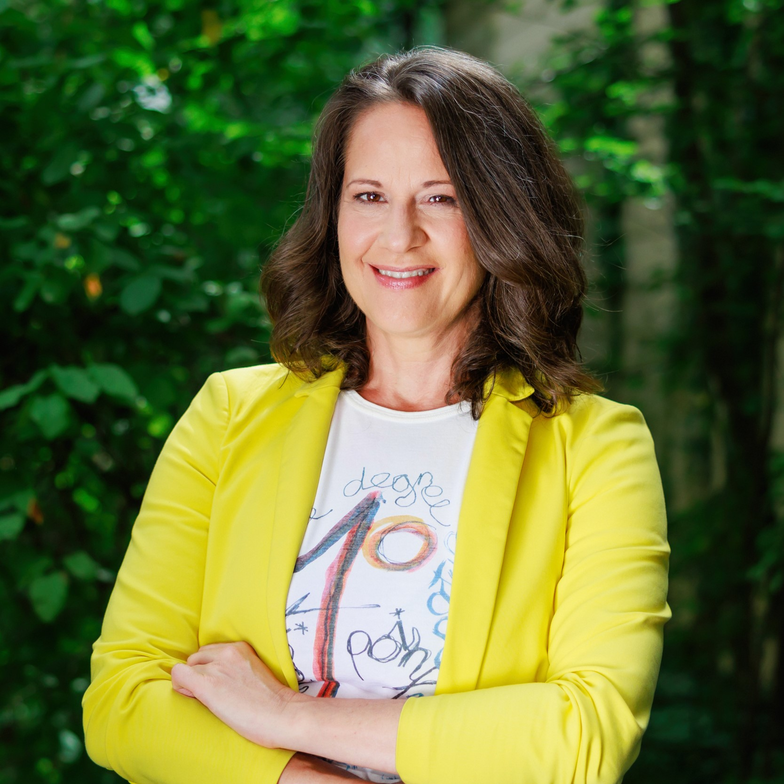
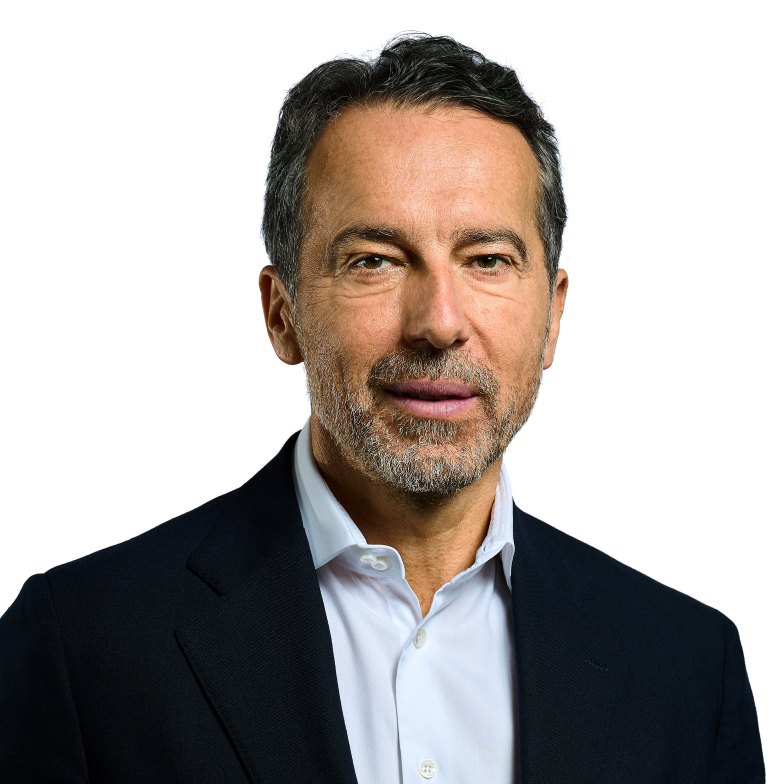
There are many plans to strengthen Europe’s competitiveness, yet we often lack the ability to turn them into action. AI is accelerating decisions, processes, and business models, but it cannot replace the people who must step outside their comfort zones. A former chancellor and a medium-sized business entrepreneur discuss how AI is shaping reality—and the standards and ambitions Europe must now set for itself.
10:30
-
11:30
Executive Talk: Getting to the Core: From the Comfort Zone to Peak Performance
+2
DEM
Network
Testing Europe’s Defences: Are We Prepared for War?
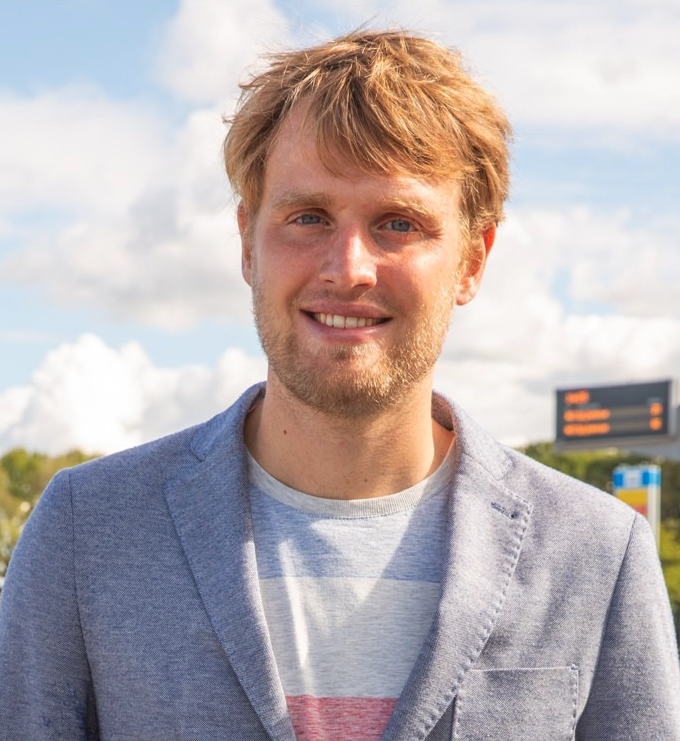
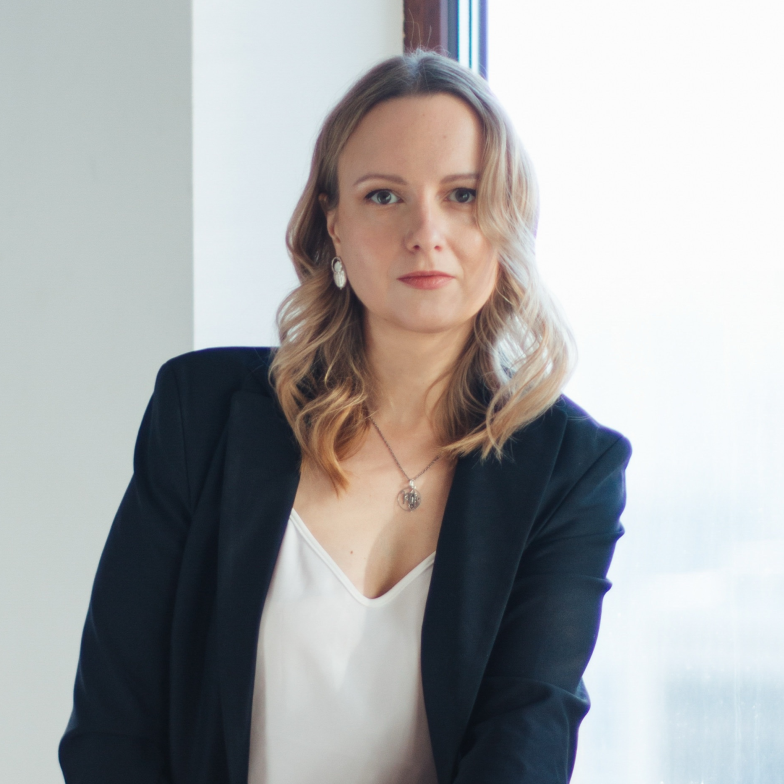
What does a hybrid conflict on European soil look like? This session addresses Europe’s preparedness across defence, infrastructure, and society. Drawing on real-world experiences, it asks where vulnerabilities lie and how Europe can build resilience amid systemic crises.
10:30
-
11:30
Testing Europe’s Defences: Are We Prepared for War?
+3
SEC
Content
Imagining Balkans Futures in 2040
Debates on the Balkans tend to focus on diagnosing current crises rather than imagining the futures young people want to live in. Participants project themselves into 2040, articulating scenarios for a region worth staying in and mapping the obstacles ahead. The session produces a shared vision and concrete policy avenues for the long-term transformation of the region.
10:30
-
12:00
Imagining Balkans Futures in 2040
DEM
Content
Noon
Noon
Track Forum: Climate
Come and meet fellow participants who share an interest for the Climate track. Get to know each other at lunch and debate the current programme highlights and main controversies so far. //INFO: Lunch and drinks are at your own expense. Please be on time at 12:15 so you have enough time to order comfortably.
12:15
-
13:45
Track Forum: Climate
+1
CLI
Network
WoW* Connects: A Networking Hour for Women*
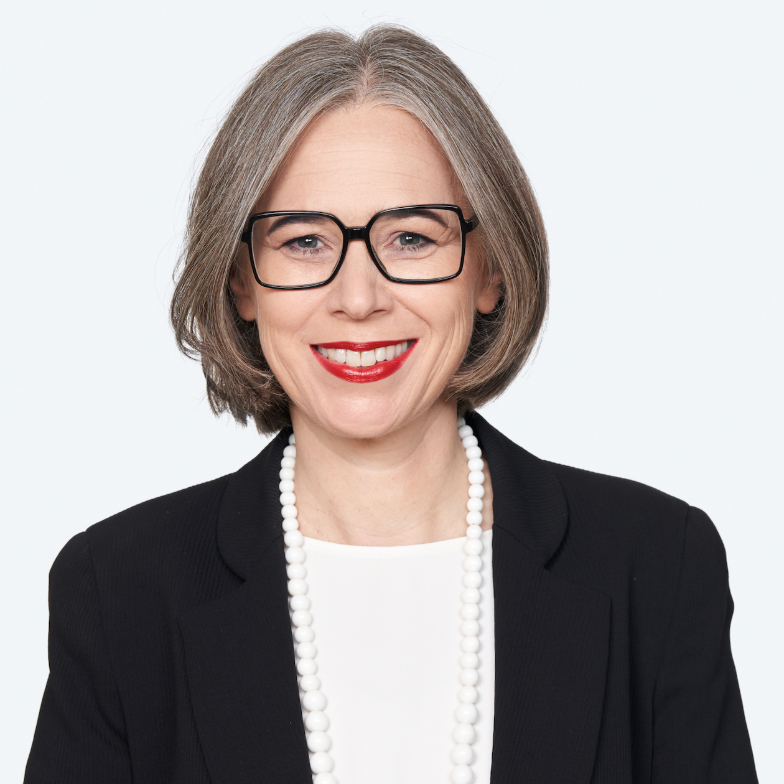
As part of the EFA World of Women* initiative, EFA is taking extra efforts to encourage female* contributors, both in programming and participation. Throughout the Conference Days, four sessions of one and a half hours each will be hosted by women* engaged in EFA’s broader network, which offers the opportunity to connect, reflect, and act. // INFO: To ensure a focused and engaging experience, we won’t be providing any catering. Participants are, however, free to order lunch and beverages at their own cost.
12:15
-
13:45
WoW* Connects: A Networking Hour for Women*
+1
Network
Solution Hour: Finance & Economy
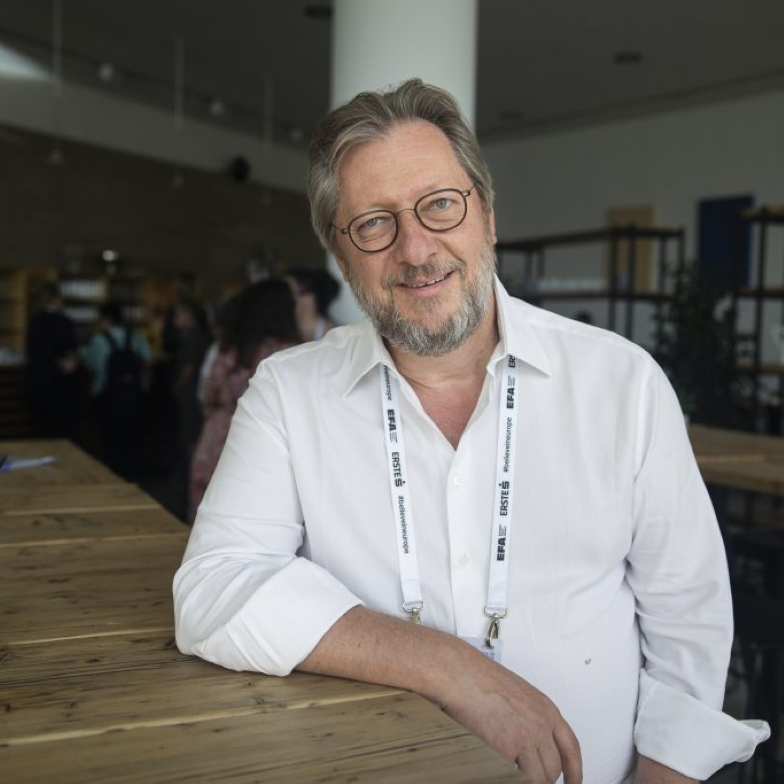
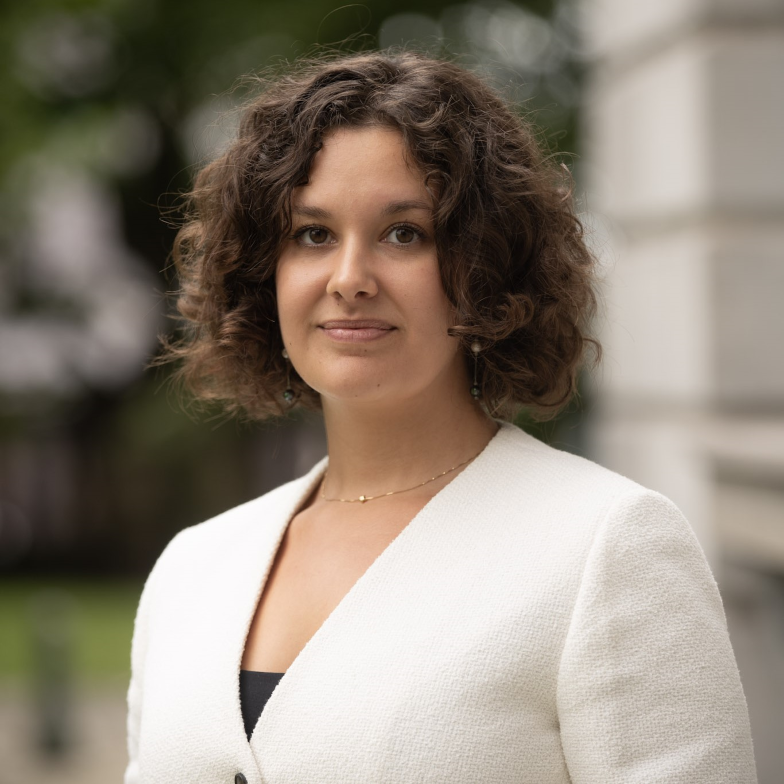
The European Forum Alpbach is a place of serious debate; and of the people and initiatives turning ideas into outcomes. This session explores what Europe must change to strengthen its capacity to act. Building on insights generated across EFA26, participants will identify the key shifts and trade-offs emerging across finance and economy Together, these outputs will form the building blocks for the Call to Action Manifesto, presented on 4 September.//INFO: This session is being translated and transcribed live using the Wordly app.
12:30
-
13:30
Solution Hour: Finance & Economy
+3
FIN
Content
Brown Bag Lunch | How the Race for Superintelligence Shapes the New World Order
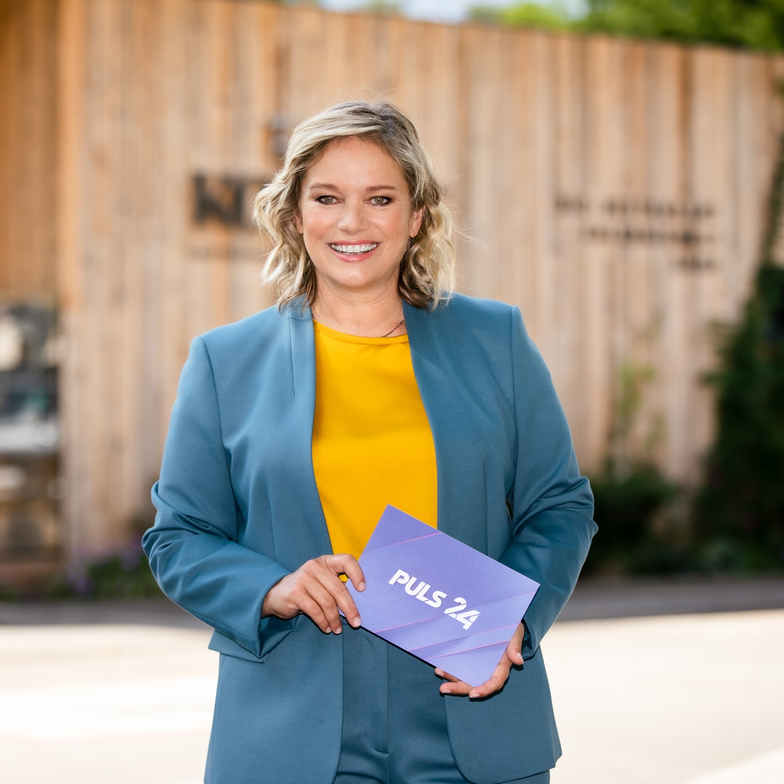
AI is reshaping economies, societies, and power structures at unprecedented speed. This session explores how Europe can manage risks while preserving innovation and competitiveness in a multipolar world. Chloé Touzet and Corinna Milborn discuss safeguards and priorities for responsible AI in the race for Superintelligence – and how to strengthen security, resilience, and international stability.
12:30
-
13:30
Brown Bag Lunch | How the Race for Superintelligence Shapes the New World Order
+1
Content
Alpbach Pride
The Forum Alpbach Network Pride celebrates its sixth edition! Join the parade and raise your voice against social exclusion. As prejudices and discriminating practices against the LGBTQIA+ community are on the rise in Europe and beyond, it remains necessary to continue this newly established tradition. Feel free to come in your best pride outfit and get the glitter shining for a joint celebration of diversity.
12:30
-
13:30
Alpbach Pride
Network
Afternoon
Afternoon
Artist Talk: Soraya Hossaini
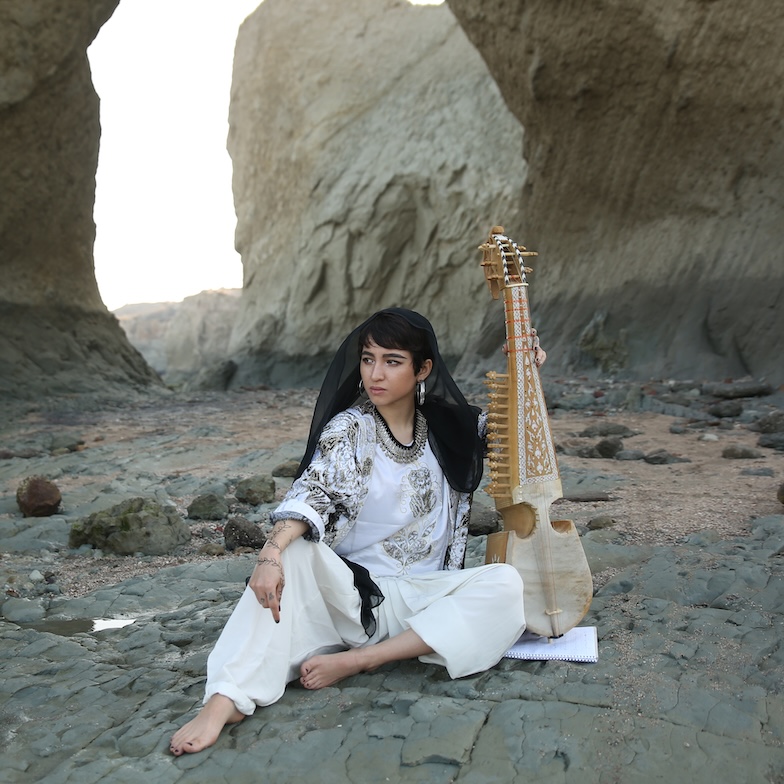
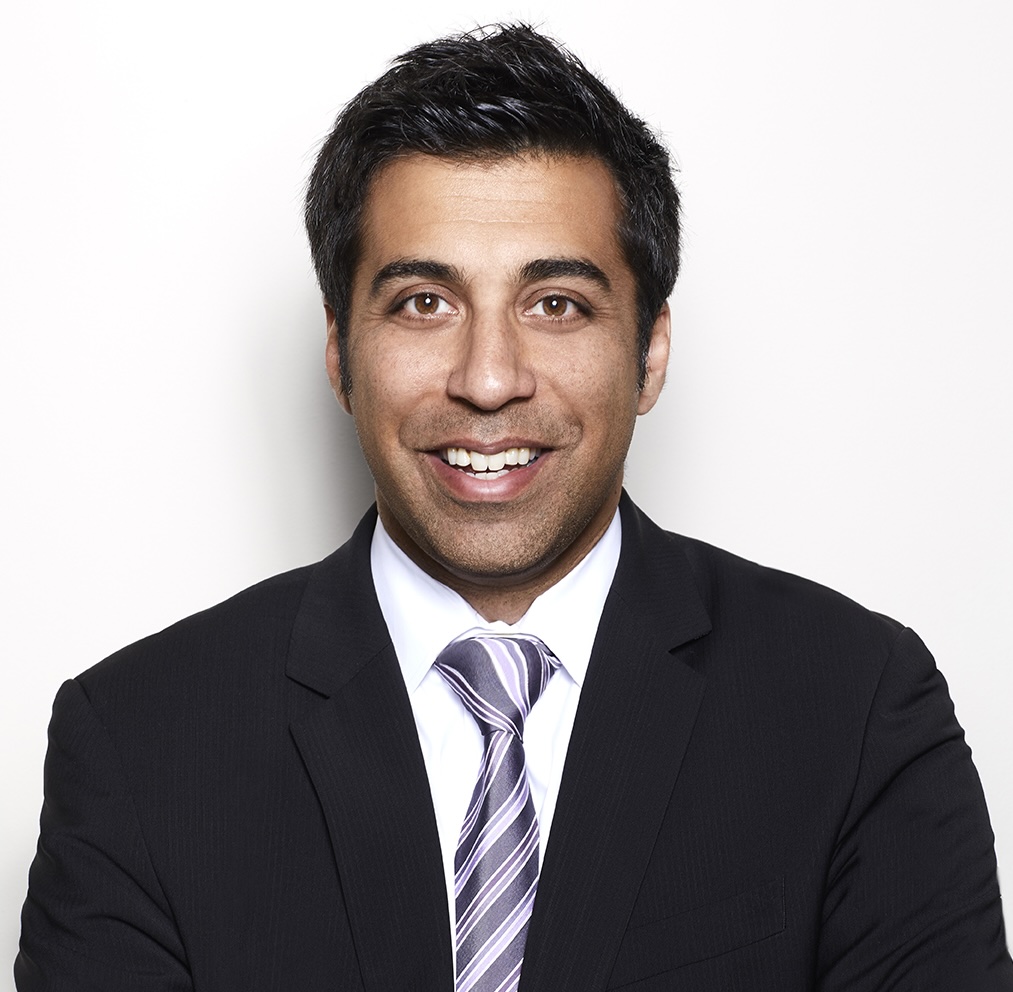
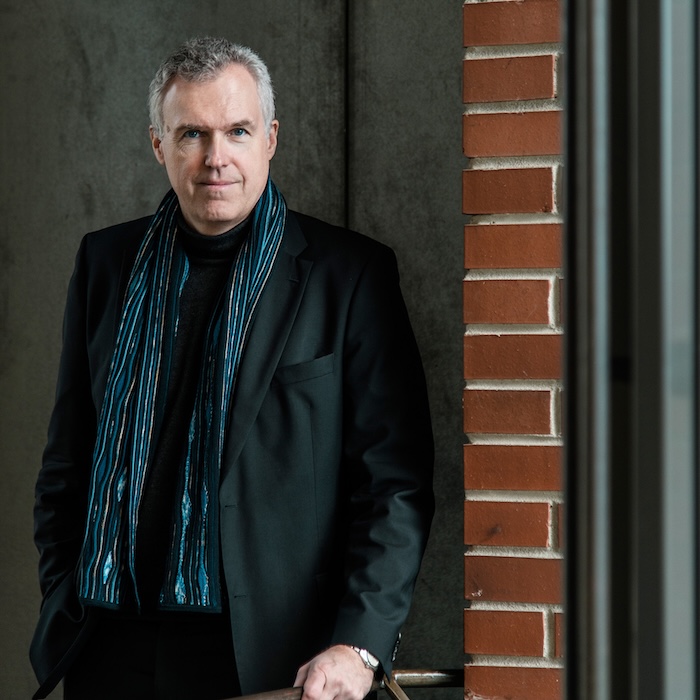
Join artist Soraya Hossaini in conversation with Christoph Thun-Hohenstein, Chair of EFA’s Arts & Culture Committee, and Sanjay Sethi, Co-CEO of the Artistic Freedom Initiative, for an engaging discussion on her multidisciplinary artistic practice, her advocacy for women’s freedom, and her innovative approach to merging Afghan cultural traditions with contemporary expression in music and fashion.
14:00
-
15:00
Artist Talk: Soraya Hossaini
+2
ART
Content
How Europe Wins on Housing
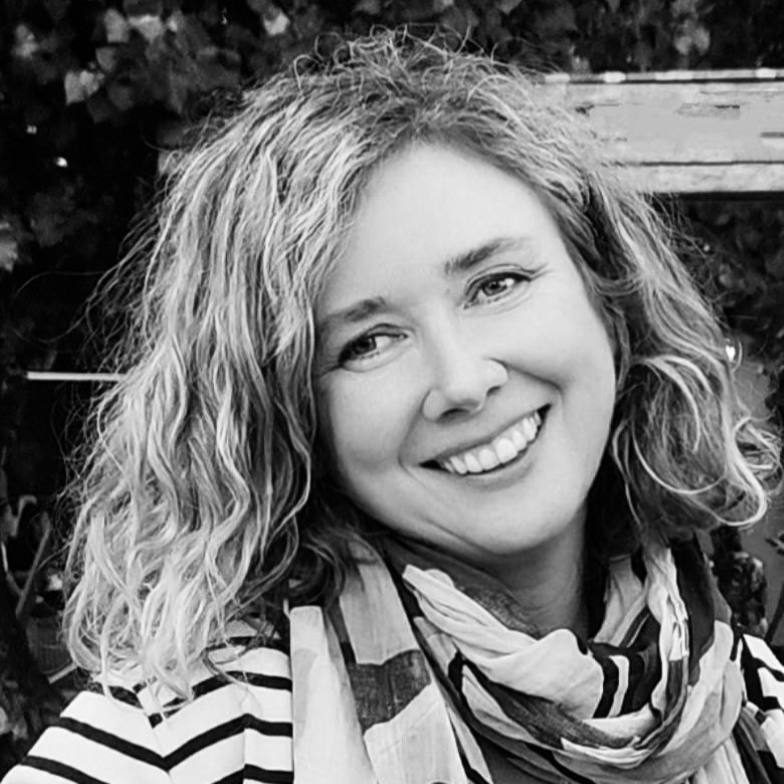
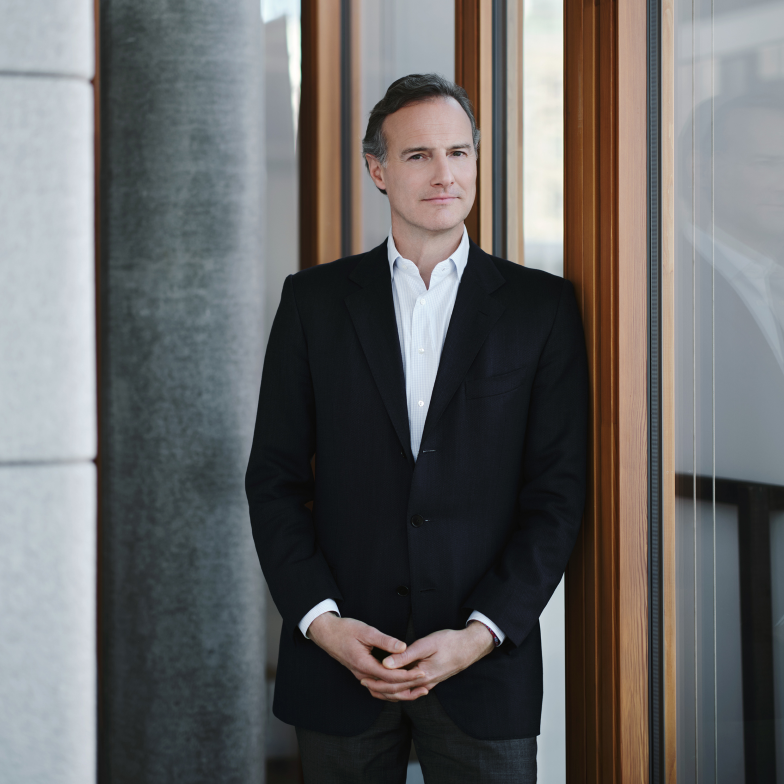
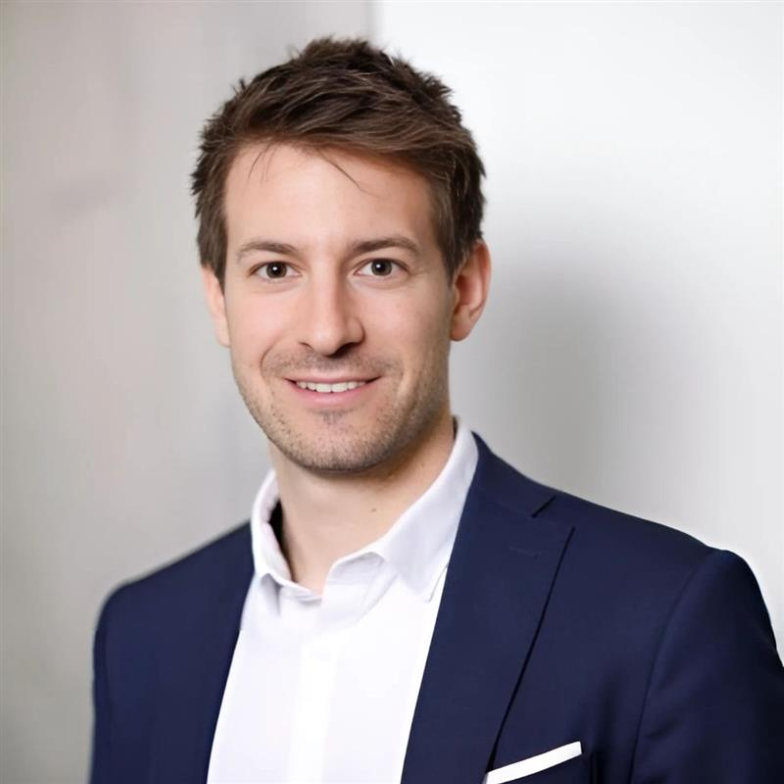
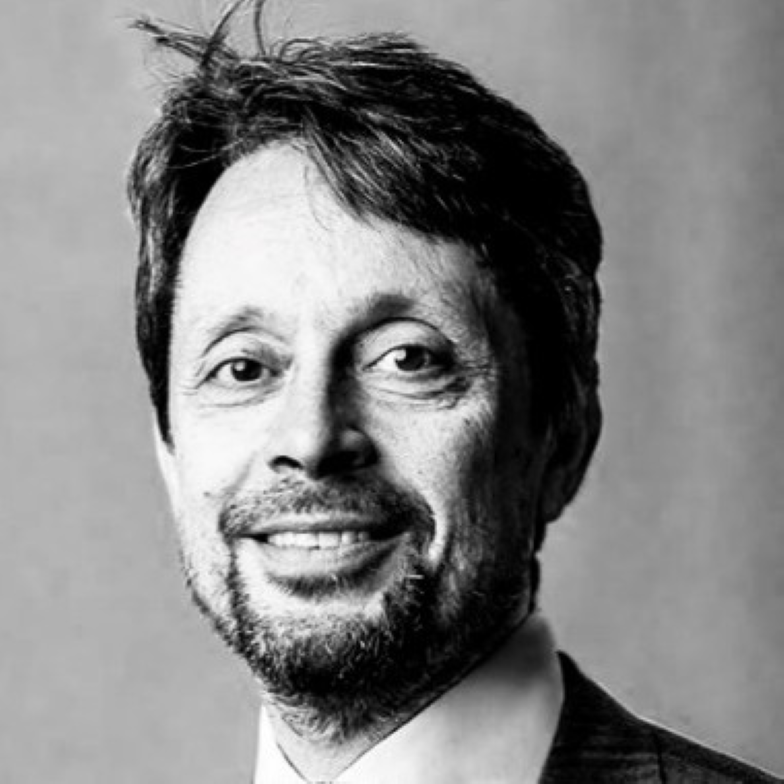
Europe’s housing situation has risen to the top of the political agenda, but solutions require coordinated action across sectors. Let’s discuss how integrated housing ecosystems can be built, where public, private and philanthropic sector mobilize the capital, capabilities and partnerships needed to secure one of Europe’s most fundamental pillars: accessible and affordable housing for all.
14:00
-
15:30
How Europe Wins on Housing
+3
FIN
Content
Beyond Bretton Woods: Europe and Asia in the Next Era of Global Finance
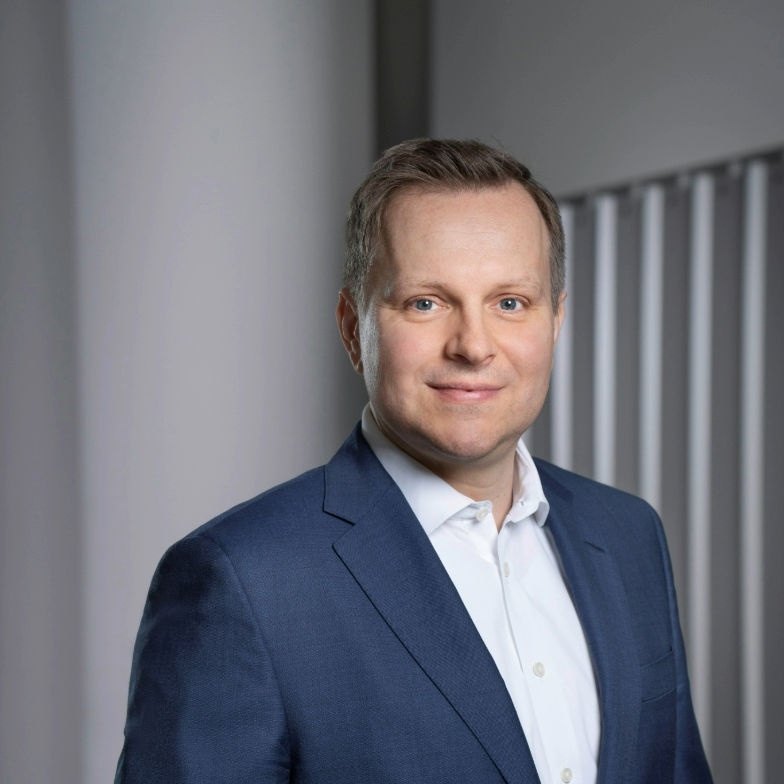
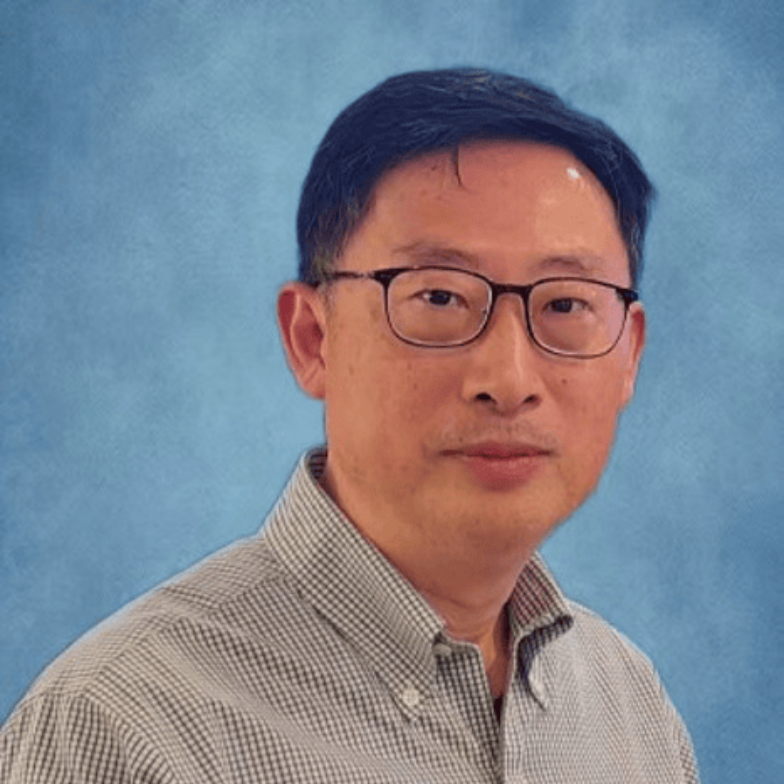
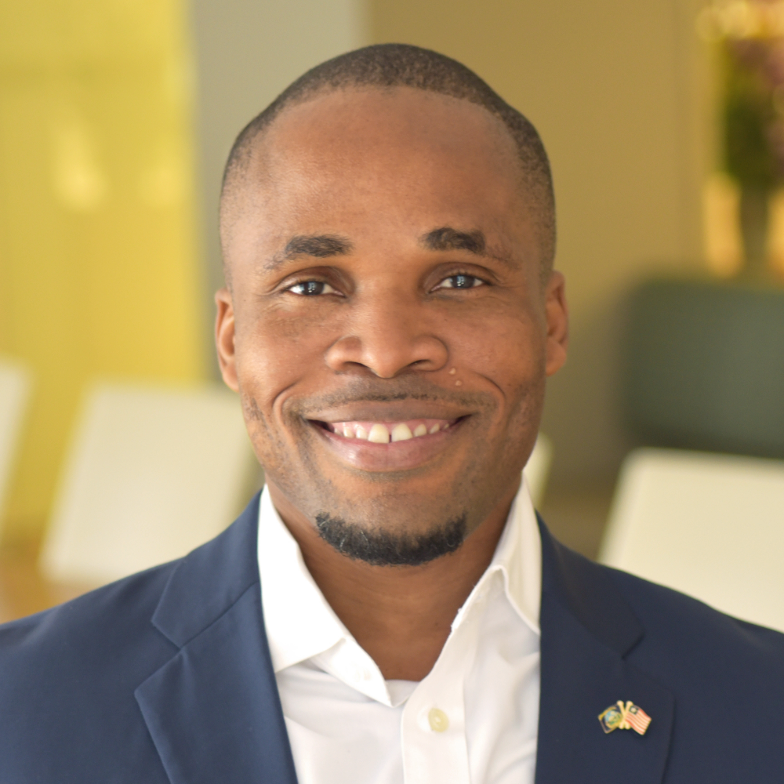
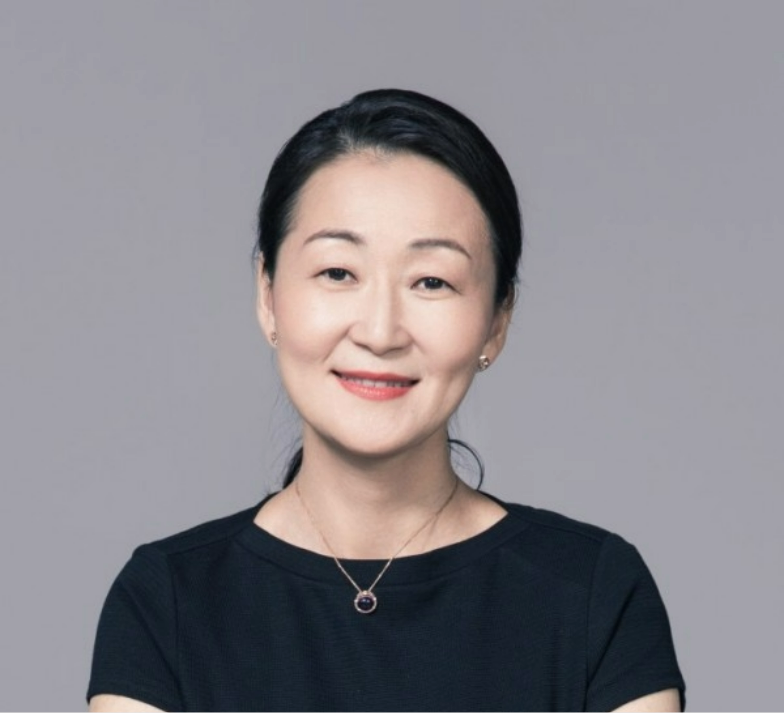
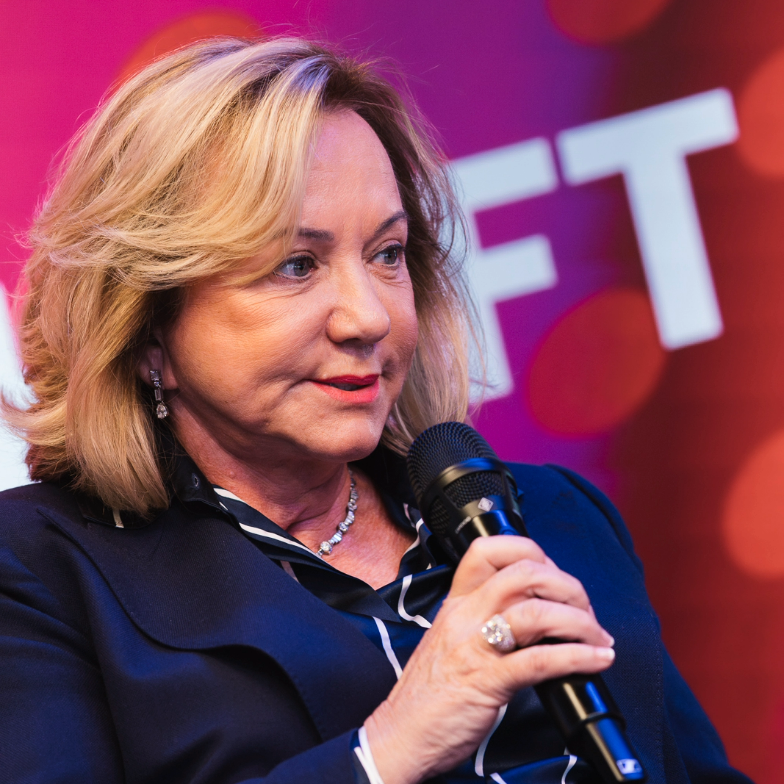
Geopolitical realignment, geoeconomic competition, and interlocking crises are transforming the international financial system. Europe and Asia play a crucial role in shaping a more resilient and inclusive financial architecture. This session explores how development finance, multilateral lending reform and sustainable investment frameworks can create realistic opportunities for cooperation across differing economic models and regulatory systems. //INFO: This session is being translated and transcribed live using the Wordly app.
14:00
-
15:30
Beyond Bretton Woods: Europe and Asia in the Next Era of Global Finance
+5
FIN
Content
Europe’s Future: Who Pays and How?
Europe’s approach to long-term investment remains largely crisis-driven, raising broader questions about how its future is financed. This session explores strategies to unlock long-term private capital toward strategic objectives. Discussion will center on the completion of the Capital Markets Union as a means to provide a stable and predictable framework for European investment.
14:00
-
15:00
Europe’s Future: Who Pays and How?
+4
FIN
Content
In conversation with Haroon Sheikh and Eamon Gilmore
A conversation between Haroon Sheikh and Eamon Gilmore on the subject of “Europe in the Era of Geoeconomics: Rebalancing Trade, Boosting Innovation” , to mark the publication of the report of the same name by the Scientific Council for Government Policy in the Netherlands.
14:00
-
15:00
In conversation with Haroon Sheikh and Eamon Gilmore
+1
FIN
SEC
Content
Turning Uncertainty into Resilience: Building Future-Ready Businesses
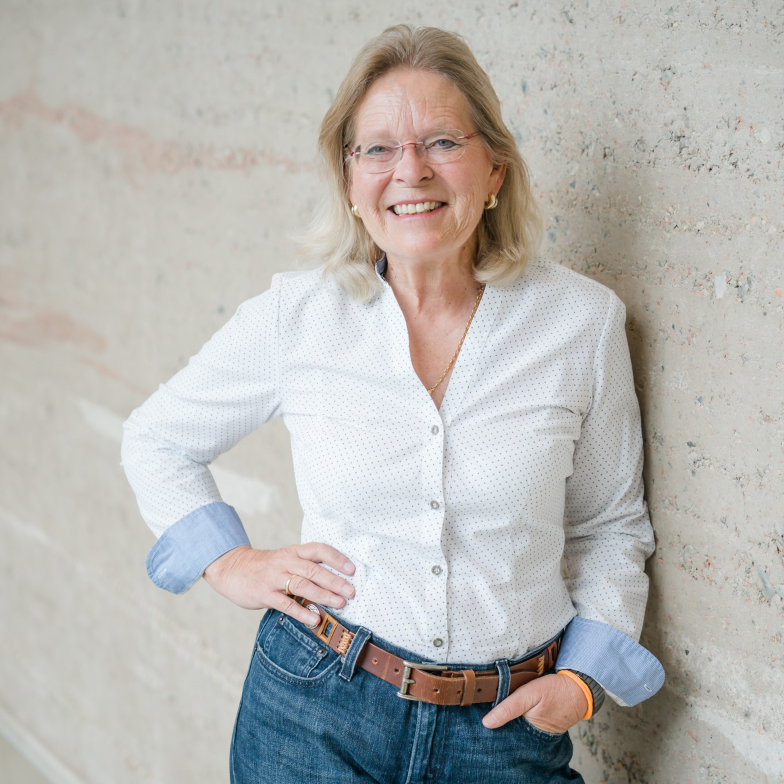
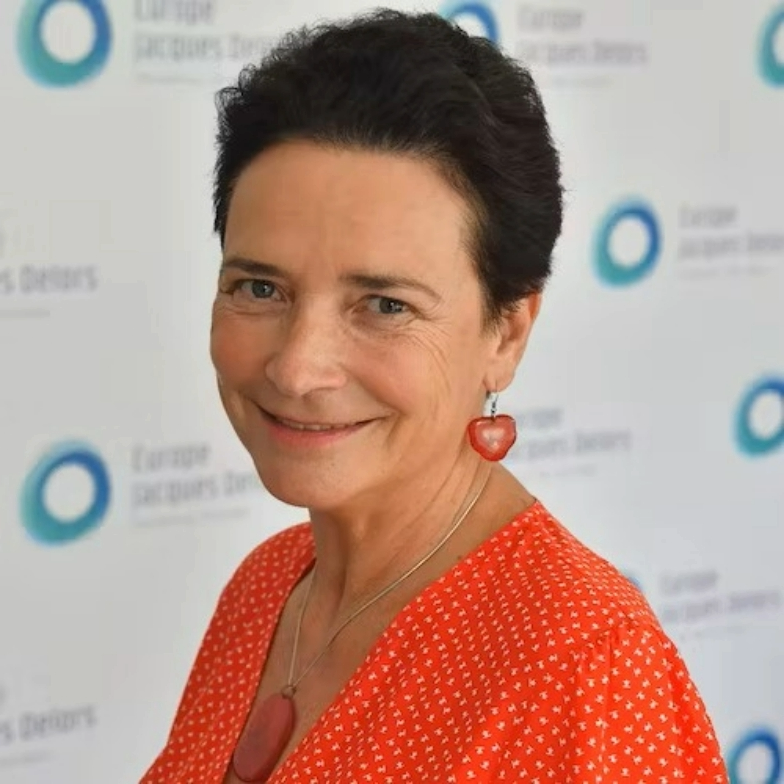
Global supply chains are increasingly exposed to uncertainty – from geopolitical shifts to climate risks. This session explores how companies can build resilience in practice while creating long-term value. Focusing on concrete examples and cross-sector perspectives, the discussion will examine what works, what can be scaled, and how resilience can be strengthened across the value chain.
14:00
-
15:30
Turning Uncertainty into Resilience: Building Future-Ready Businesses
+3
CLI
Content
Executive Talk: Delivering Stability in Times of Instability
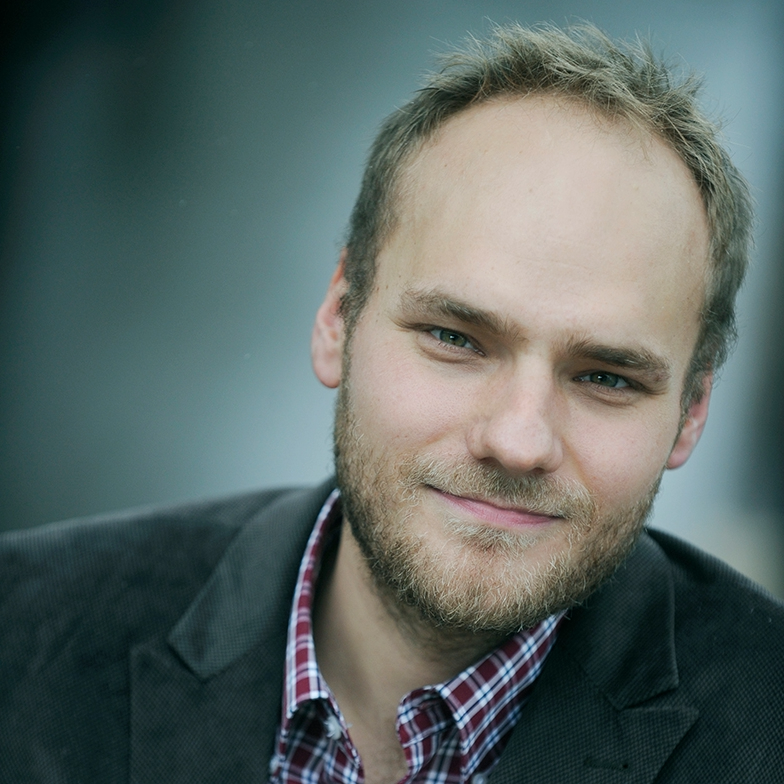
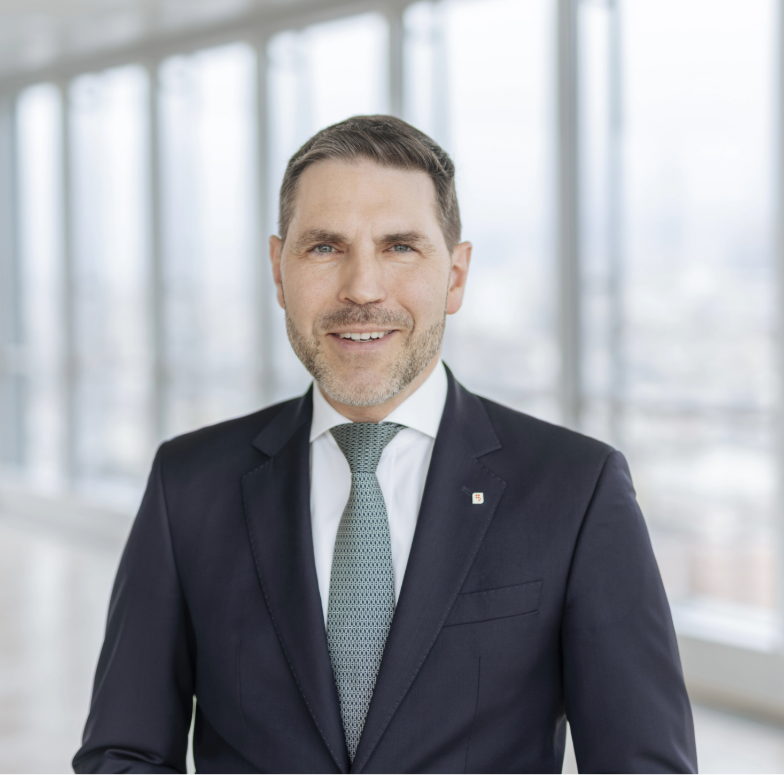
Geopolitical developments are reshaping financial markets and government policies, climate change is increasing economic losses, and Europe’s digital dependence is exposing additional vulnerabilities. This Executive Talk explores strategic options for action in an era of overlapping and multipolar crises.
15:30
-
16:30
Executive Talk: Delivering Stability in Times of Instability
+2
FIN
Network
Responsible Leadership in Crisis: Executive Talk with Beatrix Praeceptor
As geopolitical tensions unsettle societies, the promise of simple answers is gaining ground. Europe’s strength depends on another kind of leadership: clear without being authoritarian, decisive without losing humanity, and aware that decisions inside organisations are felt far beyond them, shaping trust, confidence and social resilience.
15:30
-
16:30
Responsible Leadership in Crisis: Executive Talk with Beatrix Praeceptor
+2
DEM
Network
Risk Literacy: The Key to Financial Resilience
As financial decisions intertwine with personal, economic, and societal risks, financial and risk literacy matter more than ever. This session explores how these competencies reinforce each other. Featuring VIG’s Risk Literacy Index and Risk Literacy Study, it reveals current risk perceptions and knowledge gaps, and how businesses, educators, and policymakers can build greater awareness.//INFO: This session is being translated and transcribed live using the Wordly app.
15:30
-
17:00
Risk Literacy: The Key to Financial Resilience
+3
FIN
Content
Executive Talk: AI Financial Literacy for a More Trusted Future

Financial literacy is a prerequisite for democratic participation and economic resilience. Many young people in Europe enter adulthood without essential knowledge of budgeting, compound interest, or basic accounting, contributing to a growing trust deficit in financial institutions and the broader economic system. The session explores how AI-driven learning tools can help close this gap through more accessible and engaging financial education.
15:30
-
16:30
Executive Talk: AI Financial Literacy for a More Trusted Future
+2
FIN
Network
Europe’s Role in an Era of Geopolitical Upheaval
The international order is eroding. New challenges are emerging for Europe in the form of armed conflicts, shifts in geopolitical power and the end of old certainties. What role can Europe play in this era of geopolitical upheaval? How can existing partnerships be strengthened and new alliances forged to expand Europe’s strategic capacity for action?This panel brings together European and international voices to discuss these questions from different perspectives.
15:30
-
17:00
Europe’s Role in an Era of Geopolitical Upheaval
+4
SEC
Content
Book Talk with Arancha González Laya
Join Arancha González Laya for a book talk of “Solos en el mundo” – Is Europe alone in a world shaped by Russia, China and the US?
15:30
-
16:30
Book Talk with Arancha González Laya
Content
Inequality, Discontent, and a New Social Contract

Rising inequality and growing public discontent are putting pressure on democratic systems and social cohesion. Examine what a new social contract must incorporate to address economic insecurity, demographic challenges, restore trust in institutions, and ensure fair opportunities.
16:00
-
17:00
Inequality, Discontent, and a New Social Contract
+3
DEM
FIN
Content
Exhibition Tour: Drawing Lines
Join curator and artist Anastasia Lemberg-Lvova for a tour of the exhibition “Drawing Lines” in the Gallery Room next to the Tourism Office.
16:15
-
16:45
Exhibition Tour: Drawing Lines
ART
Network
Finance & Trust: Funding Europe's New Promise
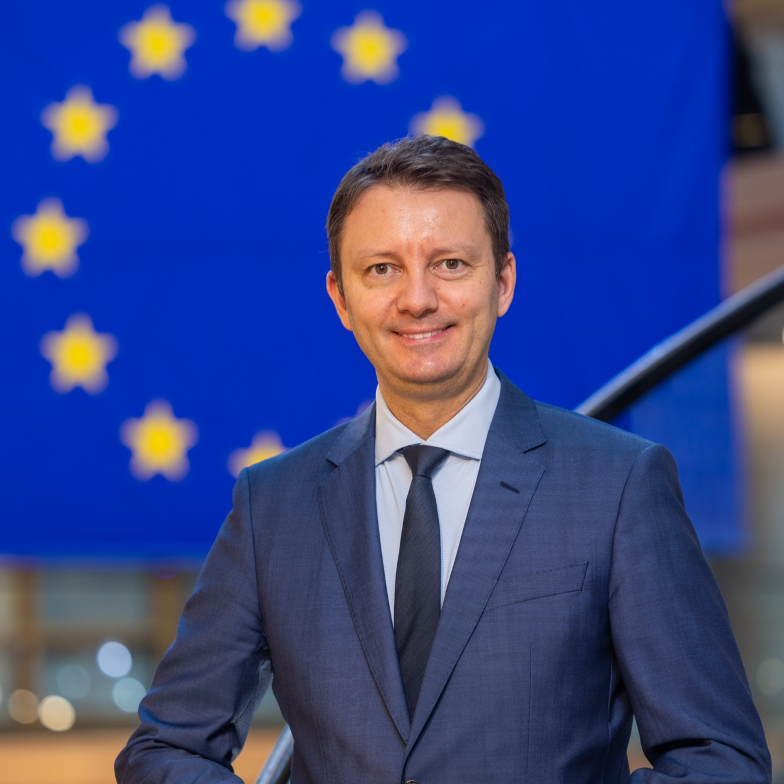
The next EU budget will show whether Europe can deliver on climate, security, and competitiveness. With limited resources and rising expectations, choices about what to fund – and what not – are a test of priorities and trust. This session will explore how Europe can allocate its collective resources to strengthen trust between member states, generations, and citizens, and define what Europe stands for.//INFO: This session is being translated and transcribed live using the Wordly app.
17:00
-
18:30
Finance & Trust: Funding Europe's New Promise
+6
ART
CLI
DEM
FIN
SEC
Content
Evening
Evening
Film Screening: “Facing The Unknown” – A Documentary on Water Resilience
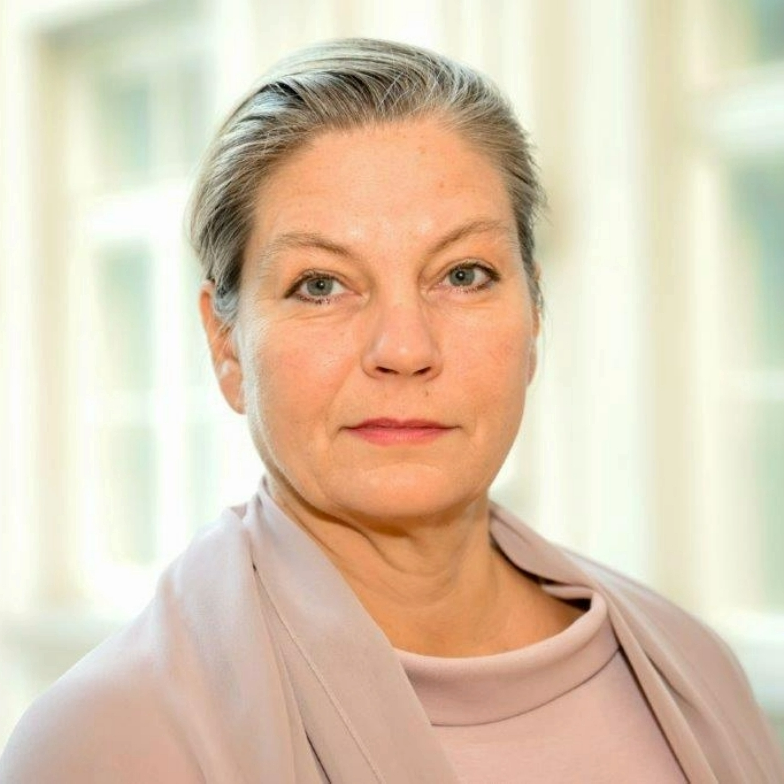
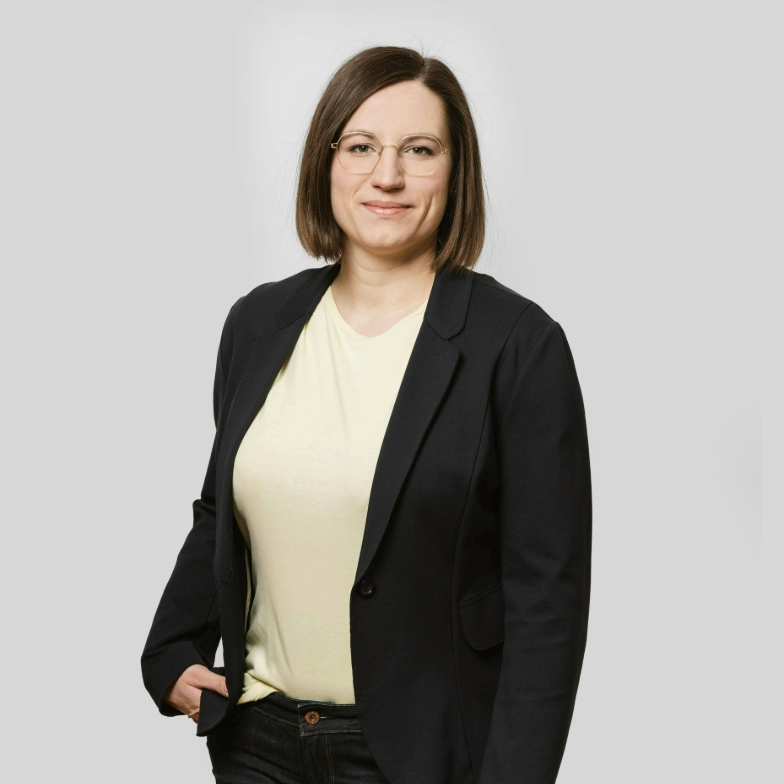
How do we prepare for a future in which water is no longer a resource we can take for granted? This is the question explored by student Luna in the documentary by Austrian filmmaker Dieter M. Grohmann. The multi-award-winning film features European water networks and global strategies for resilience planning. The film will be screened in English and preceded by a discussion with Federal Minister Norbert Totschnig and Luna DeMesmaeker .
19:00
-
22:00
Film Screening: “Facing The Unknown” – A Documentary on Water Resilience
+2
CLI
Network
Concert: WAGA Ensemble
Join us for a special evening in the enchanting setting of Alpbach’s baroque church. Members of WAGA Ensemble, a collective of outstanding young musicians from the University of Music and Performing Arts Graz, will come together in a string quartet formation, joined by a soprano, for a concert that celebrates musical dialogue and offers a glimpse into the ensemble’s collaborative spirit and artistic versatility.Have a look at the programme.//INFO: Limited number of seats available. Please note that drinking from open cups/bottles and eating is not permitted. Doors: 8.00 pm
20:30
-
21:30
Concert: WAGA Ensemble
+4
ART
Network
Early morning
Early morning
Morning Sports: Functional Fitness
Start the day with a boost of energy! The trainers of the Austrian Armed Forces will get you sweating with military functional fitness on the forecourt of the CCA – an ideal way to recover from stress and prevent burnout and illness.
07:00
-
08:00
Morning Sports: Functional Fitness
Rituals
Morning Briefing
Our Morning Briefings provide a daily overview of the most important news and insights from EFA26. Start your Alpbach day well-informed with an engaging conversation!
08:00
-
08:45
Morning Briefing
+1
Content
Morning
Morning
Hike | Will Artificial Intelligence Create Winners and Losers?
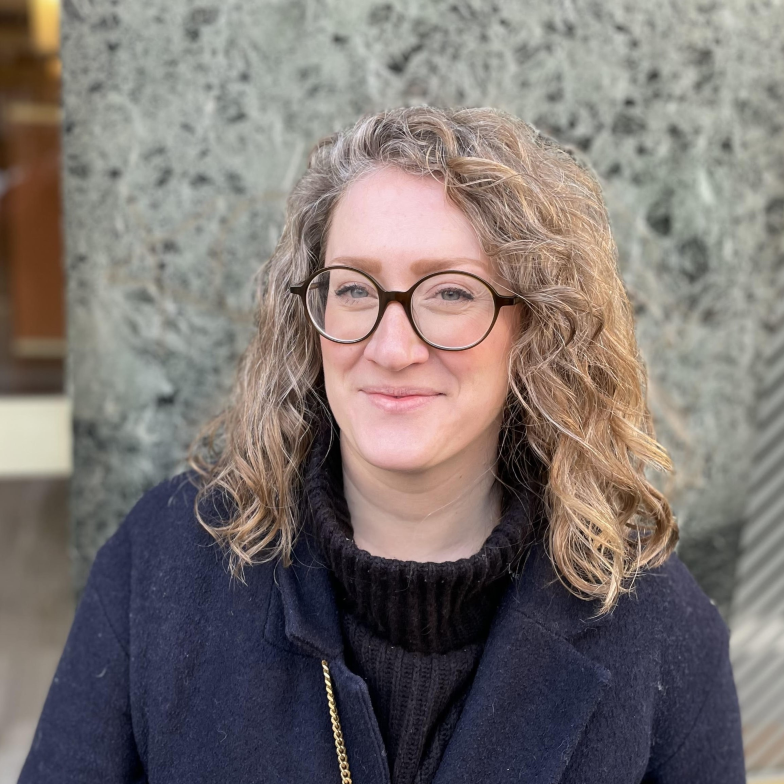
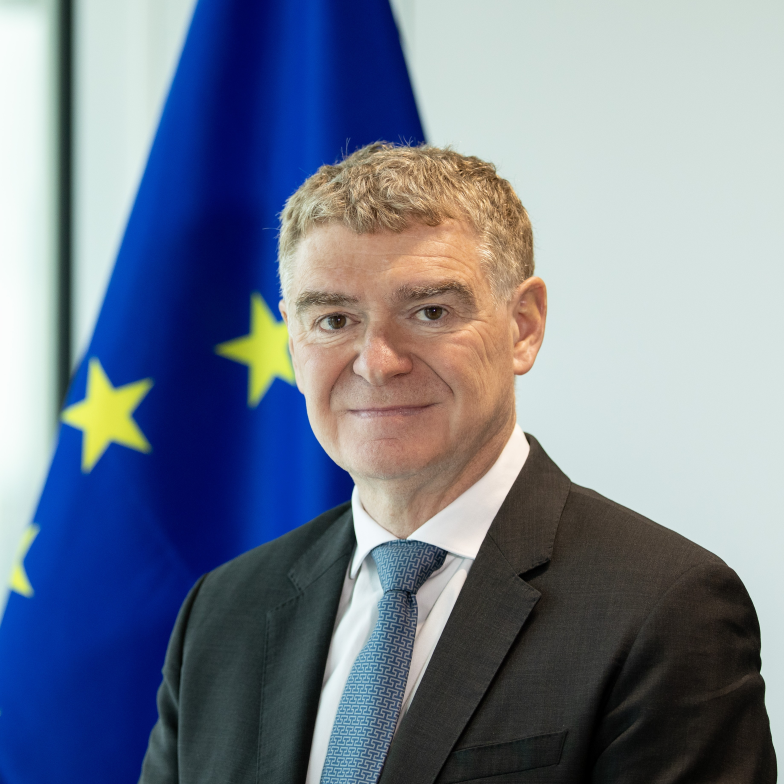
AI is reshaping careers and economic mobility, creating new opportunities while risking unequal access for Europe’s younger generation. This hike looks at who benefits and who risks being left behind as AI transforms labor markets. It considers how institutions can ensure inclusive access to opportunity and prevent a new digital divide, ensuring an AI-driven economy that works for all generations.//INFO: Bring hiking shoes and water.//INFO: In case of heavy rain, the session is going to take place in the Primary School (ground floor, room 1).
09:00
-
12:00
Hike | Will Artificial Intelligence Create Winners and Losers?
+4
DEM
FIN
Content
Executive Talk: Powering the City – From Power Plants to the Future
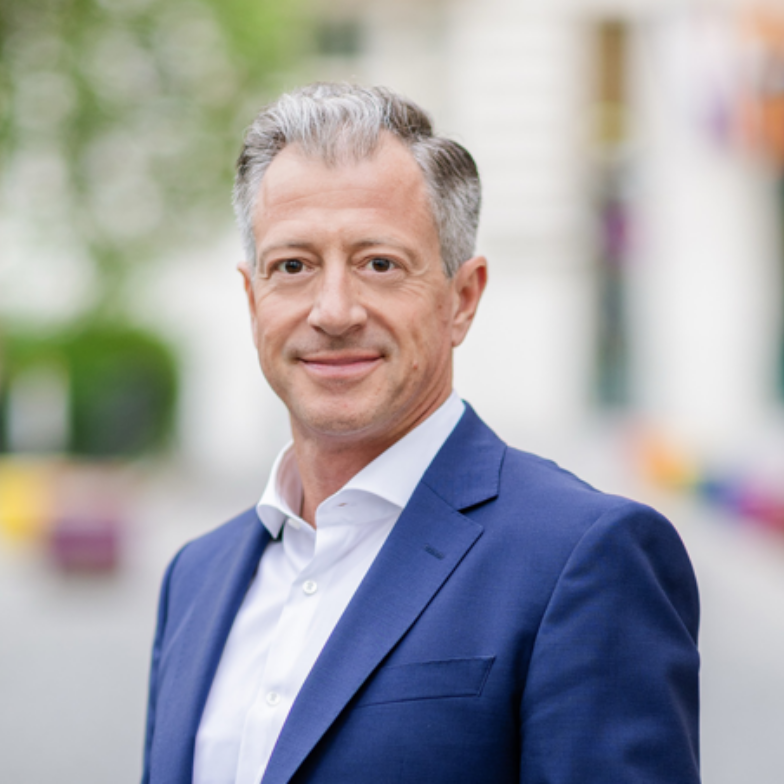
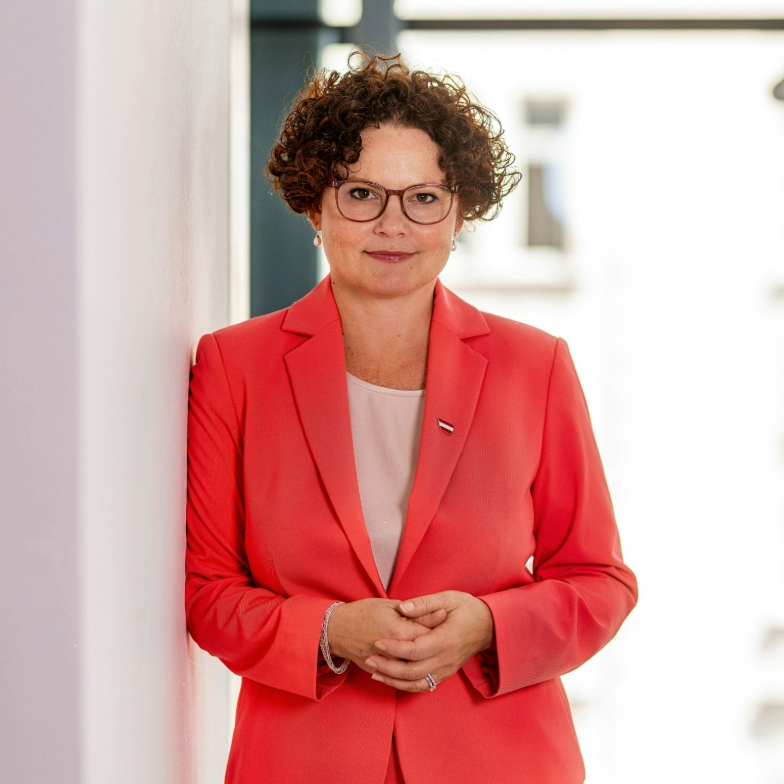
The energy system of tomorrow is taking shape today. From modernising power plants and scaling up geothermal energy to adapting regulatory frameworks, cities are becoming the driving force of the energy transition. Join Wien Energie CEO Sascha Zabransky and State Secretary Elisabeth Zehetner as they discuss the strategic choices, enabling policies and transformative projects that are paving the way toward a sustainable urban energy future.
09:00
-
10:00
Executive Talk: Powering the City – From Power Plants to the Future
+2
CLI
Network
Polarised Youth: Gender, Algorithms, and the Future of Democracy
Political divides among young people are widening, shaped by gender, identity, and media ecosystems. This session explores how polarisation is developed, what role algorithms play, and whether democratic dialogue can be rebuilt in increasingly fragmented digital spaces.
09:00
-
10:00
Polarised Youth: Gender, Algorithms, and the Future of Democracy
+3
DEM
Content
Hike | Data Ownership and Recapturing the Digital Commons
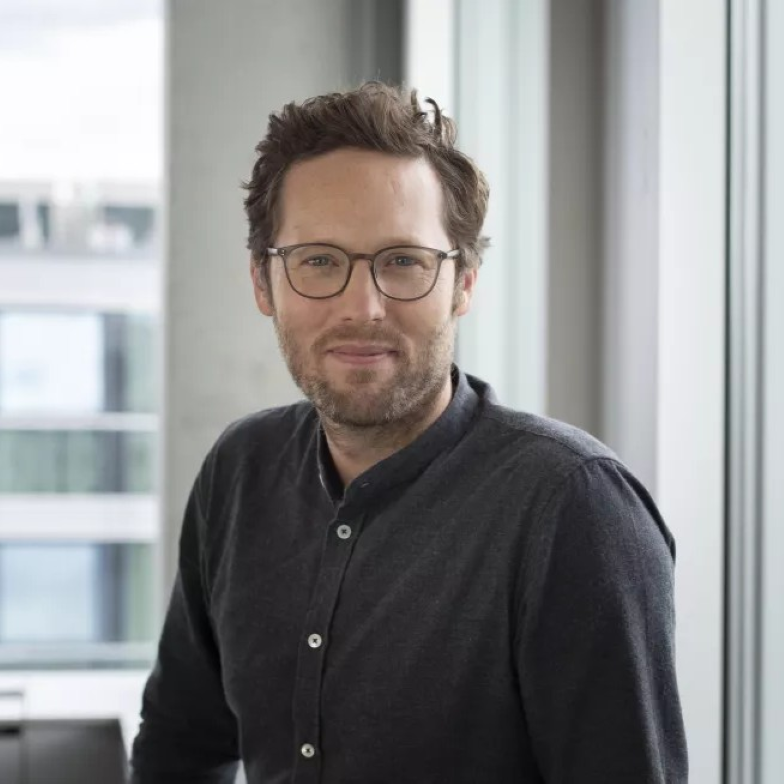
As data becomes a key economic and political resource, questions of ownership and control are increasingly urgent. Investigate how societies can reclaim the digital commons, data rights, and create governance models that balance innovation, public interest, safe spaces and democratic accountability.//INFO: Wear sturdy shoes and bring drinking water.//INFO: In case of heavy rain, the session is going to take place at CCA-Flora-Hall.
09:00
-
12:00
Hike | Data Ownership and Recapturing the Digital Commons
+3
DEM
Content
What Works When Systems Fail: Patterns of Collective Financial Resilience
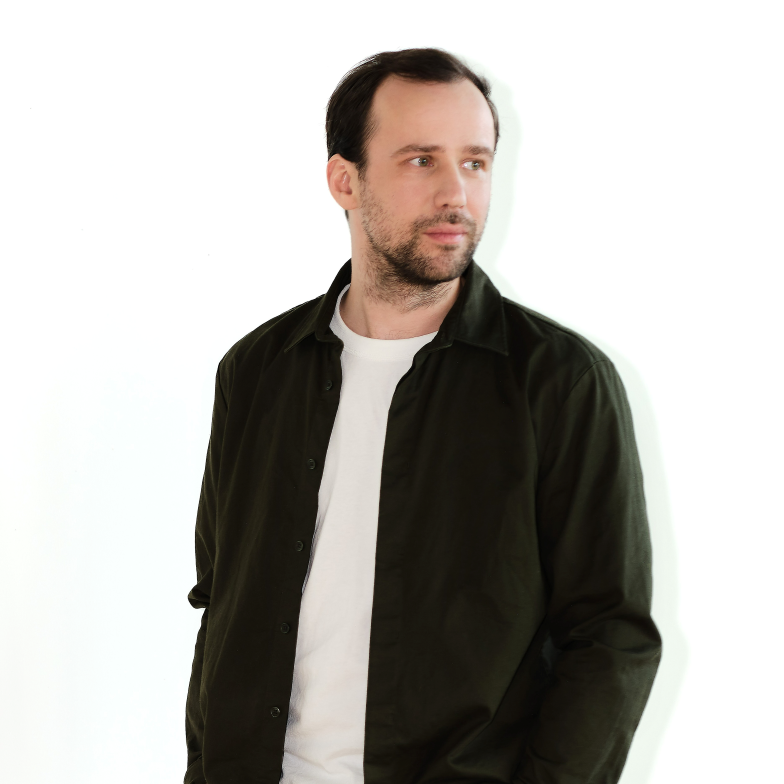
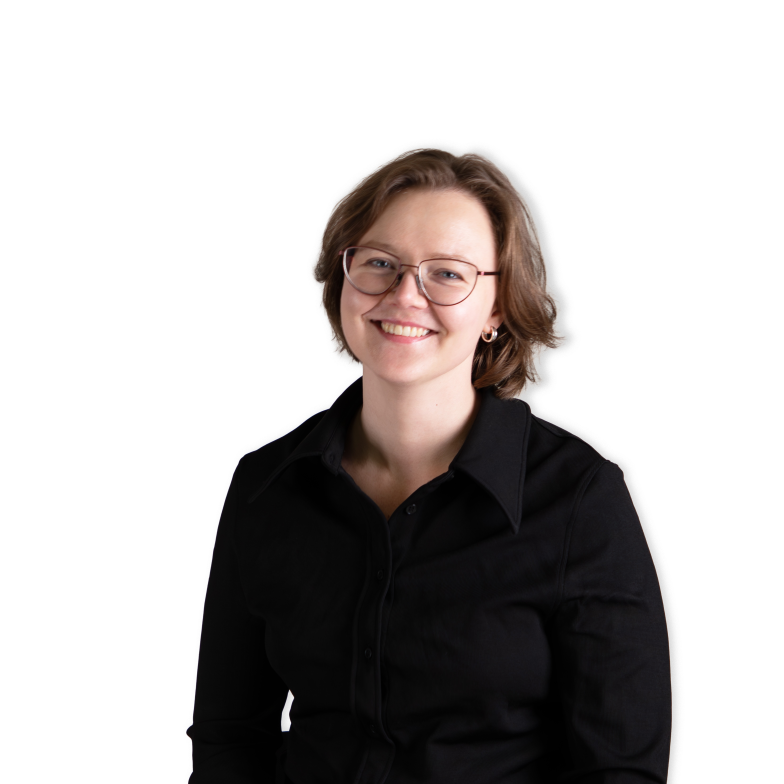
Name one system you depend on that you're confident will work in 2040. Pensions?Insurance? Housing? A stable job? This session introduces twelve patterns of collectiveresilience, each drawn from real cases. Join us to discuss them, remix the systems nowfailing, and imagine what we could build together instead.
09:00
-
10:30
What Works When Systems Fail: Patterns of Collective Financial Resilience
+2
FIN
Content
Europe’s Hidden Strategic Asset: Affordable Medicines
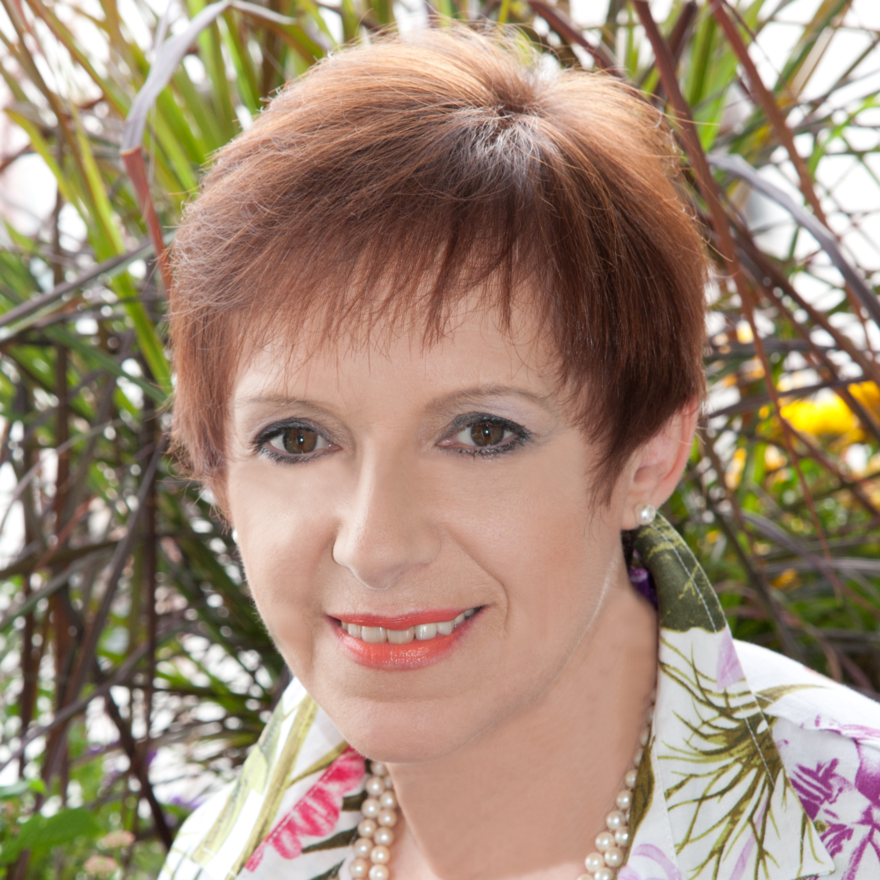
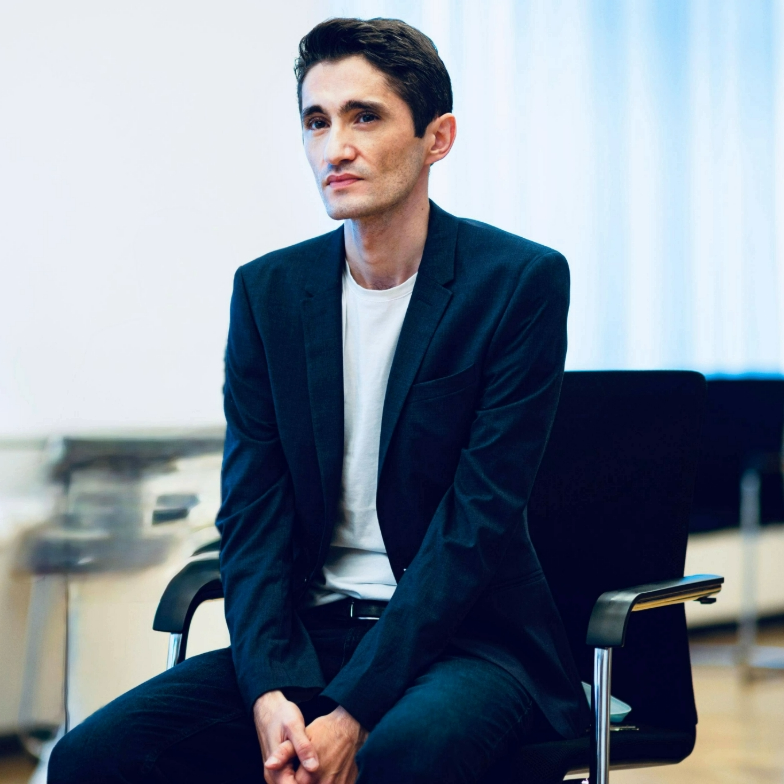
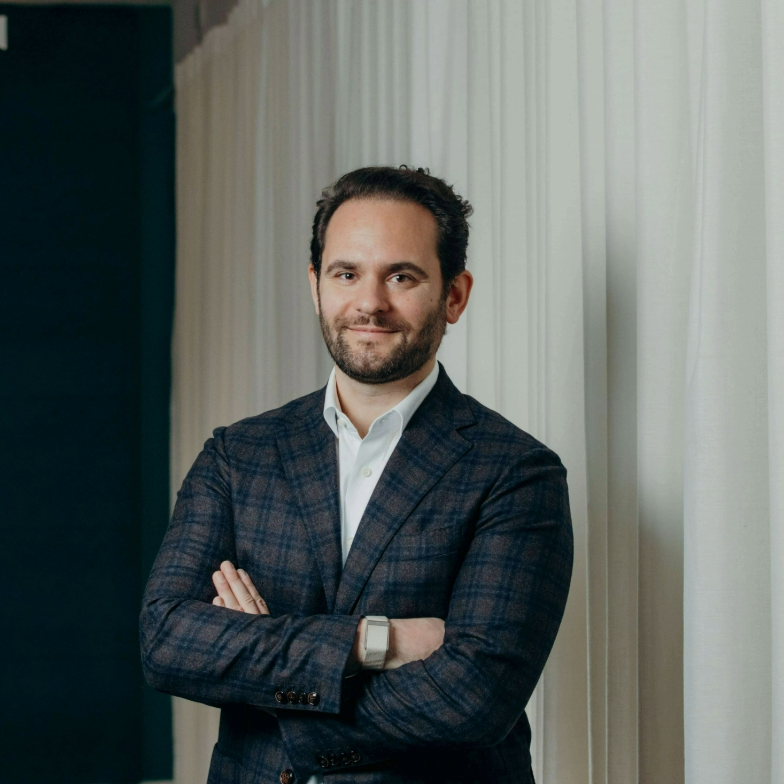
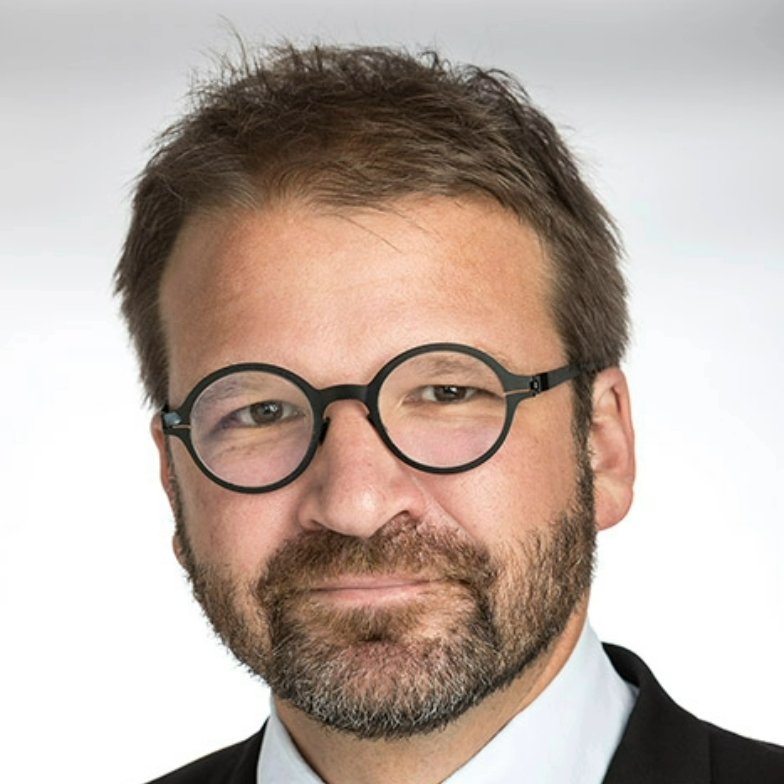
What does it take to build a stronger, more resilient Europe? Secure access to affordable medicines made in Europe is emerging as a cornerstone of economic competitiveness, critical infrastructure resilience, and defense readiness. Marking 20 years of biosimilars in Europe, this session brings together leaders from health, industry, and policy and explores how Europe can transform resilience into a strategic advantage and strengthen its capacity to thrive in an uncertain world. //INFO: This session is being translated and transcribed live using the Wordly app.
09:00
-
10:30
Europe’s Hidden Strategic Asset: Affordable Medicines
+5
Content
Hike | Jobs in Transition: How Europe’s Automotive Industry Secures Its Future
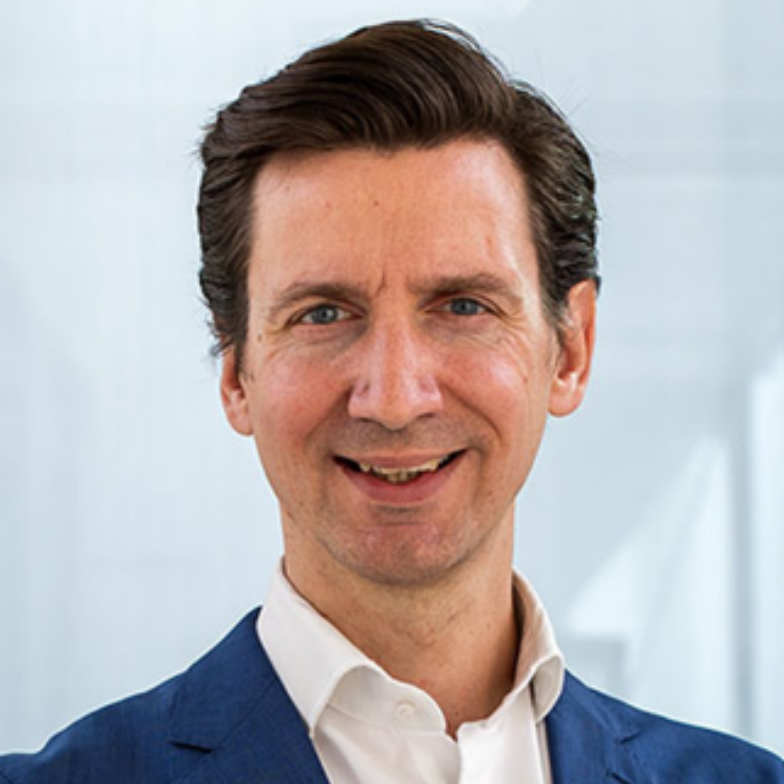
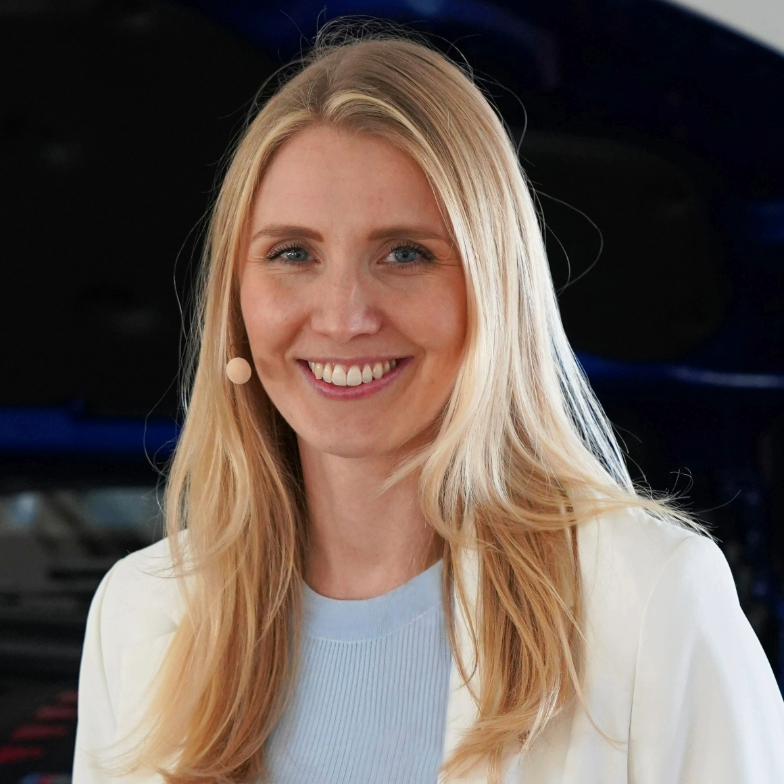
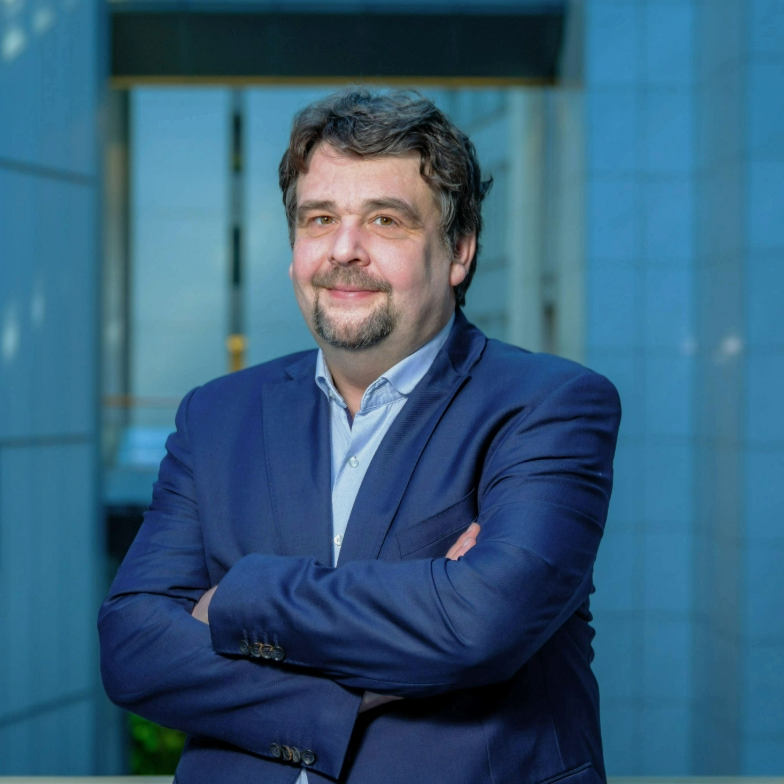
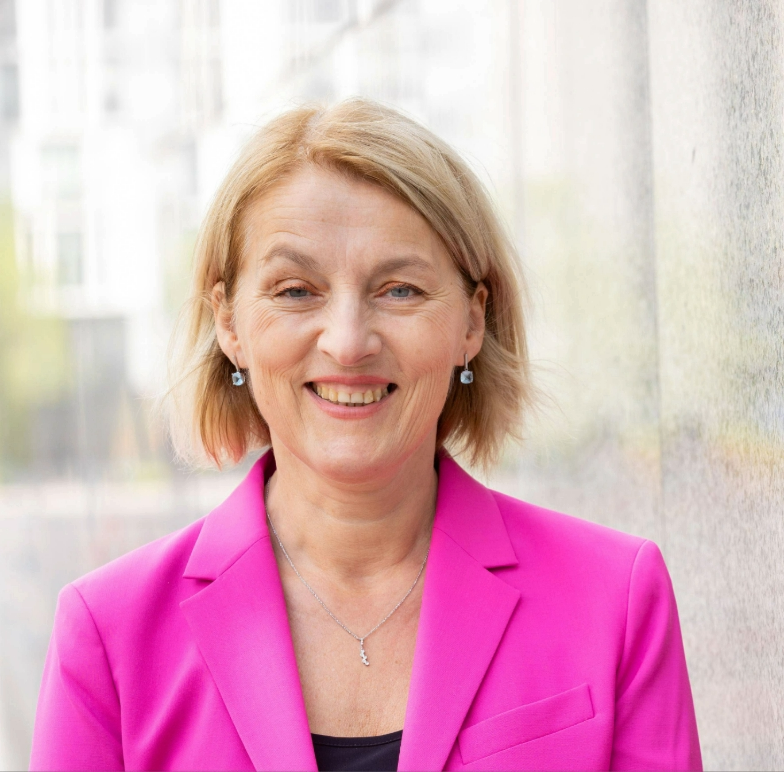
Decarbonisation, digitalisation, and regulation are putting the industry under pressure. What does this mean for jobs and competitiveness? Will new opportunities emerge – or is Europe facing a structural shift? This session explores how Europe can safeguard employment while preserving its industrial strength. //INFO: Wear sturdy shoes and bring drinking water.//INFO: In case of rain, there is going to be a shuttle to Rossmoos.
09:00
-
12:00
Hike | Jobs in Transition: How Europe’s Automotive Industry Secures Its Future
+4
CLI
Content
Book Talk with Cathryn Clüver Ashbrook

Join Cathryn Clüver Ashbrook for a book talk of “Der amerikanische Weckruf” in the Flora-Hall.
09:00
-
10:00
Book Talk with Cathryn Clüver Ashbrook
+1
ART
CLI
DEM
FIN
SEC
Content
Executive Talk with Ernst Kloboucnik: Pushing Electromobility Without Spending Tax Money
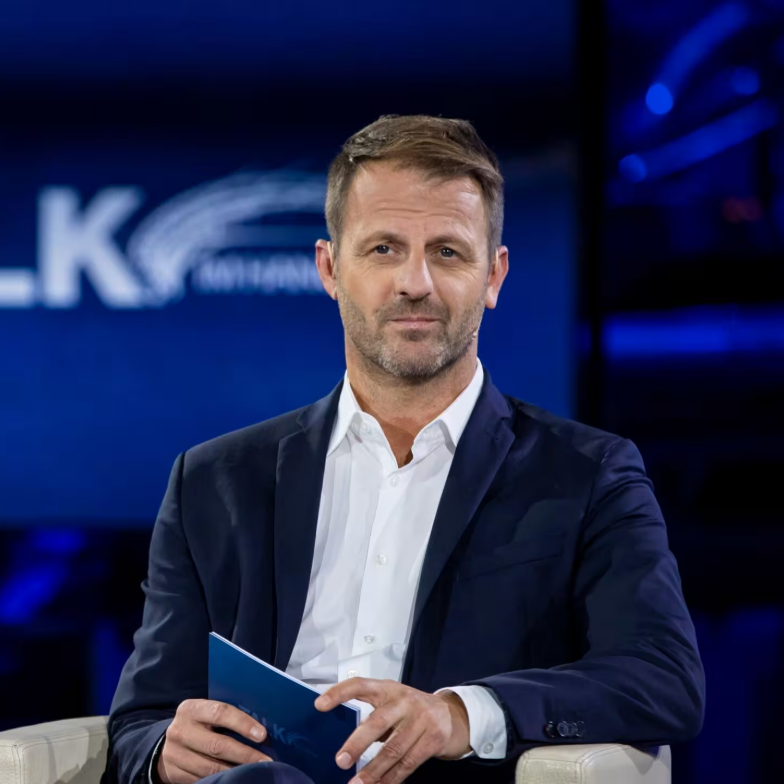
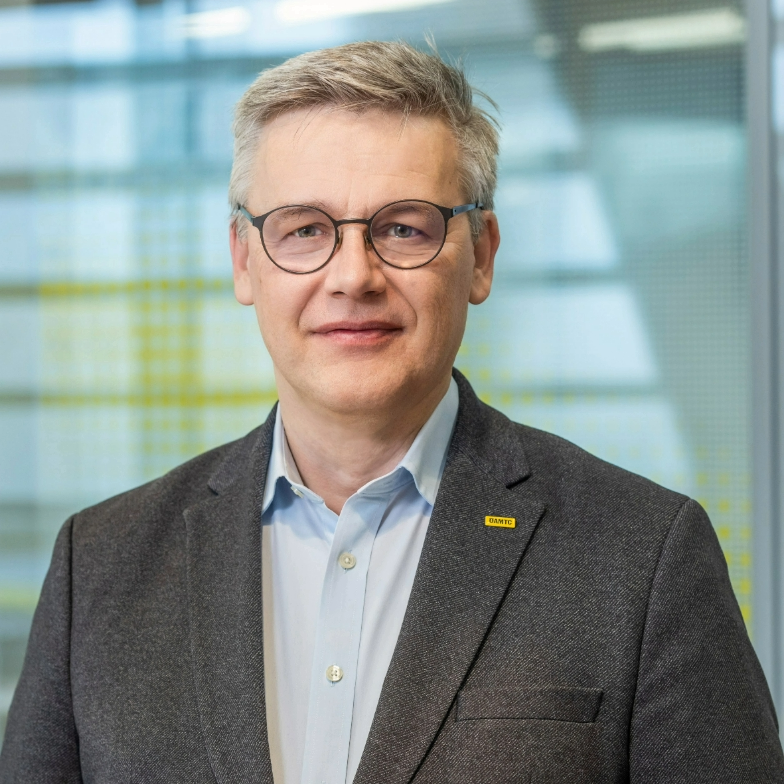
The ramp-up of e-mobility is happening too slowly to meet the EU climate targets for the transport sector. To accelerate it, subsidies for the purchase of electric vehicles and the expansion of charging infrastructure are frequently demanded. However, even without distributing taxpayers’ money, a decisive policy approach would have substantial instruments at hand to reduce consumer uncertainty.
10:30
-
11:30
Executive Talk with Ernst Kloboucnik: Pushing Electromobility Without Spending Tax Money
+2
CLI
Network
Powering Prosperity: Energy as decisive lever for Europe's future
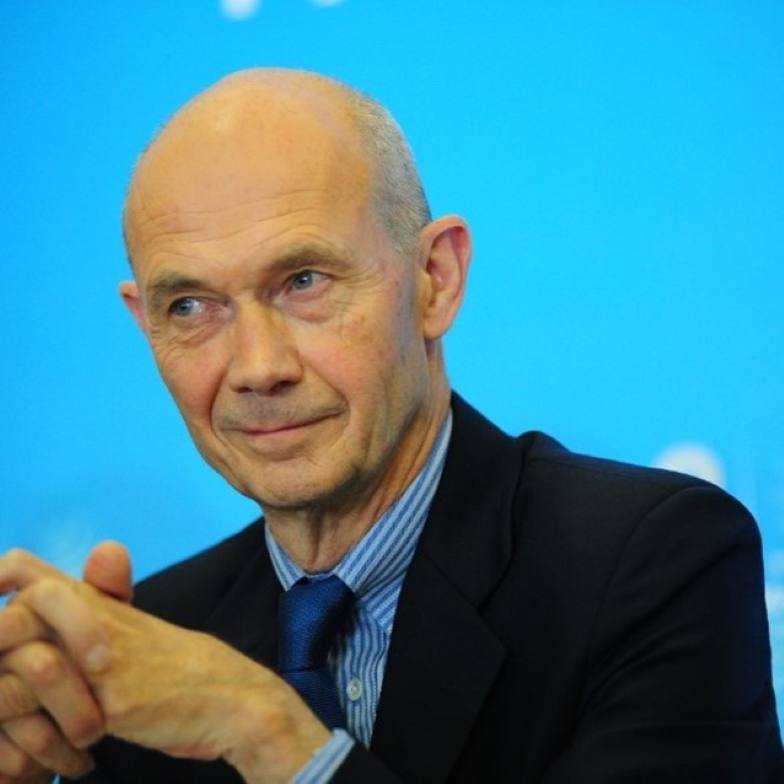
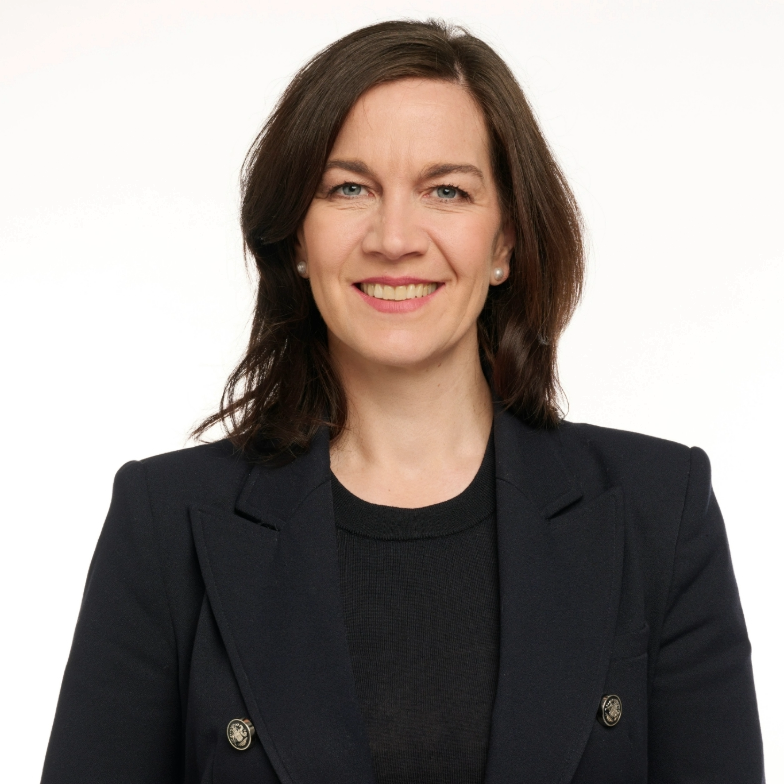
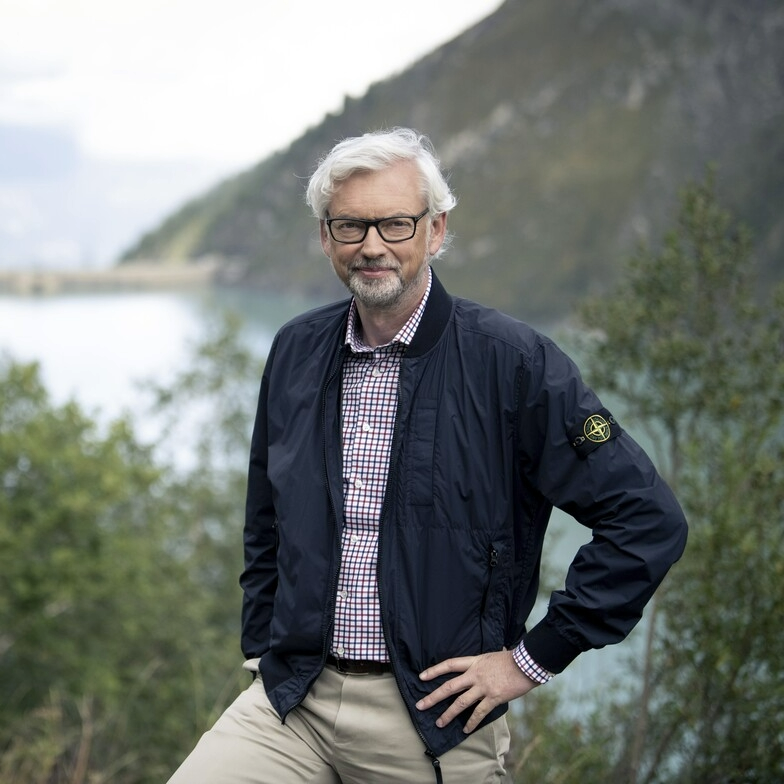
Sustainability. Affordability. Security of supply. Can Europe have all three? This panel dives into the hard trade-offs of the energy transition – from Austria to Europe to the world – with experts who connect the dots across every scale.
10:30
-
12:00
Powering Prosperity: Energy as decisive lever for Europe's future
+5
FIN
Content
The Politics of the Plate: Global Health and Food Security
Industrial food systems drive climate harm and public health risks – yet remain politically entrenched. This session examines how subsidies, regulation, and governance failures sustain a system under strain, and asks who holds the power to reform it before its costs become irreversible.
10:30
-
11:30
The Politics of the Plate: Global Health and Food Security
+3
CLI
SEC
Content
Alpbach Talks

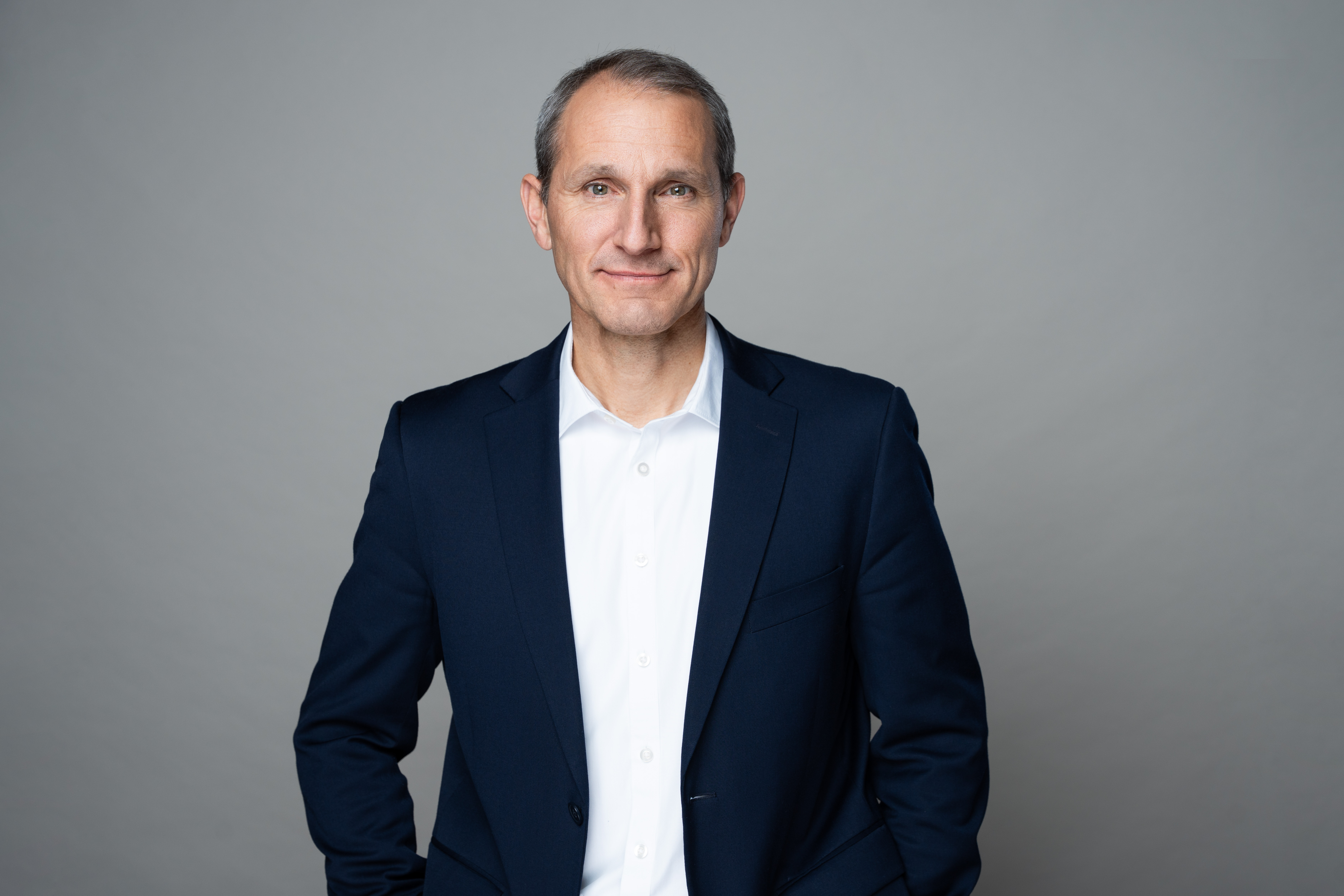
When was the last time you had a conversation that challenged the way you think? Returning to the European Forum Alpbach this year, Alpbach Talks once again brings together people with contrasting perspectives for meaningful one-on-one conversations. Inspired by Die ZEIT's acclaimed format, Germany Talks, participants answer five short questions and are then matched with someone whose views differ most from their own. Through respectful dialogue, participants exchange perspectives, challenge assumptions, and discover the value of engaging across differences, often leaving with new insights and a broader outlook. Coffee and croissants will be provided. Please arrive on time, as participant matching takes place only once at the beginning of the session.
10:30
-
12:00
Alpbach Talks
+2
CLI
DEM
FIN
SEC
Network
In conversation with Lars Tossmann
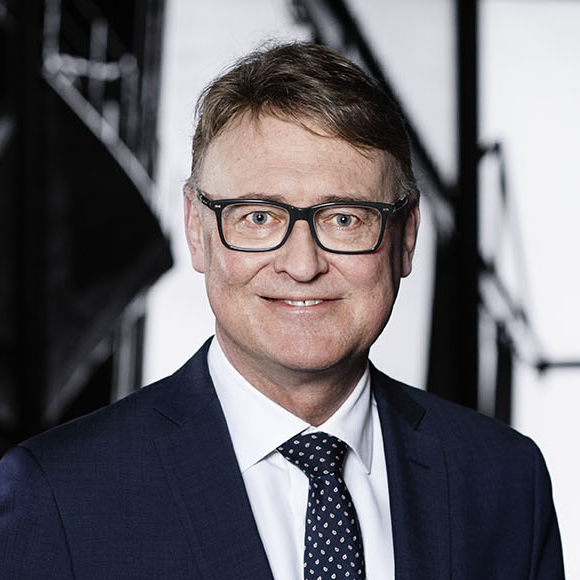
A conversation with Lars Tossmann on how Europe can build the defence capabilities and industrial strength required to safeguard its sovereignty and ensure both security and prosperity. The discussion will explore what is needed to strengthen Europe’s readiness and technological capabilities, how procurement and funding can support industrial development, and how European Union initiatives can strengthen sovereignty in the long term.//INFO: This session is being translated and transcribed live using the Wordly app.
11:00
-
12:00
In conversation with Lars Tossmann
+1
FIN
SEC
Content
Noon
Noon
WoW* Connects: A Networking Hour for Women*
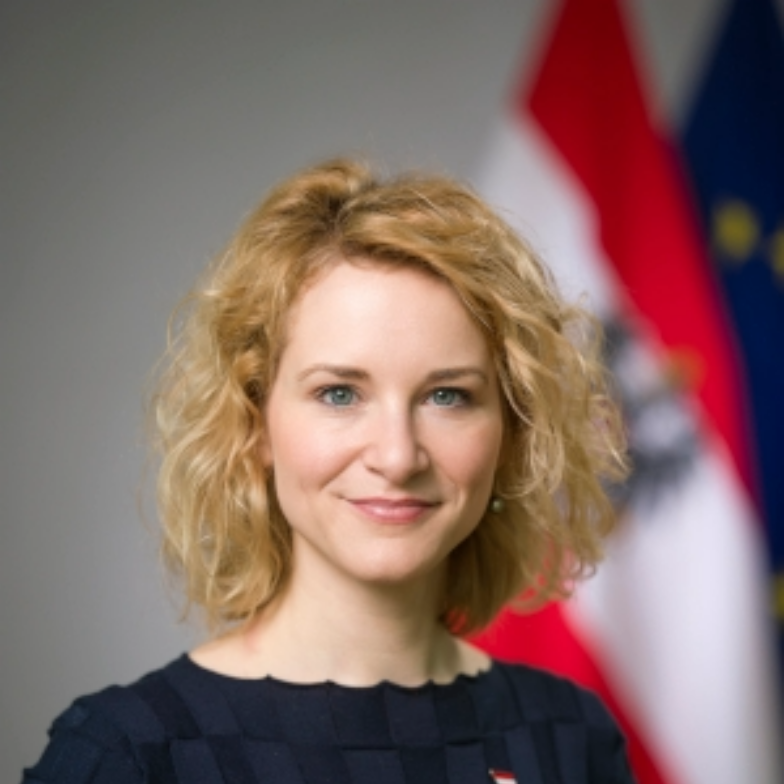
As part of the EFA World of Women* initiative, EFA is taking extra efforts to encourage female* contributors, both in programming and participation. Throughout the Conference Days, four sessions of one and a half hours each will be hosted by women* engaged in EFA’s broader network, which offers the opportunity to connect, reflect, and act. // INFO: To ensure a focused and engaging experience, we won’t be providing any catering. Participants are, however, free to order lunch and beverages at their own cost.
12:15
-
13:45
WoW* Connects: A Networking Hour for Women*
Network
Track Forum: Security
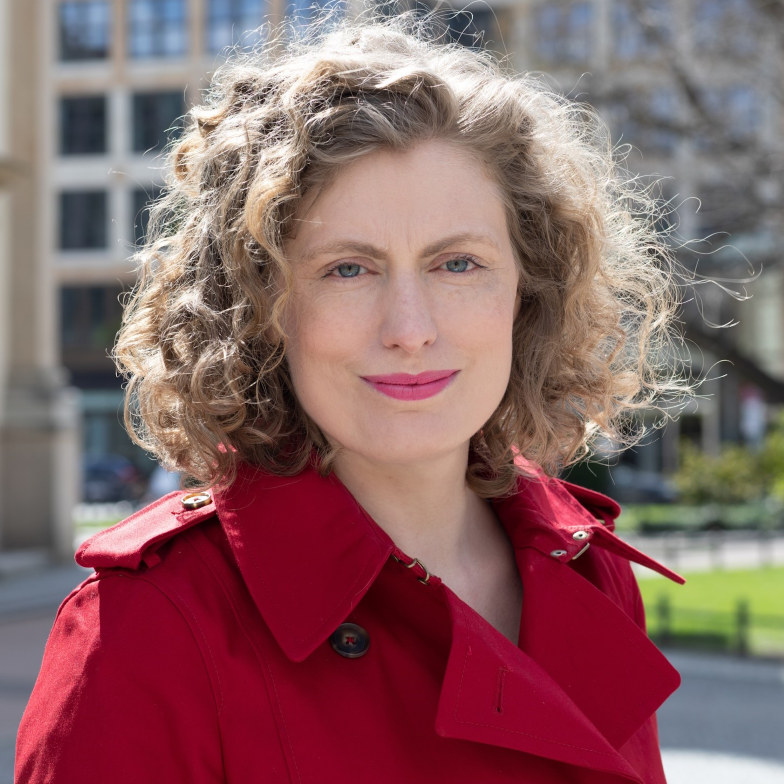
Come and meet fellow participants who share an interest for the Security track. Get to know each other at lunch and debate the current programme highlights and main controversies so far. During this year’s Security Track Forum, we invite you to explore a difficult but essential question: what are young people today prepared to die for?What are they willing to sacrifice – and in defence of which values, communities, and visions of the future? Do we share an understanding of what it means for Europe to prevail, to defend one’s country, and of the role of the nation within Europe?Three panelists will offer distinct perspectives before we open the conversation to the people of Alpbach – particularly its many young participants – to hear what they think. //INFO: Lunch and drinks are at your own expense. Please be on time at 12:15 so you have enough time to order comfortably. Three dishes are to choose from.
12:15
-
13:45
Track Forum: Security
+3
SEC
Network
Solution Hour: Climate
The European Forum Alpbach is a place of serious debate; and of the people and initiatives turning ideas into outcomes. This session explores what Europe must change to strengthen its capacity to act. Building on insights generated across EFA26, participants will identify the key shifts and trade-offs shaping Europe's climate transformation. Together, these outputs will form the building blocks for the Call to Action Manifesto, presented on 4 September.//INFO: This session is being translated and transcribed live using the Wordly app.
12:30
-
13:30
Solution Hour: Climate
CLI
Content
Brown Bag Lunch | The Green Deal's Battle over Environmental Rules
Europe’s push to simplify regulation is turning the Green Deal into a political battleground between competitiveness and environmental ambition. In this interactive session, participants will examine the politics of the EU’s Environmental Omnibus through research and debate its competing priorities. The discussion will clarify the choices shaping future environmental policy.
13:00
-
14:00
Brown Bag Lunch | The Green Deal's Battle over Environmental Rules
+2
Content
Afternoon
Afternoon
Hike | A Bunch of (Hidden) Champions – How to Leverage Europe’s Strengths
Europe excels at analysing its own weaknesses. But what about its strengths? The continent is home to global market leaders, world-class research, the rule of law, and human rights – set against a rich backdrop of intellectual history, philosophy, and art. This hike explores how these assets can be harnessed to strengthen European resilience and security in the face of geopolitical upheaval. //INFO: Wear sturdy shoes and bring drinking water. //INFO: In case of heavy rain, the session is going to take place at Zirmalm.
14:00
-
16:30
Hike | A Bunch of (Hidden) Champions – How to Leverage Europe’s Strengths
+3
SEC
Content
Hike | Europe’s Race for Energy Competitiveness and Resilience
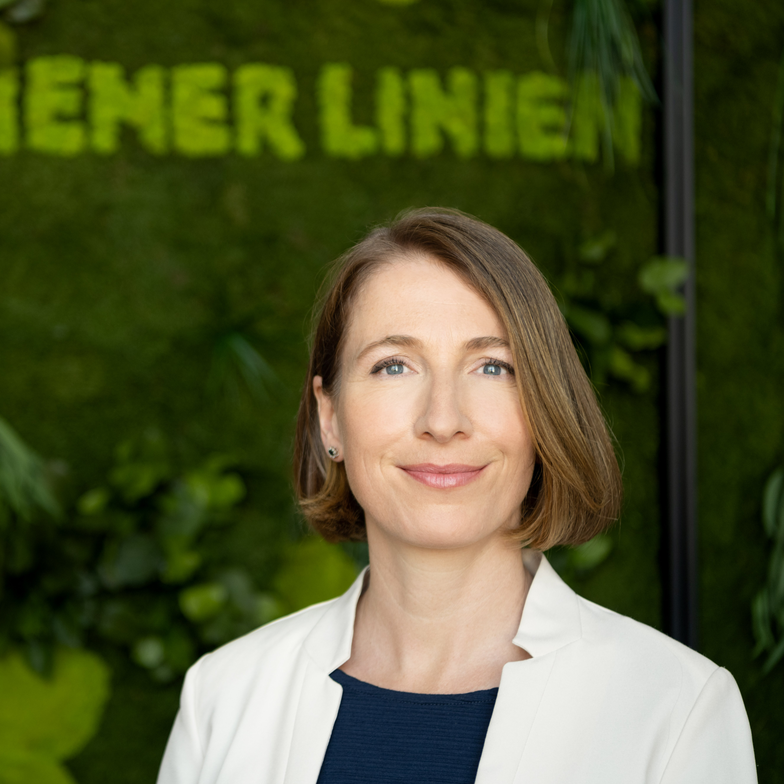
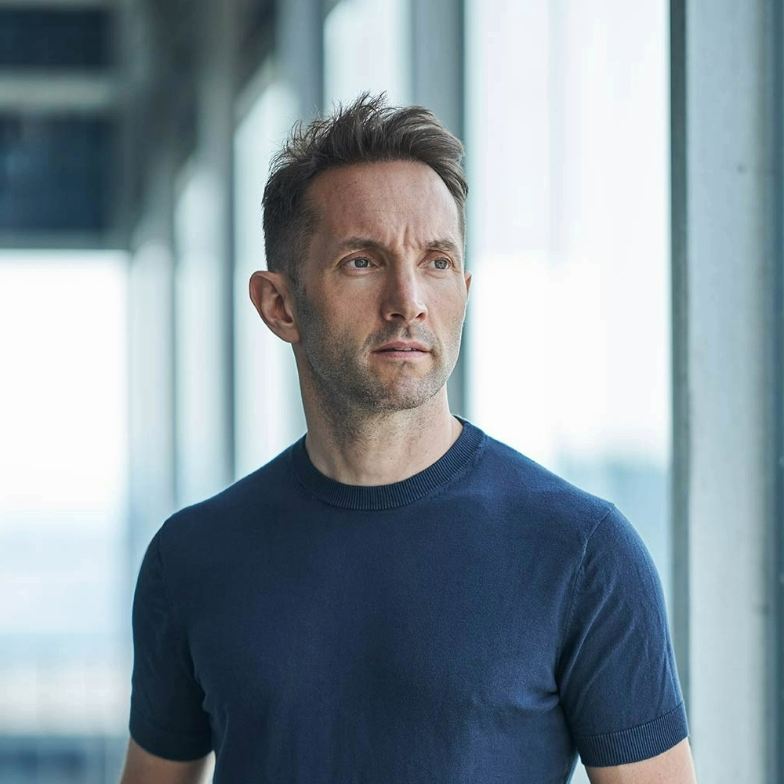
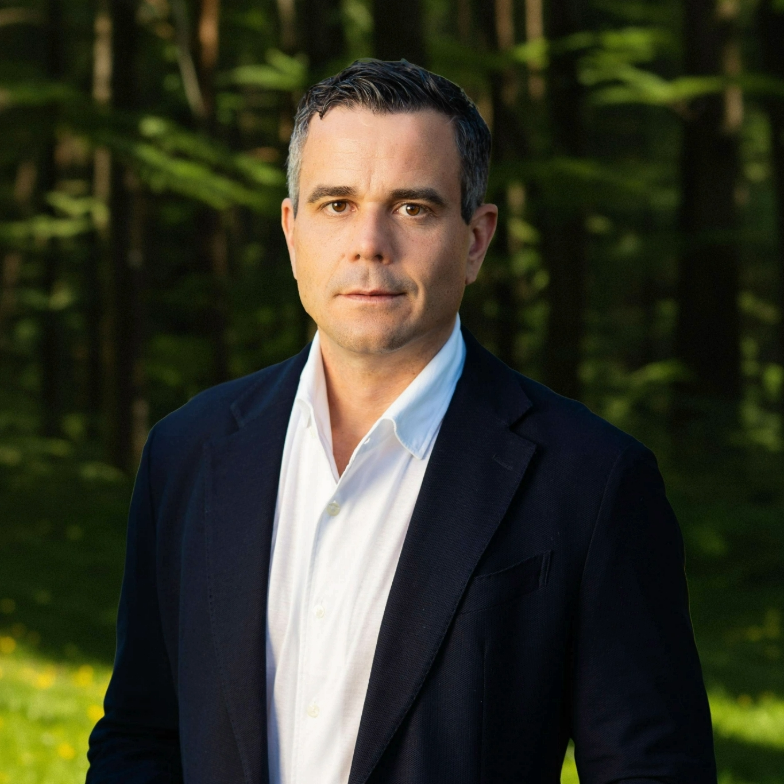
Europe’s energy future depends on fast renewable and grid expansion, affordable power, secure supply chains, and efficient financing. This hike explores building an integrated network, cutting regulatory hurdles, and achieving price stability – asking how renewables boost competitiveness and whether Europe’s financial systems enable or restrain long-term industrial resilience. This hike ends near the CCA loggia. //INFO: Bring hiking shoes and water. //INFO: In case of heavy rain, the session is going to take place at Volksschule, Klasse 1.
14:00
-
16:30
Hike | Europe’s Race for Energy Competitiveness and Resilience
+6
CLI
Content
From Health Data to Better Healthcare | Health Focus
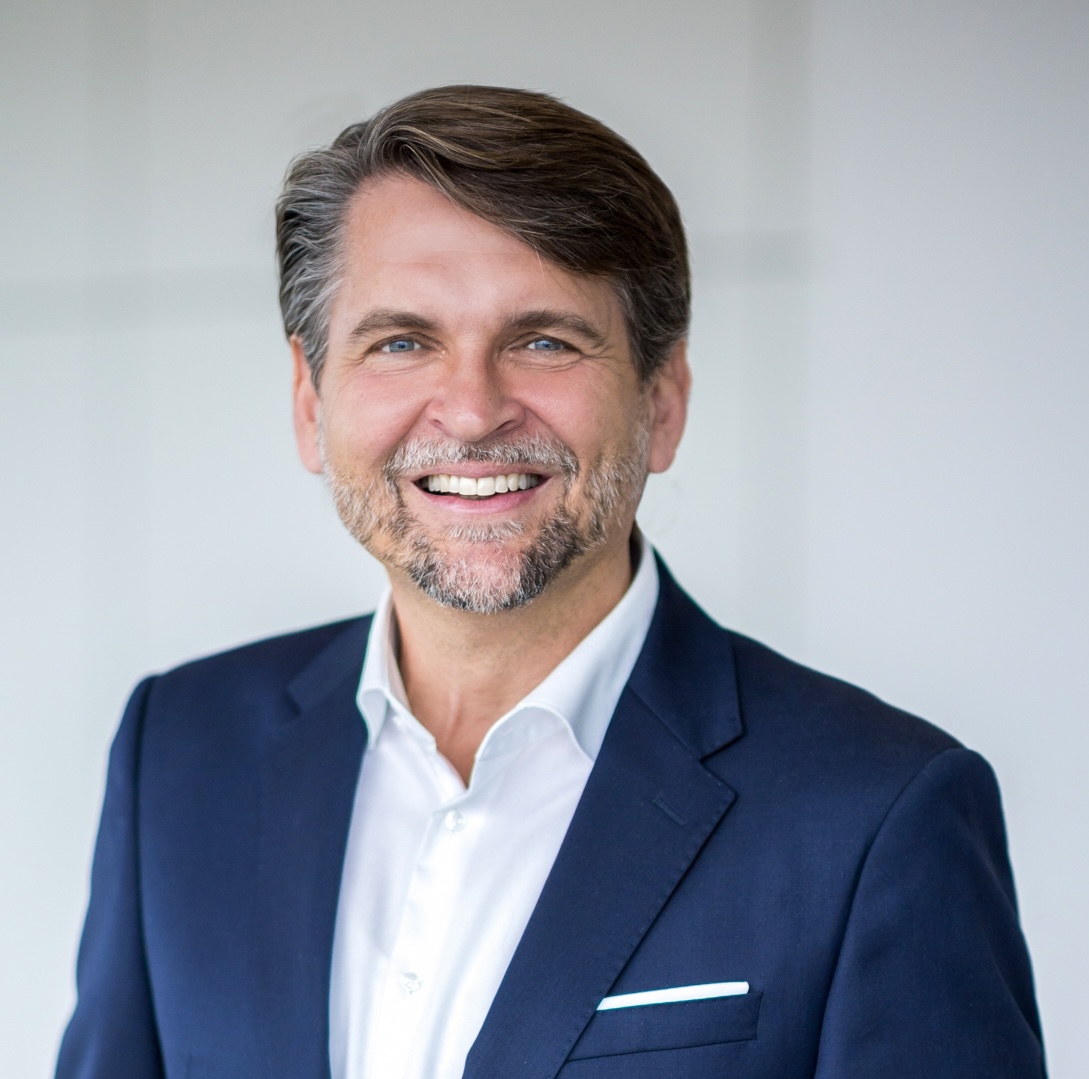
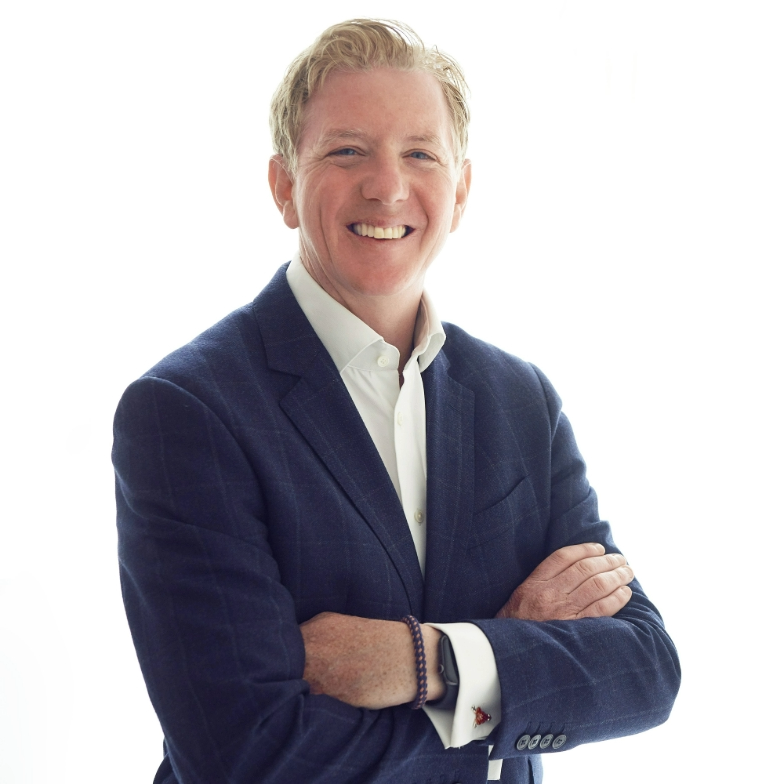
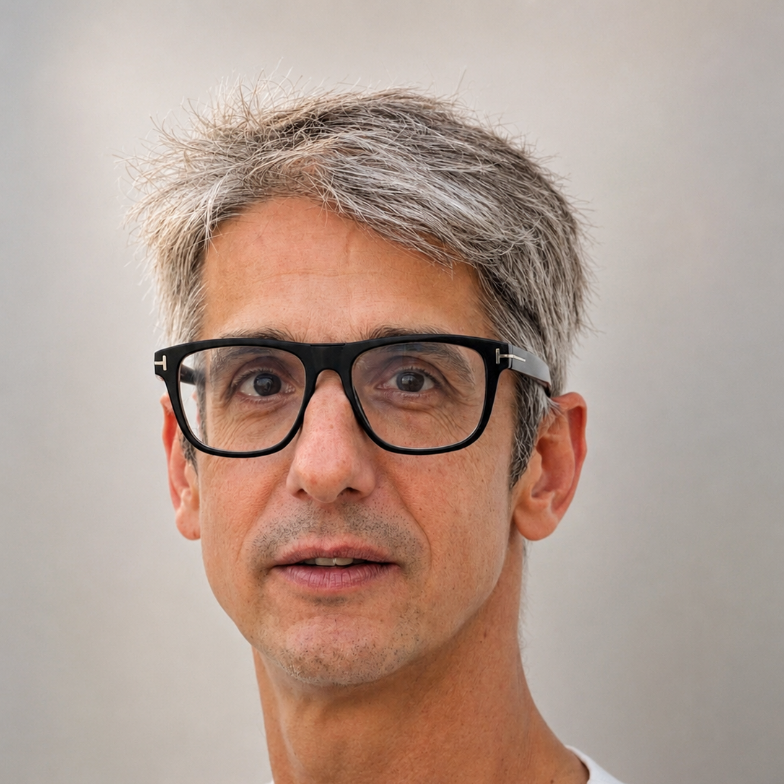
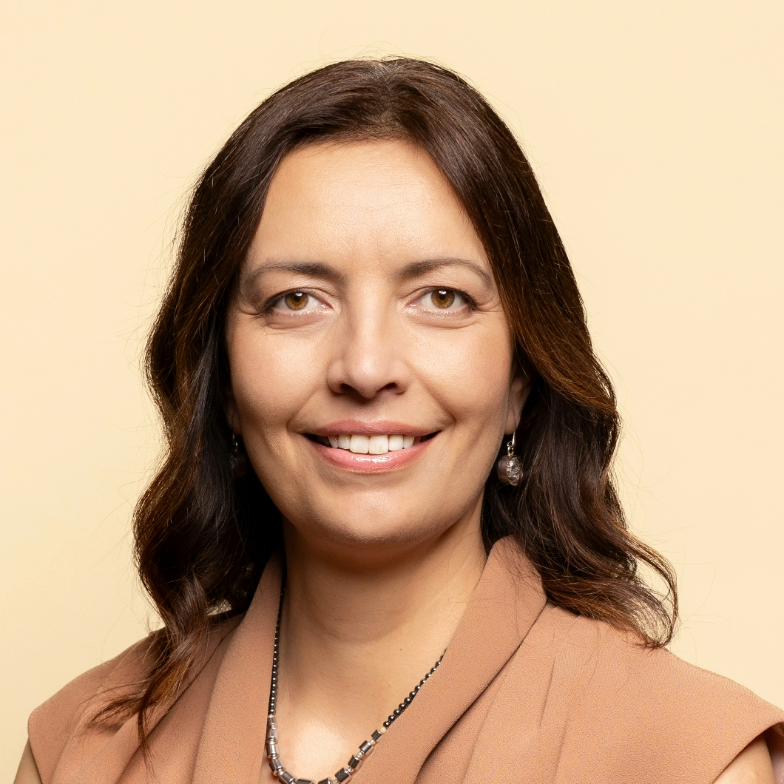
Better use of health data could transform healthcare and open new possibilities for research and innovation. With the European Health Data Space (EHDS), the EU is creating a common framework to make this possible across borders. This session explores how to turn this ambition into practice, what implementation requires, and how health data can deliver better outcomes for patients, health systems, and research.
14:00
-
15:30
From Health Data to Better Healthcare | Health Focus
+4
DEM
Content
Hike│Europe’s ICE-ban 2035: to Be Confirmed, Softened or Abandoned?
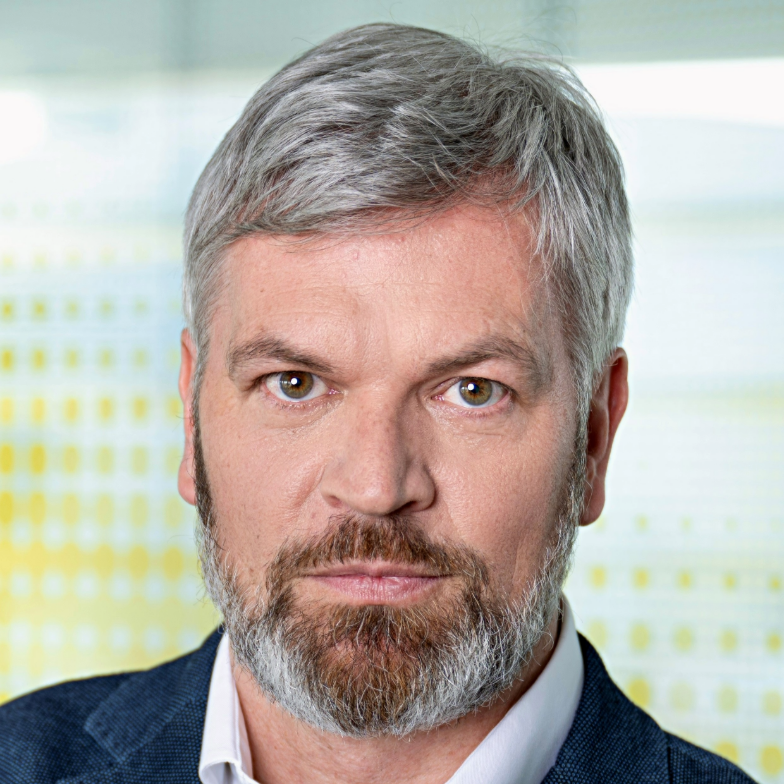
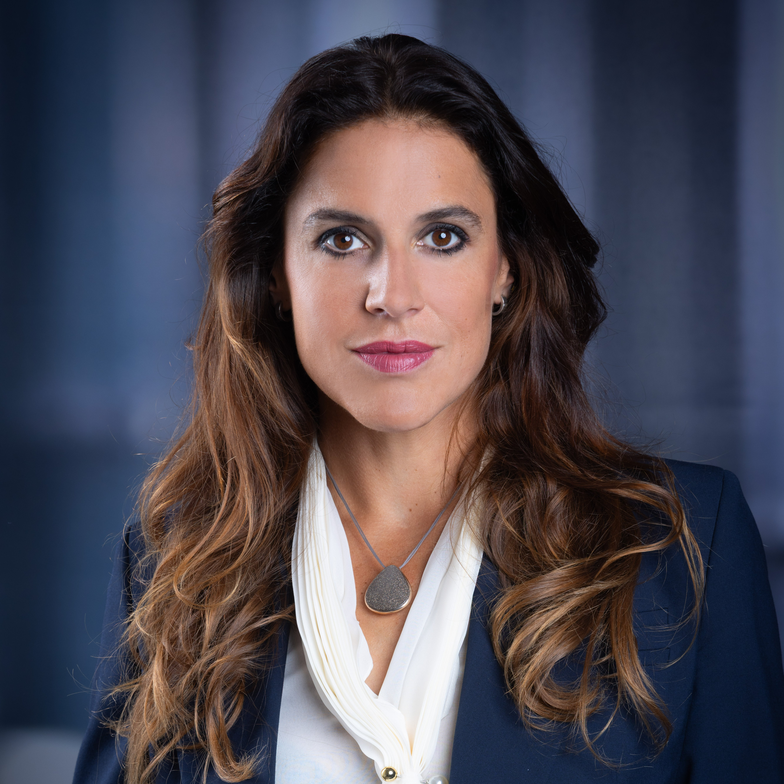
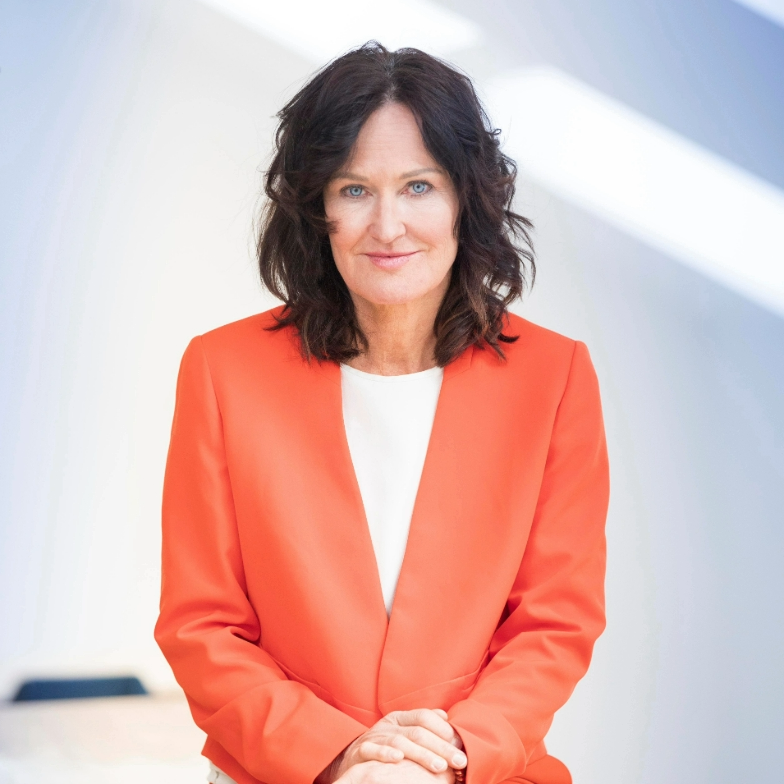
Does the fixation on a single technology lead the EU automotive industry into a dead end or into the future? Is it a necessity or bossing Europe’s motorists around? The strict 2035 ban of internal combustion engines (ICE) shall now be eased slightly. Is this a sufficient industrial stimulus or merely cosmetics? This is what politicians, member states, carmakers, and climate and consumer watchdogs are arguing about.Hike to the Rossmoos-Hütte; meet up in front of the conference center (CCA). //INFO: Wear sturdy shoes and bring drinking water. //INFO: In case of rain, there is going to be a shuttle to Rossmoos.
14:00
-
16:30
Hike│Europe’s ICE-ban 2035: to Be Confirmed, Softened or Abandoned?
+4
CLI
FIN
Content
Artist Talk: Mario Mu
Join Mario Mu for an artist talk about his latest works developed during the ERSTE Foundation's artist in residence programme in the Hayek Hall.
14:00
-
15:00
Artist Talk: Mario Mu
+1
ART
Content
Schrödinger’s equation: 100 years and none the wiser
In 1926, Schrödinger wrote down his famous equation. It has become synonymous with the success story of quantum science and technology - and yet has remained one of the biggest mysteries of modern science. //INFO: This session is being translated and transcribed live using the Wordly app.
14:00
-
15:15
Schrödinger’s equation: 100 years and none the wiser
+1
ART
CLI
DEM
FIN
SEC
Content
The Winning Perspective: Mobility Infrastructure as Europe's Backbone
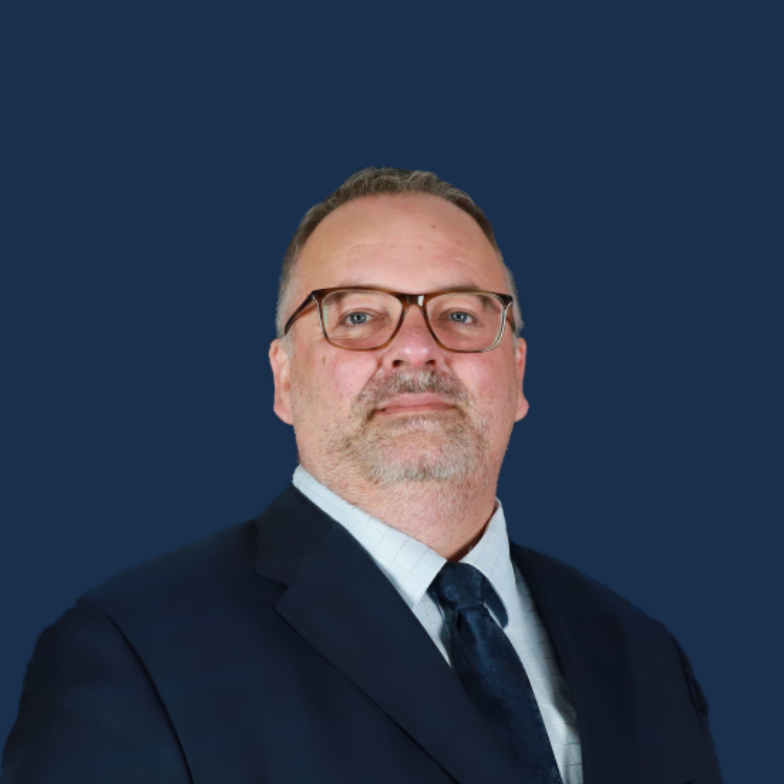
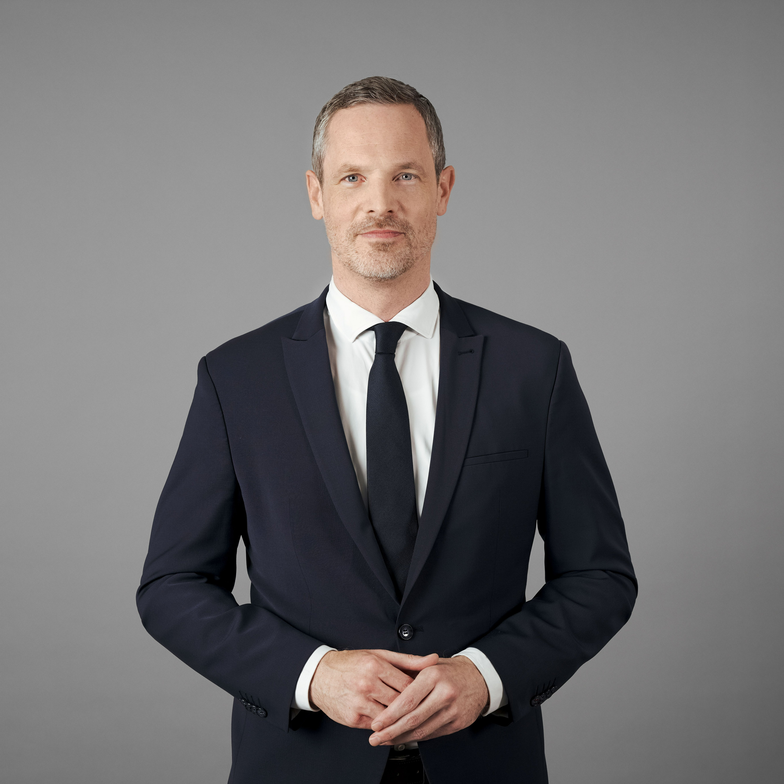
Europe’s economic strength depends on transport systems that function seamlessly across borders. Growing geopolitical uncertainty, climate risks, and increasing mobility demands expose the need for stronger coordination and resilient infrastructure. This session explores how integrated mobility corridors can strengthen competitiveness, improve resilience, and enhance Europe’s strategic capacity through closer cross-border cooperation.//INFO: This session is being translated and transcribed live using the Wordly app.
14:00
-
15:30
The Winning Perspective: Mobility Infrastructure as Europe's Backbone
+3
FIN
Content
Europe’s Role in the Future of Pharmaceutical Innovation | Health Focus
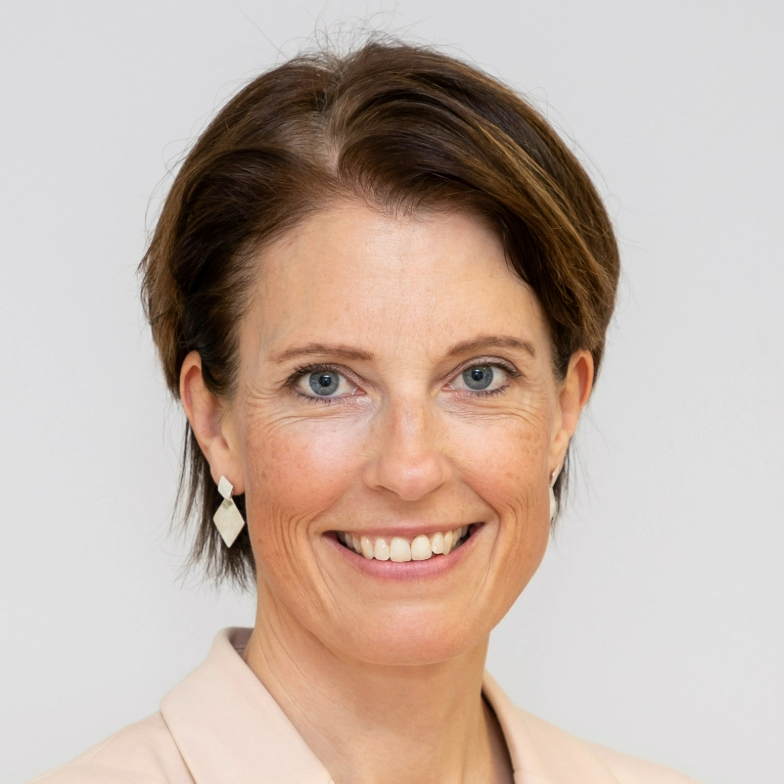
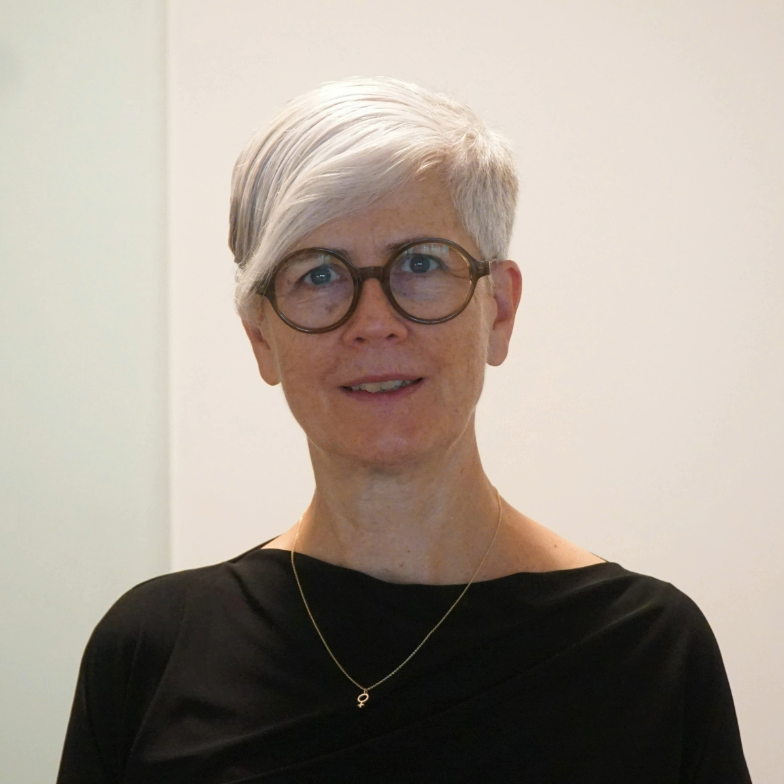
In the face of current geopolitical developments and recent global upheavals, Europe is under pressure to reassert its position in access to pharmaceutical innovation. The United States is calling clearly for Europe to make an adequate – and therefore greater – contribution. The panel discussion examines this demand from multiple angles: industry, policy and patient advocacy will all have their say, bringing together voices from the US, Europe and Austria.
14:00
-
15:30
Europe’s Role in the Future of Pharmaceutical Innovation | Health Focus
+4
FIN
Content
Acting at Speed: Emergency Measures for Peaceful Ambition

Europe’s transition depends on energy infrastructure deployment at a scale and pace that current systems cannot deliver, hence risking dependence on global actors who can build faster and access resources more readily. In light of current geopolitical developments, this session explores how to align industry, finance, government, and society to deliver the necessary transformation that has the potential to secure Europe’s resilience and strategic autonomy.
14:00
-
15:00
Acting at Speed: Emergency Measures for Peaceful Ambition
+3
CLI
Content
Rebuild with Ukraine: Moving Ambition to Action
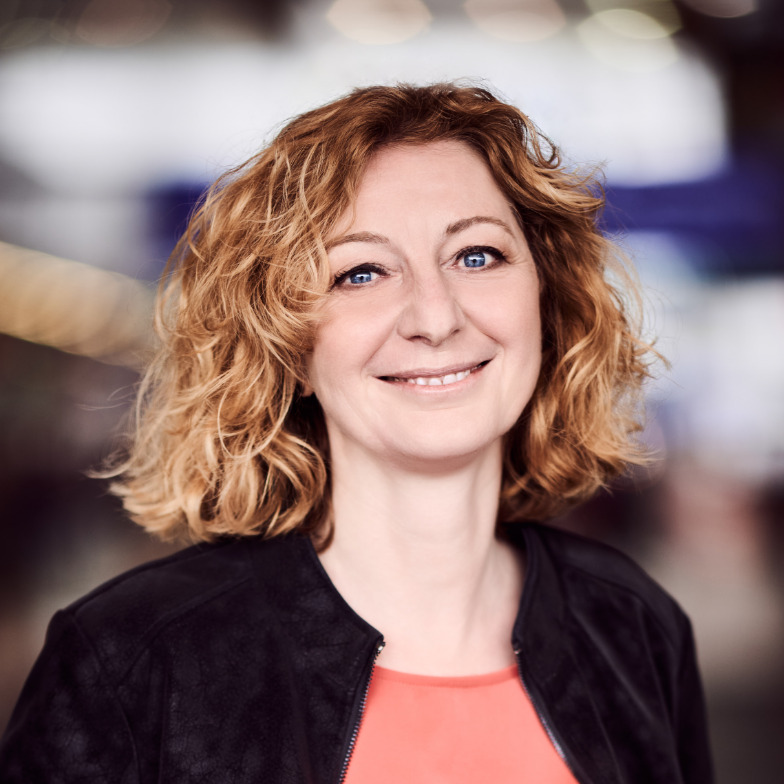
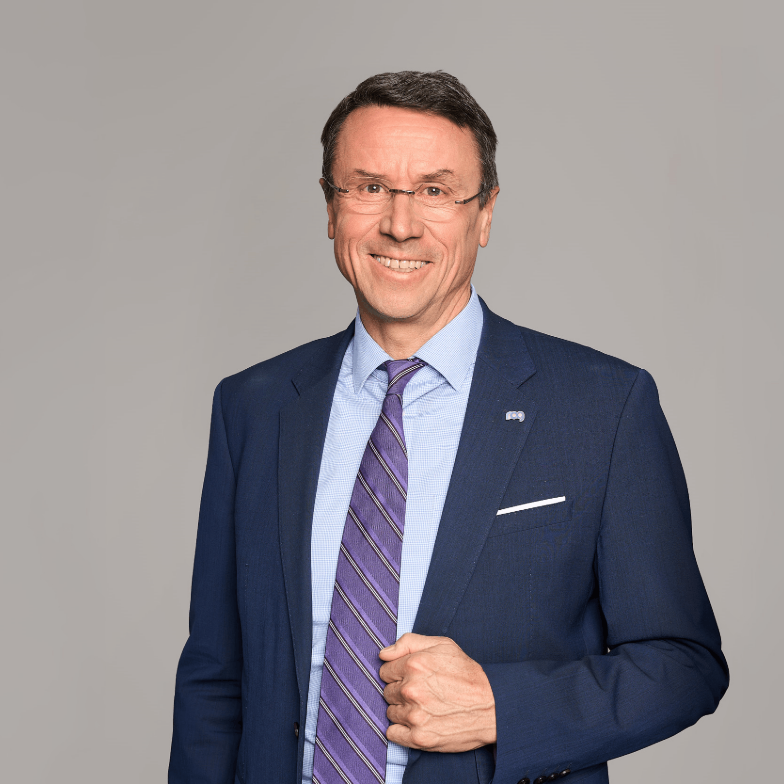
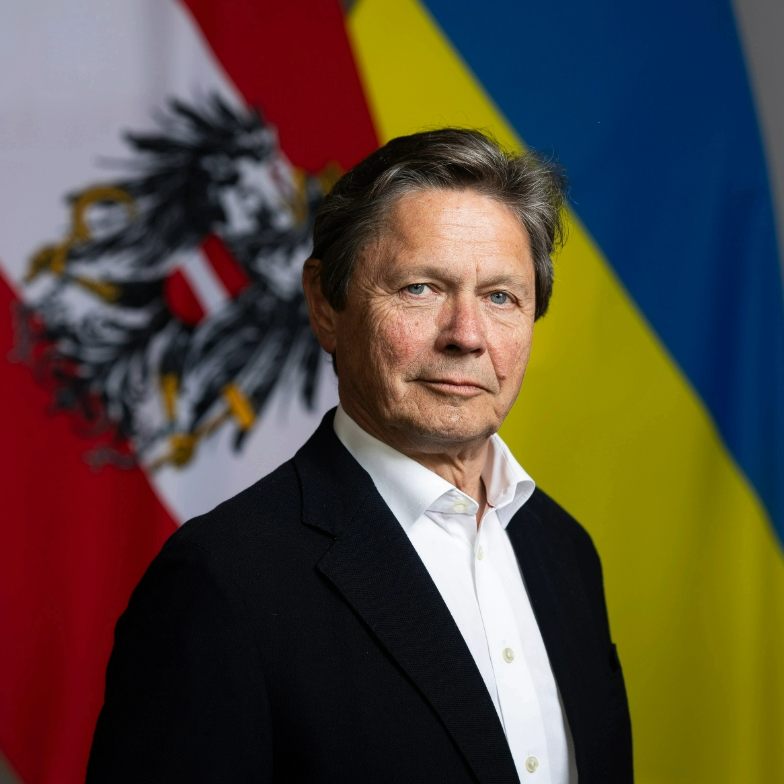
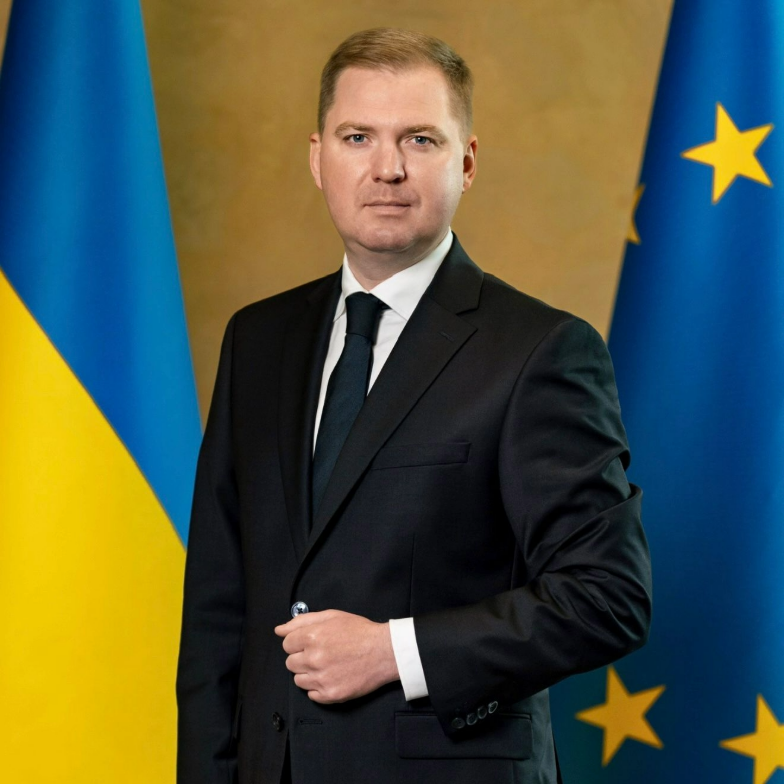
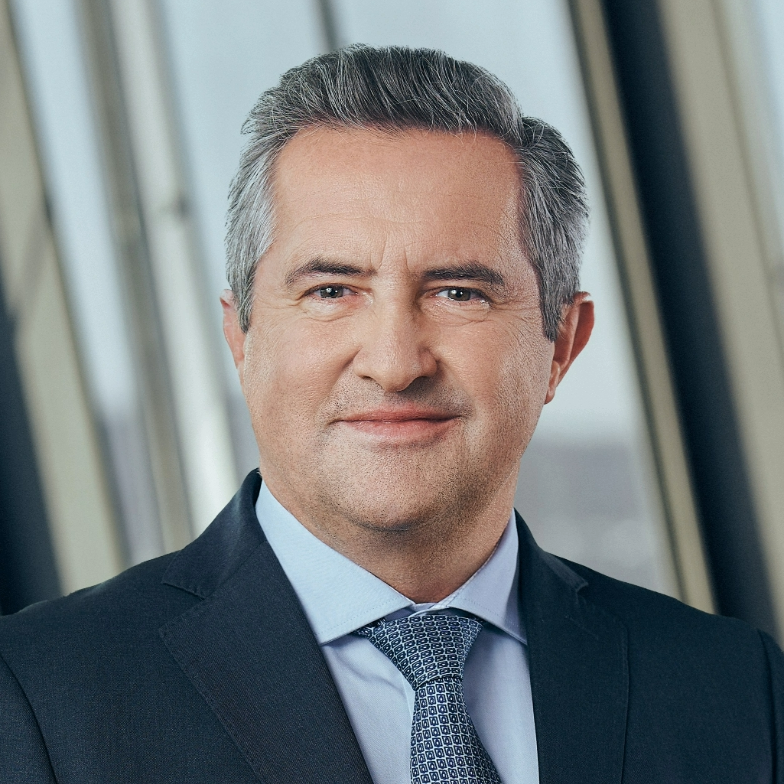
Ukraine’s recovery is one of Europe’s most important economic transformation opportunities. While political commitment and funding are increasingly available, implementation of projects remains the key challenge. Drawing on first-hand experience, the panel explores how businesses, governments and international institutions can work together to unlock investment, deliver projects, and accelerate the country’s long-term transformation.
15:30
-
17:00
Rebuild with Ukraine: Moving Ambition to Action
+5
FIN
SEC
Content
Art & Third Places: A Stroll through Alpbach Exploring how Art Can Create “Good Places”
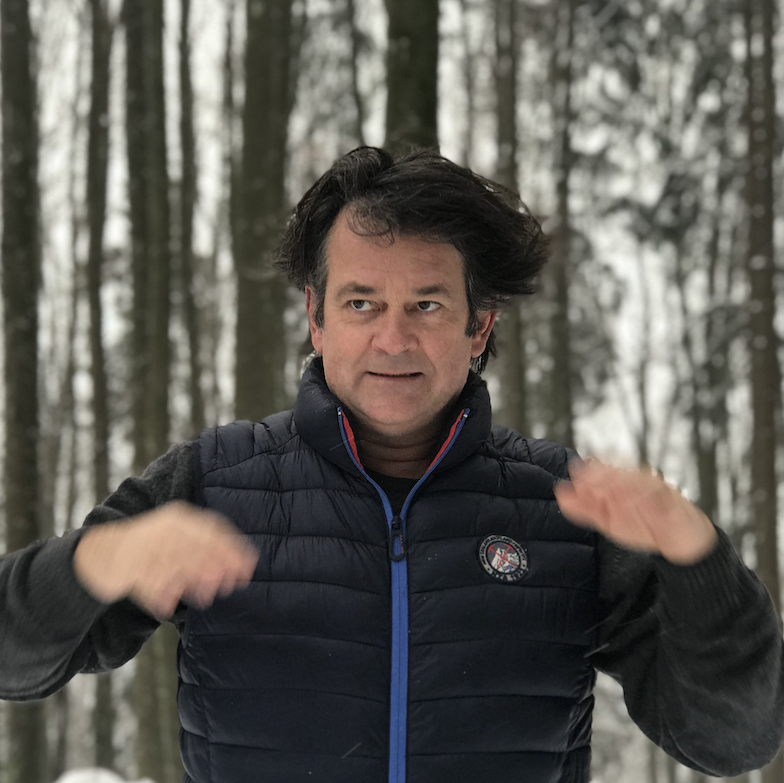
Drawing on Harald Welzer's concept of "Good Places", Rainer Prohaska explores the role of artistic practice in their creation. Through an on-site analysis in Alpbach and concrete examples taken from his own work, he examines how art can operate at the intersection of public space, community, and spatial quality. The walk poses the question of how art might serve as an experimental instrument for testing and establishing such places over the long term, and simultaneously acts as an announcement for a more extensive seminar being developed for EFA27. The meeting point is in front of the CCA.
15:30
-
16:30
Art & Third Places: A Stroll through Alpbach Exploring how Art Can Create “Good Places”
ART
Content
In Nobel's Name, For a Nobel Cause? Peace, Prestige, and Moral Authority
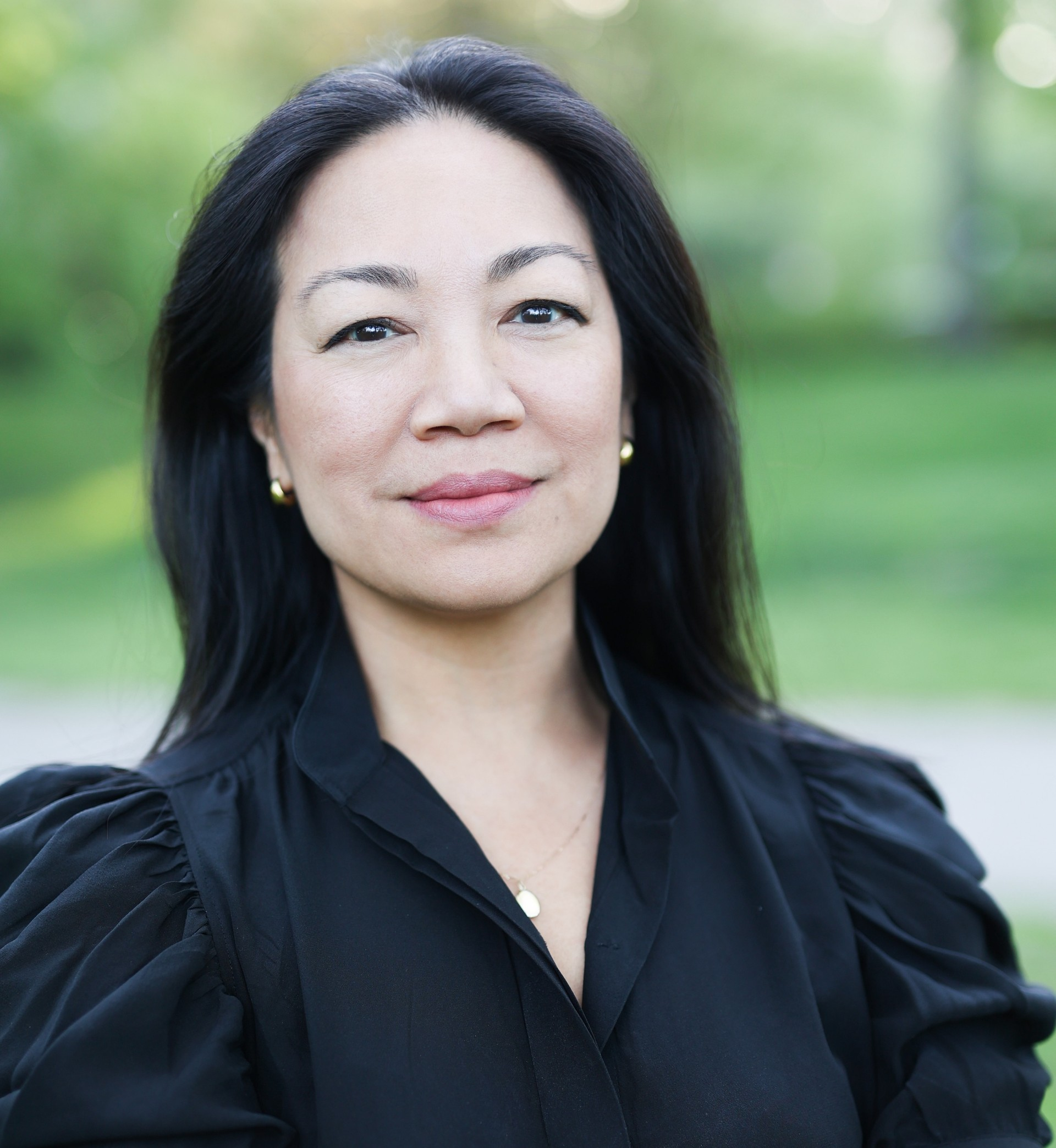
Peace is increasingly contested as a concept, shaped by competing interests, digital amplification, and hybrid coercion. The discussion examines Europe’s role in defending ethical foundations while navigating prestige politics and rival claims to moral authority. It develops shared language to distinguish credible peace making from performative or instrumentalised narratives.
15:30
-
16:30
In Nobel's Name, For a Nobel Cause? Peace, Prestige, and Moral Authority
+2
SEC
Content
When Children Take on the Role of Carers: The Unseen Role of Young Caregivers | Health Focus
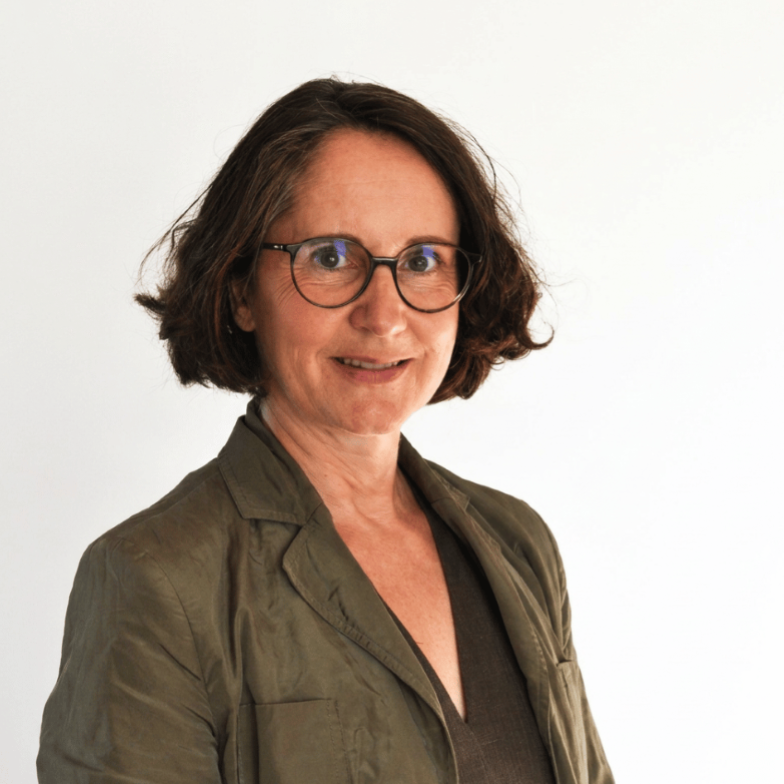

They do the shopping, cook, take their relatives to the doctor, help their siblings, look after them and care for them – all whilst still going to school themselves. Due to their relatives’ chronic illnesses, ‘young carers’ often shoulder heavy responsibilities within their families that go unnoticed. This discussion sheds light on the realities of their lives and offers insights into a growing social alliance dedicated to supporting them – because young carers need all of us to help them shoulder these responsibilities whilst still being able to be children. //INFO: This session is being held in German.
15:30
-
17:00
When Children Take on the Role of Carers: The Unseen Role of Young Caregivers | Health Focus
+5
DEM
Content
Change in Motion: Reinventing Industries for Europe’s Future
Industry leaders are facing profound transformation as legacy business models increasingly diverge from societal expectations, regulatory requirements, and long-term value creation. Curated in collaboration with Philip Morris Austria, this session explores strategies for reinvention, focusing on innovation, sustainable growth, and the role of industry in strengthening Europe’s economic competitiveness.
15:30
-
17:00
Change in Motion: Reinventing Industries for Europe’s Future
+4
FIN
Content
Water Resilience: Securing the Future of a Precious Resource
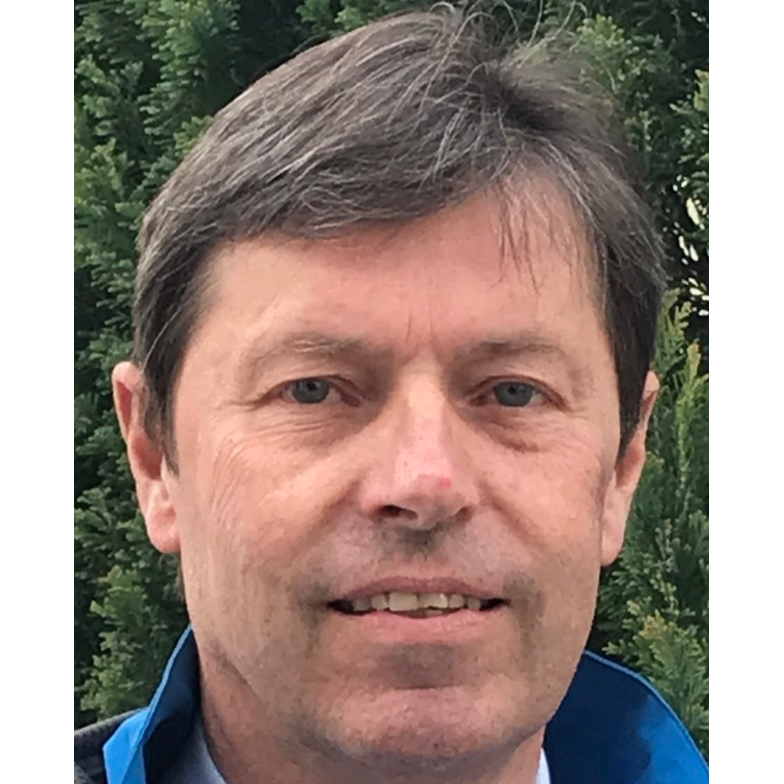
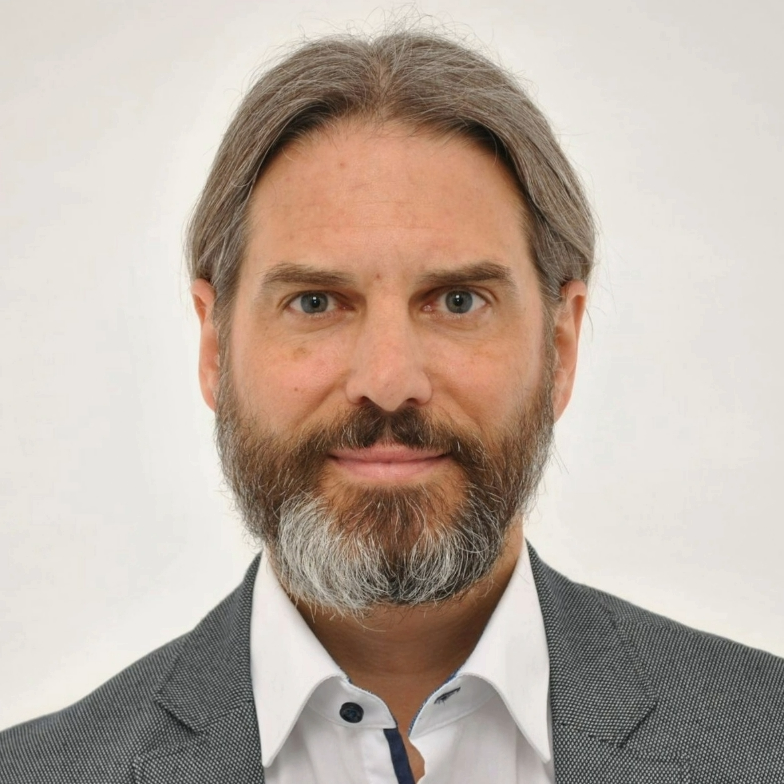
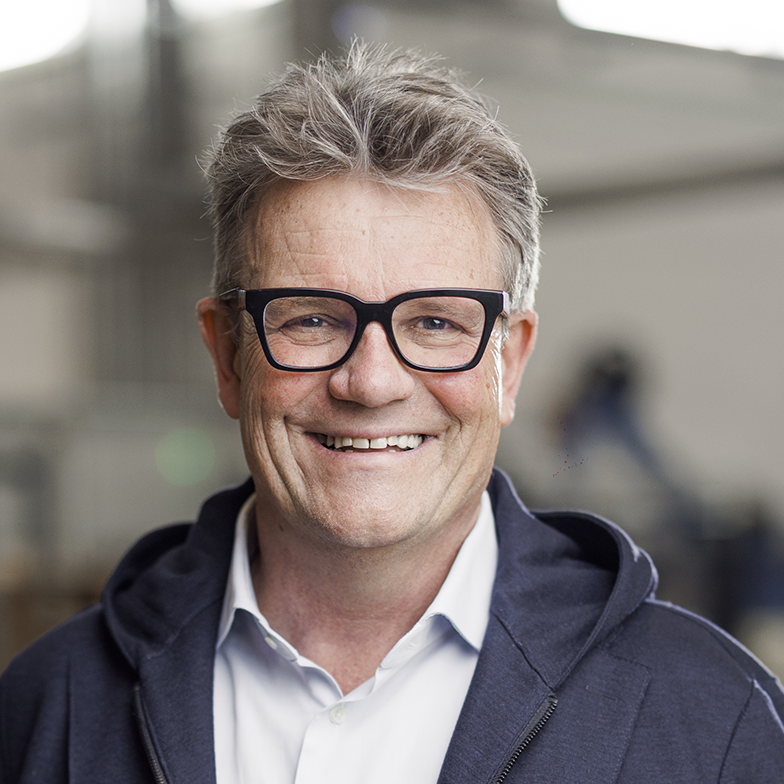
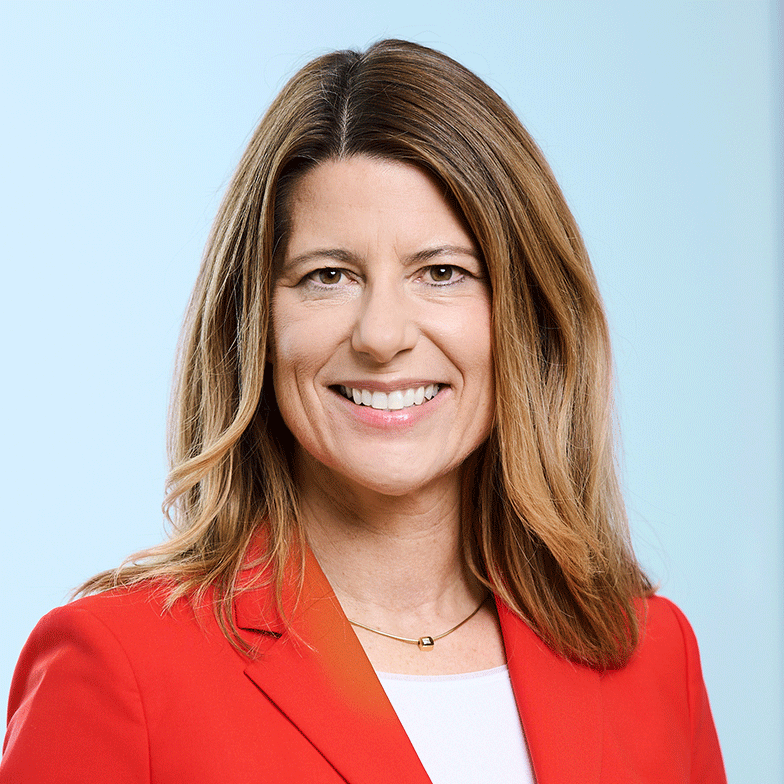

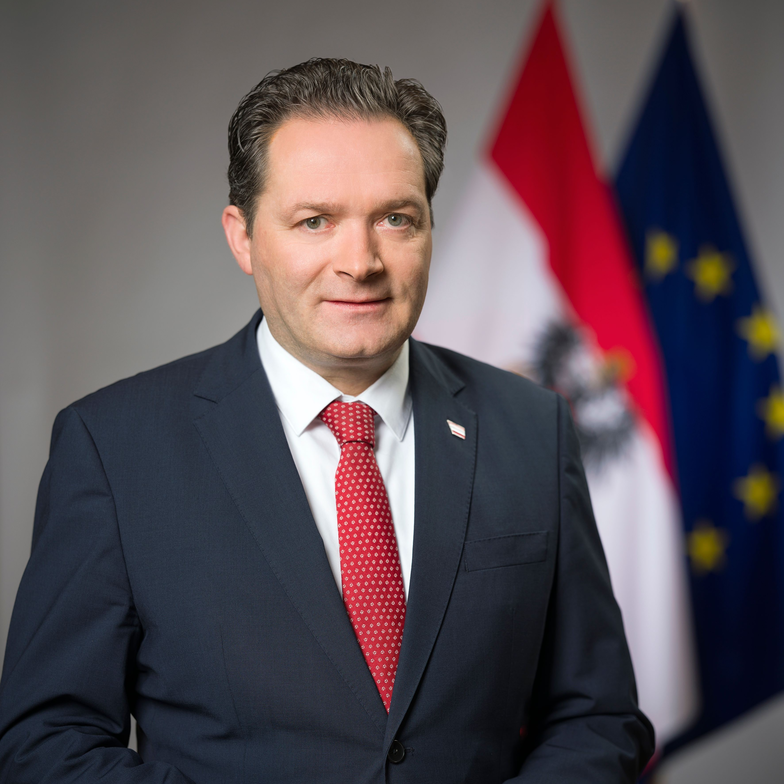
The Alpine region is warming rapidly: extreme weather events and changes in the water cycle are placing increasing pressure on infrastructure, energy, and natural habitats. Water supply is a key issue for the future. This workshop brings together science and practice regarding the impacts of climate change and resilient water systems. What must we do today to ensure security of supply and quality of life tomorrow? //INFO: This session is being translated and transcribed live using the Wordly app.
15:30
-
17:00
Water Resilience: Securing the Future of a Precious Resource
+6
CLI
Content
Executive Talk: Rethinking Media Growth, Trust & Scale – Europe’s Digital Future
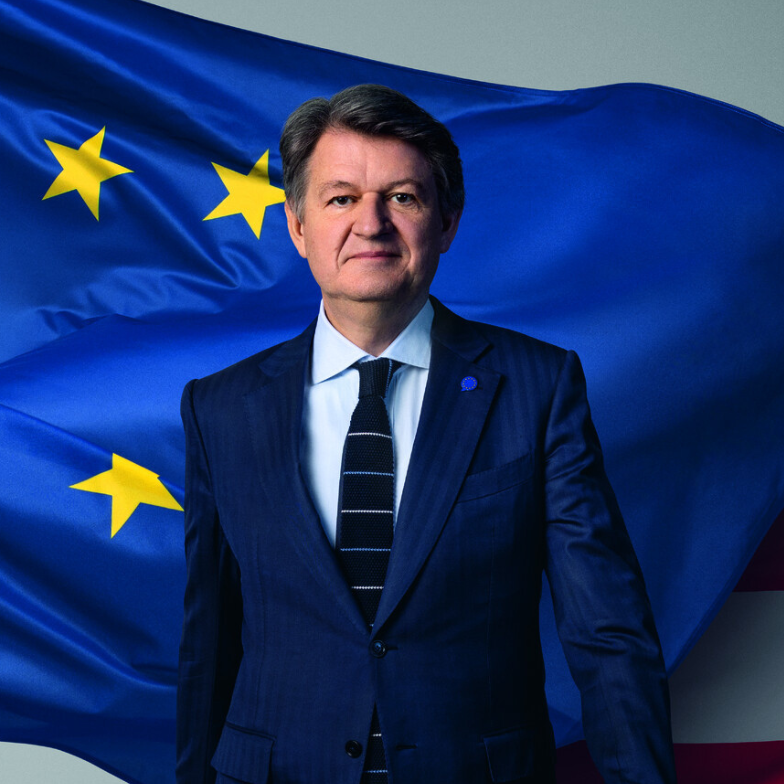
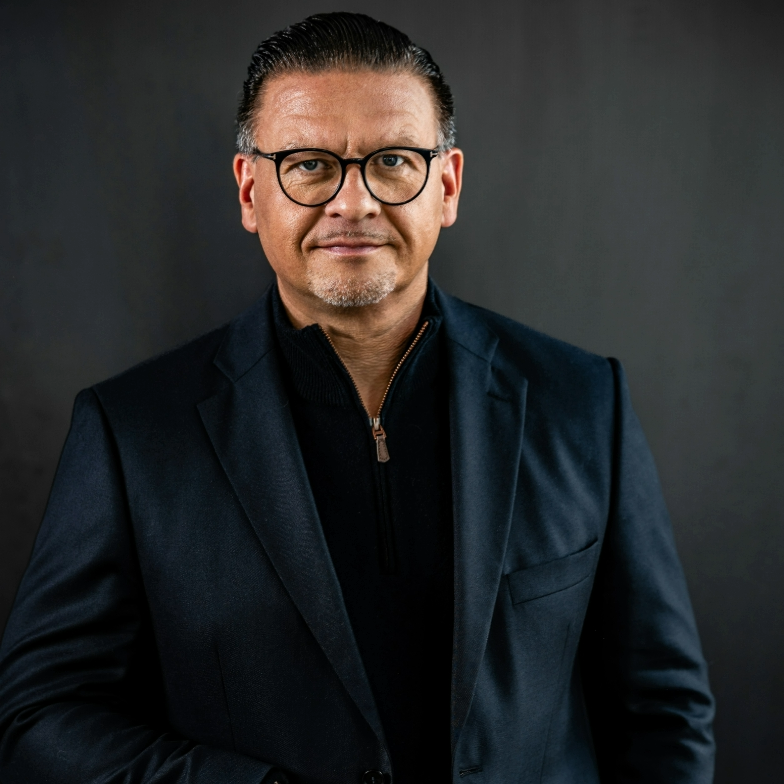
Europe’s advertising market is growing, yet value creation, data, and control are increasingly shifting towards global platforms. This is weakening the European media landscape and putting innovation, journalistic quality, and digital sovereignty at risk. The key question is: How can Europe secure its digital future? The answer lies in a connected media ecosystem built on trust and impact.
15:30
-
16:30
Executive Talk: Rethinking Media Growth, Trust & Scale – Europe’s Digital Future
+2
DEM
Network
Book Talk with Yascha Mounk
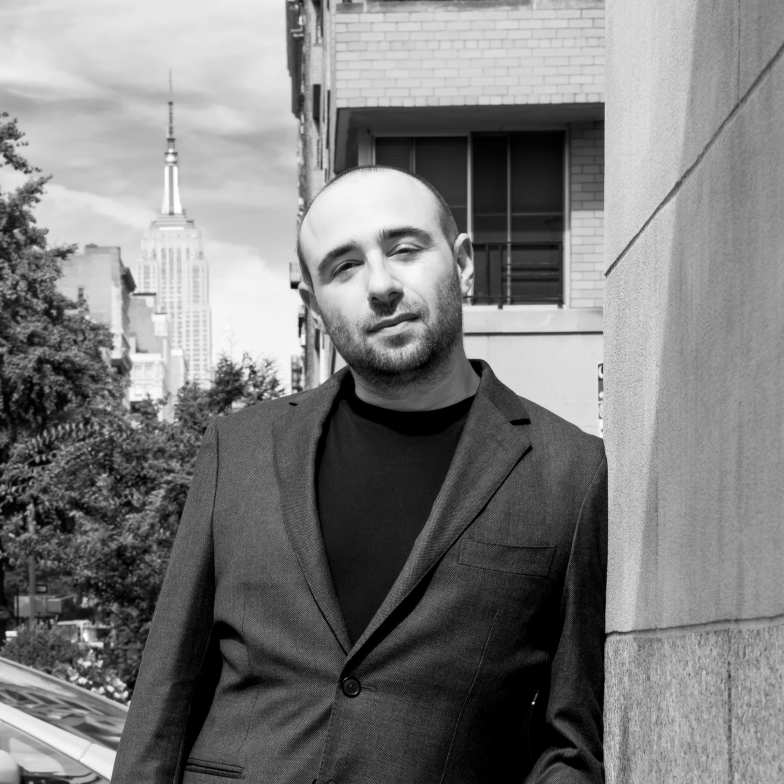
Join Yasha Mounk for a book talk of his upcoming book “The Dispensable Human – Artificial Intelligence and the Collapse of the Middle Class” in the Flora Hall.
16:00
-
17:00
Book Talk with Yascha Mounk
+1
ART
CLI
DEM
FIN
SEC
Content
Technology & Society: Developing Europe's Next Infrastructure
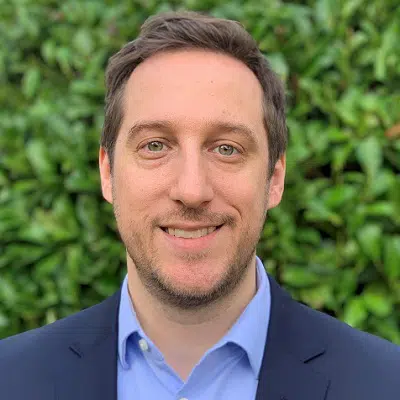
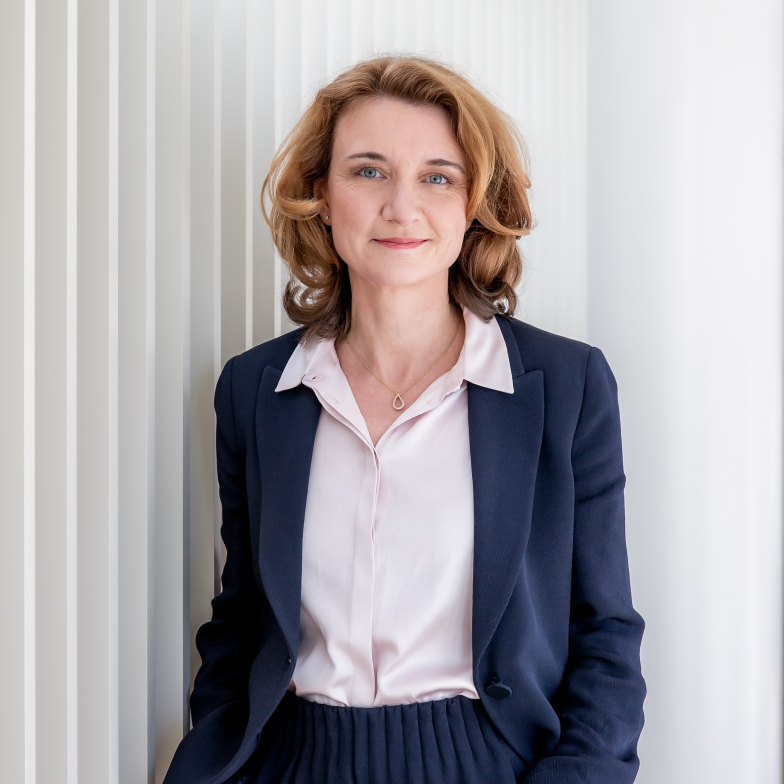
Europe’s infrastructure faces pressure from rapid technological change, geopolitical competition, and critical dependencies. Demands for technological, data and energy sovereignty are growing. Debate key bottlenecks and opportunities across systems and governance to identify priorities for a secure, sustainable, and future-ready European infrastructure.//INFO: This session is being translated and transcribed live using the Wordly app.
17:00
-
18:30
Technology & Society: Developing Europe's Next Infrastructure
+6
ART
CLI
DEM
FIN
SEC
Content
Evening
Evening
Into the Silence
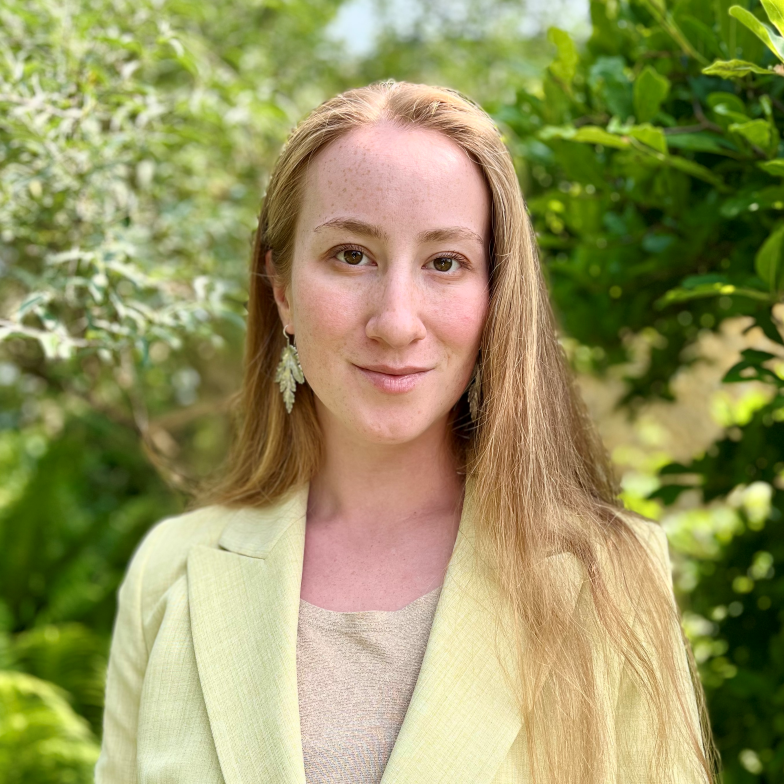
A place of calm: Spiritual impulses from various religious and philosophical backgrounds invite you to contemplate and reflect. Inspiring initiators tell their stories, take you on a journey of the mind, and initiate moments of genuine stillness.
18:30
-
19:00
Into the Silence
Rituals
International Bazar
No place captures the idea of a global village quite like Alpbach during EFA. With the International Bazar we will further distil this rich tapestry of cultures into a thick spirit, for all to come and sample. Join us as the countries represented at Alpbach show off the very best of their homelands at individual booths. Whether through food, music, or art, we invite you to a journey around the globe without the need to catch a plane. //INFO: Please feel warmly invited to attend the International Bazar in your traditional clothing. The EFA Code of Conduct needs to be respected.
19:00
-
21:00
International Bazar
Network
Concert: PPCM- Ensemble





Join us in Alpbach’s baroque church for an evening of contemporary and classical music with the PPCM Ensemble. Students of the Performance Practice in Contemporary Music (PPCM) programme at the University of Music and Performing Arts Graz will present a vibrant programme. Enjoy a moment of contemplation and encounter the richness of a contemporary approach to music.Have a look at the programme.//INFO: Limited number of seats available. Please note that drinking from open cups/bottles and eating is not permitted. Doors: 8.00 pm
20:30
-
21:30
Concert: PPCM- Ensemble
+5
ART
Network
WOMEN ECONOMIC SUMMIT
Rules for Action: A Strategy to Reshape Europe’s Economy Leading executives discuss the perspectives of international financial markets, climate policy, the framework of economic law, and industrial corporate governance. What does Europe need to transform regulation from a defensive protective instrument into an active lever for economic strategy and how can a new, confident European vision for the future mobilize investment, spark new economic momentum, and strengthen our capacity to act.Partner: LeitnerLeitner; Supporter: KONTEXT Institut
20:30
-
22:00
WOMEN ECONOMIC SUMMIT
+6
FIN
Network
Early morning
Early morning
Sunrise Hike: Gratlspitz
Rise and shine: Enjoy the first rays of sunshine on the top of Alpbach. Experience this special atmosphere and start your day energised! Plan 4 to 5 hours for the hike, depending on your walking pace.Shuttle Bus - Sunrise Hike03:15 Uhr Radfeld Gemeindeamt03:22 Uhr Kramsach Gemeinde Freudenschuss03:27 Uhr Brixlegg Bahnhof03:33 Uhr Reith Dorfmitte03:40 Uhr Alpbach Wiedersbergerhornbahn03:45 Uhr Inneralpbach // INFO: The hike is not recommended for beginners! Attention: 900 metres in ascent! Please wear hiking boots and bring water and possibly a small snack. If you have a head torch, please bring it with you, too. Participation at your own risk! Shuttle from Brixlegg is available.
04:00
-
09:00
Sunrise Hike: Gratlspitz
Content
Morning Sports: Functional Fitness
Start the day with a boost of energy! The trainers of the Austrian Armed Forces will get you sweating with military functional fitness on the forecourt of the CCA – an ideal way to recover from stress and prevent burnout and illness.
07:00
-
08:00
Morning Sports: Functional Fitness
Rituals
Into the Silence
A place of calm: Spiritual impulses from various religious and philosophical backgrounds invite you to contemplate and reflect. Inspiring initiators tell their stories, take you on a journey of the mind and initiate moments of genuine stillness.
08:00
-
08:30
Into the Silence
Rituals
Morning Briefing | After Iceland's no vote - is the EU still attractive enough?
Our Morning Briefings provide a daily overview of the most important news and insights from EFA26. Start your Alpbach day well-informed with an engaging conversation!
08:00
-
08:45
Morning Briefing | After Iceland's no vote - is the EU still attractive enough?
+1
Content
Morning
Morning
Hike | Europe´s Diplomatic Counter-Revolution: Alliances and Deal Craft
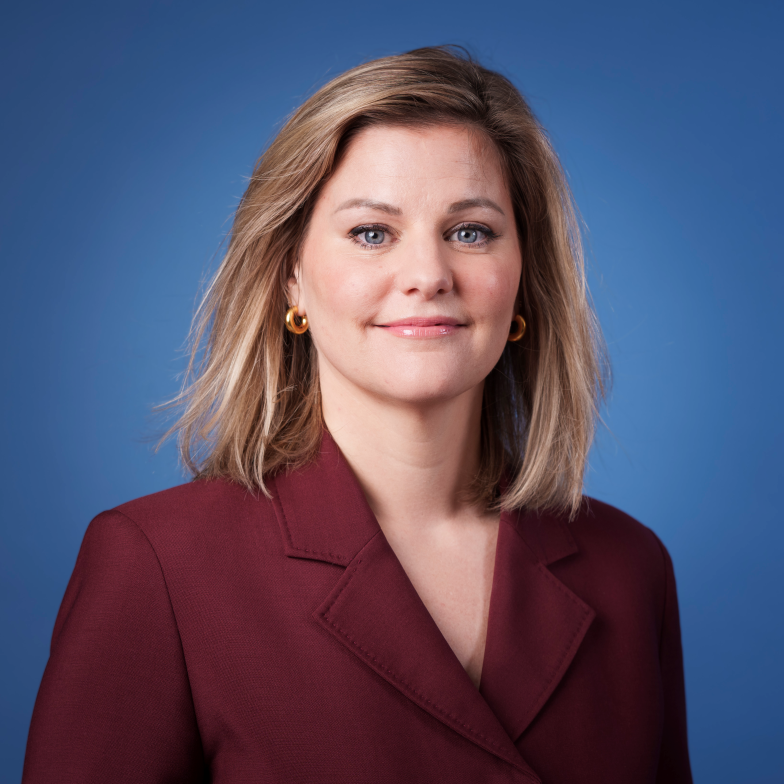
In a world where power politics and “might makes right” are gaining ground, reliability is hard currency. Europe’s comparative advantage lies in credible, rules-based influence and the ability to convene coalitions with like-minded partners. This Hike explores how Europe can shape change in the international system through partnerships forged by shared interests and diplomatic dealcraft. It highlights how reinforcing trust and stability can translate into sustained European soft power. //INFO: Wear sturdy shoes and bring drinking water.//INFO: In case of heavy rain, the session is going to take place at the Firestation Event Hall
09:00
-
12:00
Hike | Europe´s Diplomatic Counter-Revolution: Alliances and Deal Craft
+5
SEC
Content
Book Talk with Lea Ypi
Join Lea Ypi for a book talk of “Indignity: A Life Reimagined” in the Hayek Hall.
09:00
-
10:00
Book Talk with Lea Ypi
ART
CLI
DEM
FIN
SEC
Content
In conversation with Agnieszka Pomaska and Johannes Greubel
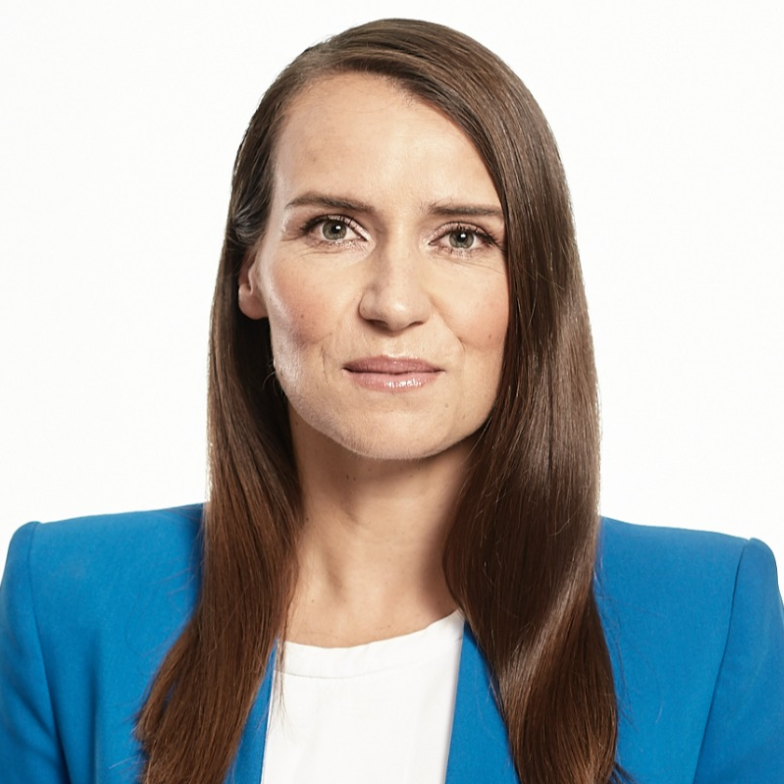
A conversation between Agnieszka Pomaska and Johannes Greubel on the subject of "The role of Central and Eastern European Countries in shaping the EU and the future of the Visegrád Group".
09:00
-
10:00
In conversation with Agnieszka Pomaska and Johannes Greubel
+1
DEM
FIN
Content
From Backyard Battles to Geopolitical Wins: Rewriting the Narrative for Energy Security
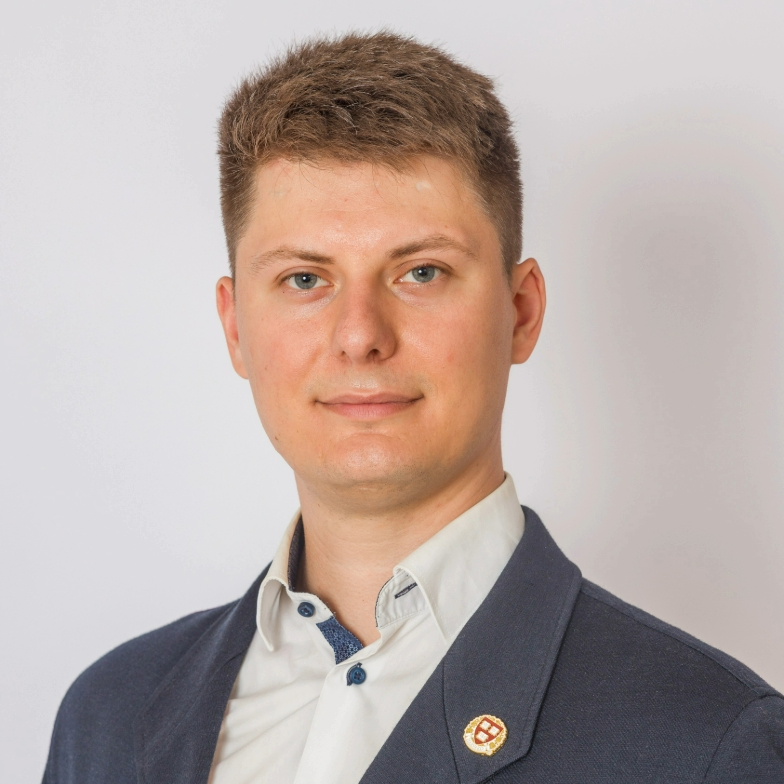
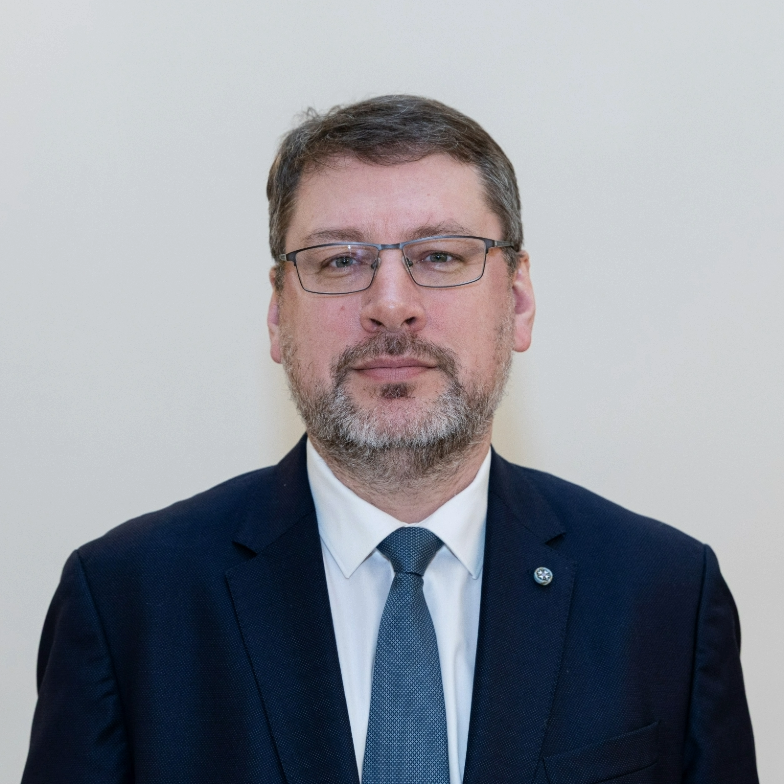
Every delayed wind turbine or blocked transmission line is a victory for those who exploit Europe’s energy vulnerabilities. This session dissects the geopolitical cost of local inaction, asking: If renewables and grid expansion were treated as critical security infrastructure, could we finally outmaneuver adversaries like Russia? The debate will focus on bridging the gap between global energy strategy and on-the-ground acceptance.
09:00
-
10:00
From Backyard Battles to Geopolitical Wins: Rewriting the Narrative for Energy Security
+5
CLI
SEC
Content
Hike | Converging Crises, Shared Responses: Can Europe and Asia Find Common Ground?

Climate change, food insecurity, public health fragility, geopolitical conflict, and widening inequality are systematic global crises, cutting across national borders and political systems. Yet, responses to them remain fragmented. For Europe and Asia, these challenges create both friction and opportunity. This session explores how interlocking crises can serve as a basis for alignment, identifying common ground and realistic entry points for joint, sustainable action. //INFO: Wear sturdy shoes and bring drinking water.//INFO: In case of heavy rain, the session is going to take place at CCA – Liechtensteinsaal
09:00
-
12:00
Hike | Converging Crises, Shared Responses: Can Europe and Asia Find Common Ground?
+5
FIN
Content
Europe's Energy Resilience: Sovereignty, Interconnection, and Transition
As Europe redefines its energy map, Southeast Europe has emerged as a vital gateway for the continent’s security and supply diversification. Discuss how regional interconnections, infrastructure expansion, and green transition initiatives contribute to broader European energy resilience. The session will highlight how solidarity and cross-border alignment in the region serve as a shield against global market shocks for the entire European Union.
09:00
-
10:30
Europe's Energy Resilience: Sovereignty, Interconnection, and Transition
+3
CLI
FIN
Content
Hike | Regenerative Sovereignty: How Might Europe Thrive
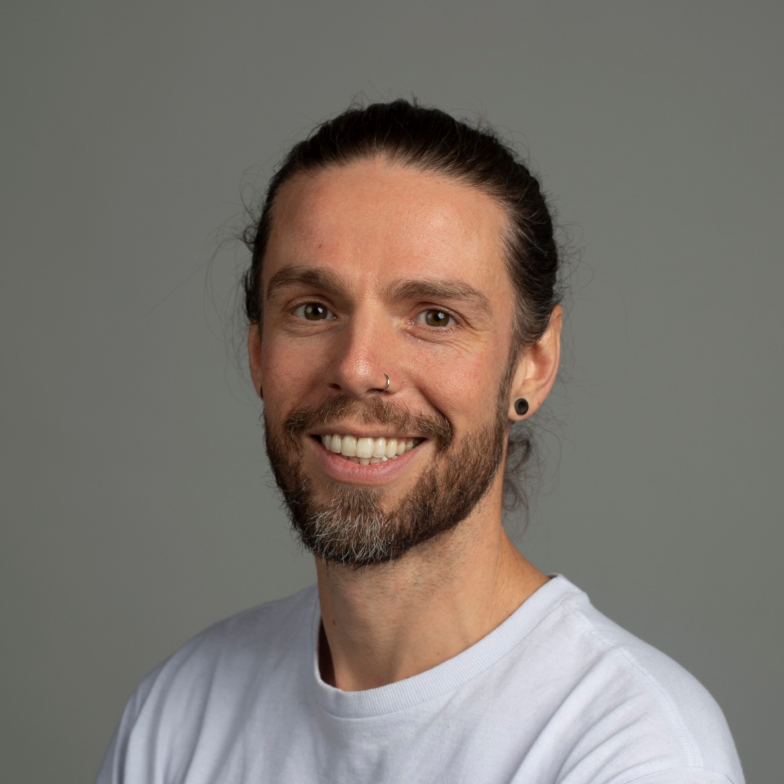
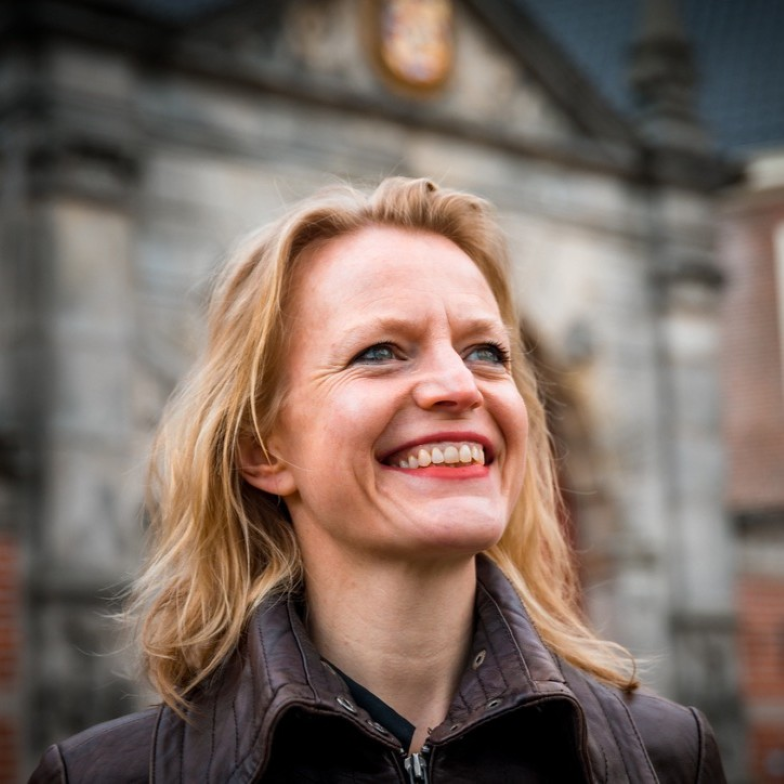
Europe’s sovereignty remains tied to external dependencies on resources and extraction-based systems, limiting its own capacity to thrive and adapt sustainably. This hike looks at the meaning of regenerative sovereignty: how prosperity can be redefined through circular, nature-based systems that strengthen domestic capabilities and provide long-term security. Can Europe become the first continent to define its power by how much it restores rather than how much it extracts? //INFO: Wear sturdy shoes and bring drinking water.//INFO: In case of heavy rain, the session is going to take place at CCA at Köstler-Einem Hall.
09:00
-
12:00
Hike | Regenerative Sovereignty: How Might Europe Thrive
+3
CLI
Content
Tourism.Future.Austria.2026: Transform Tourism – The Courage to Change
How can we shape the tourism of tomorrow in a world undergoing profound change? What answers can we find to the major challenges of our time, and where is genuine courage for transformation needed most? Together with tourism entrepreneurs and decisionmakers from business, politics, and academia, we will discuss how geopolitical and geoeconomic developments, emerging technologies such as AI and robotics, as well as changing mobility and travel patterns are shaping the future of tourism and which strategic responses Austria needs to develop to remain competitive and resilient. For further information, please visit: https://www.wko.at/pages/tourismuszukunftoesterreich/uebersicht
09:00
-
17:00
Tourism.Future.Austria.2026: Transform Tourism – The Courage to Change
FIN
Content
Hike | Industrial Sovereignty in European Procurement
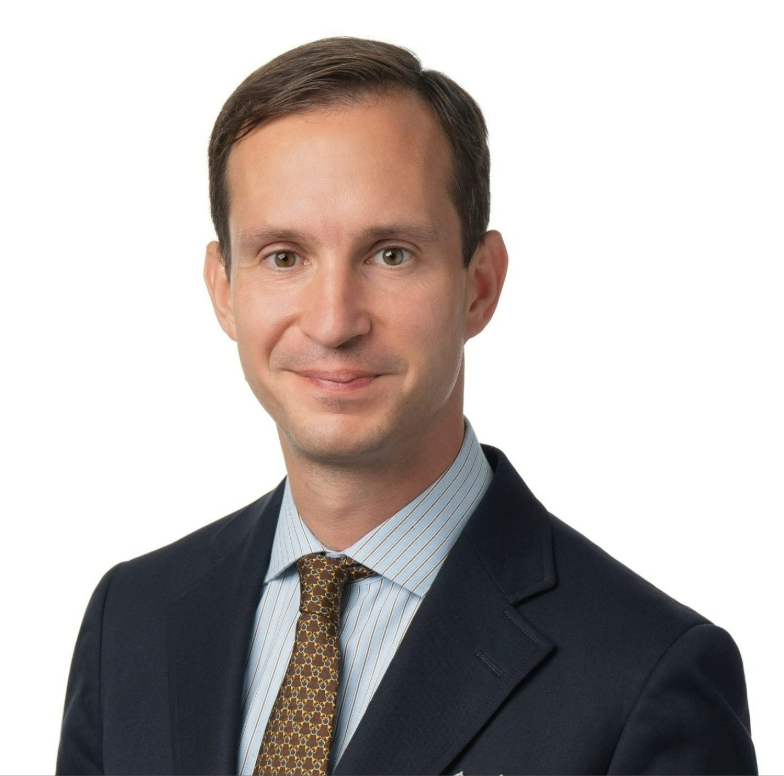
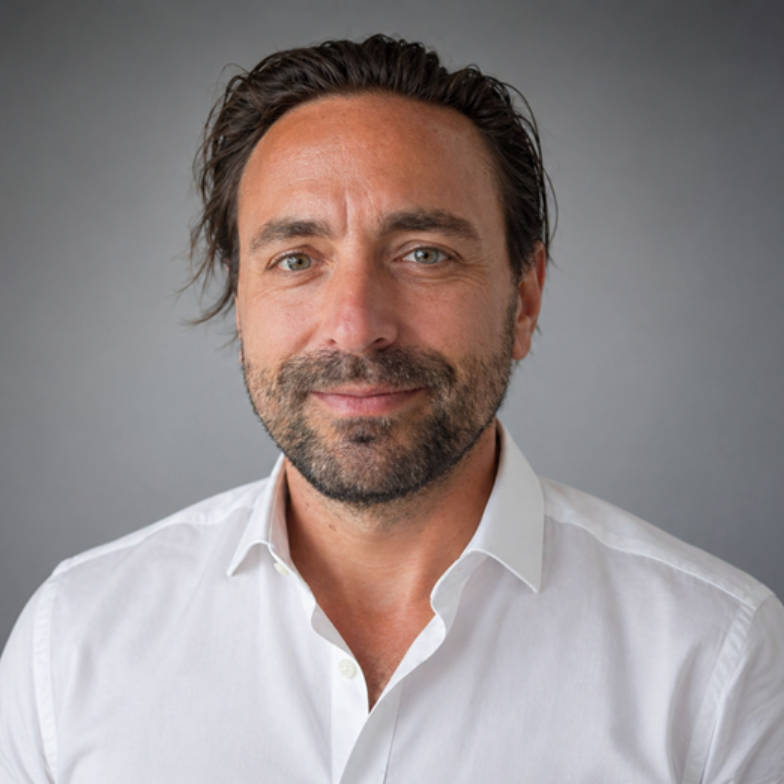
Public procurement across Europe still favours lowest cost, while competitors abroad protect their own industrial base. This hike asks whether EU procurement rules still fit a changing geopolitical reality, weighing open markets against industrial sovereignty and resilient supply chains, and discusses how to strengthen 'Made in Europe' while remaining competitive.//INFO: Wear sturdy shoes and bring drinking water.//INFO: In case of rain, there is going to be a shuttle to Rossmoos.
09:00
-
12:00
Hike | Industrial Sovereignty in European Procurement
+4
CLI
FIN
SEC
Content
Shaping the Future of Healthcare – Hospitals and Primary Care | Health Focus
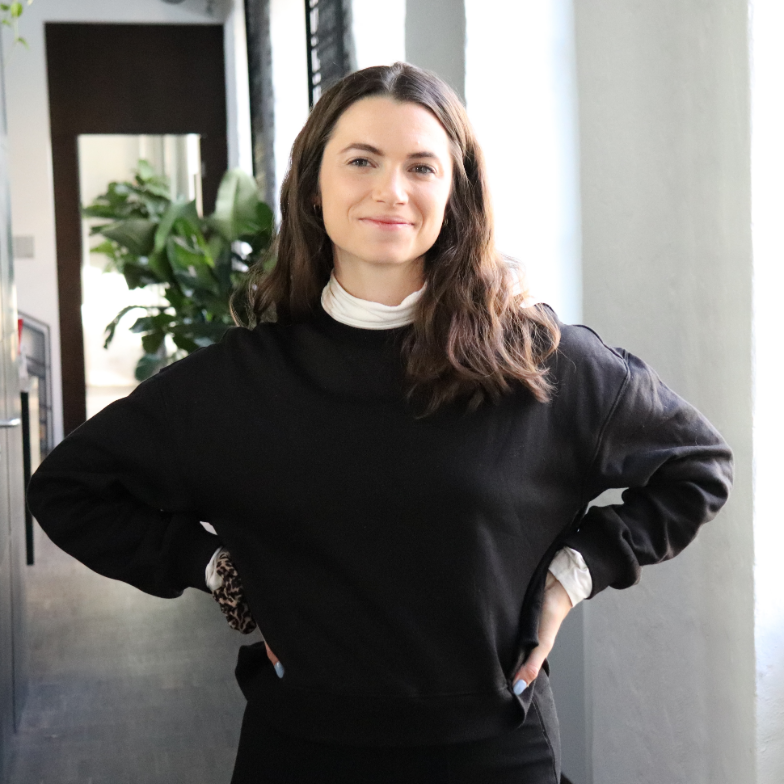
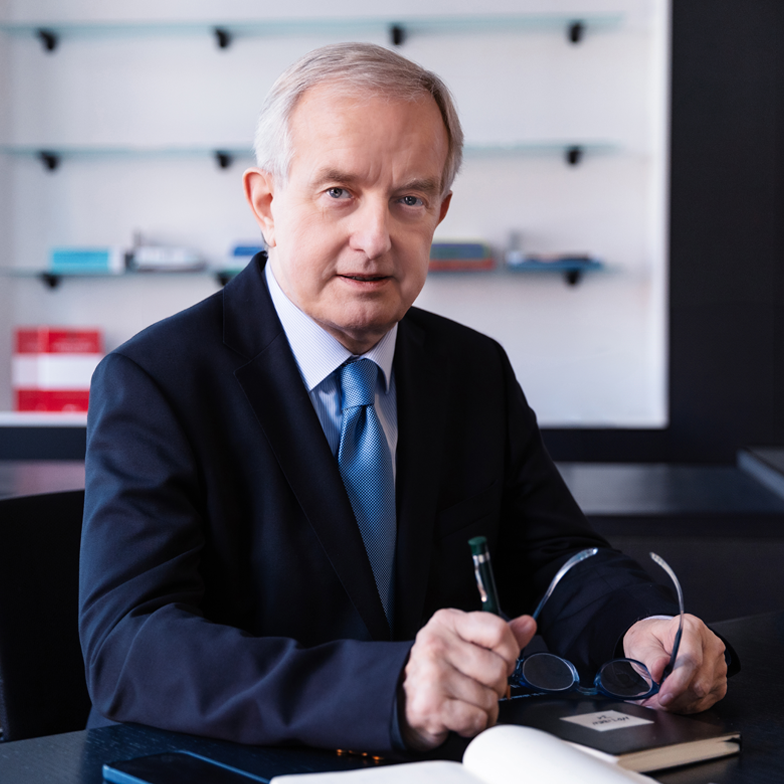
How should healthcare be organised in the future? As healthcare systems face growing pressure, this session explores the evolving roles of hospitals, primary care and other health professionals in addressing workforce shortages, rising demand and the transformation of care structures. It also examines how the European Health Data Space can support more integrated, data-driven and patient-centred healthcare.
10:30
-
12:00
Shaping the Future of Healthcare – Hospitals and Primary Care | Health Focus
+3
DEM
Content
Beyond Borders: The Social Cost of EU Enlargement
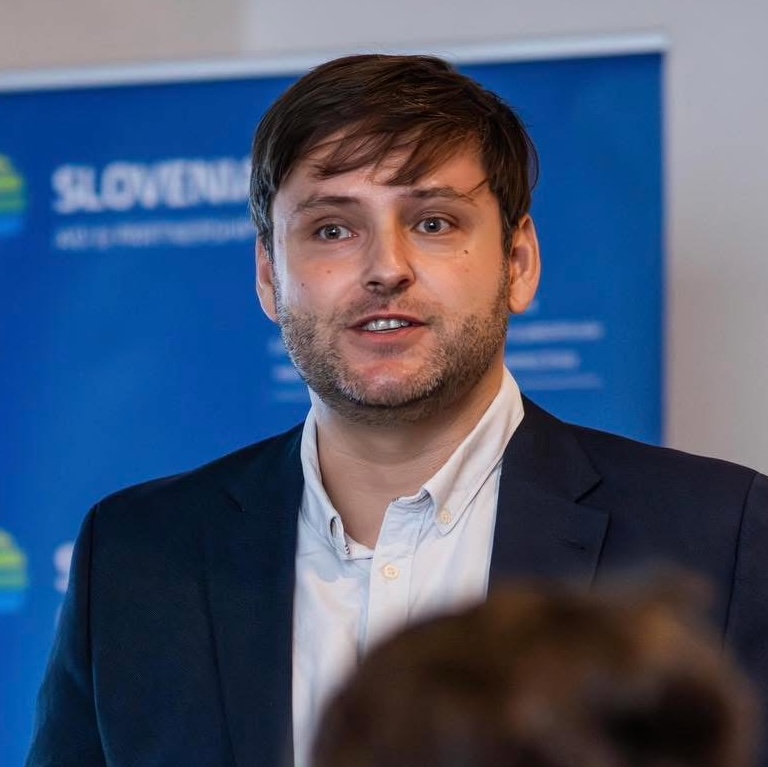
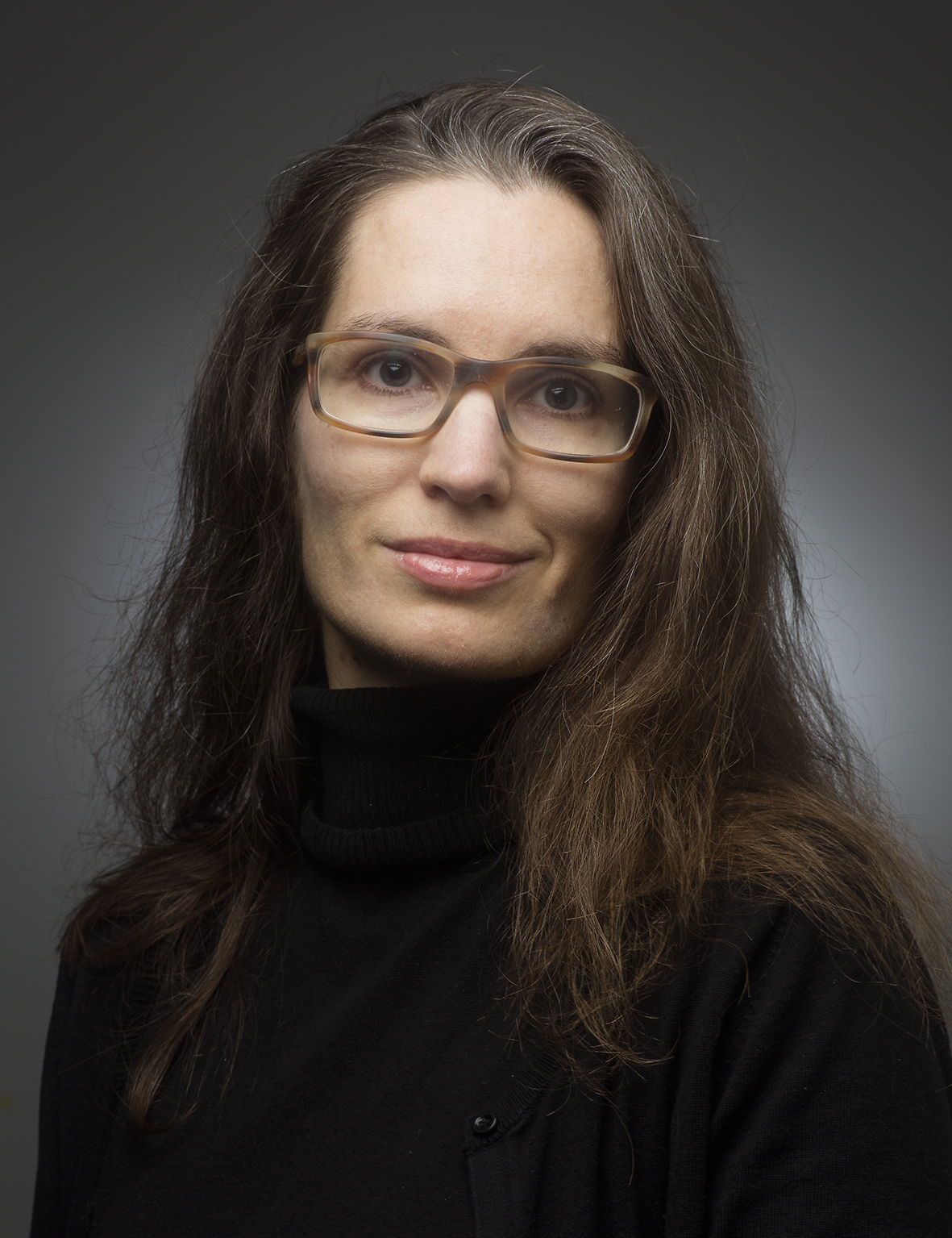
EU enlargement is framed as a political and economic milestone, yet its social dimension — labor mobility, access to welfare, and inequality between old and new member states — remains an afterthought. This session maps the fault lines and invites participants to design principles for a socially just enlargement process that works for everybody.
10:30
-
12:00
Beyond Borders: The Social Cost of EU Enlargement
+3
DEM
Content
An Executive Pitch for a Strong Europe
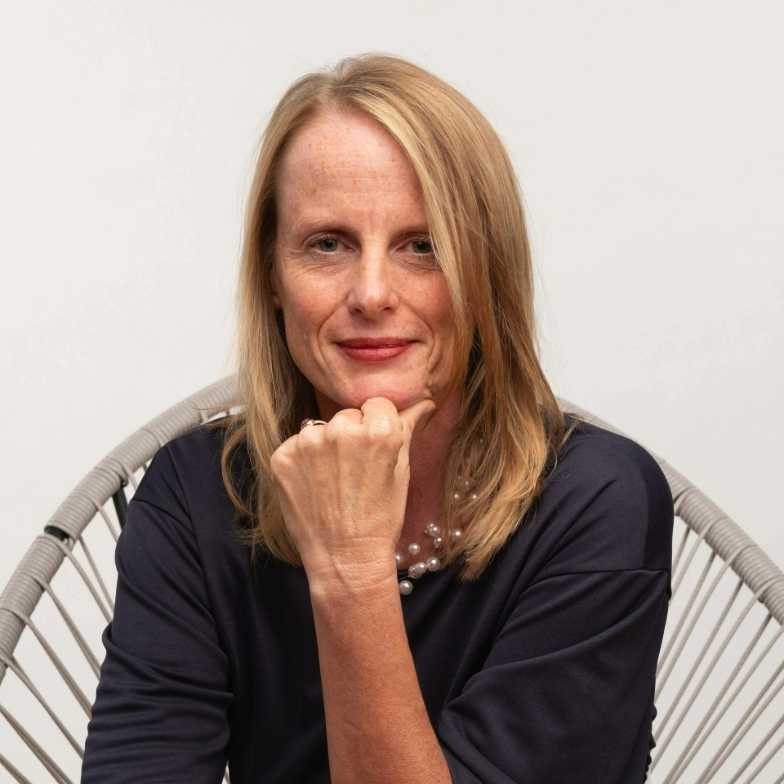
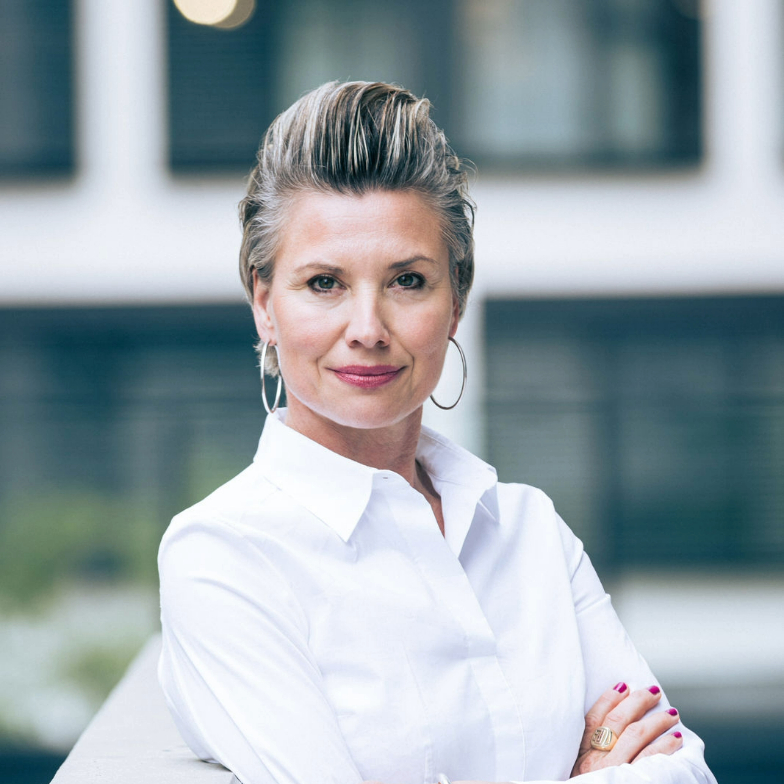
We are shaping the future of business! But how? Based on a survey of 450 female executives, we explore the key questions: Competitiveness: How can we unleash it again by reducing bureaucracy and regulation? AI, Digitalisation & Cybersecurity: How can these topics drive growth, efficiency, and innovation? Societal Mindset: Which patterns of thinking will we need to break?
10:30
-
11:30
An Executive Pitch for a Strong Europe
+2
FIN
Network
Security without Trust: Democracy in Times of Fear
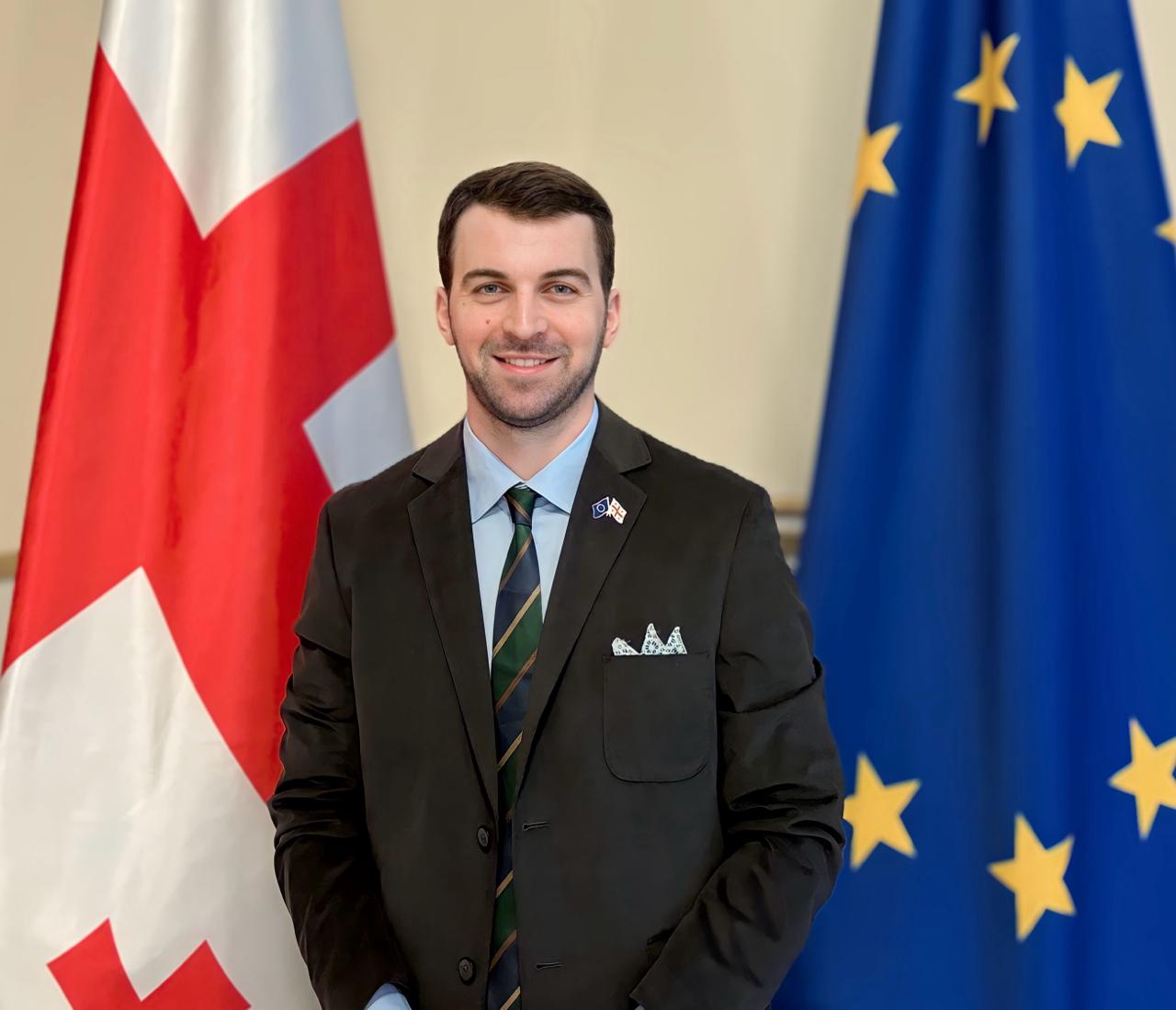
As security pressures rise, democratic trust is tested. This session examines how crisis-driven governance reshapes institutional legitimacy. It also asks how Europe can maintain both effectiveness and accountability when fear redefines political decision-making, identifying concrete mechanisms to sustain public confidence during geopolitical uncertainty.
10:30
-
11:30
Security without Trust: Democracy in Times of Fear
+3
DEM
SEC
Content
Noon
Noon
WoW* Connects: A Networking Hour for Women*
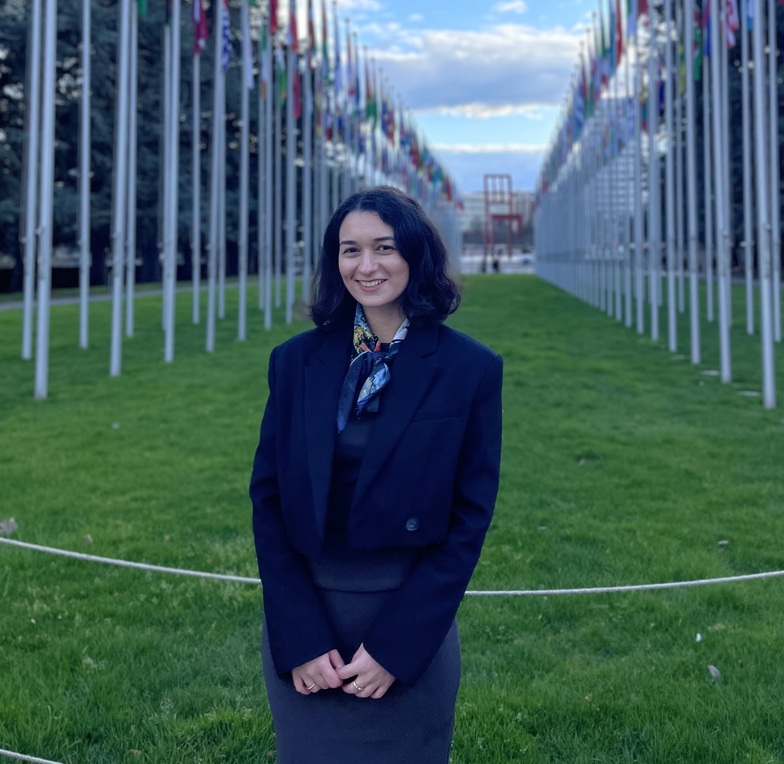
As part of the EFA World of Women* initiative, EFA is taking extra efforts to encourage female* contributors, both in programming and participation. Throughout the Conference Days, four sessions of one and a half hours each will be hosted by women* engaged in EFA’s broader network, which offers the opportunity to connect, reflect, and act. // INFO: To ensure a focused and engaging experience, we won’t be providing any catering. Participants are, however, free to order lunch and beverages at their own cost.
12:15
-
13:45
WoW* Connects: A Networking Hour for Women*
+2
Network
Track Forum: Finance
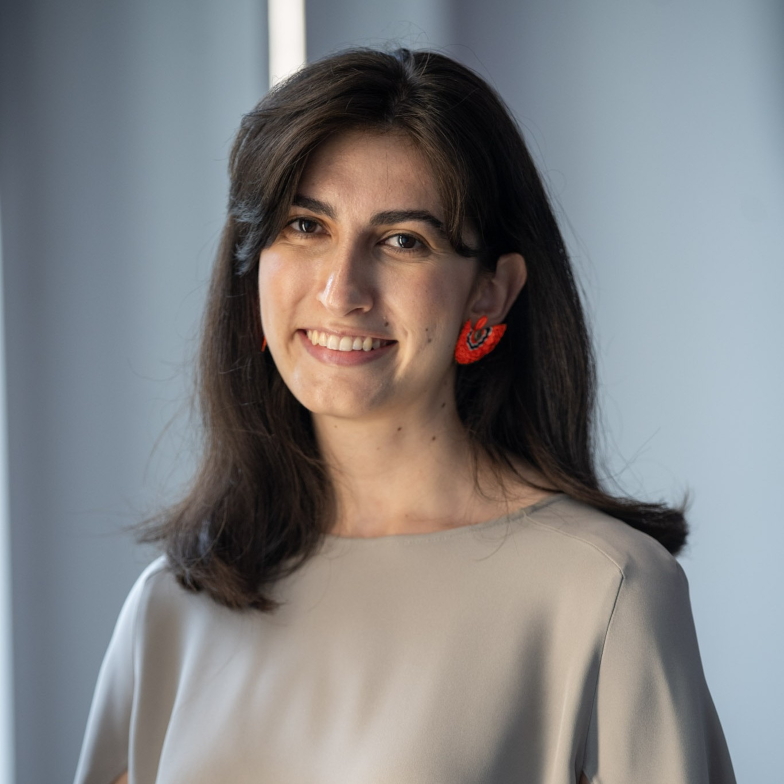
Come and meet fellow participants who share an interest for the Finance track. Get to know each other at lunch and debate the current programme highlights and main controversies so far. //INFO: Lunch and drinks are at your own expense. Please be on time at 12:15 so you have enough time to order comfortably. Three dishes are to choose from.
12:15
-
13:45
Track Forum: Finance
FIN
Network
Solution Hour: Democracy
The European Forum Alpbach is a place of serious debate; and of the people and initiatives turning ideas into outcomes. The European Forum Alpbach is a place of serious debate; and of the people and initiatives turning ideas into outcomes. This session explores what Europe must change to strengthen its capacity to act. Building on insights generated across EFA26, participants will identify the key shifts and trade-offs shaping Europe's democracy. Together, these outputs will form the building blocks for the Call to Action Manifesto, presented on 4 September.//INFO: This session is being translated and transcribed live using the Wordly app.
12:30
-
13:30
Solution Hour: Democracy
+2
DEM
Content
Brown Bag Lunch | How Europe Stands to Gain from Tackling the Climate Crisis
Recent geopolitical upheavals show that Europe’s dependence on fossil fuels is not only a climate and security risk, but also an economic vulnerability. The global race for clean energy and green technologies is in full swing. This discussion brings up the questions of which countries stand to benefit, which are falling behind – and how the EU should respond to the US.
12:30
-
13:30
Brown Bag Lunch | How Europe Stands to Gain from Tackling the Climate Crisis
+1
Content
Climate Strike
Meet in front of the CCA. March through Alpbach against greenwashing and for serious climate action. Bring your signs and your friends!
12:30
-
14:00
Climate Strike
Network
Afternoon
Afternoon
In conversation with Shashi Tharoor and Thomas Mayr-Harting
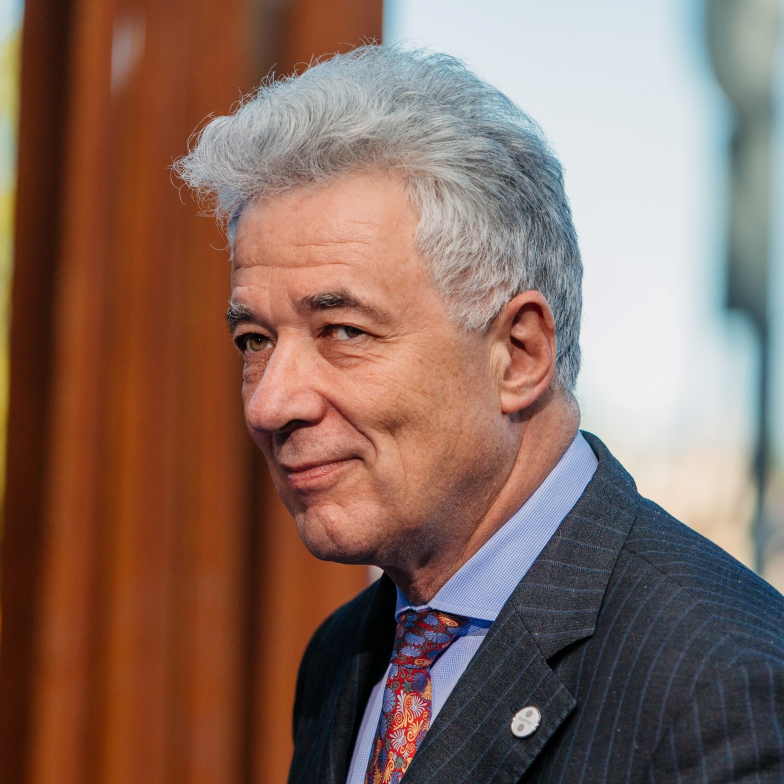
A conversation between Shashi Tharoor and Thomas Mayr-Harting on the subject of "Global governance, India's evolving role in international affairs, the priorities of Indian foreign policy, and the future of EU–India relations".
14:00
-
15:00
In conversation with Shashi Tharoor and Thomas Mayr-Harting
+1
FIN
SEC
Content
Culture as a Soft Power and its Geopolitical Implications
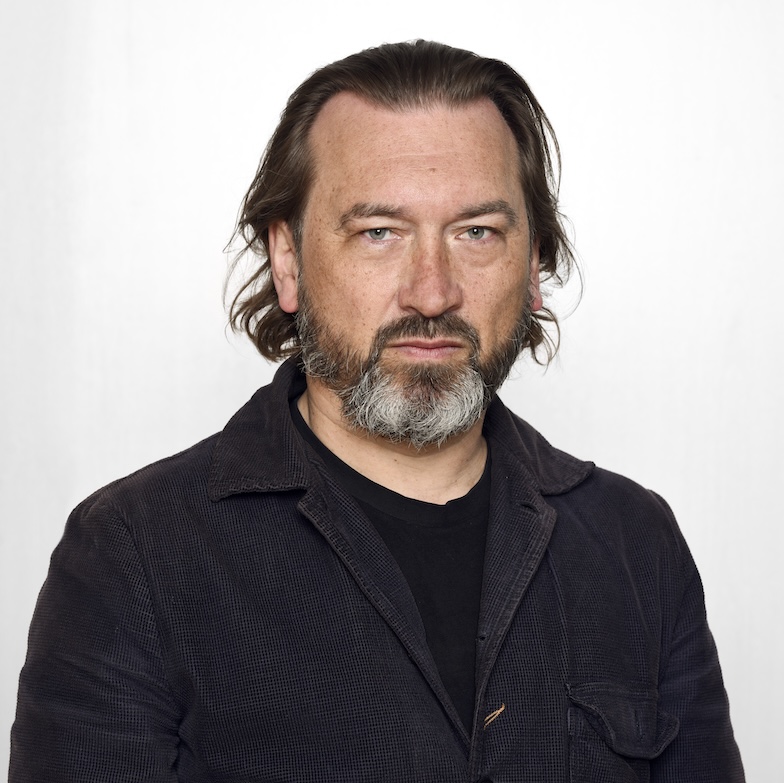
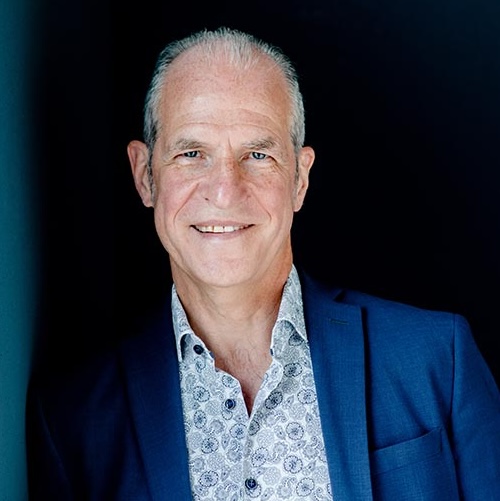
In this final session of the cooperation between EFA, Stiftung Zukunft Berlin, and the Charlemagne Prize Foundation, participants will discuss the essential role of art and culture in shaping Europe’s soft power. The conversation will explore how cultural exchange, artistic freedom, and creative collaboration help promote European values, strengthen international dialogue, and enhance Europe’s influence in an increasingly complex global landscape.
14:00
-
15:00
Culture as a Soft Power and its Geopolitical Implications
+3
ART
Content
The Democratic Comeback: How the Rule of Law Wins
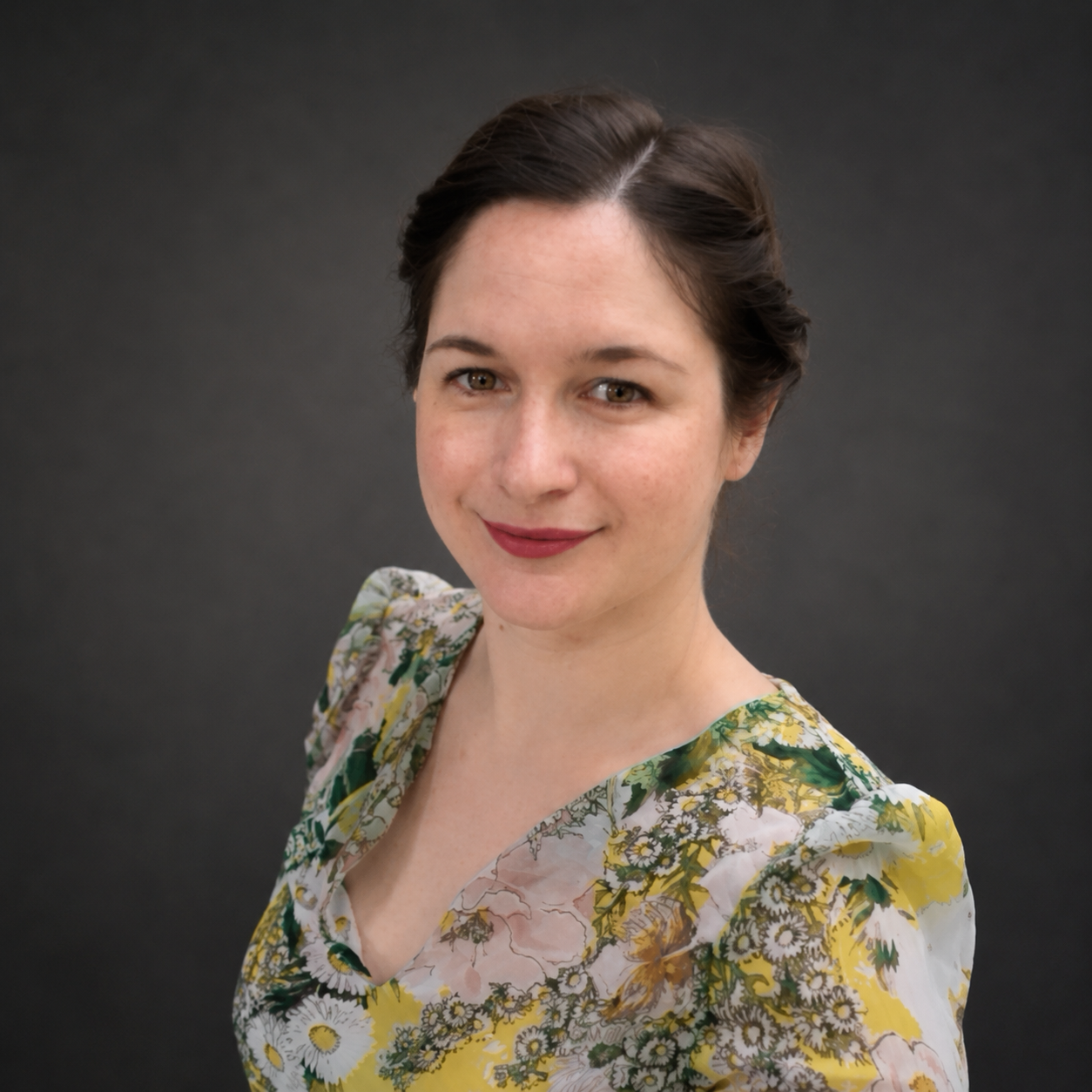
Across many countries, illiberal governments have weakened checks and balances, undermined judicial independence, and eroded public trust. Explore the prospects for reversing illiberal trends and restoring the rule of law in systems under strain that can fuel a broader democratic comeback.
14:00
-
15:00
The Democratic Comeback: How the Rule of Law Wins
+3
DEM
Content
Security for Whom? Europe's Race for Rare Earth and the Human Cost in Myanmar
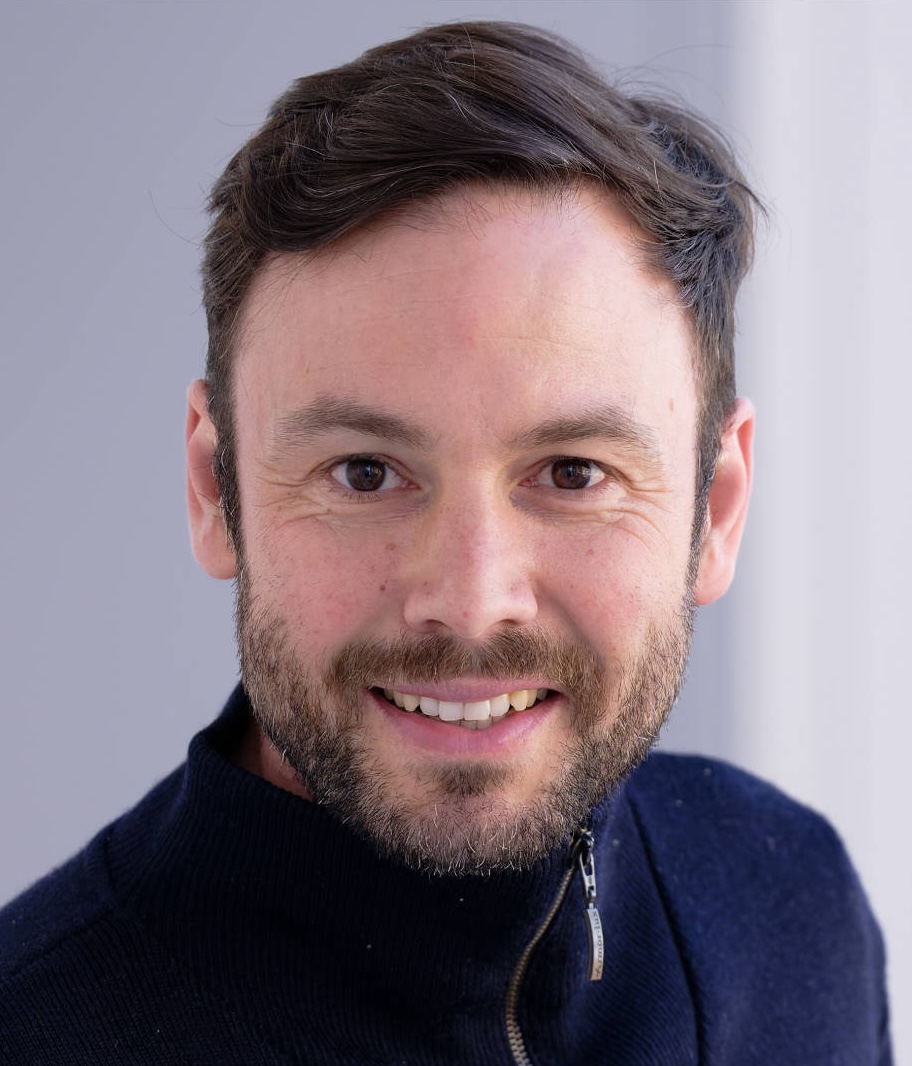
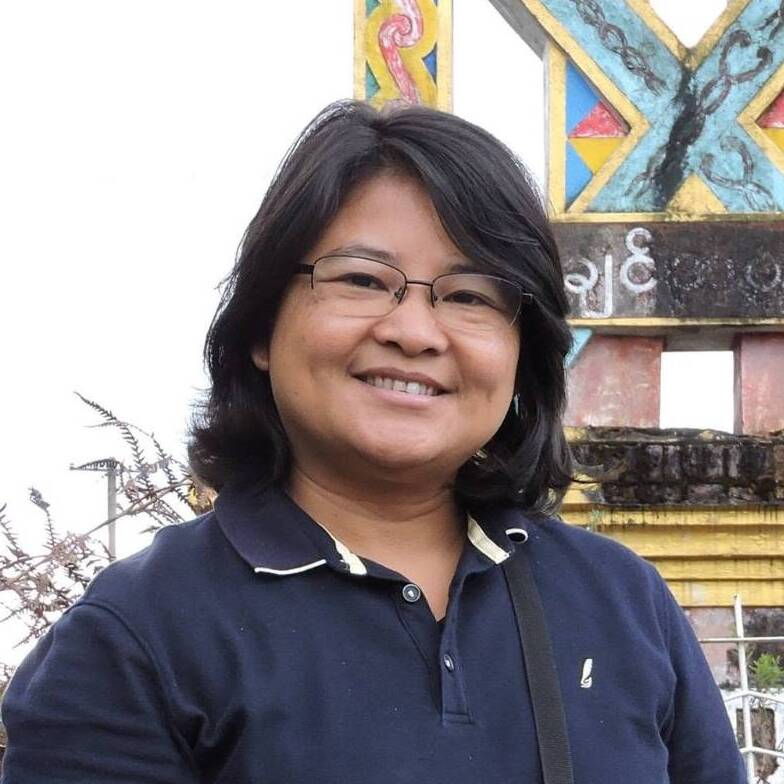
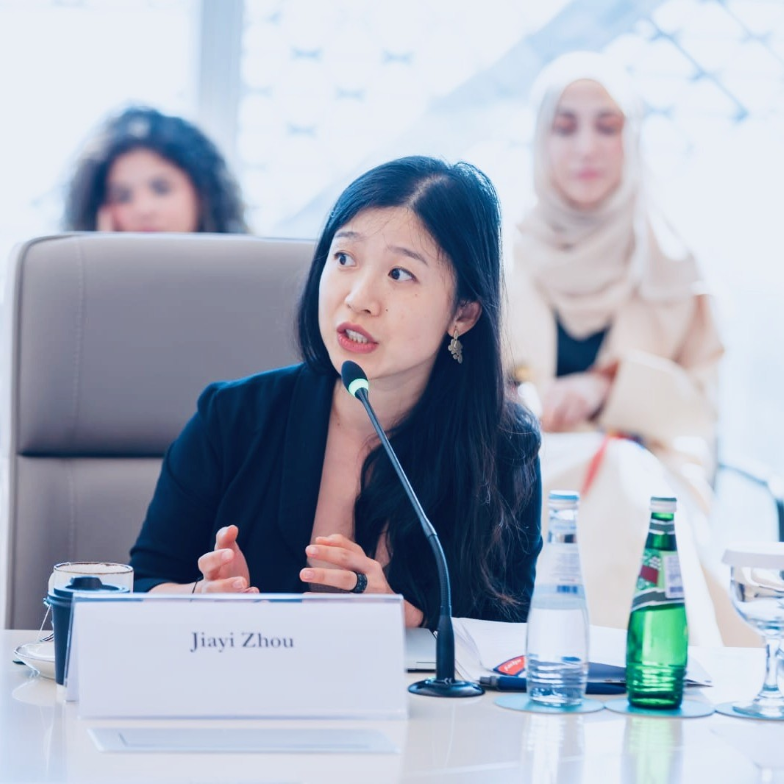
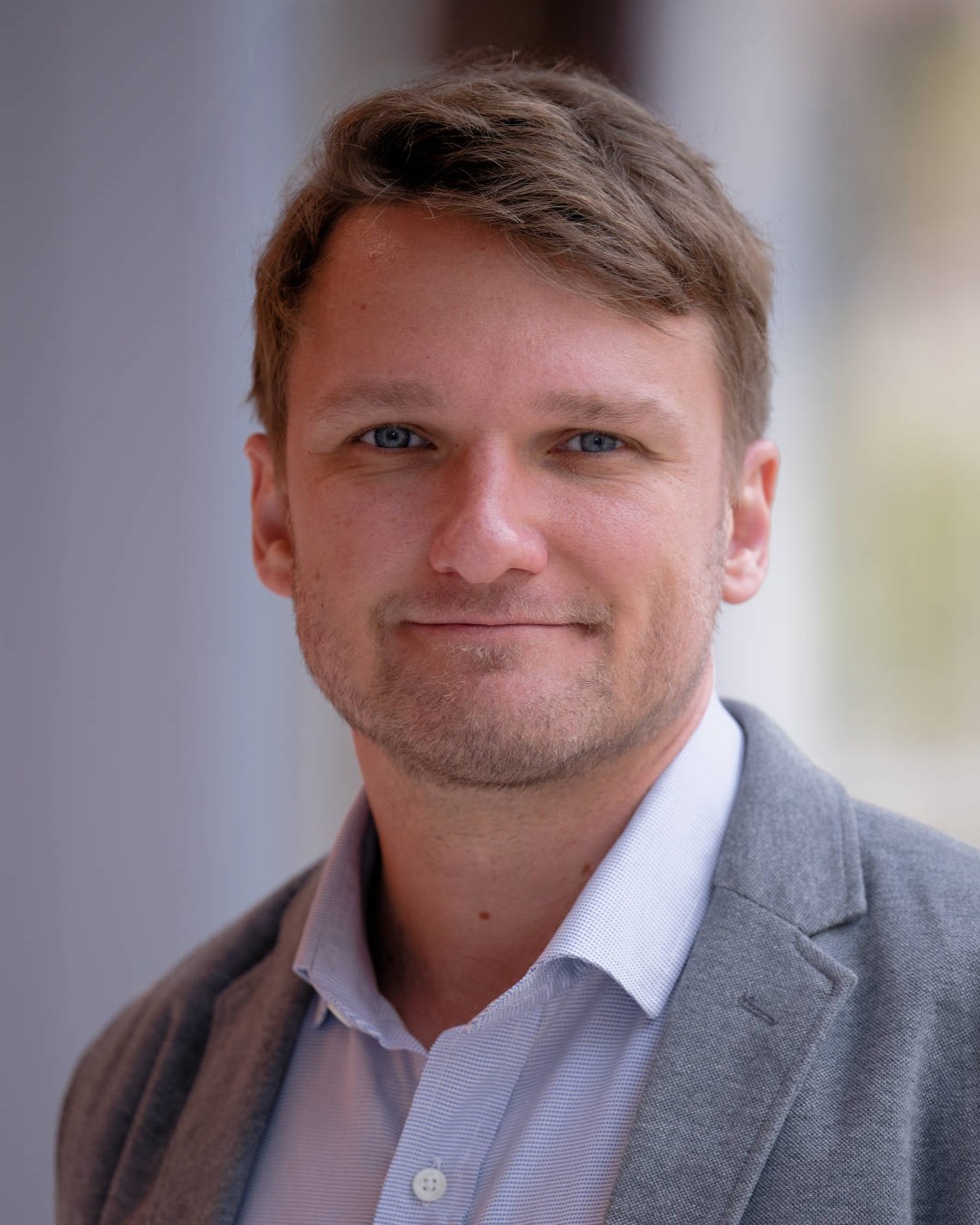
Europe’s race for rare earth elements – critical for the green and digital transition as well as the defense sector – rests on supply chains linked to conflict, environmental destruction, and human insecurity, as seen in Myanmar. This session examines the upstream realities of rare earth extraction and seeks to identify pathways towards supply chain governance that are committed to upholding human dignity for all.
14:00
-
15:30
Security for Whom? Europe's Race for Rare Earth and the Human Cost in Myanmar
+4
CLI
SEC
Content
If Health Fails, Does Democracy Fail? | Health Focus
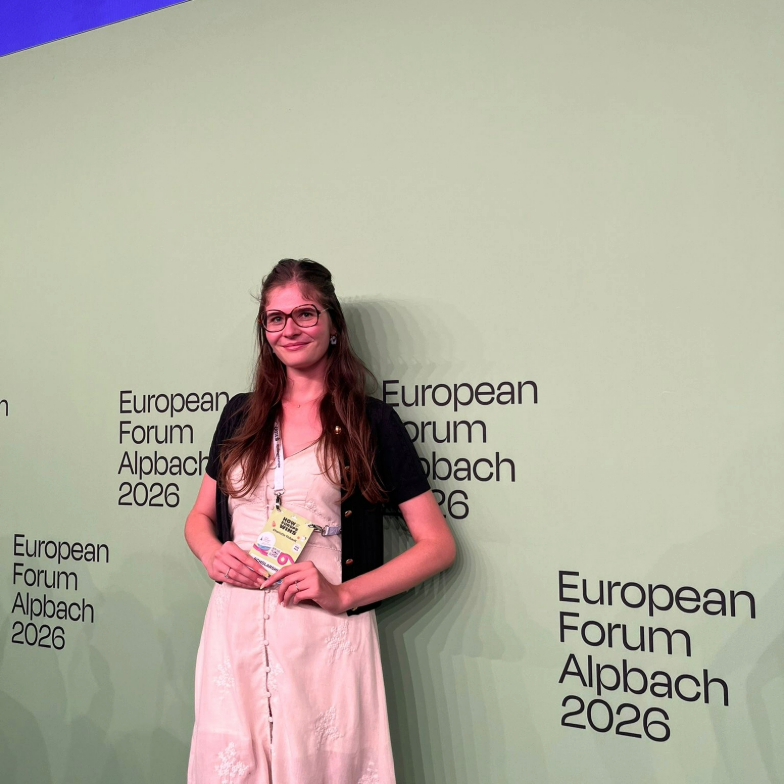
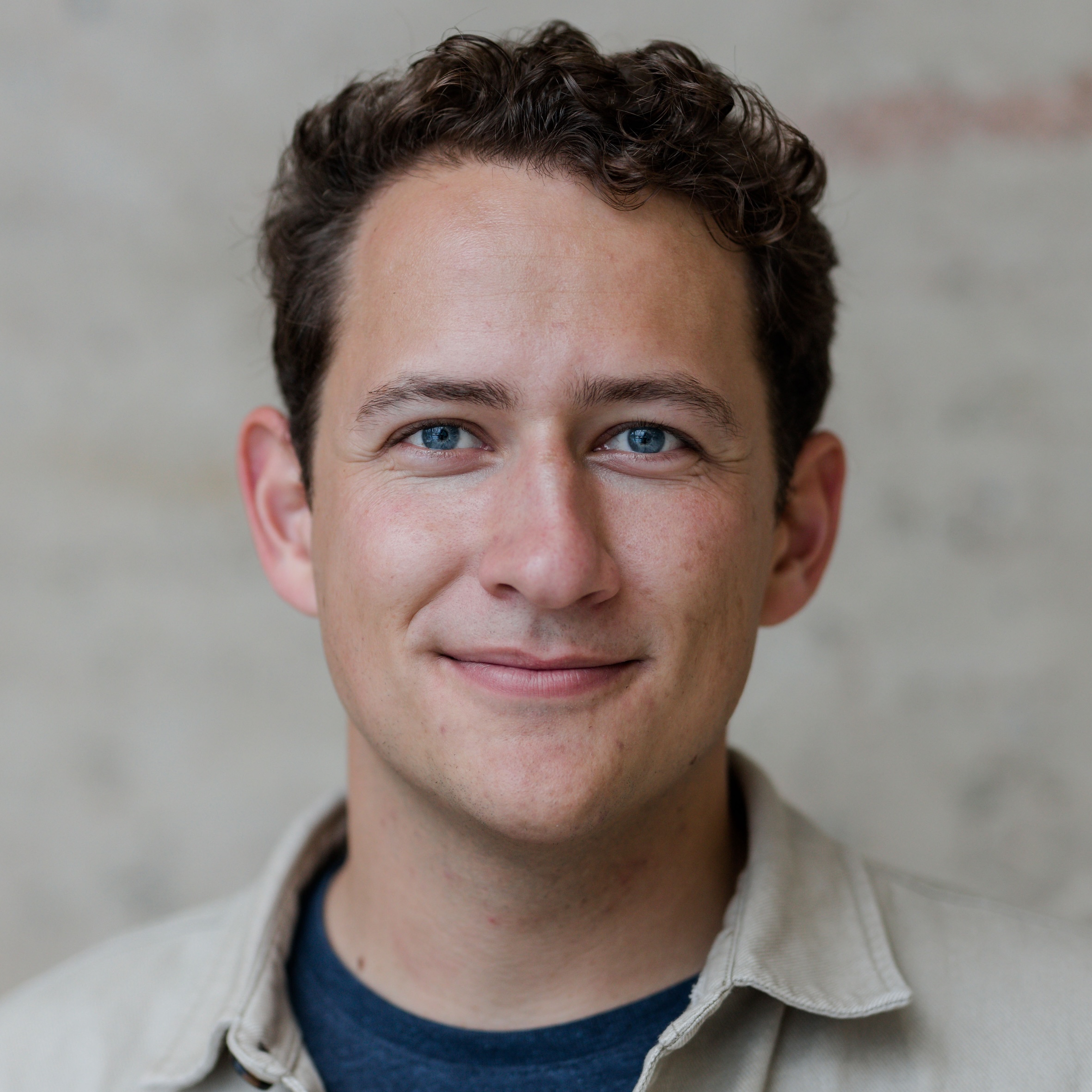
Healthcare is where the state becomes tangible: in access to care, waiting times, and whether people feel heard. When a system works for others but not for them, trust in democracy suffers. Yet structural constraints can limit governments’ ability to deliver. Taking healthcare as a starting point, this session explores how participation, state capacity, and democratic trust intersect.
15:30
-
17:00
If Health Fails, Does Democracy Fail? | Health Focus
+3
DEM
Content
The Moral Economy: Financing Europe’s Welfare State
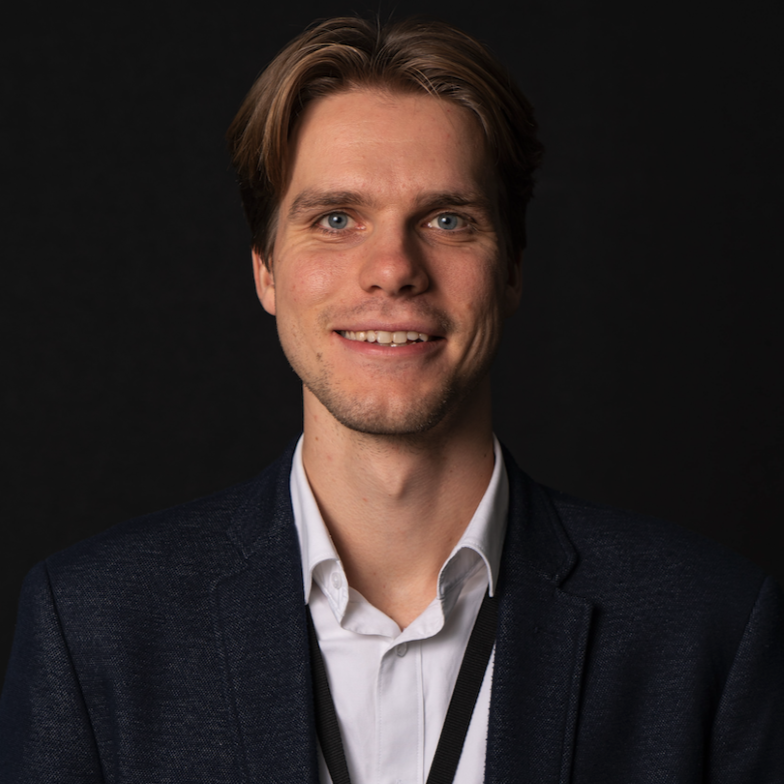
Europe’s public finances are increasingly under strain from demographic ageing, inequality, and structural economic transformation. The session discusses the future of the welfare state in an era of growing scarcity and systemic change. It focuses on fiscal sustainability, the distribution of financial burdens between the state, markets, and individuals, and the conditions needed to maintain social cohesion in a period of rapid transformation.
15:30
-
16:30
The Moral Economy: Financing Europe’s Welfare State
+3
DEM
FIN
Content
Executive Talk: China in a Changing World – Global Influence, Security and Cooperation

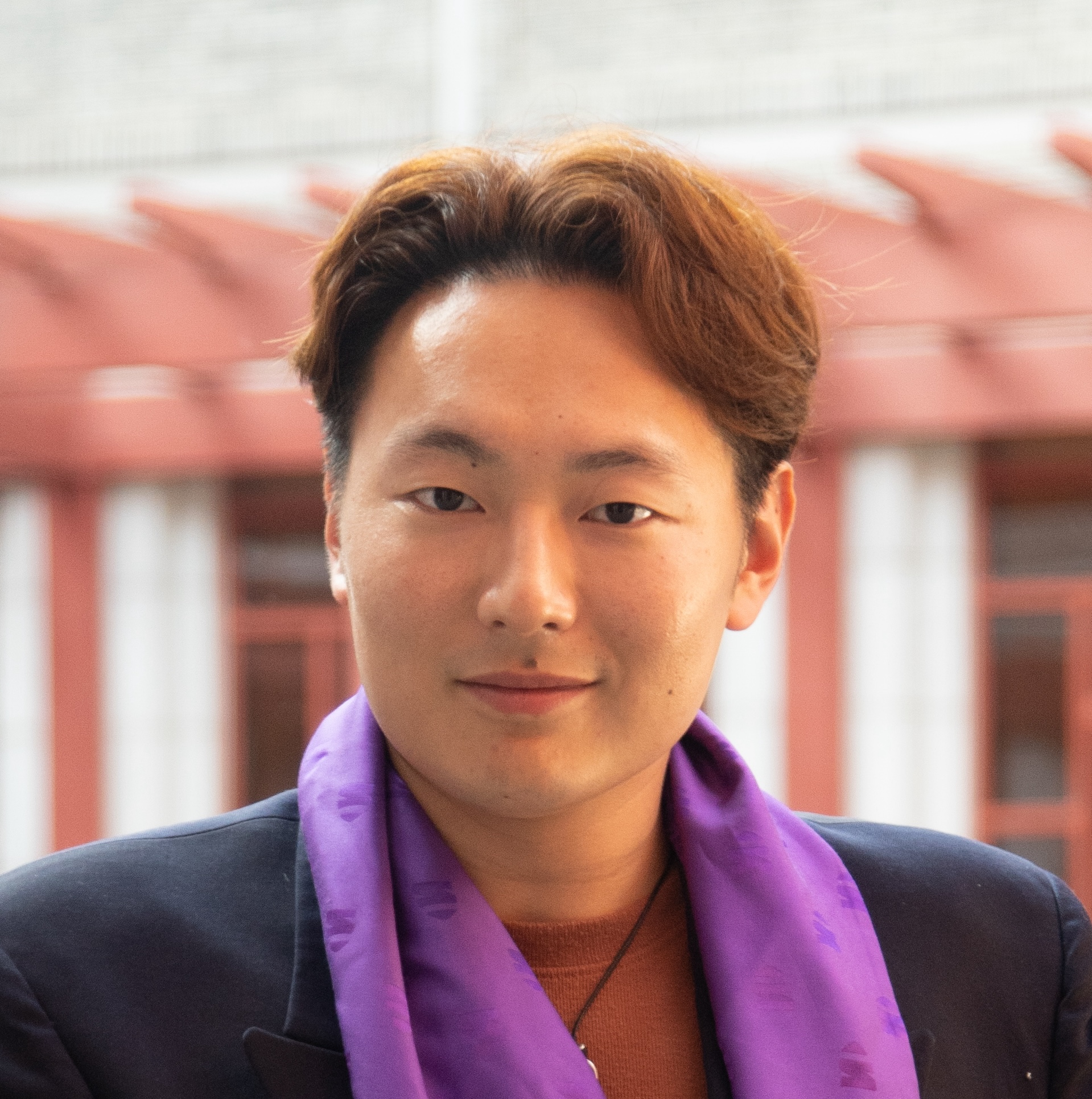
China’s growing global influence is reshaping the international landscape. This Executive Talk brings together two Schwarzman Scholars and EFA scholarship holders to explore China’s evolving role, its implications for security and cooperation, and what these developments mean for Europe.
15:30
-
16:30
Executive Talk: China in a Changing World – Global Influence, Security and Cooperation
+2
SEC
Network
Book Talk with Sandrine Dixson-Declève
Meet Sandrine Dixon-Declève for a book talk of “Earth for All: A Survival Guide for Humanity”.
15:30
-
16:30
Book Talk with Sandrine Dixson-Declève
+1
ART
CLI
DEM
FIN
SEC
Content
Exhibition Tour: Drawing Lines
Join curator and artist Anastasia Lemberg-Lvova for a tour of the exhibition “Drawing Lines” in the Gallery Room next to the Tourism Office.
16:15
-
16:45
Exhibition Tour: Drawing Lines
ART
Network
Envisioning the Europe We Build
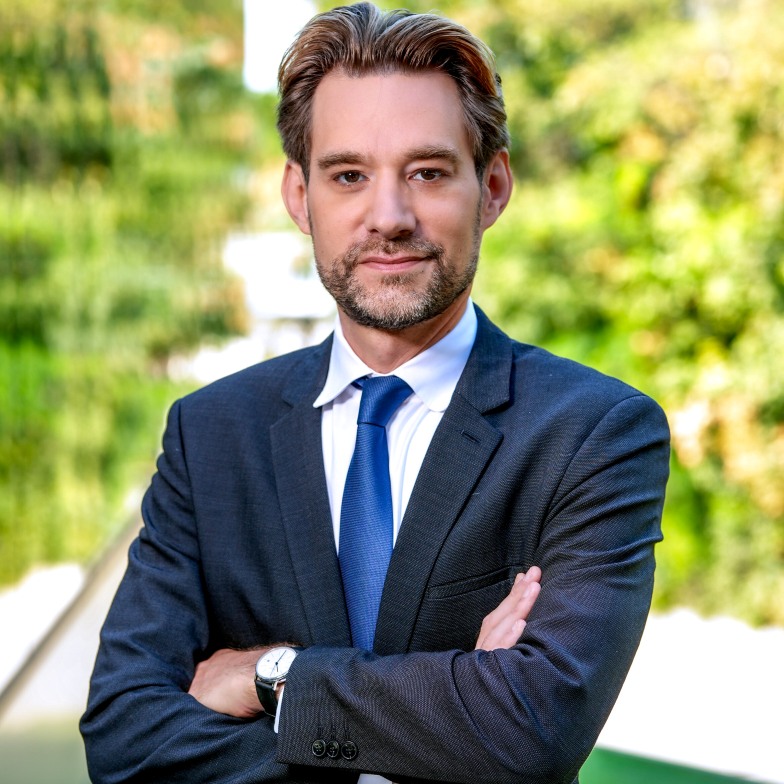
The global order is being rewritten: By force, by markets, by technology, and by the sheer ambition of other civilisational projects. Europe's response cannot be to imitate any of them. Europe's strength lies elsewhere: in the deliberate, conscious choice to build a civilisational model on its own terms. Its future is based on self-efficacy - how does Europe foster its capacity to act from conviction, determined that its choices matter, and how does it cultivate the institutional and intellectual readiness to make them?//INFO: This session is being translated and transcribed live using the Wordly app.
17:00
-
18:30
Envisioning the Europe We Build
+5
ART
CLI
DEM
FIN
SEC
Content
Evening
Evening
Sunset Concert with Soraya Hossaini
Join Soraya Hossaini for an intimate concert on the Loggia, set against the breathtaking backdrop of Alpbach and its surrounding mountains. Experience the rich and captivating sounds of Afghan traditional music performed on the rubab, Afghanistan’s national instrument. Through a unique interplay of traditional melodies and contemporary harmonies and rhythms, this concert offers a vibrant musical journey that bridges cultural heritage and modern artistic expression.
19:00
-
20:00
Sunset Concert with Soraya Hossaini
ART
Network
Annual Speakers Night
Speakers Night is the popular public speaking contest; a platform for scholarship holders to showcase their rhetorical skills on the big stage. The format offers a selected group of bright young minds the ideal opportunity to share their ideas and perspectives on a pre-determined topic with a larger audience, all while receiving valuable feedback from a distinguished panel.
20:00
-
22:00
Annual Speakers Night
Content
Alpine Afterglow
After an inspiring day at the conference, the open After-Dinner Social invites you to unwind in a relaxed setting. Look forward to signature drinks, DJ sounds, regional culinary delights, and inspiring networking in a unique atmosphere — all accompanied by breathtaking views of the Tyrolean Alps.
20:30
-
22:00
Alpine Afterglow
Network
Early morning
Early morning
Morning Sports: Functional Fitness
Start the day with a boost of energy! The trainers of the Austrian Armed Forces will get you sweating with military functional fitness on the forecourt of the CCA – an ideal way to recover from stress and prevent burnout and illness.
07:00
-
08:00
Morning Sports: Functional Fitness
Rituals
Into the Silence
A place of calm: Spiritual impulses from various religious and philosophical backgrounds invite you to contemplate and reflect. Inspiring initiators tell their stories, take you on a journey of the mind, and initiate moments of genuine stillness.
08:00
-
08:30
Into the Silence
Rituals
Morning Briefing

Our Morning Briefings provide a daily overview of the most important news and insights from EFA26. Start your Alpbach day well-informed with an engaging conversation!This session is being hosted with the support of Understanding EU.
08:00
-
08:45
Morning Briefing
Content
Morning